
"Flare Discoveries: A Step Closer to Finding Habitable Worlds"
TL;DR Summary
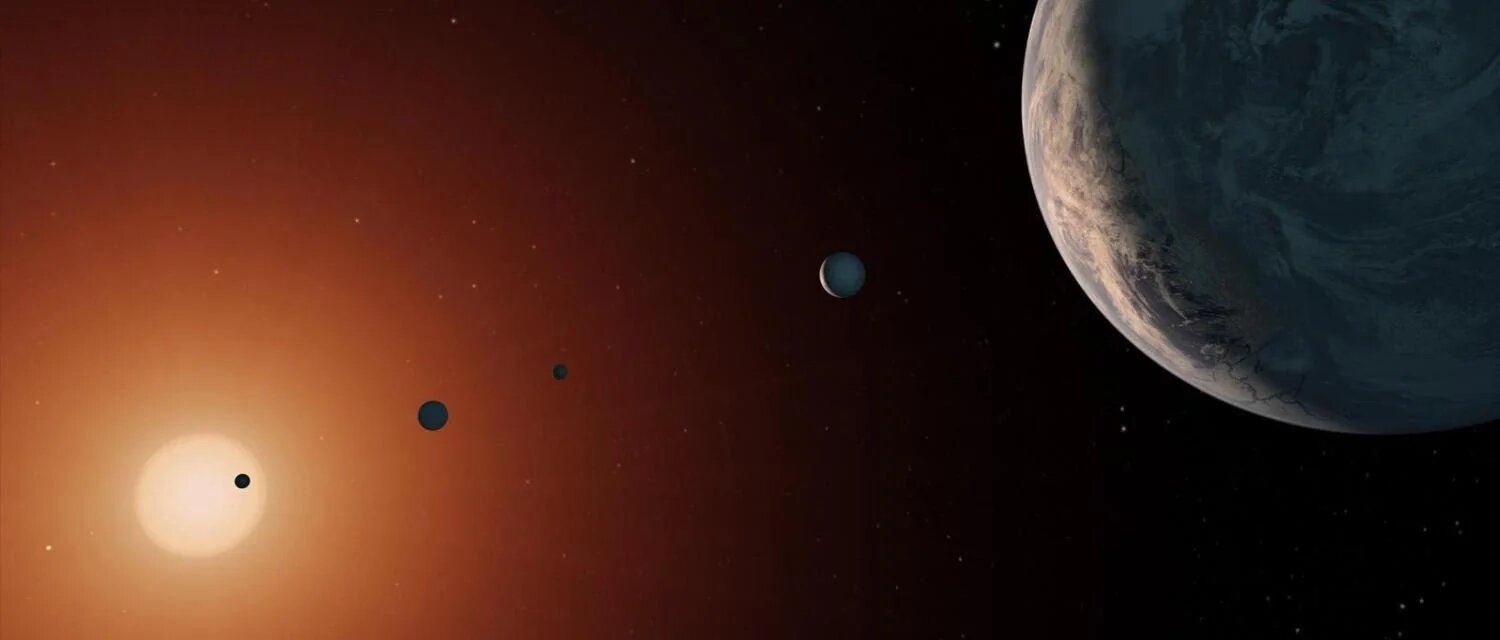
Astrophysicists have used the James Webb Space Telescope (JWST) to study solar flares from the star TRAPPIST-1, located 40 light-years from Earth. The findings could aid in the search for habitable exoplanets by helping scientists understand the secondary atmospheres around stars similar to Earth's. The researchers developed a method to separate the light from the flares from the star's normal radiation, potentially providing clearer images of planets and their atmospheres. TRAPPIST-1 is of particular interest as it hosts three rocky planets in the habitable zone.
Topics:science#astronomy#exoplanets#habitable-planets#james-webb-space-telescope#solar-flares#trappist-1
Reading Insights
Total Reads
0
Unique Readers
1
Time Saved
4 min
vs 5 min read
Condensed
91%
908 → 85 words
Want the full story? Read the original article
Read on Phys.org