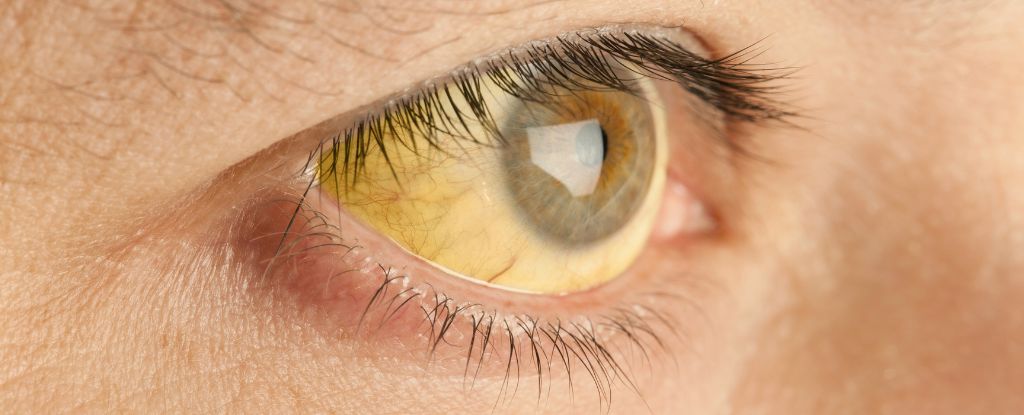
A new study suggests that bilirubin, a pigment responsible for jaundice, may play a protective role against malaria by inhibiting the growth of the parasite in red blood cells, potentially offering a new avenue for treatment.,
Scientists have finally identified the enzyme responsible for producing urobilin, the compound that gives urine its yellow color, shedding light on how gut microbes influence conditions like jaundice and inflammatory bowel disease. The enzyme, bilirubin reductase, was discovered through recent advances in genetics, and its absence may contribute to certain diseases. This breakthrough could lead to further studies on how gut microbes affect bilirubin levels in the body.
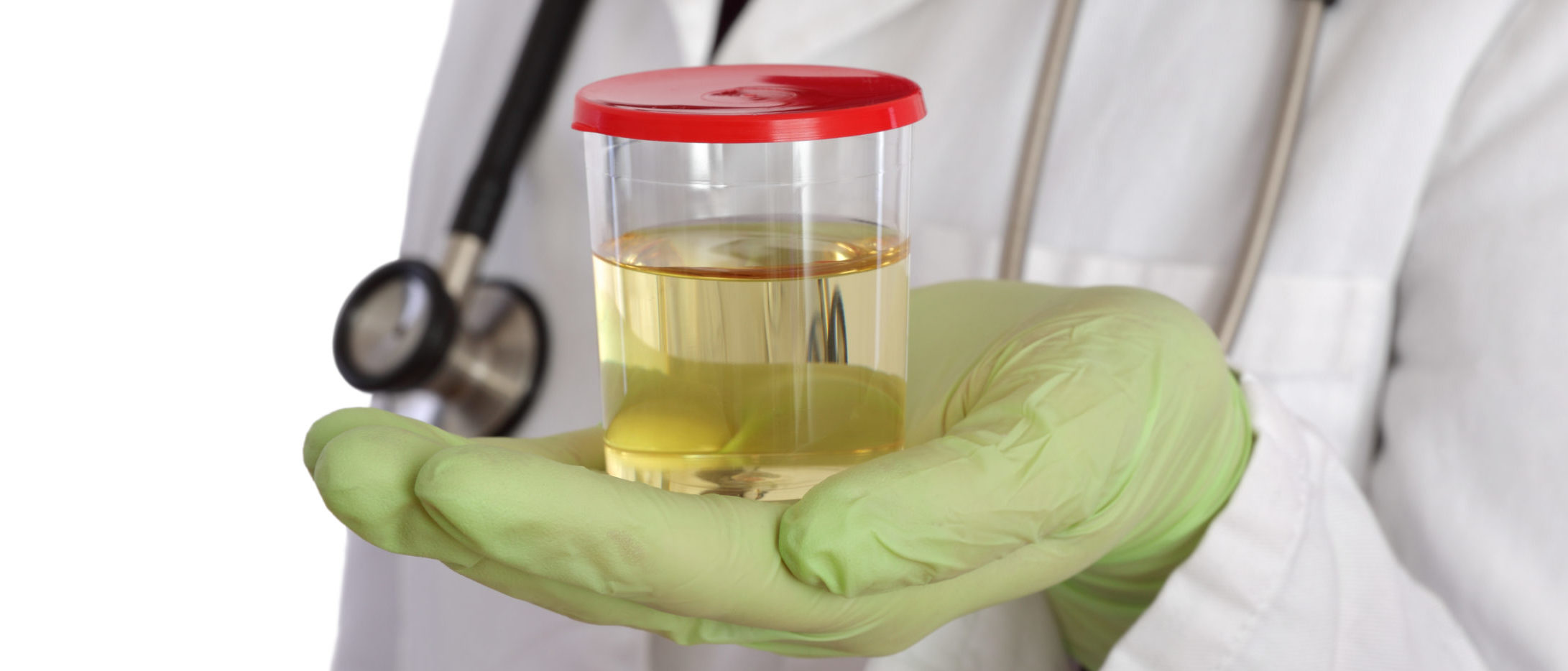
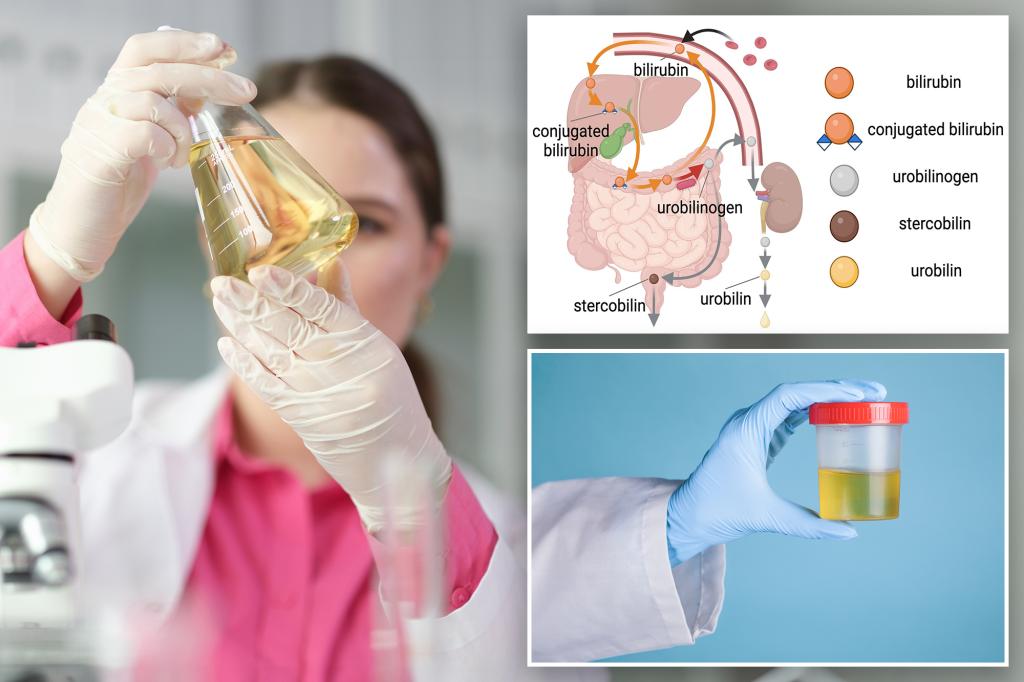
A recent study published in Nature Microbiology has identified bilirubin as the reason behind the yellow color of healthy urine, solving a 150-year mystery. The study explains that bilirubin, a byproduct of old red blood cells broken down through bodily processes, mixes with other waste products in the liver to create bile. Gut microbes then convert bilirubin into a colorless byproduct called urobilinogen, which eventually degrades into urobilin, responsible for the yellow color of urine.
After 150 years of mystery, researchers from the University of Maryland and the National Institute of Health have identified bilirubin as the enzyme responsible for giving urine its yellow color. This discovery sheds light on a long-standing biological phenomenon and opens the door for further investigation into how gut microbes impact bilirubin levels and related health conditions. The findings were published in the journal Nature Microbiology, marking a significant breakthrough in understanding the human body.
After over 150 years of mystery, scientists have identified bilirubin as the key enzyme responsible for giving urine its yellow color. This breakthrough sheds light on the process by which red blood cells degrade into bilirubin, which is then transformed by gut microbes into urobilin, the yellow pigment in urine. The discovery has potential implications for understanding and treating conditions such as jaundice and inflammatory bowel disease, and may lead to further insights into the role of gut microbiomes in human health.
Scientists at the University of Maryland and the National Institute of Health have discovered that the enzyme bilirubin is responsible for giving urine its yellow color, solving a long-standing mystery. This breakthrough has significant implications for medical research, potentially leading to advancements in understanding and treating conditions such as inflammatory bowel disease and jaundice. The next step for the researchers is to conduct human studies, particularly focusing on premature infants with high jaundice rates.
Scientists have recently discovered that the yellow color of urine is due to a substance called urobilin, which is produced in the gut when red blood cells degrade and create bilirubin. The gut microbiome determines the production of this urine-coloring molecule, and the absence of the enzyme bilirubin reductase is linked to health conditions like jaundice, gallstones, and irritable bowel syndrome. This discovery suggests a link between gut health and liver wellbeing, laying the foundation for understanding the gut-liver axis.
Scientists have discovered the enzyme bilirubin reductase, produced by gut microbes, which is responsible for converting bilirubin into urobilinogen and ultimately causing the yellow color in urine. This finding solves a mystery that has puzzled researchers for over a century and opens up new avenues for studying gut health and diseases like jaundice and inflammatory bowel disease. The enzyme is present in most healthy adults but absent in newborns and those with inflammatory bowel disease, highlighting its potential importance in human health.
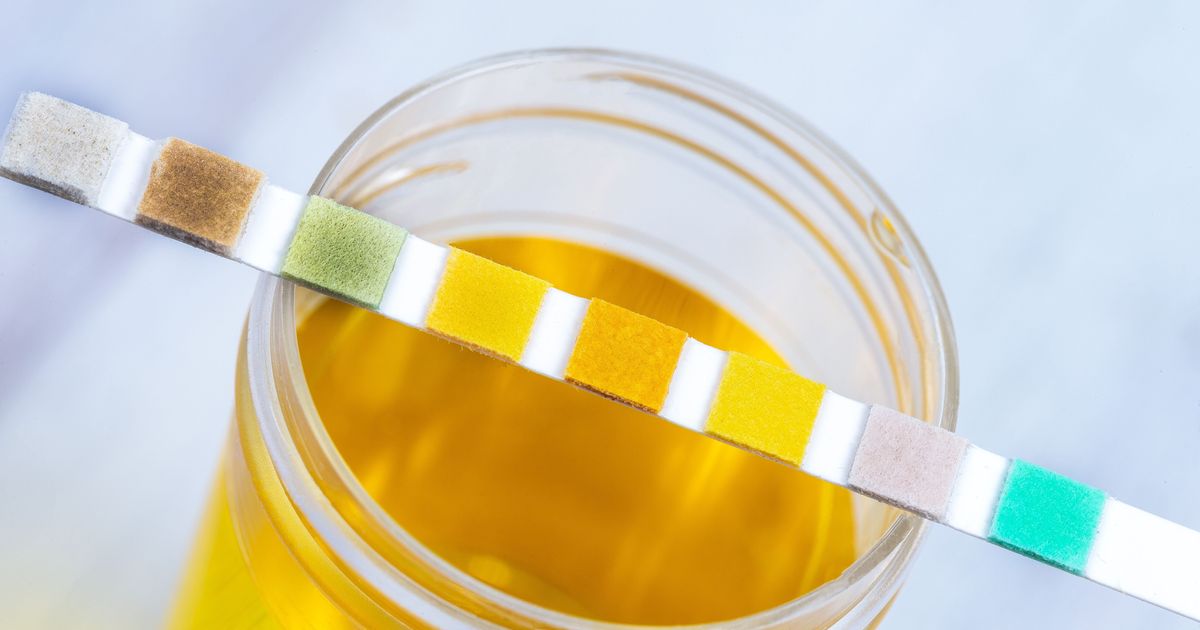
Scientists have discovered the enzyme responsible for the yellow color of urine, solving a long-standing biological mystery. The enzyme, bilirubin reductase, is produced by gut microbes and converts bilirubin into urobilinogen, which then degrades into urobilin, the pigment that gives urine its yellow hue. This finding, published in Nature Microbiology, could have implications for understanding gut health, inflammatory bowel disease, and jaundice. The research also highlights that the presence of different colors in urine can indicate various health conditions or dietary influences.
Researchers have discovered the enzyme, named bilirubin reductase (BilR), that gut bacteria produce to break down bilirubin, leading to the yellow color of urine. This enzyme is less common in newborns and individuals with inflammatory bowel disease, suggesting a potential link to conditions like jaundice and pigmented gallstones. The study enhances our understanding of the gut microbiome's role in health and could lead to further research on how gut microbes influence bilirubin levels in the blood, particularly in premature infants who are at higher risk for jaundice.