Tag

Bilirubinreductase

All articles tagged with #bilirubinreductase

science-and-health2 years ago

"Decoding the Mystery: The Scientific Explanation for Yellow Urine"

Researchers at the University of Maryland have identified an enzyme called bilirubin reductase (BilR) that is responsible for converting the orange bilirubin gut compound into the yellow urobilin in the liver, solving the long-standing mystery of what exactly makes urine yellow. This discovery, made possible by advanced genome sequencing technology and the study of gut bacteria, has implications for understanding and treating conditions like jaundice, gallstones, and inflammatory bowel disease.
science-and-health2 years ago

"Researchers Uncover Enzyme Behind the Mystery of Yellow Urine"

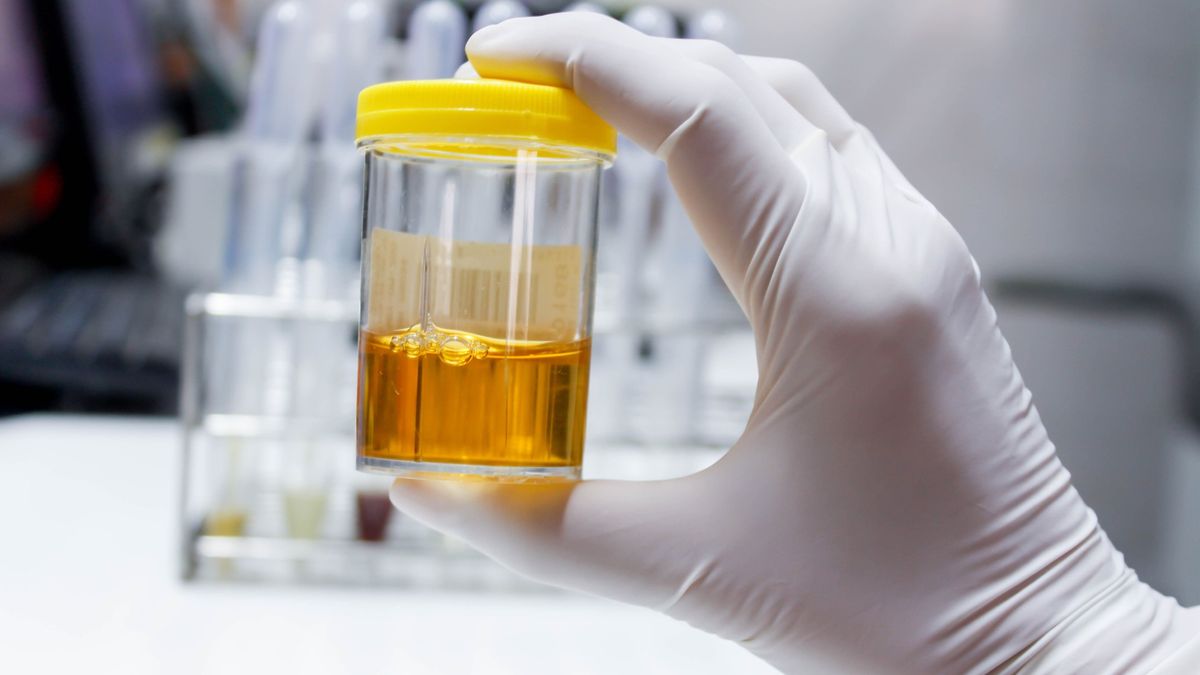
Researchers have identified the enzyme bilirubin reductase, produced by gut bacteria, as the key factor in giving urine its yellow color. This discovery, published in Nature Microbiology, enhances our understanding of how the body processes old red blood cells and the role of the gut microbiome in health conditions like jaundice and inflammatory bowel disease (IBD). The enzyme converts bilirubin into urobilinogen, which then degrades into the yellow pigment urobilin. The presence of the gene for bilirubin reductase was found in 99.9% of healthy adults but was less prevalent in individuals with IBD and young infants, who are more susceptible to jaundice.

science-and-health2 years ago

"University of Maryland Scientists Uncover the Secret Behind Urine's Yellow Hue"

Scientists have discovered the enzyme bilirubin reductase, produced by gut microbes, which is responsible for converting bilirubin into urobilinogen and ultimately urobilin, giving urine its yellow color. This finding, published in Nature Microbiology, solves a longstanding biological mystery and could have implications for understanding gut health, inflammatory bowel disease, and jaundice. The research also indicates that the presence of this enzyme in the gut is linked to overall health, with its absence noted in newborns and individuals with inflammatory bowel disease.

science-and-health2 years ago

"Decoding the Yellow Hue: Scientists Unveil the Secrets of Urine Color"

University of Maryland researchers have discovered why urine is yellow, identifying an enzyme called bilirubin reductase that converts bilirubin into urobilinogen, which then degrades into the yellow pigment urobilin. This enzyme is present in most healthy adults but often missing in newborns and those with inflammatory bowel disease, potentially contributing to infant jaundice and pigmented gallstones. The study, published in Nature Microbiology, not only solves a longstanding biological mystery but also opens up new avenues for understanding the gut-liver axis and its impact on health.

science-and-health2 years ago

"Researchers Reveal the Science Behind Urine's Yellow Hue"

Scientists at the University of Maryland and National Institutes of Health have identified the enzyme bilirubin reductase, produced by gut microbes, as the key factor in creating the yellow color of urine through the conversion of bilirubin into urobilin. This discovery not only explains a long-standing biological question but also has significant implications for understanding health conditions like jaundice and inflammatory bowel disease, and the broader role of the gut microbiome in human health. The study's findings are published in the journal Nature Microbiology.

science-and-health2 years ago

"Enzyme Identified as Key Factor in the Yellow Coloration of Urine"

Scientists at the University of Maryland and the National Institutes of Health have identified bilirubin reductase, an enzyme produced by gut microbes, as the key factor in converting bilirubin into urobilin, which gives urine its yellow color. This discovery, published in Nature Microbiology, not only solves a longstanding biological question but also has significant implications for understanding the gut microbiome's influence on conditions like jaundice and inflammatory bowel disease. The presence or absence of bilirubin reductase in individuals could impact health conditions related to bilirubin levels, offering new insights into the gut-liver axis and the overall role of the gut microbiome in human health.