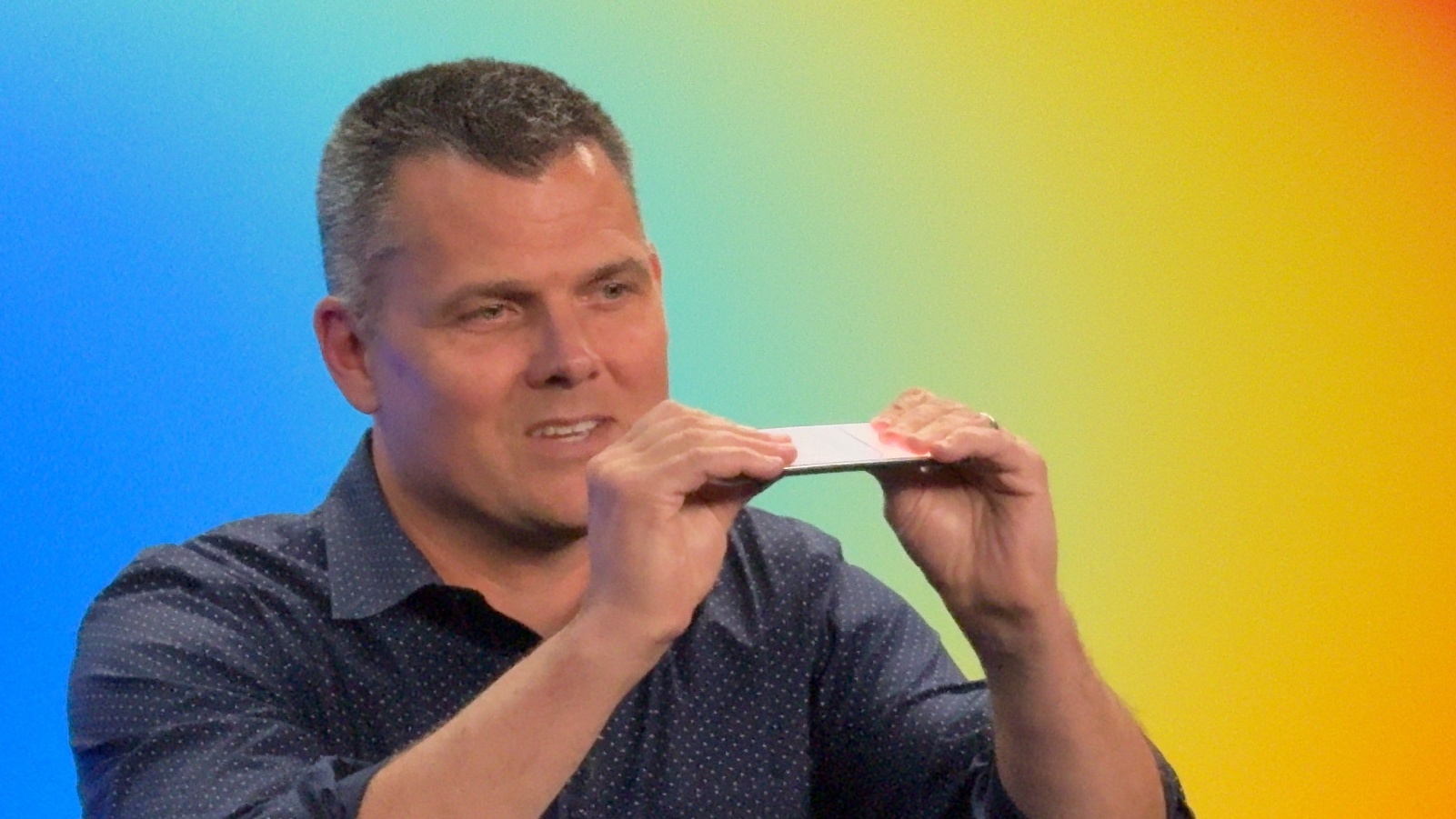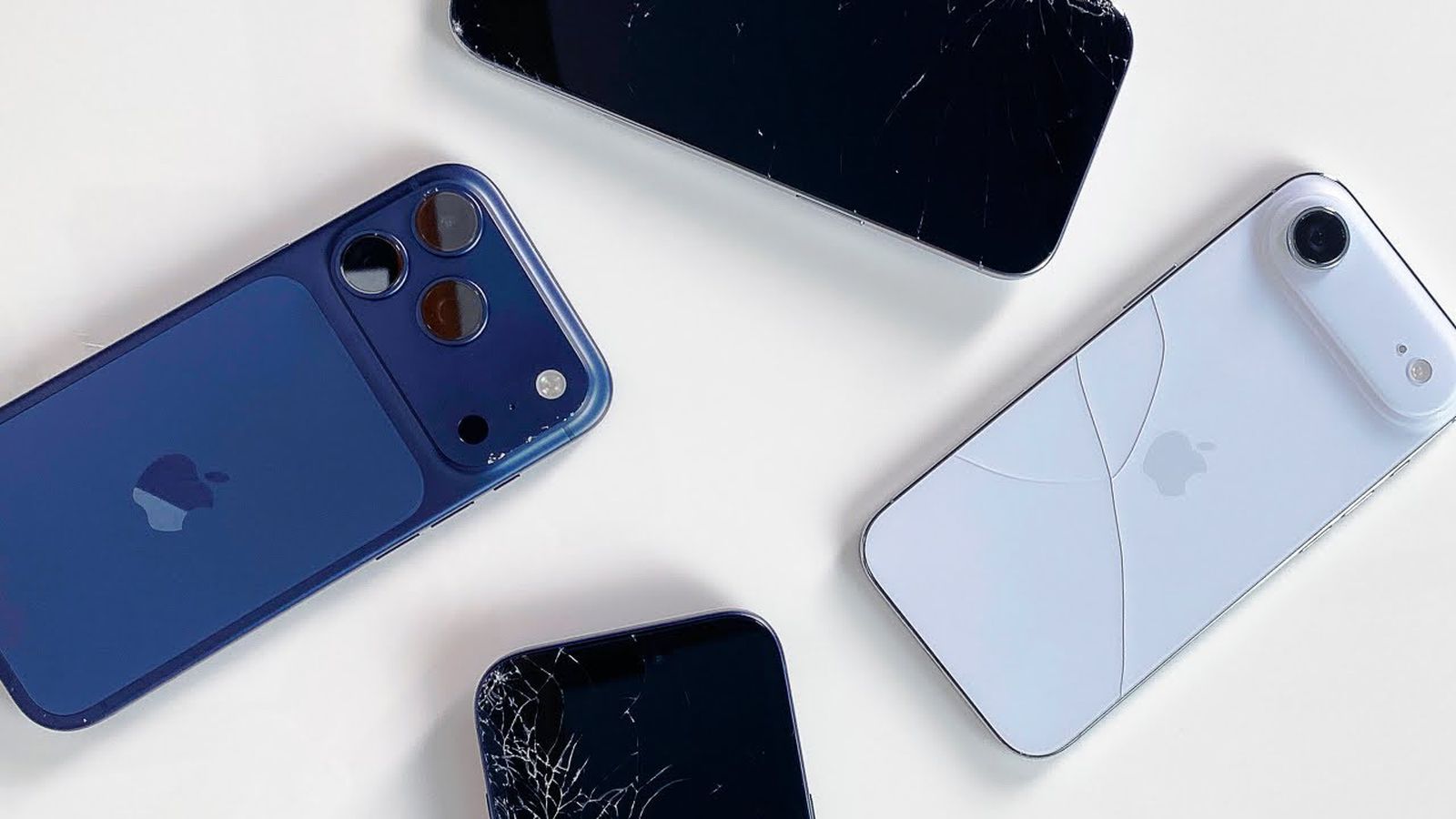
The iPhone Air and iPhone 17 Pro models demonstrate high durability in bend and drop tests, with the iPhone Air featuring a titanium frame and Ceramic Shield 2, making it resistant to bending and capable of surviving six-foot drops with some damage. The iPhone 17 Pro's aluminum frame offers better protection, and both models outperform previous iPhones like the iPhone 16 Pro, though Ceramic Shield 2 remains glass-like and susceptible to breaking. Overall, Apple's claims of improved durability are supported, but protective cases are still recommended.
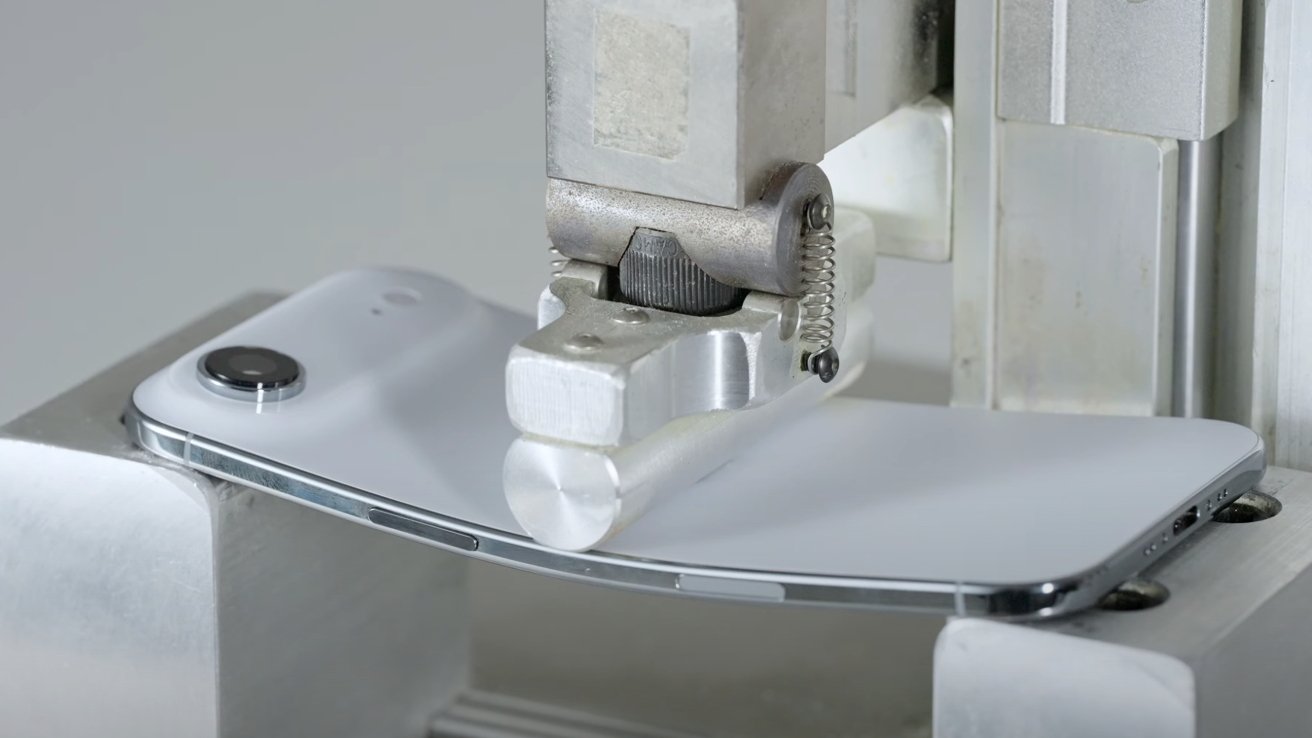
Apple's iPhone 17 Pro and iPhone Air demonstrate strong resistance to bending, surviving pressure tests well above industry standards, but still show vulnerability to screen shattering in drop tests, highlighting the importance of protective accessories despite their improved durability.
The iPhone 17 series, including the iPhone Air, demonstrates improved durability through various tests, such as resisting 130 pounds of pressure without bending, showing strong scratch resistance with Ceramic Shield 2, and performing well in drop tests, suggesting it can handle daily wear and tear effectively.
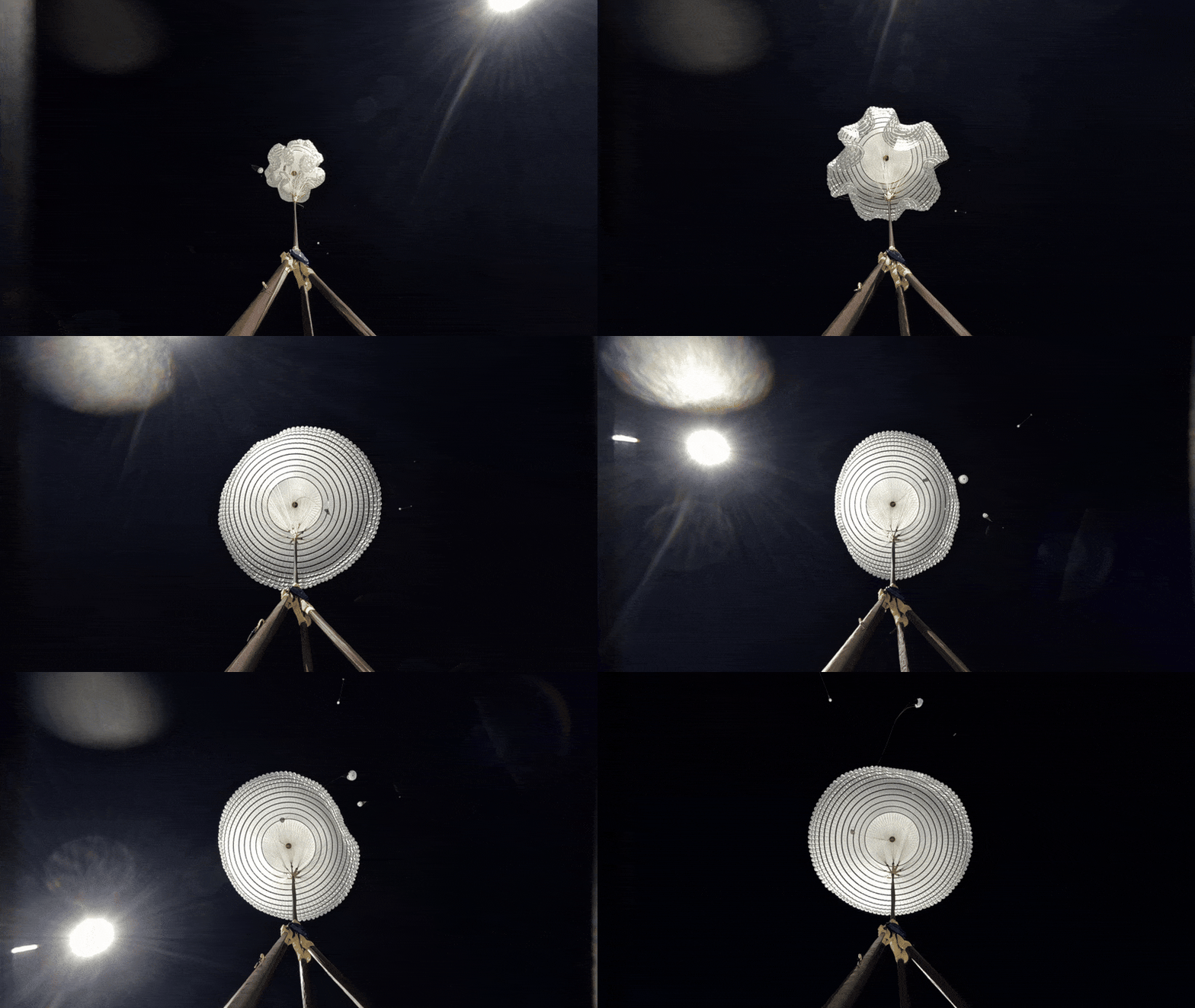
The most complex parachute system ever designed for Mars has successfully been tested in Earth's Arctic conditions using a high-altitude balloon, confirming its readiness for the upcoming ExoMars mission to ensure a safe landing for the Rosalind Franklin rover on Mars.
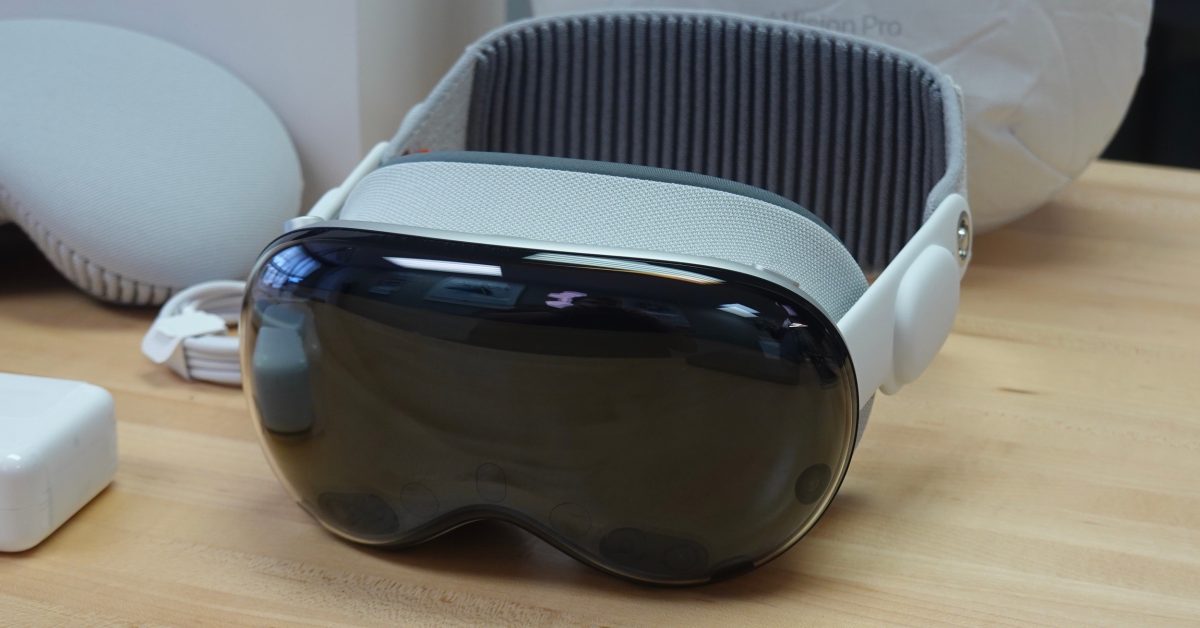
The Apple Vision Pro's front glass has been found to be highly susceptible to scratches, despite being resistant to accidental damage. Tests by JerryRigEverything revealed that the glass scratches easily at level two on the Mohs scale, making it vulnerable to objects like keys and coins. The glass also has a plastic layer on top, making it prone to scratching. While the plastic cover makes the Vision Pro more resistant to accidental damage, it costs $799 to replace the front glass.
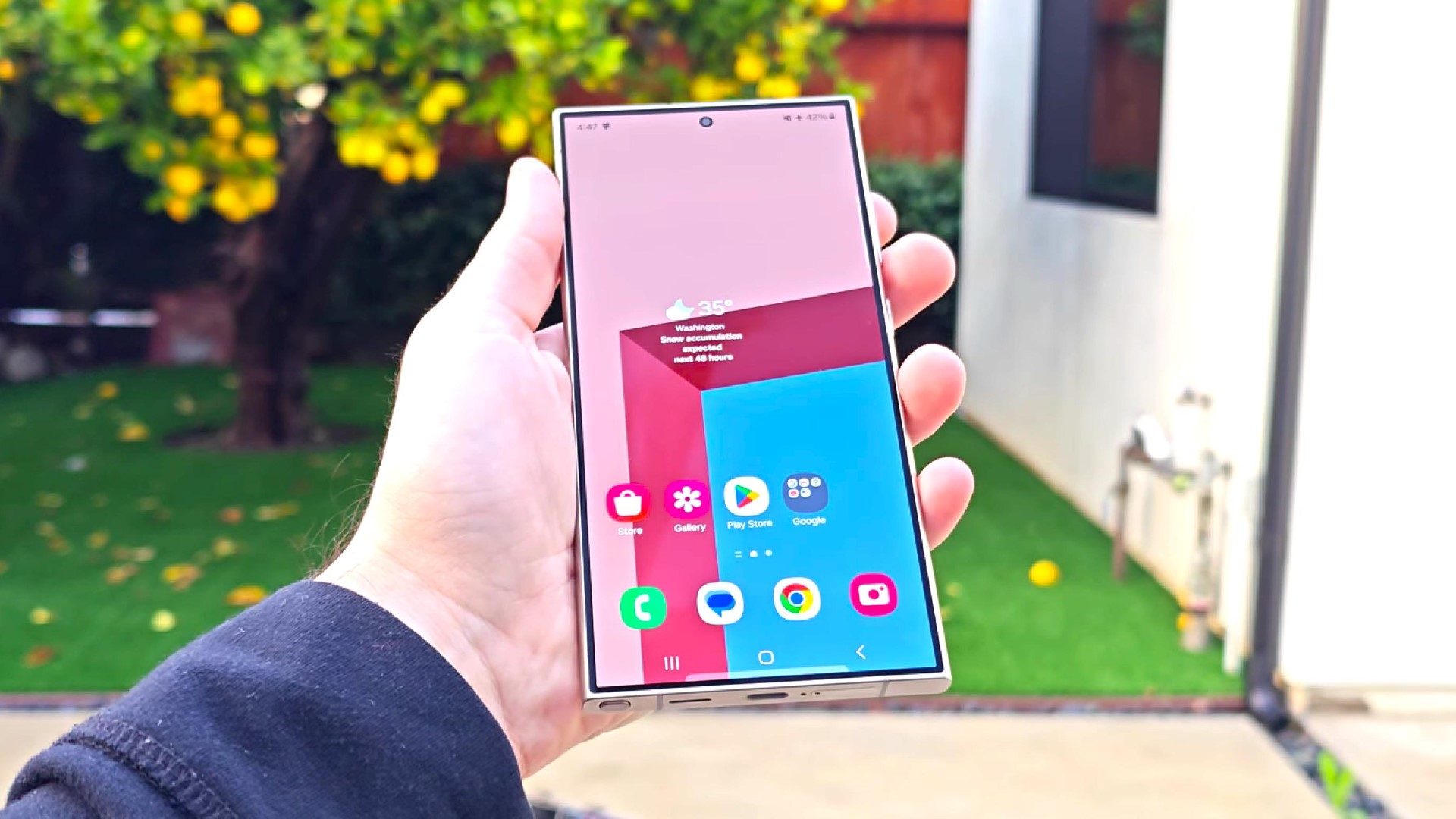
The new Corning Gorilla Armor glass on the Galaxy S24 Ultra, touted for its improved scratch resistance, failed a drop test when the phone's screen cracked on the first waist-high drop against concrete. Despite the glass's scratch durability, the drop test revealed that the screen is susceptible to damage, prompting the recommendation for a screen protector and case for the Galaxy S24 Ultra and its counterparts.
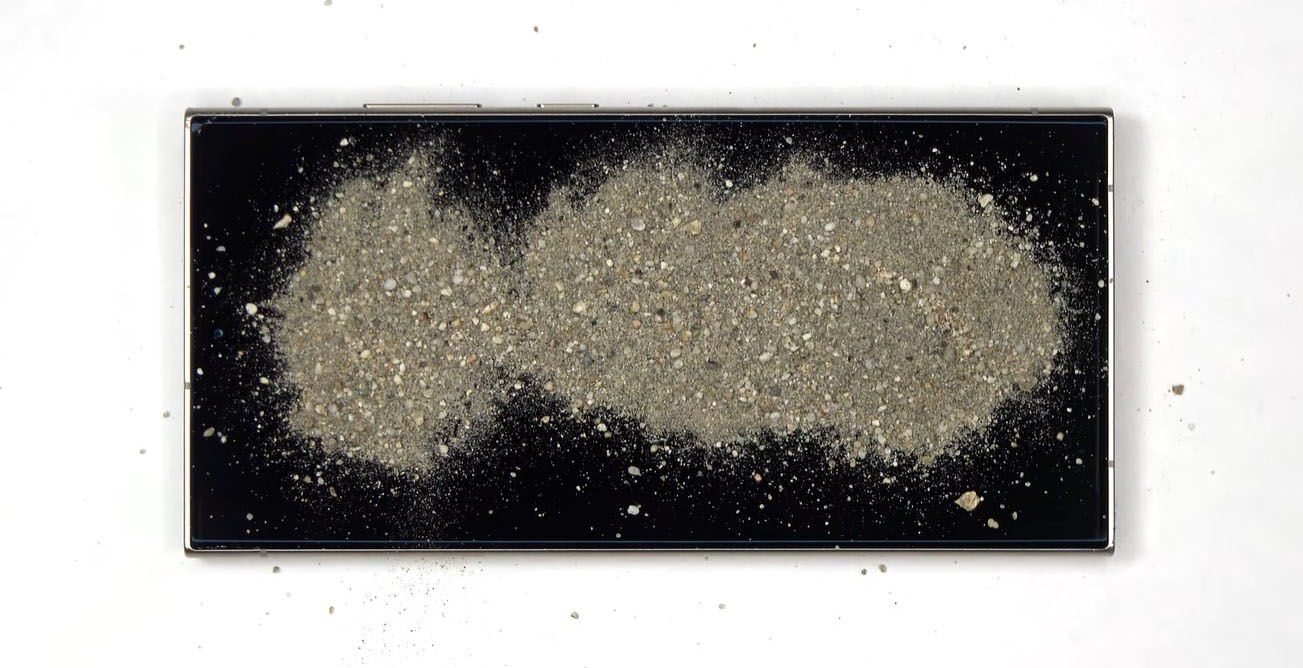
In the first drop and scratch durability test of the Samsung Galaxy S24 Ultra, the Gorilla Glass Armor did not prevent display damage from a hip-height drop onto concrete, consistent with previous models. The new titanium casing also showed vulnerability in further drop tests and when subjected to a grinding machine. While the glass did not scratch when rubbed with sand and small stones, the test's significance is limited without a comparative test under the same conditions.
The Galaxy S24 Ultra's switch to a titanium frame has made it more durable, as showcased in drop and scratch tests by PBKreviews. Despite a small crack after a single drop, the flagship held up well, especially with its titanium rear side. The scratch test with sand left the phone unharmed, highlighting its durability. The YouTuber's fast teardown videos may reveal internal changes, adding to the phone's appeal.
An iPhone survived a 16,000-foot drop from an Alaska Airlines plane that experienced a mid-air fuselage rupture, with the device being found undamaged on the side of the road by a local Portland resident. The National Transportation Safety Board (NTSB) confirmed the story and took possession of the phone. The incident has sparked curiosity about the durability of the iPhone and its case, with the finder expressing interest in the protective case for his own device.
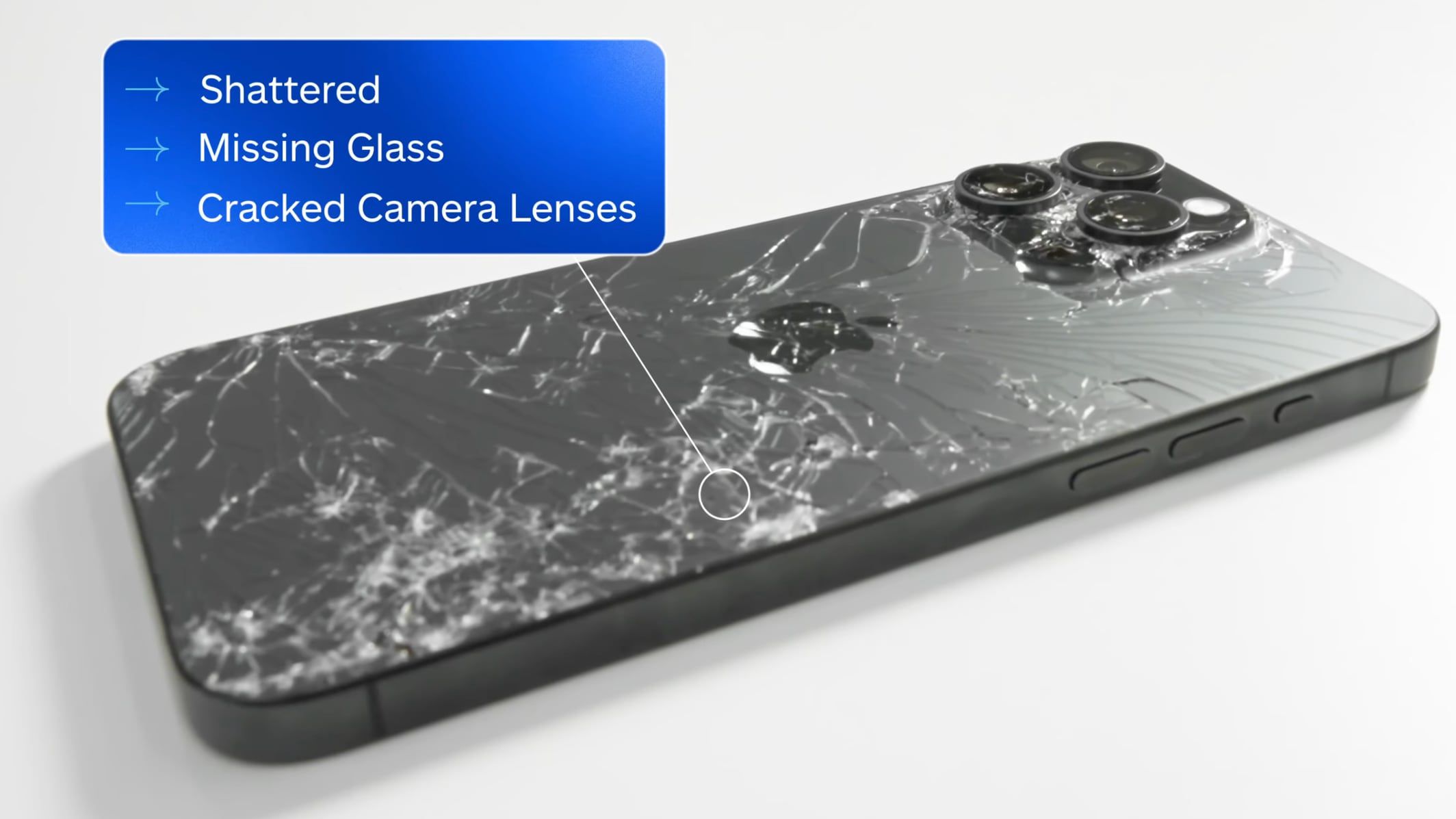
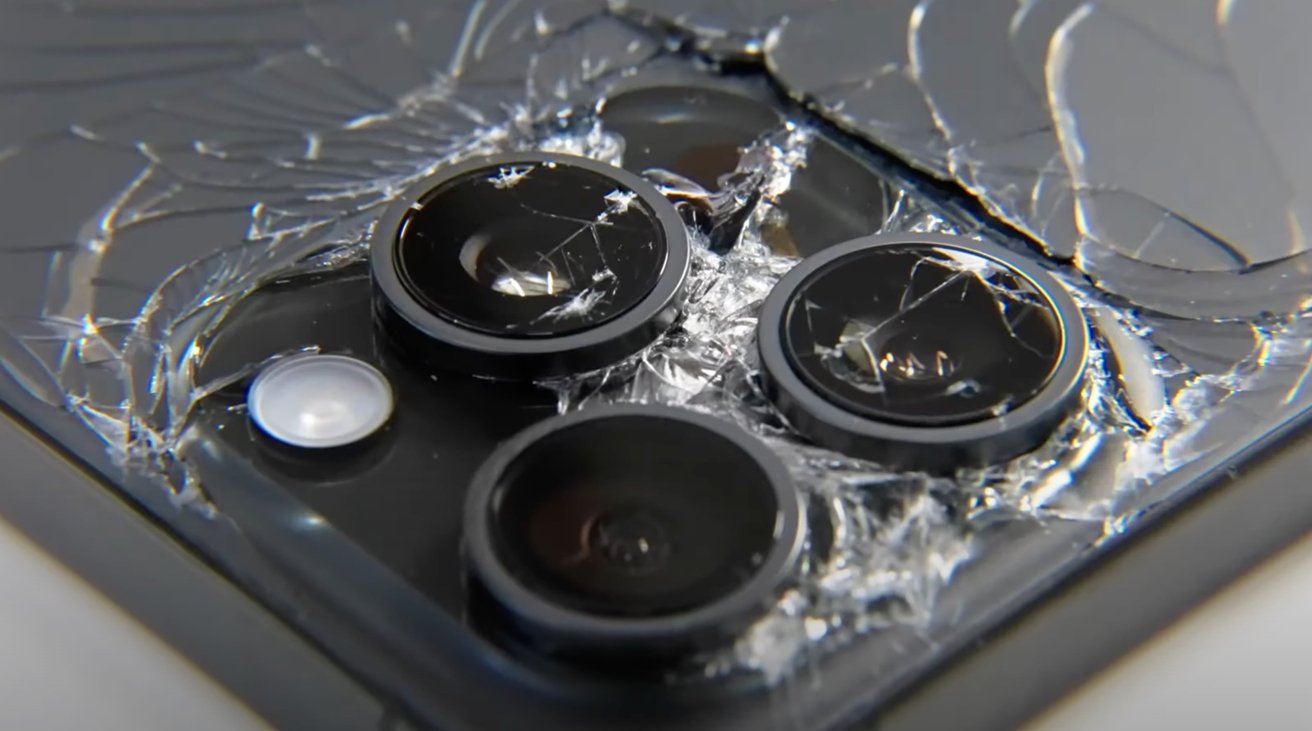
In a breakability test conducted by Allstate Protection Plans, the Galaxy Z Fold 5 outperformed the iPhone 15 Pro Max, surviving two drops with only minor damage compared to the iPhone's shattered screen after a single drop. While both phones had shattered back panels, the iPhone also had damaged camera lenses. The test suggests that Samsung's foldable devices are nearly as durable as traditional smartphones, and Samsung is rumored to use titanium for the construction of its upcoming Galaxy S24 series.
Allstate Protection Plans conducted drop and dunk tests on several high-end smartphones, including the iPhone 15 Pro Max, Galaxy Z Fold5, and Pixel Fold. While the devices performed well in water resistance tests, all of them suffered significant damage when dropped onto concrete sidewalks. The iPhone 15 Pro Max and Galaxy S23 Ultra shattered immediately, while the Z Fold5 and Pixel Fold withstood two screen-down drops with frame damage and scuffing. Despite Apple's glass upgrades, there hasn't been much improvement in smartphone durability, emphasizing the importance of using protective cases and considering insurance options.
A scientific drop test conducted by Allstate Protection Plans compared the durability of the iPhone 15 Pro Max with other premium phones, including the Samsung Galaxy S23 Ultra, Samsung Galaxy Z Fold5, and Google Pixel Fold. All four devices survived a dunk test but experienced varying degrees of damage during drop tests. The iPhone 15 Pro Max and Galaxy S23 Ultra shattered on their first front screen-down drops, while the Fold5 and Pixel Fold survived with minor damage. The back-down drop tests resulted in shattering for the Pro Max and S23 Ultra, while the Fold5 and Pixel Fold had shattered outer screens. The study highlights the misconception among Americans about the cost of smartphone repairs, with 93 million Americans spending $17.4 billion on repairs and replacements in the last year.
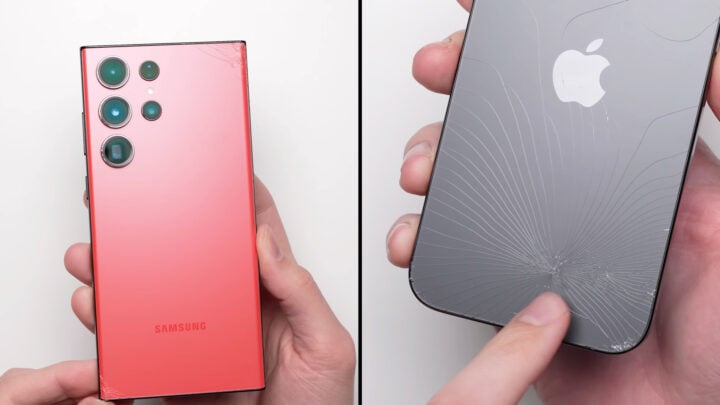
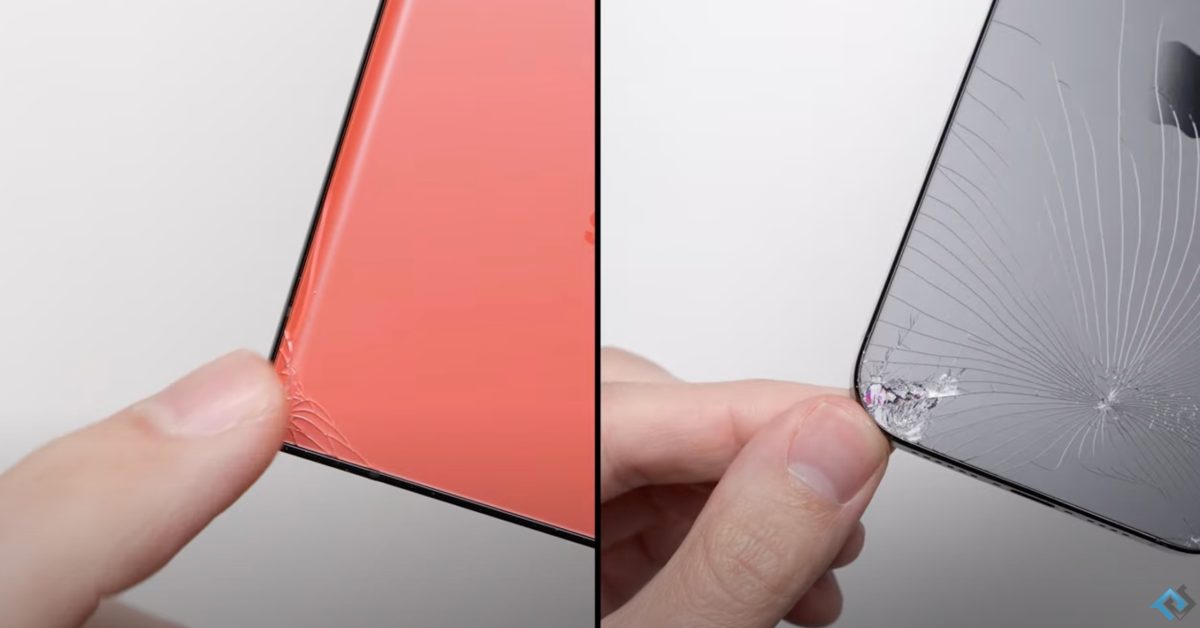
In a drop test comparison, the Galaxy S23 Ultra outperformed the iPhone 15 Pro Max despite the latter's titanium build. The iPhone's back shattered while the Galaxy suffered smaller cracks. The titanium frame of the iPhone remained undamaged, but the rear glass started falling off. Both phones had cracked screens after facing down drops, with the iPhone showing more shattered glass. The Galaxy S23 Ultra won the test, suggesting no significant real-world benefit to Apple's titanium implementation. The rumored Galaxy S24 Ultra with a titanium body may offer improved strength compared to its predecessor.
In a drop test conducted by PhoneBuff, the Samsung Galaxy S23 Ultra outperformed the iPhone 15 Pro Max, sustaining less damage in three out of four rounds. While the iPhone's back and front glass cracked, its titanium frame proved more resilient than the aluminum frame of the S23 Ultra. Both smartphones remained fully operational after the test, but the iPhone 15 Pro Max exhibited more damage than previous models with steel frames.
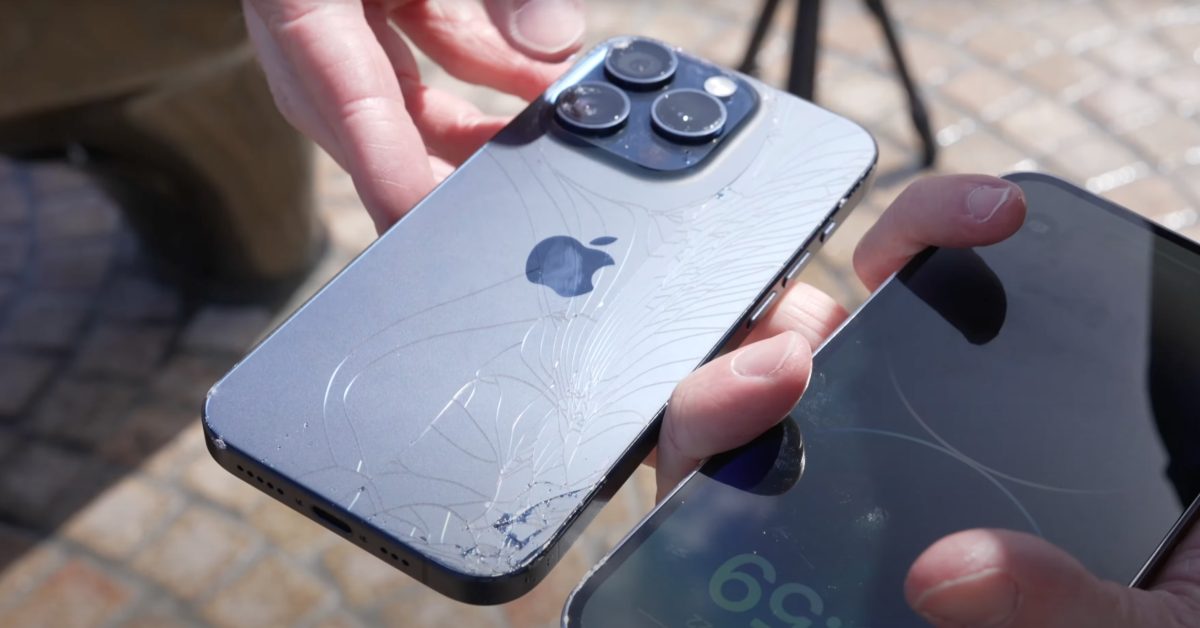
The first drop test of the iPhone 15 Pro suggests that its new rounded edge titanium design is less durable than the iPhone 14 Pro's stainless steel design. The impact on the titanium edges caused spiderweb cracks on the front and back glass, while the stainless steel band of the iPhone 14 Pro absorbed much of the impact. The rigidity of titanium means that any impact is dispersed into other areas of the device. Although the iPhone 15 Pro showed signs of glass cracking and damage after multiple drops, it still held up well overall.