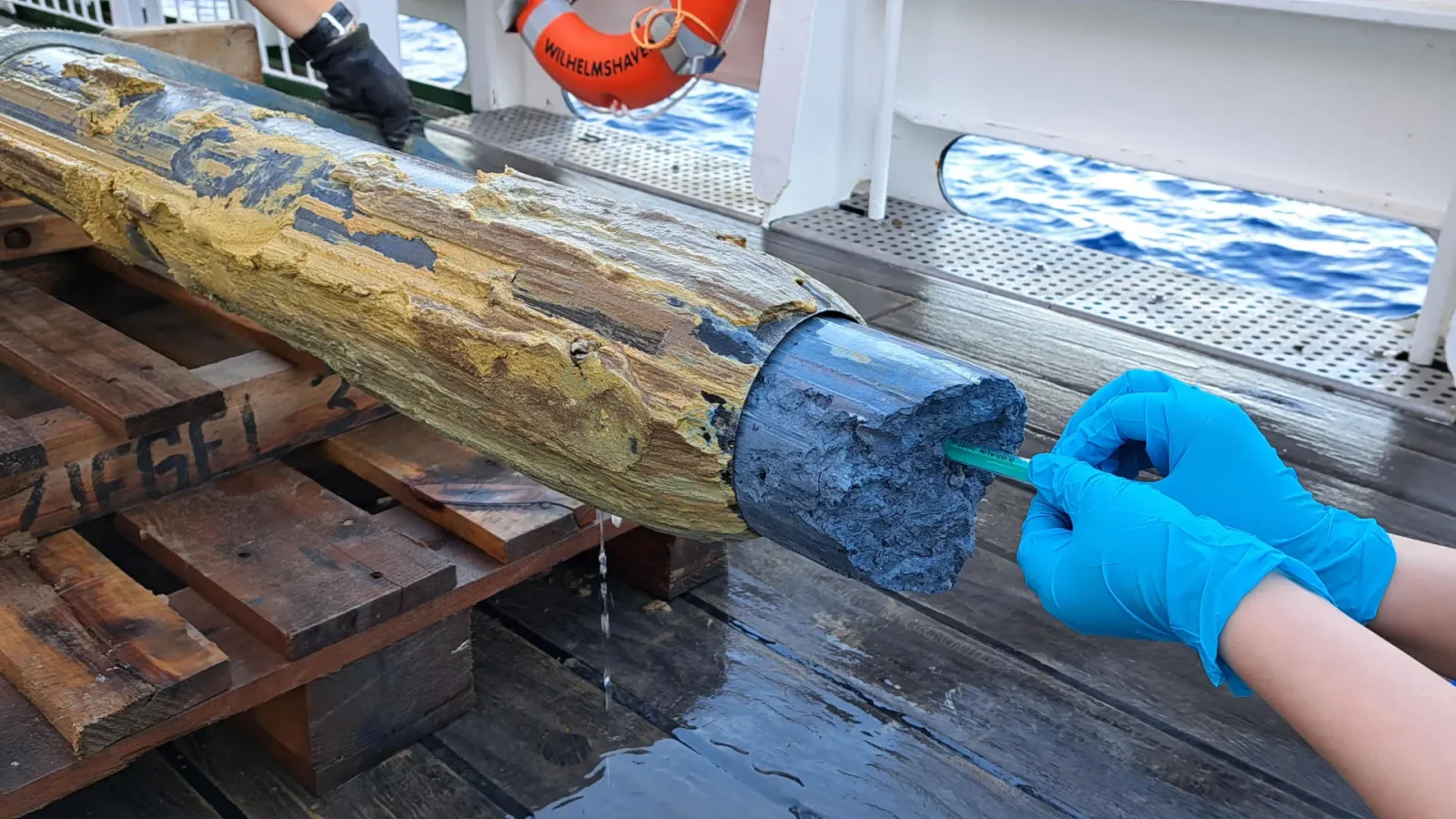
Scientists discovered microbial life in an extremely alkaline underwater environment with pH 12, using lipid biomarkers to study survival strategies of methane- and sulfate-metabolizing microbes, revealing both ancient and modern microbial populations and challenging previous assumptions about life's limits.
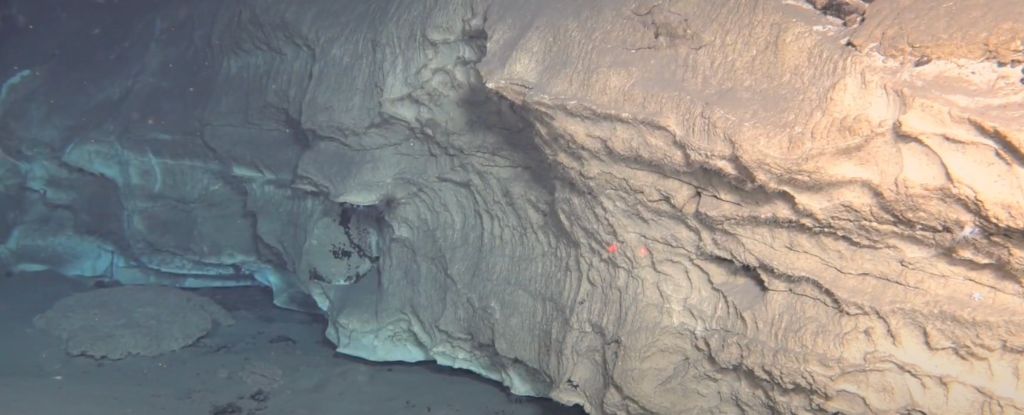
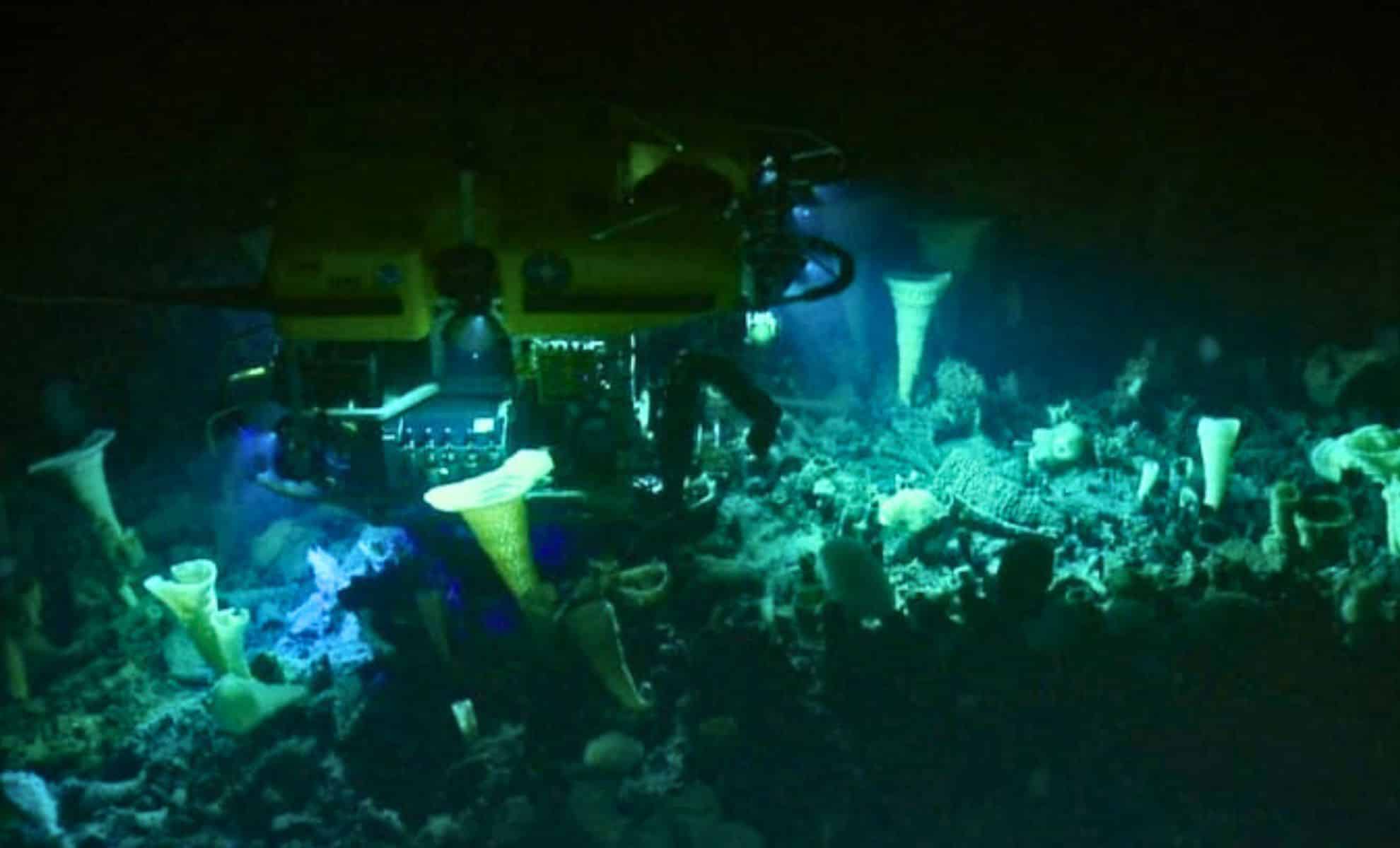
A massive new hydrothermal field called Kunlun has been discovered in the Pacific Ocean, significantly larger than the famous Lost City, with unique geological features and rich hydrogen emissions that could shed light on the origins of life and potential energy sources. The site hosts diverse deep-sea life and challenges previous assumptions about hydrogen generation far from mid-ocean ridges.
Scientists discovered thousands of live, giant eggs of the Pacific white skate at the summit of an active underwater volcano near Vancouver Island, revealing how volcanic heat creates a unique nursery environment that supports deep-sea species' survival and development.
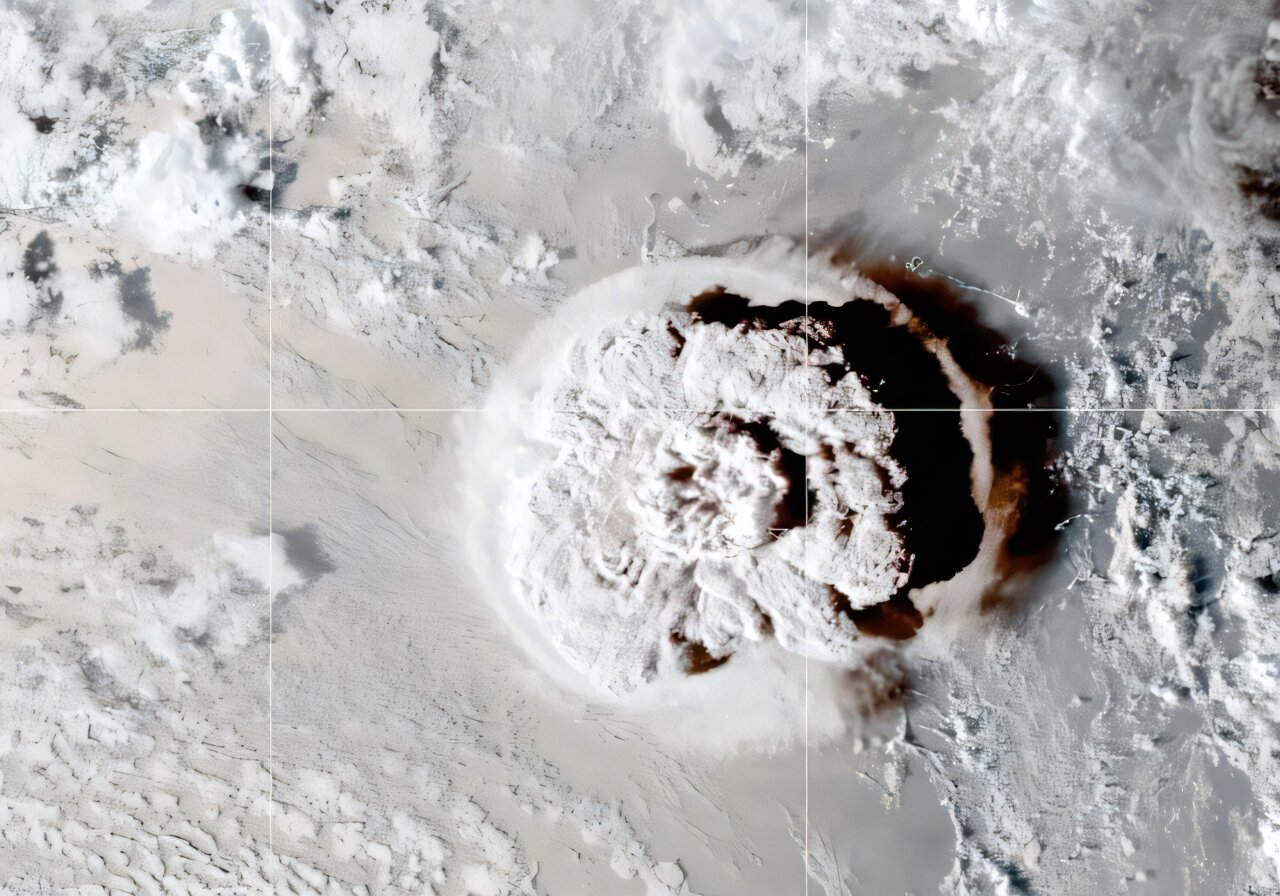
The 2022 eruption of the underwater Hunga volcano released a massive ash plume that settled on the seafloor, suffocating deep-sea organisms and impacting marine ecosystems, with potential implications for future deep-sea mining and ocean health.
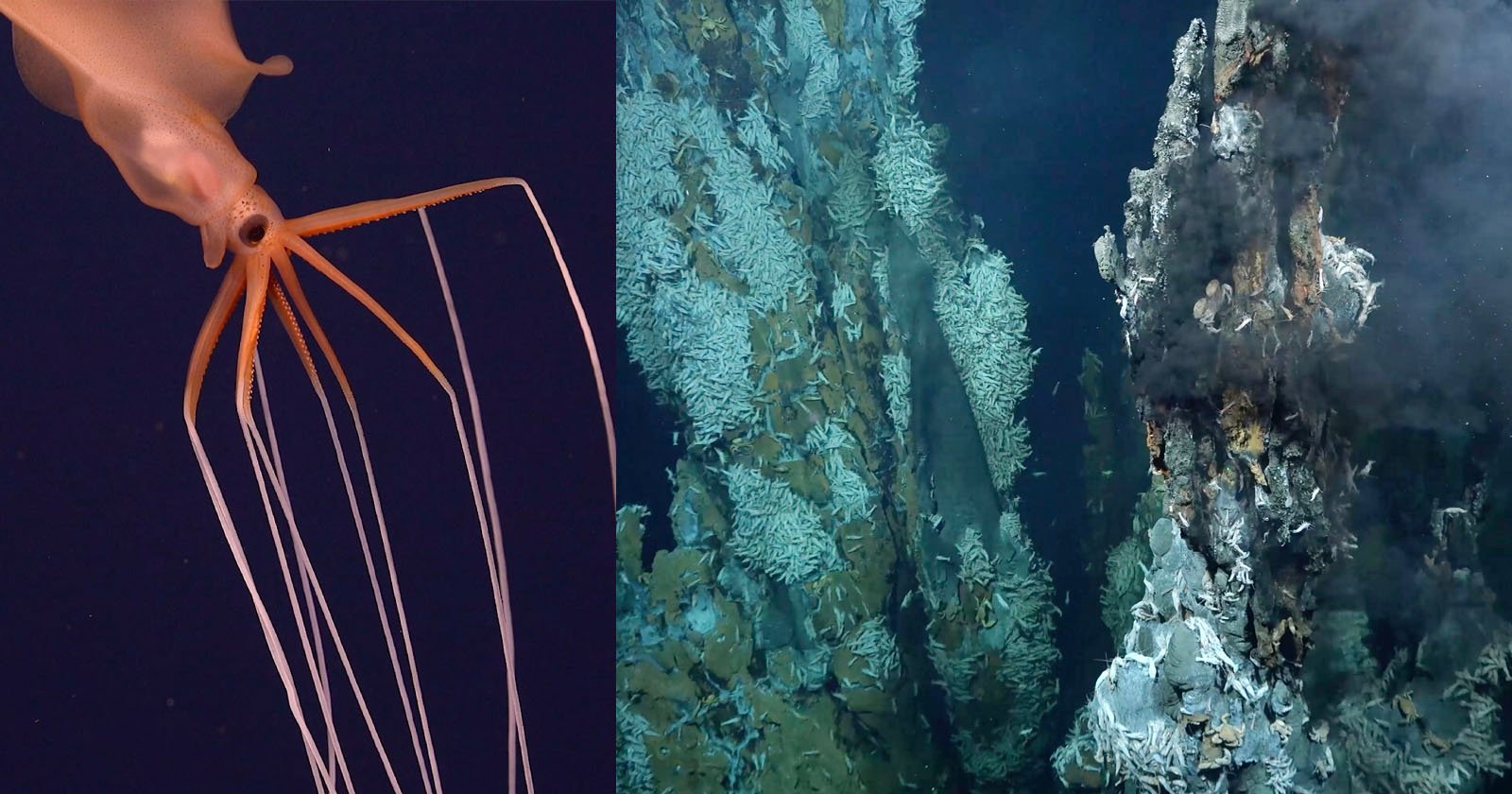
An international team of scientists has discovered three new underwater hydrothermal vents over a 434-mile-long stretch of the Mid-Atlantic Ridge that showcases a fascinating “city” that is teeming with life. Hydrothermal vents are fissures in the seabed that expel geothermally heated water and are most commonly found near volcanically active spots in the ocean. The majority of the species found in vent communities are not found anywhere else, making the unique refuge of life in the deep sea particularly fascinating for scientists to study. The footage and photos of these deep-sea communities were made possible thanks to the advanced imaging systems on the Falkor (too)‘s remote-operated vehicle (ROV) SubBastian.