Ludwig Minelli, the founder of Swiss right-to-die organization Dignitas, has died by assisted suicide at age 92, leaving a legacy of advocating for self-determination and human rights in end-of-life choices. The organization continues his work, emphasizing dignity and legal rights surrounding assisted dying.
Google Pixel Watch supports updates for up to 3 years from its US launch date, with the original Pixel Watch's support ending in October 2025, while newer models have longer support periods extending to 2028.
Windows 10 officially reached its end of support on October 14, 2025, meaning it no longer receives feature updates or general support, though security updates may continue temporarily through Microsoft's ESU program. Users are advised to upgrade to Windows 11, replace their devices, or accept increased security risks, with professional guidance recommended for organizations.
End-of-life workers highlight common misconceptions about death, emphasizing that the physical process is often misunderstood, that family fears about starvation and medication are usually unfounded, and that planning and open conversations about death can improve the experience. They stress that death is a natural part of life, not something to be controlled or feared, and that understanding these realities can help us process grief and approach mortality with more acceptance.
Microsoft has agreed to provide free extended security updates for Windows 10 consumers in the European Economic Area, responding to EU consumer rights groups' concerns about support policies and hardware upgrade burdens, though some issues remain unresolved.
Microsoft will stop supporting Windows 10 in October 2025, but users can delay upgrading by enrolling in the Extended Security Updates program, paying for critical updates until 2026, or backing up data. Upgrading to Windows 11 is recommended if hardware allows, but alternatives like Linux, ChromeOS Flex, or macOS are viable options for those seeking to move away from Windows entirely. It's crucial to plan ahead to avoid security risks after support ends.
Windows 10 will reach its end of support on October 14, 2025, but users can extend its usability by enrolling in the Extended Security Updates program, upgrading to Windows 11 if hardware supports, or creating custom installation media to bypass system requirements for unsupported devices. It's important to back up data before upgrading to avoid data loss and ensure security and compatibility.
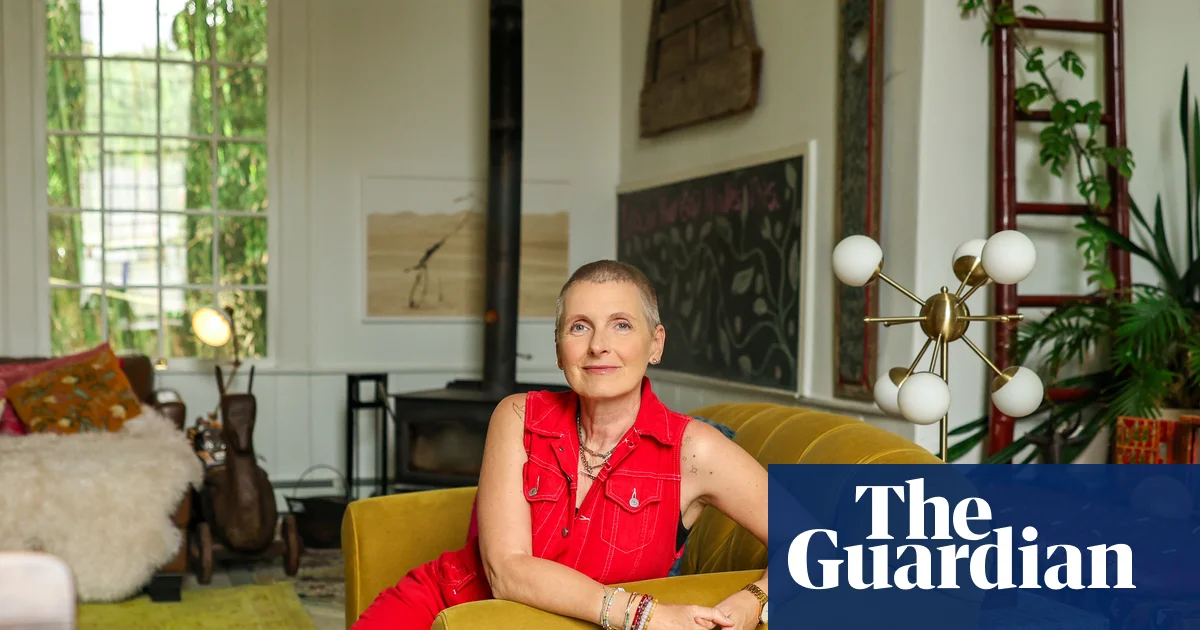
The review criticizes Elizabeth Gilbert's memoir for its self-indulgent and excruciating opening, weak poetry, and focus on her own flaws, but acknowledges her strength in honest self-awareness and compelling storytelling about Rayya Elias's final days.
Anthem, an online multiplayer game by EA and BioWare, will be discontinued in January 2026 as part of its end-of-life process, raising questions about how to handle the closure of online service games.
The article discusses the evolving role of patients in 'patient-centered' care, especially when dealing with terminal illnesses, emphasizing the importance of active participation and understanding in the healthcare team.
British lawmakers approved a bill to legalize assisted dying for terminally ill patients in England and Wales, allowing them to choose to end their lives with medical assistance, marking a significant societal shift despite ongoing debates and opposition from some officials and organizations.
The UK Parliament has approved a bill to legalize assisted dying in England and Wales, marking a significant shift in bodily autonomy laws, with the process expected to take several years to implement, involving strict safeguards and a lengthy approval process, amid polarized public opinion and ongoing debates about ethics and safety.
British lawmakers have approved a bill to legalize medically assisted dying for terminally ill adults in England and Wales, moving closer to becoming law after a narrow vote in Parliament. The legislation, which requires approval from two doctors and a panel, aims to provide terminally ill patients with more control over their end-of-life choices, though it faces opposition over safety concerns and potential vulnerabilities. The bill now proceeds to the House of Lords, with implementation expected to take up to four years.
A 76-year-old woman with metastatic Ewing's sarcoma shares her reflections on facing death, emphasizing acceptance, the importance of support networks, following scientific updates, and maintaining hope and quality of life despite grim prognosis.
Barbara Goodfriend, an 83-year-old woman diagnosed with ALS, chose to end her life through Medical Aid In Dying in New Jersey, citing a desire to avoid suffering and die with dignity. The law allows terminally ill residents to self-administer prescribed drugs to peacefully end their lives, a choice she made after discussing her decision with family and her doctor. Her case highlights ongoing debates over assisted dying laws in the U.S.