Tag

Astronomical Data

All articles tagged with #astronomical data

"Fueling Black Holes: The Role of Cold Gas and Machine Learning"
astronomy2 years ago

"Fueling Black Holes: The Role of Cold Gas and Machine Learning"

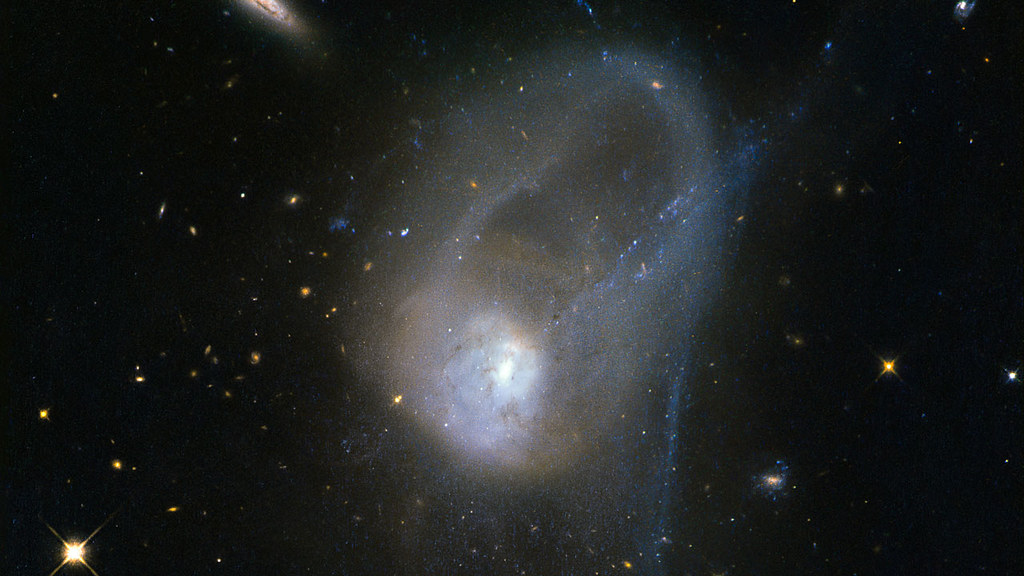
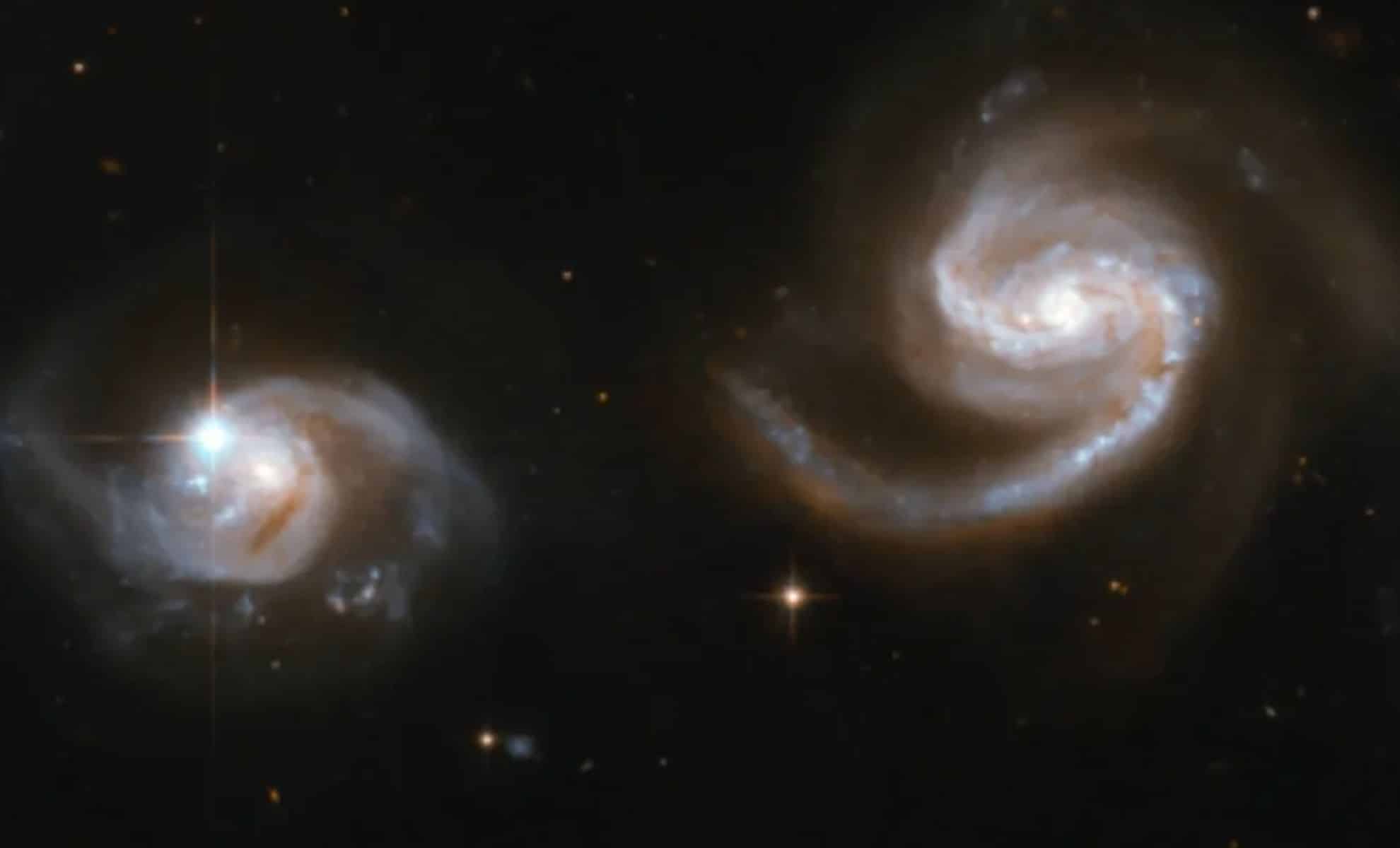
Astronomers are using machine learning to identify black hole mergers in early galaxies, with a study showing that software trained by experts can achieve over 80% accuracy in identifying active black holes. The research revealed that the growth of supermassive black holes is linked to the presence of large quantities of nearby cold gas, rather than galactic mergers, indicating a connection between the growth of galaxies and their black holes. As astronomical data collection continues to grow, the combination of skilled observers and software will be essential for effective analysis.

"Stunning Wide-Angle View of Orion Nebula Unveiled in ESASky"
science-and-exploration2 years ago

"Stunning Wide-Angle View of Orion Nebula Unveiled in ESASky"

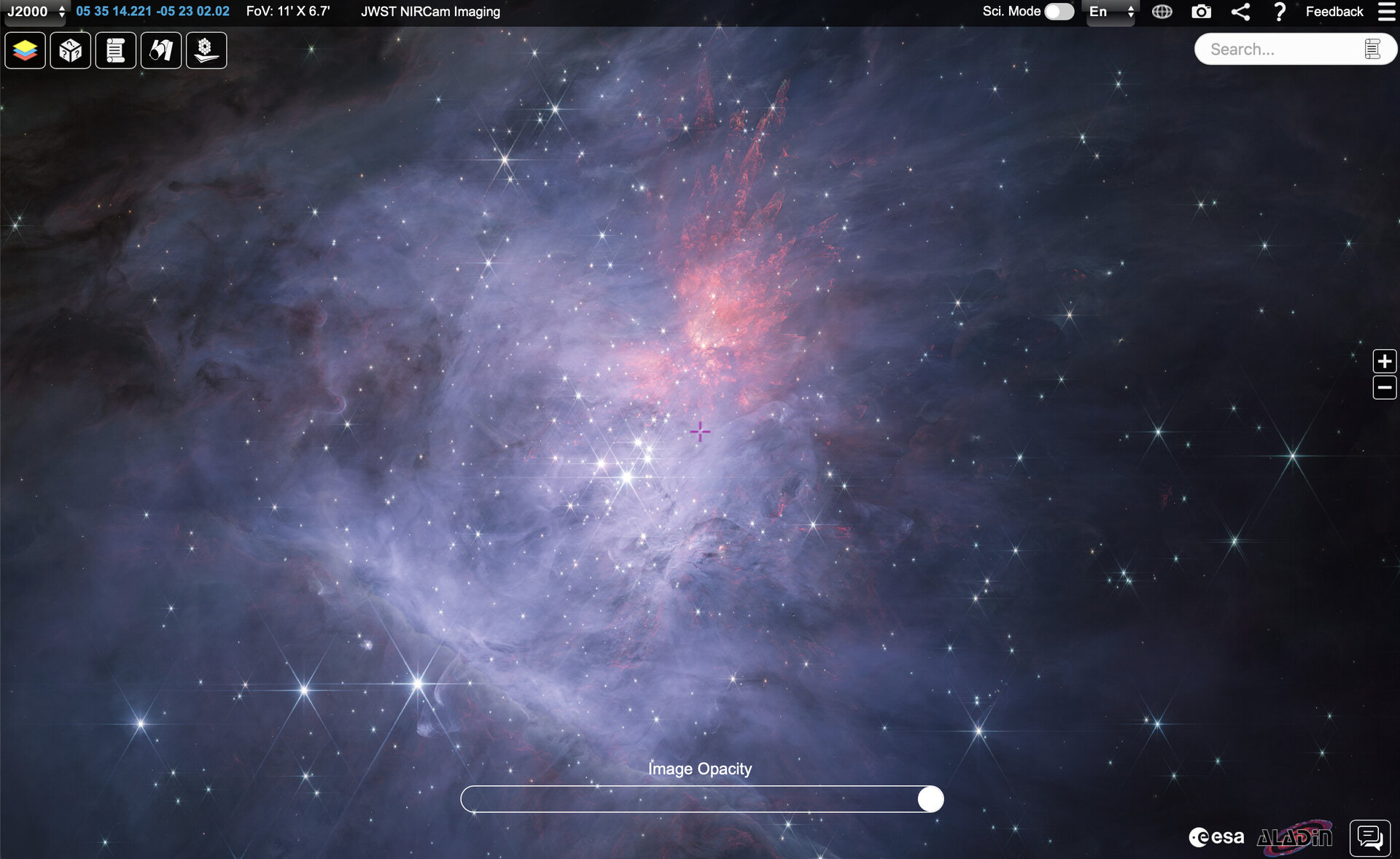
New images of the Orion Nebula taken by the James Webb Space Telescope have been added to ESA's ESASky application, allowing users to visualize and download astronomical data. The images, obtained with Webb's near-infrared camera, showcase the diverse phenomena and objects within the nebula, including young stars, protostars, planet-forming disks, and photodissociation regions. The high-resolution mosaics provide detailed views of discs, outflows, and the intricate network of dust and organic compounds. The data was obtained as part of the Webb Cycle One program.

Astronomers seek solution to satellite photobombing in space images.
astronomy2 years ago

Astronomers seek solution to satellite photobombing in space images.

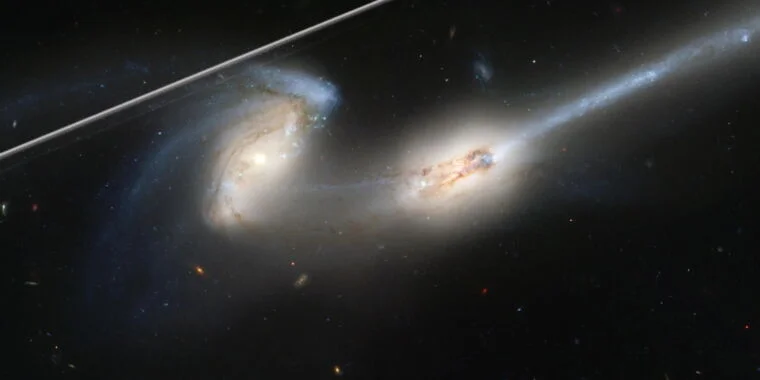
Satellites are leaving scratch marks on space photos and hindering astronomers' work. The rate of satellite trails is doubling, and they threaten to transform the night sky and affect how astronomy can be done. Astronomers have developed new software called Median Radon Transform that is five to 10 times more sensitive at finding trails than previous software and then masking them out. However, this fix is designed for Hubble, which is less plagued by satellite streaks than observatories on the ground.