Tag

Galactic Collisions

All articles tagged with #galactic collisions

astronomy2 years ago

Unveiling the Enigma of Early Galaxies: Webb Telescope's Revelation

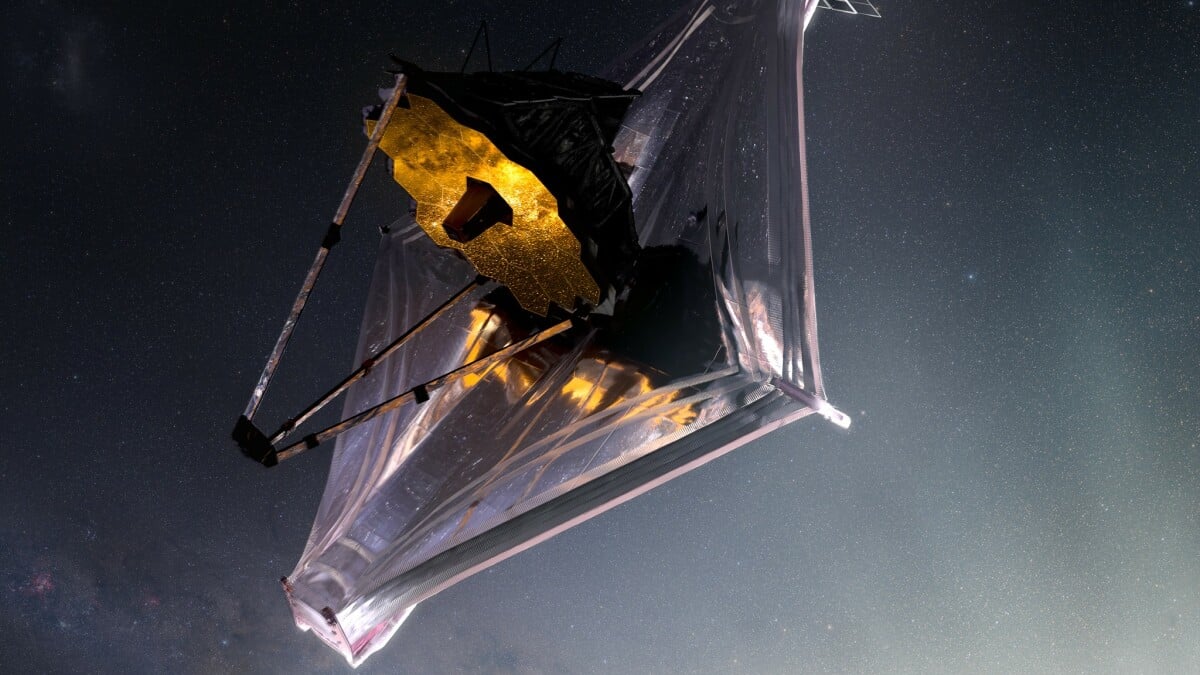
The James Webb Space Telescope has unraveled a cosmic mystery by revealing that the inexplicable light previously observed from early galaxies is actually emitted by groups of galaxies colliding and merging with one another, creating an active cosmic environment that allows the light to escape into space. This discovery challenges previous hypotheses and provides new insights into the formation of early galaxies. Equipped with a powerful mirror and infrared view, the Webb telescope is poised to revolutionize our understanding of the early universe and distant exoplanets.
astronomy2 years ago

Unveiling the Mystery: The Rarity of Spiral Galaxies in the Universe

Astronomers have discovered why spiral galaxies like the Milky Way are rare in our cosmic neighborhood. Supercomputer simulations revealed that frequent galactic collisions in the Supergalactic Plane, a billion light-year-wide sheet where large galaxy clusters are located, transformed spiral galaxies into elliptical galaxies. These collisions shattered the delicate spiral arms and pushed more matter into the supermassive black holes at their centers, making them even bigger. Spiral galaxies located away from the plane, however, were mostly spared from these collisions, allowing them to preserve their structures.

astronomy2 years ago

Unraveling the Milky Way's Mysterious Warp: Harvard Astronomers Shed Light on Dark Matter and Galactic Collisions

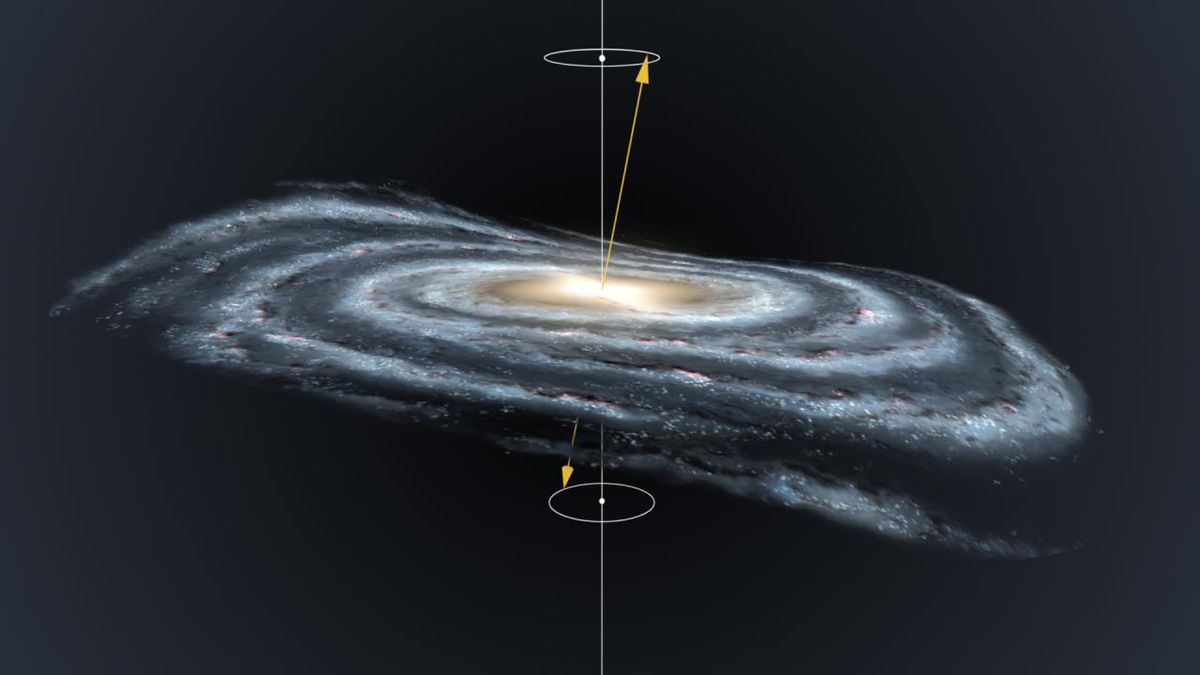
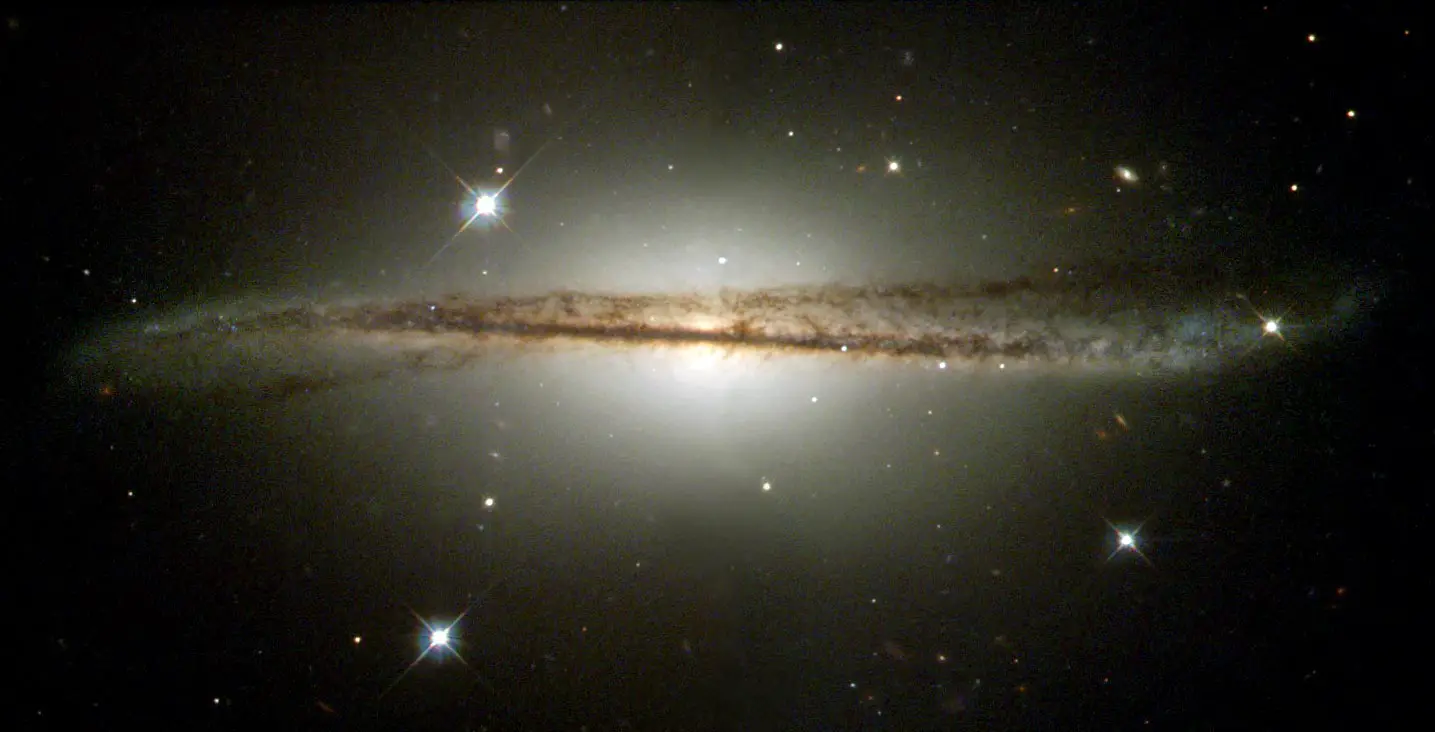
Harvard astronomers have provided the first calculations explaining the warped shape of the Milky Way, attributing it to an irregular dark matter halo. Their findings support the hypothesis of a past galactic collision and offer insights into the nature of dark matter. The study suggests that the tilt of the dark matter halo provides an elegant explanation for the wobbly disk of the galaxy. The research may also provide clues about the properties and particle nature of dark matter, contributing to a better understanding of the universe's most abundant but unobservable component.

astronomy2 years ago

Unraveling the Enigma: Decoding the Deep Space Question Mark

The James Webb Space Telescope captured an image of a cosmic formation in the shape of a question mark, sparking intrigue among astronomers. The formation, speculated to be the chance alignment view of colliding galaxies, steals the spotlight from the intended stars of the photograph, Herbig-Haro 46 and 47. While there is no actual space question mark, the objects forming the shape are being viewed at the right angle to create a familiar form. The James Webb Space Telescope continues to provide detailed images of celestial formations, allowing for exciting discoveries and a deeper connection between human experience and the beauty of the universe.

astronomy2 years ago

Unraveling the Mystery of the Universe's Mightiest Black Holes and Their Galactic Impact.

Scientists have discovered that quasars, energetic objects powered by supermassive black holes, form when galaxies collide and merge. The gas needed to fuel quasars tends to orbit on the outskirts of galaxies, so there must be some delivery service moving gas toward the hearts of galaxies. The researchers discovered the presence of distorted structures at the edges of the quasar-hosting galaxies, indicating a past or ongoing collision and merger with another galaxy. The findings indicate that the Milky Way could host a quasar of its own when it collides with the neighboring Andromeda galaxy several billion years from now.

science2 years ago

Runaway black hole leaves trail of stars in its wake, say astronomers.

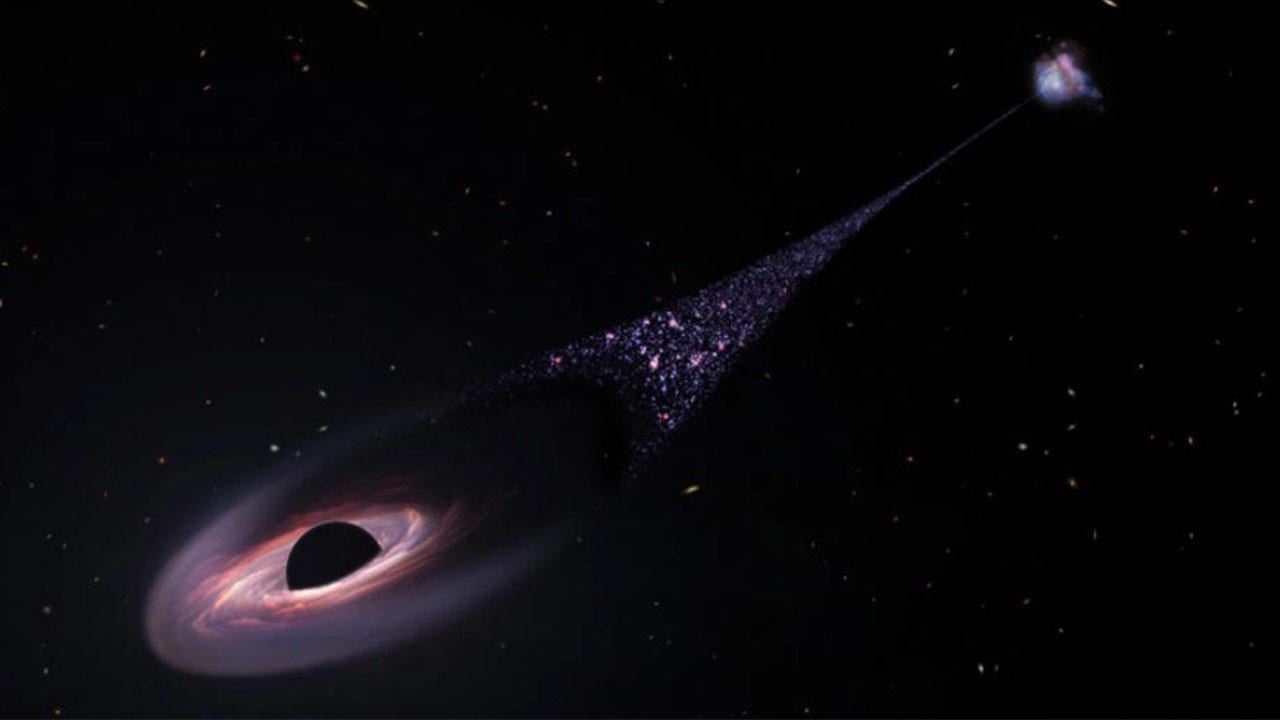
NASA's Hubble Space Telescope has captured images of a "runaway" black hole traveling through space, leaving behind a trail of newborn stars. The black hole is moving so fast that it could travel from Earth to the Moon in 14 minutes. The phenomenon is likely the result of galactic collisions among three massive black holes. The trail of stars left behind is approximately twice the diameter of the Milky Way. The team's findings were published in The Astrophysical Journal Letters on April 6.

astronomy2 years ago

NASA warns of unprecedented runaway supermassive black hole tearing through the universe.

NASA's Hubble Space Telescope has captured a rare and bizarre cosmic event involving three massive black holes, leading to the discovery of a supermassive black hole moving at incredible speeds, leaving a 200,000-light-year-long trail of newborn stars in its wake. The event is likely the outcome of multiple collisions among supermassive black holes, leaving astronomers eager to investigate further with the James Webb Space Telescope and the Chandra X-ray Observatory.

astronomy2 years ago

"Collision Course: Massive Black Holes and Galaxies on the Move"

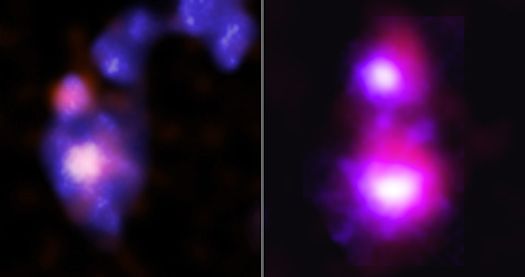
Two pairs of gigantic black holes, each in a different dwarf galaxy, are speeding towards each other, and they're set for two separate, never-before-seen collisions. Astronomers used NASA's Chandra X-ray Observatory to spot the four dwarf galaxy black holes racing towards each other, dragging an enormous train of gas and stars in their wake. They are set to collide and merge to form even larger galaxies, and studying them as they approach each other could help astronomers understand how the cosmic monsters lurking across the universe came to grow so large.