A turning point in space: 2026 blends cosmic mapping with lunar ambitions
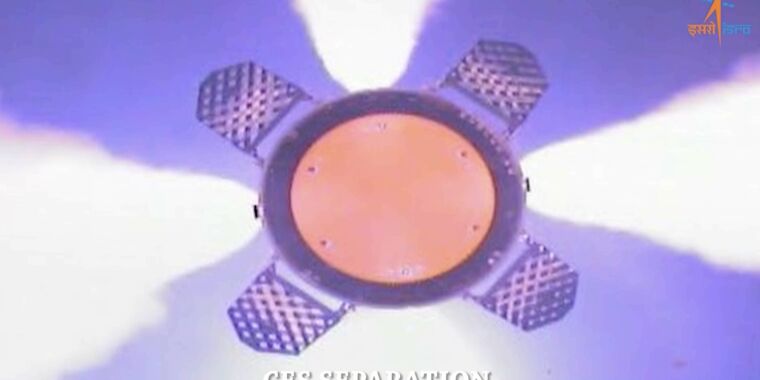
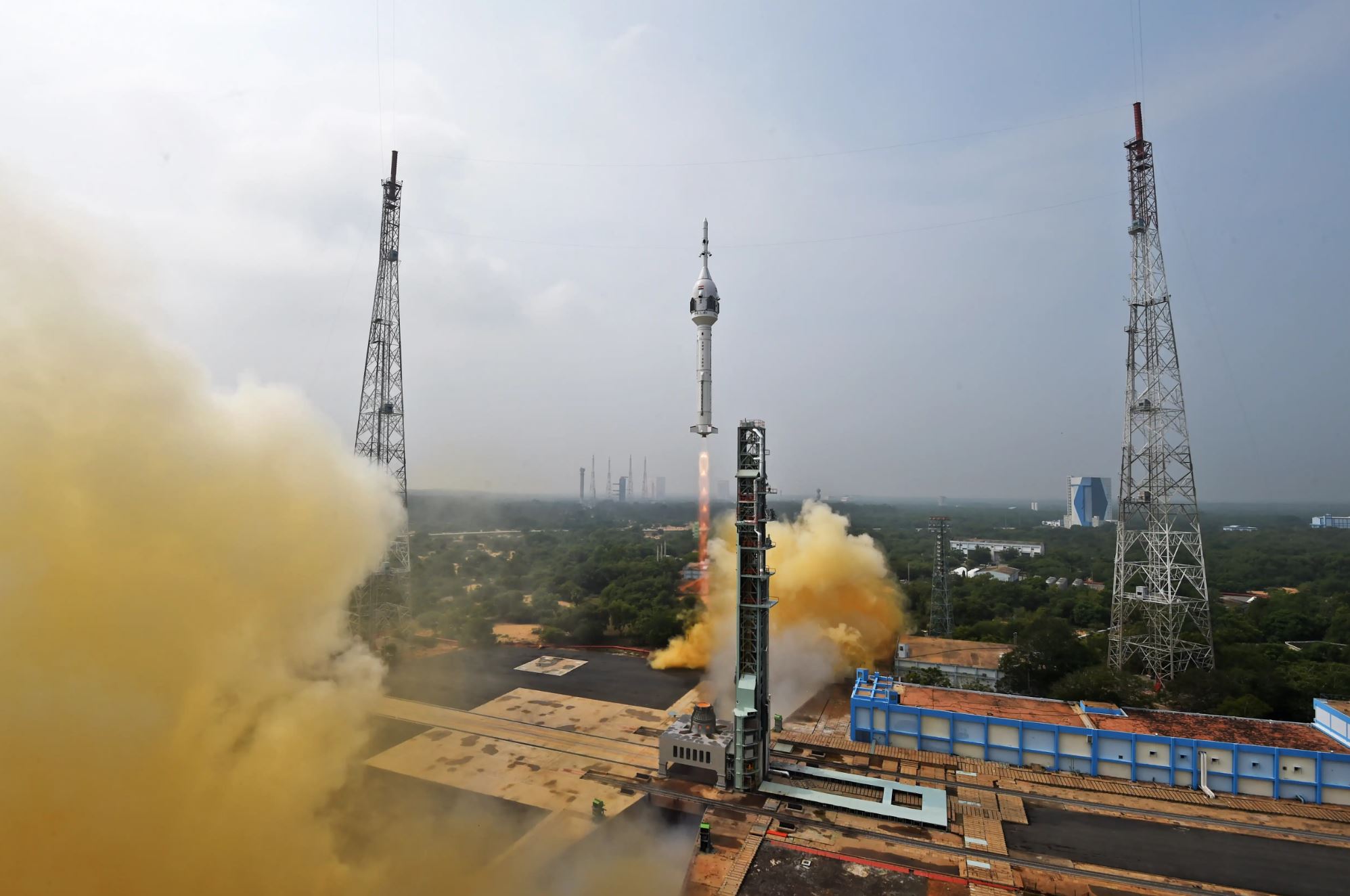
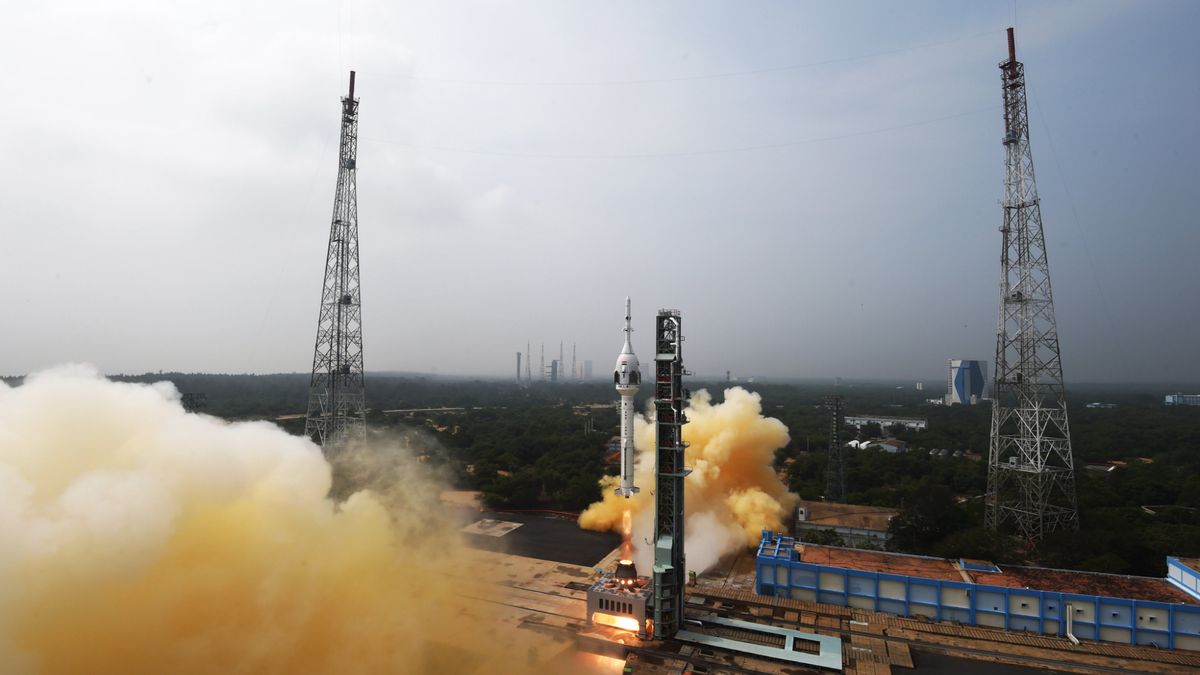
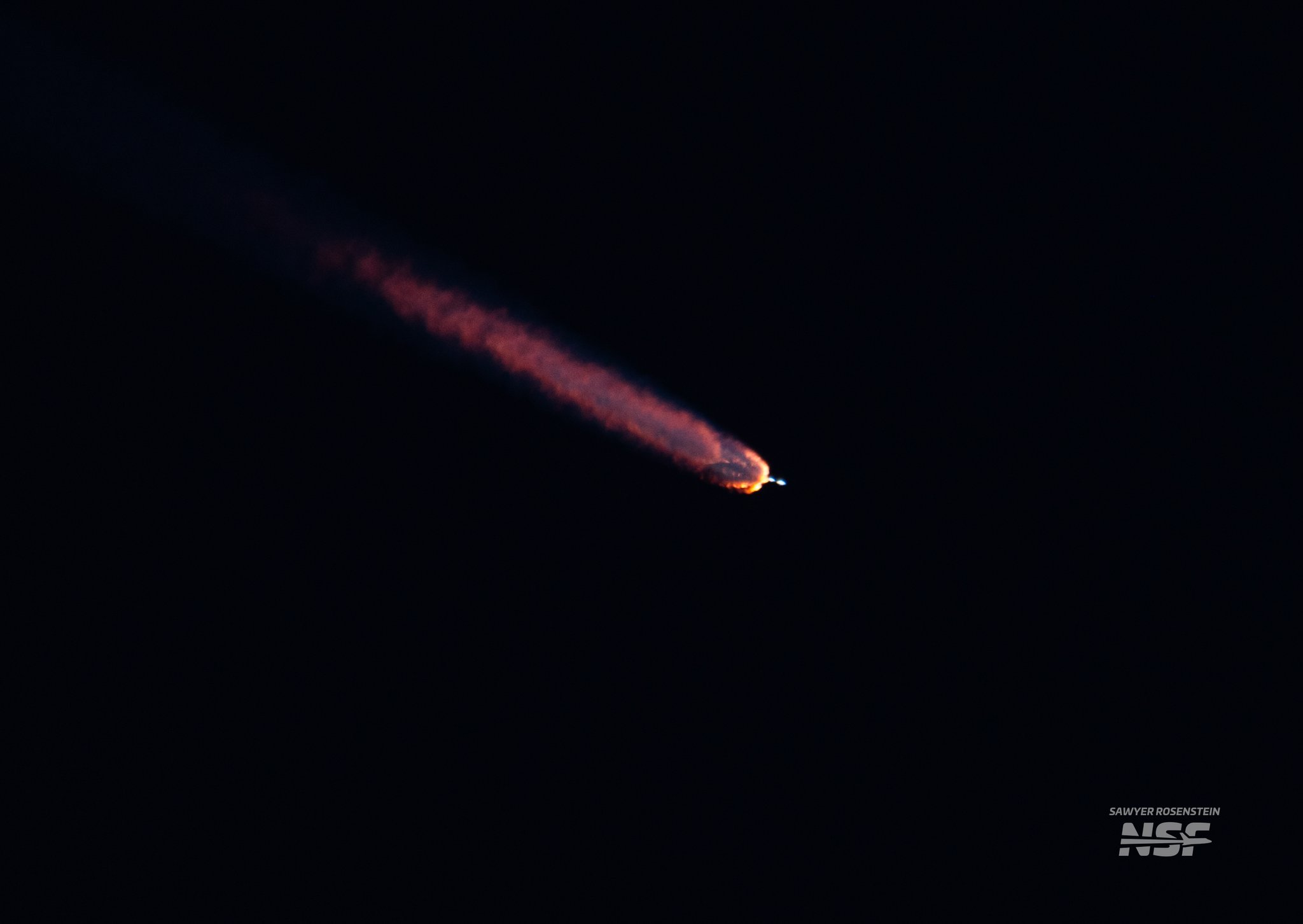
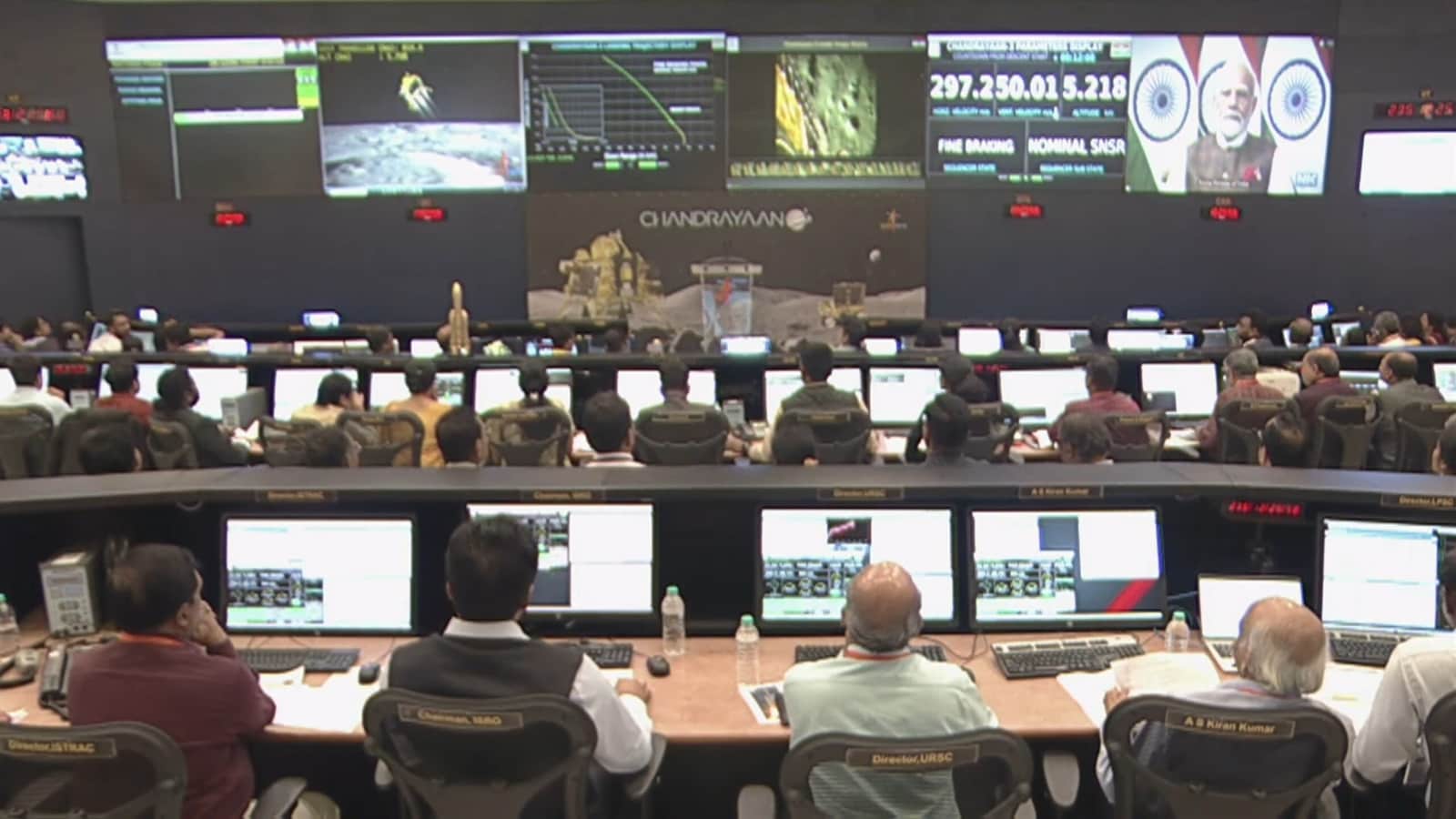
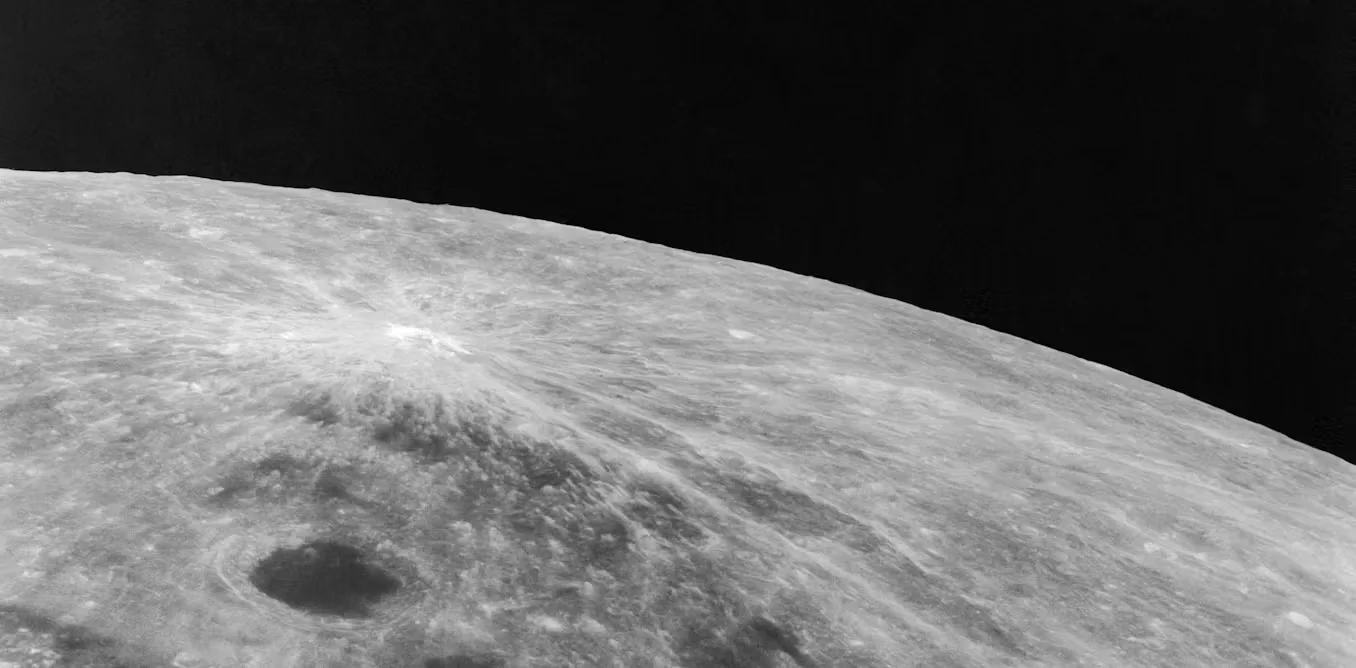
2026 is poised to reshape space exploration: NASA plans Artemis II to circle the Moon, India presses ahead with the Gaganyaan program and China expands its crewed missions, while flagship telescopes like NASA’s Roman Space Telescope, ESA’s PLATO and China’s Xuntian, plus the Vera Rubin Observatory on the ground, aim to map the cosmos and probe dark matter and dark energy. International cooperation continues even as competition heats up, with joint efforts such as SMILE illustrating a shared drive to understand the Moon’s origins, lunar water resources, and the broader evolution of the solar system.