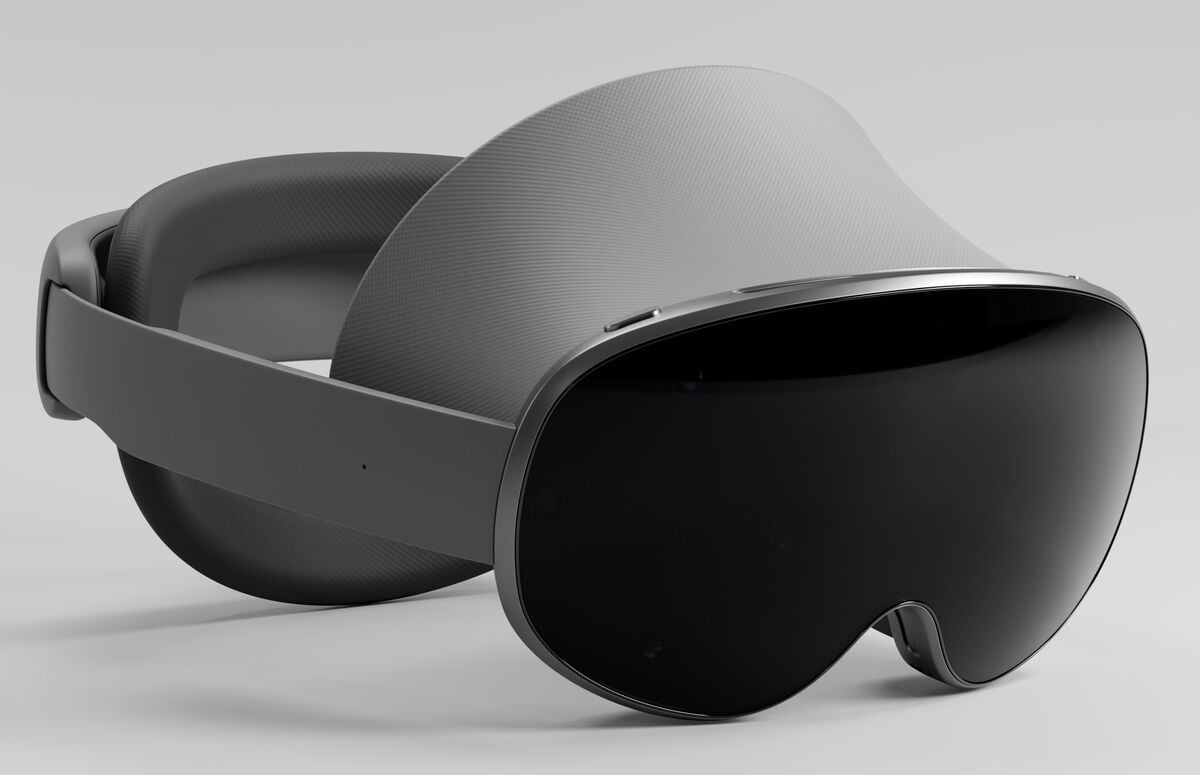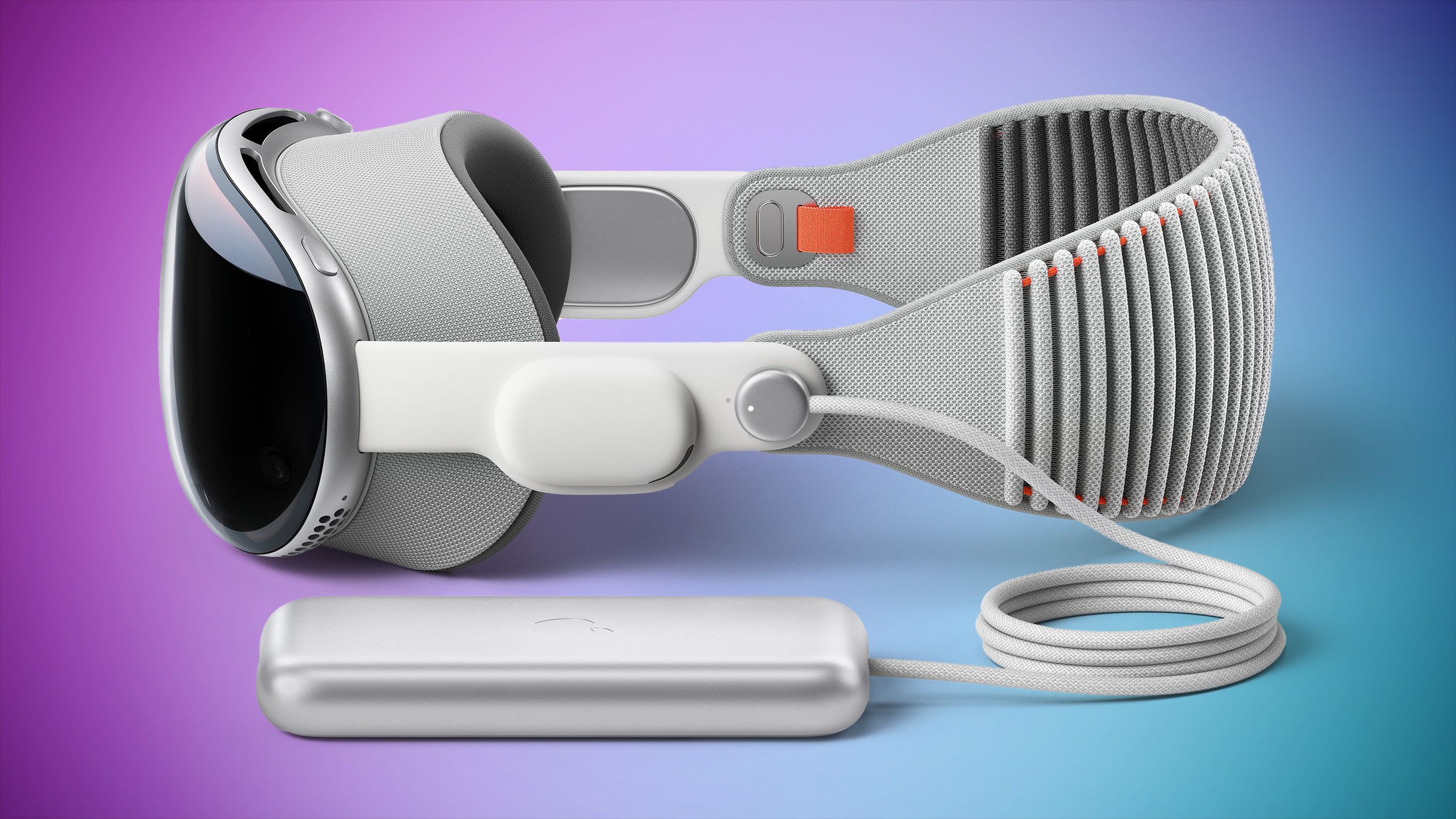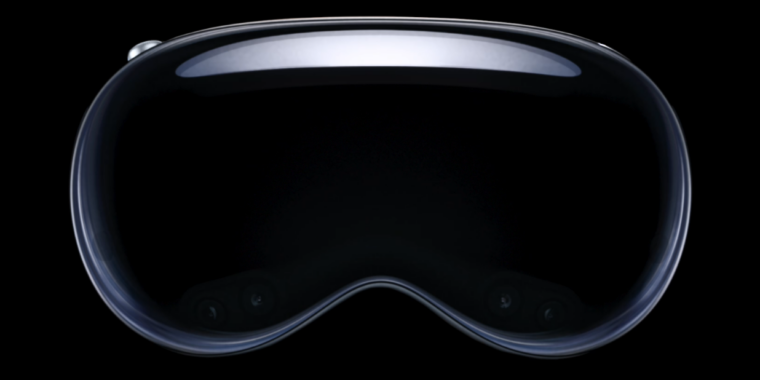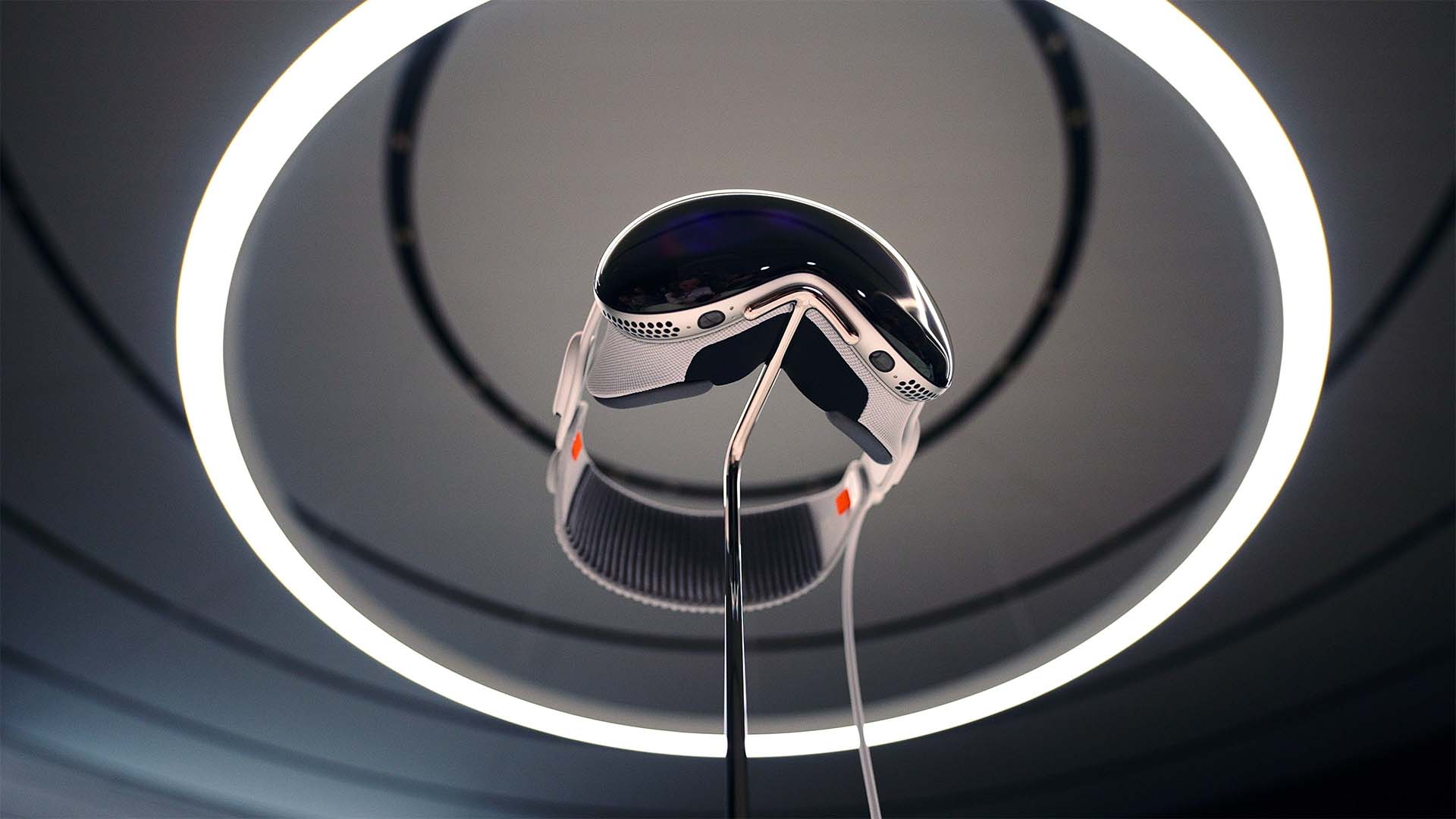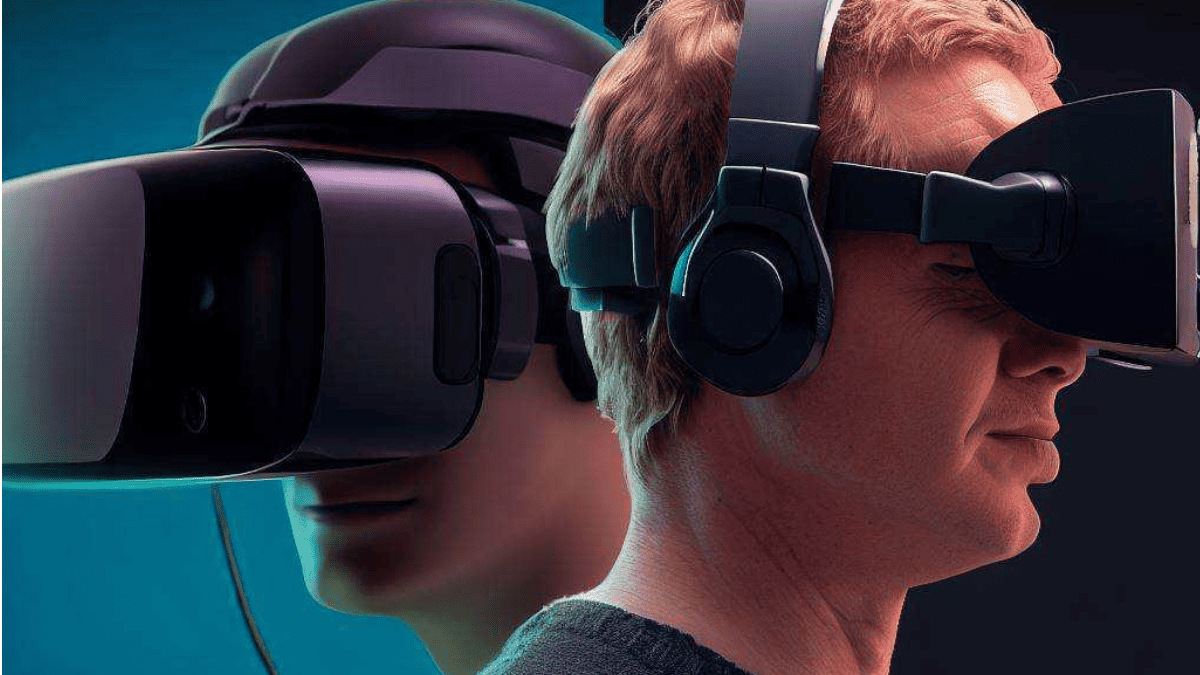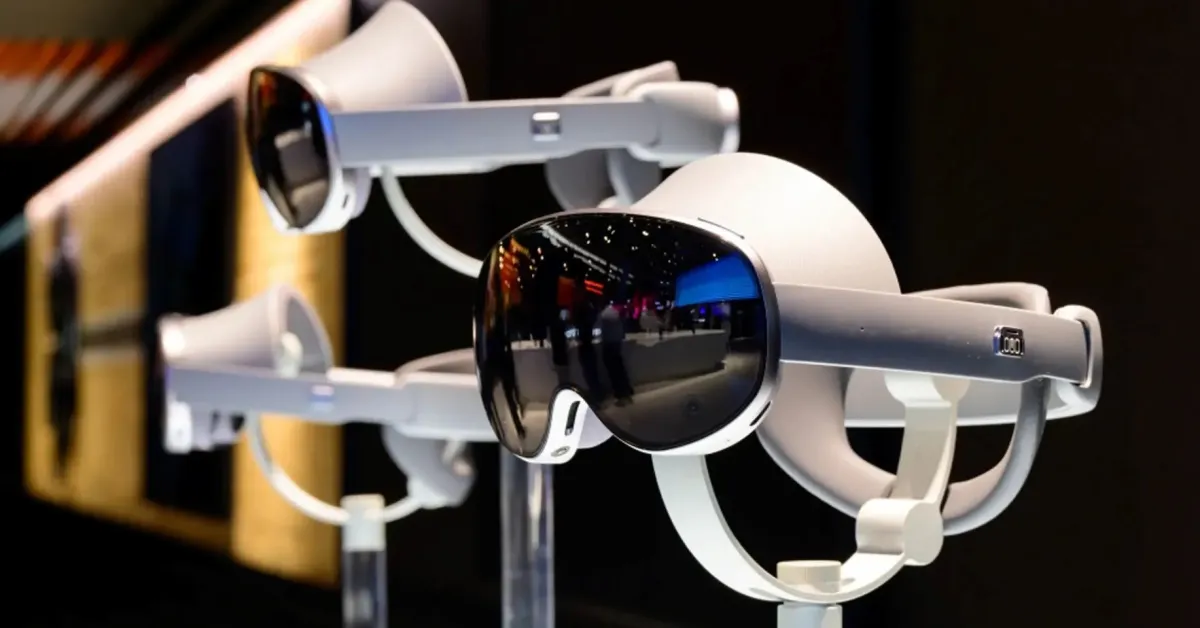
Samsung is set to unveil its Vision Pro competitor, Project Moohan, which features advanced AI capabilities like multimodal Gemini, offering a significant upgrade over Apple’s Vision Pro. Key details such as the device's final name, features, release date, and price are still unknown, but the launch promises to introduce a competitive AR headset with innovative AI integration that could influence the market.
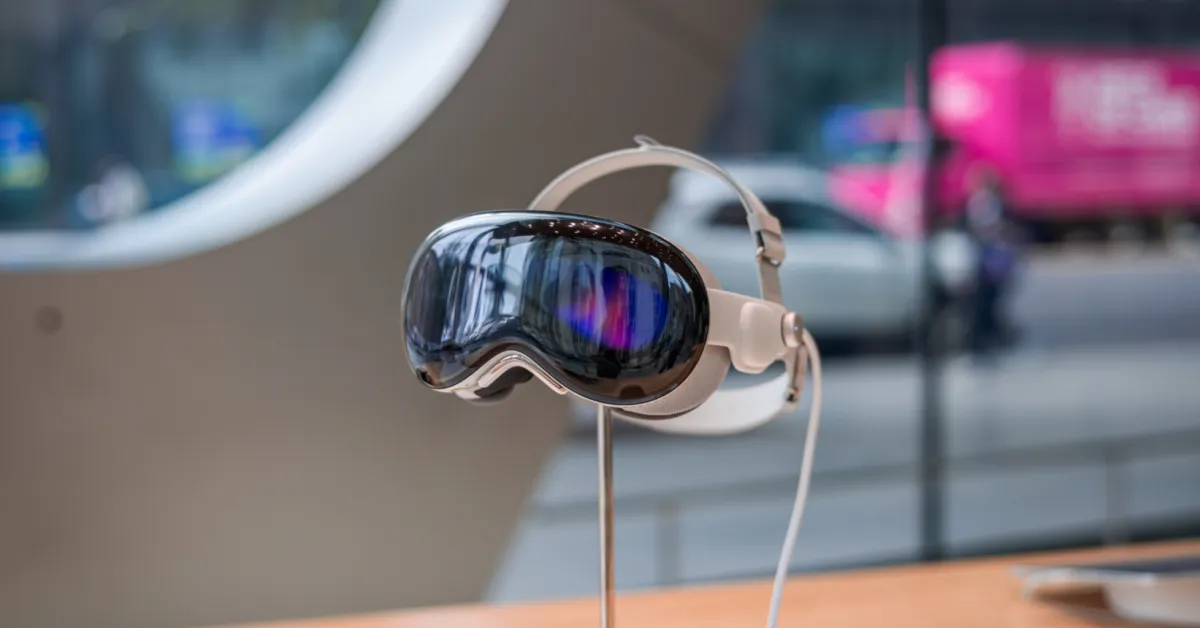
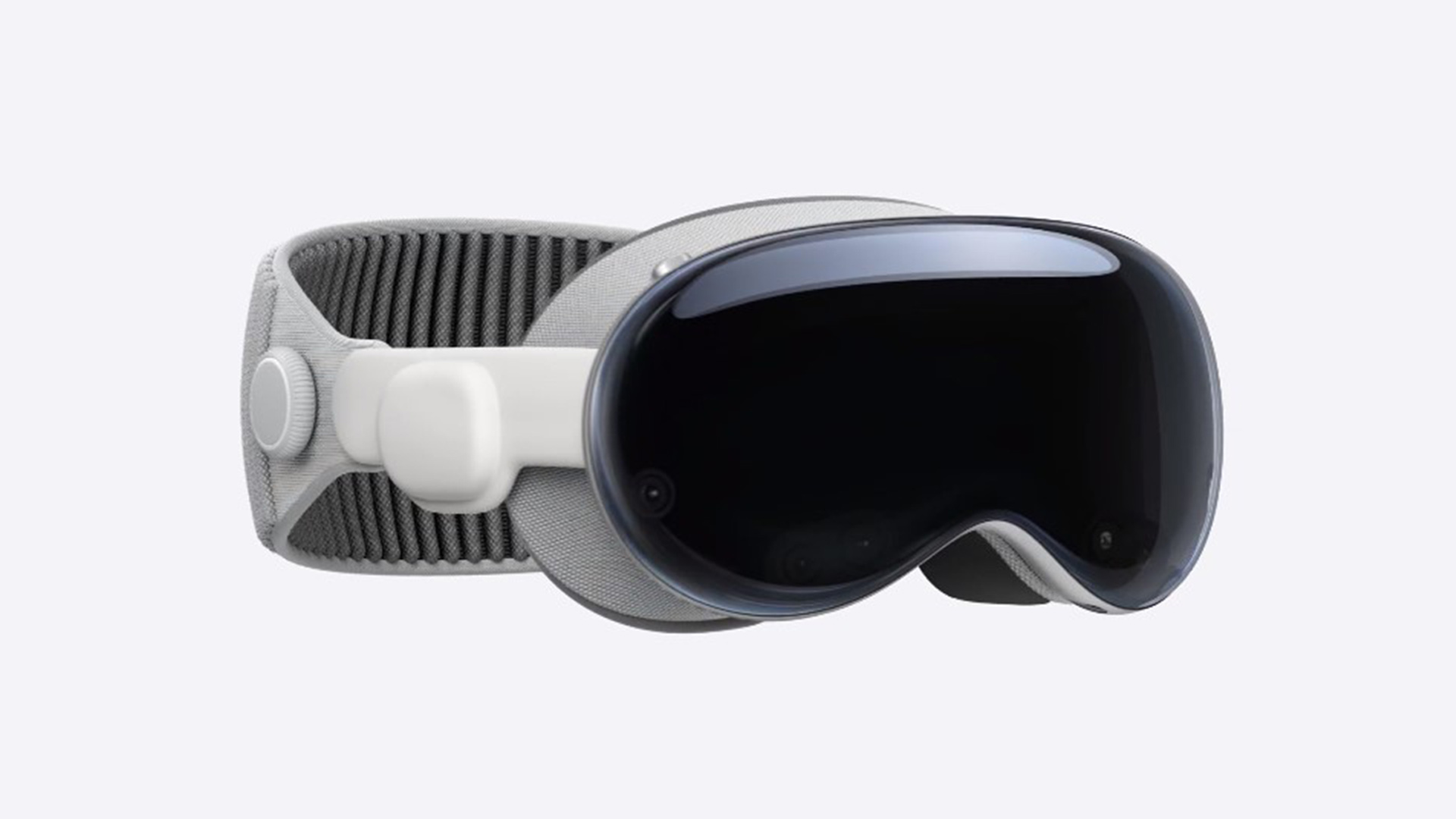
Apple is preparing a new generation of Vision Pro with a spec bump, possibly featuring an M5 chip and lighter design, along with a Mac-compatible version for high-end applications. Rumors also suggest a more affordable, lighter Vision Air headset by 2027 and upcoming AR glasses expected in 2026, aiming to surpass competitors like Meta.
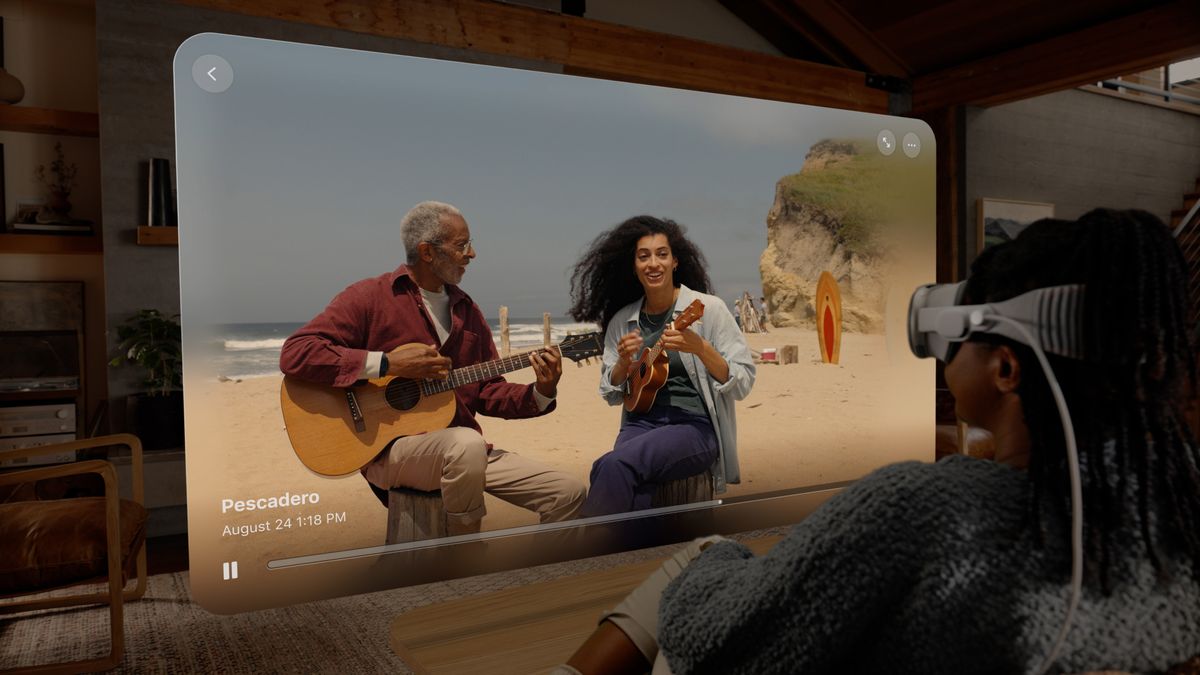
Apple's Vision Pro headset is currently lacking in immersive video capabilities, and the company is slow to roll out this feature, which may impact user experience and adoption.
Google and Samsung have teamed up to enter the mixed-reality market, unveiling a new Android-based operating system for extended reality (XR) and a Samsung-built AR headset, Project Moohan. This collaboration aims to compete with similar devices from Apple and Meta.
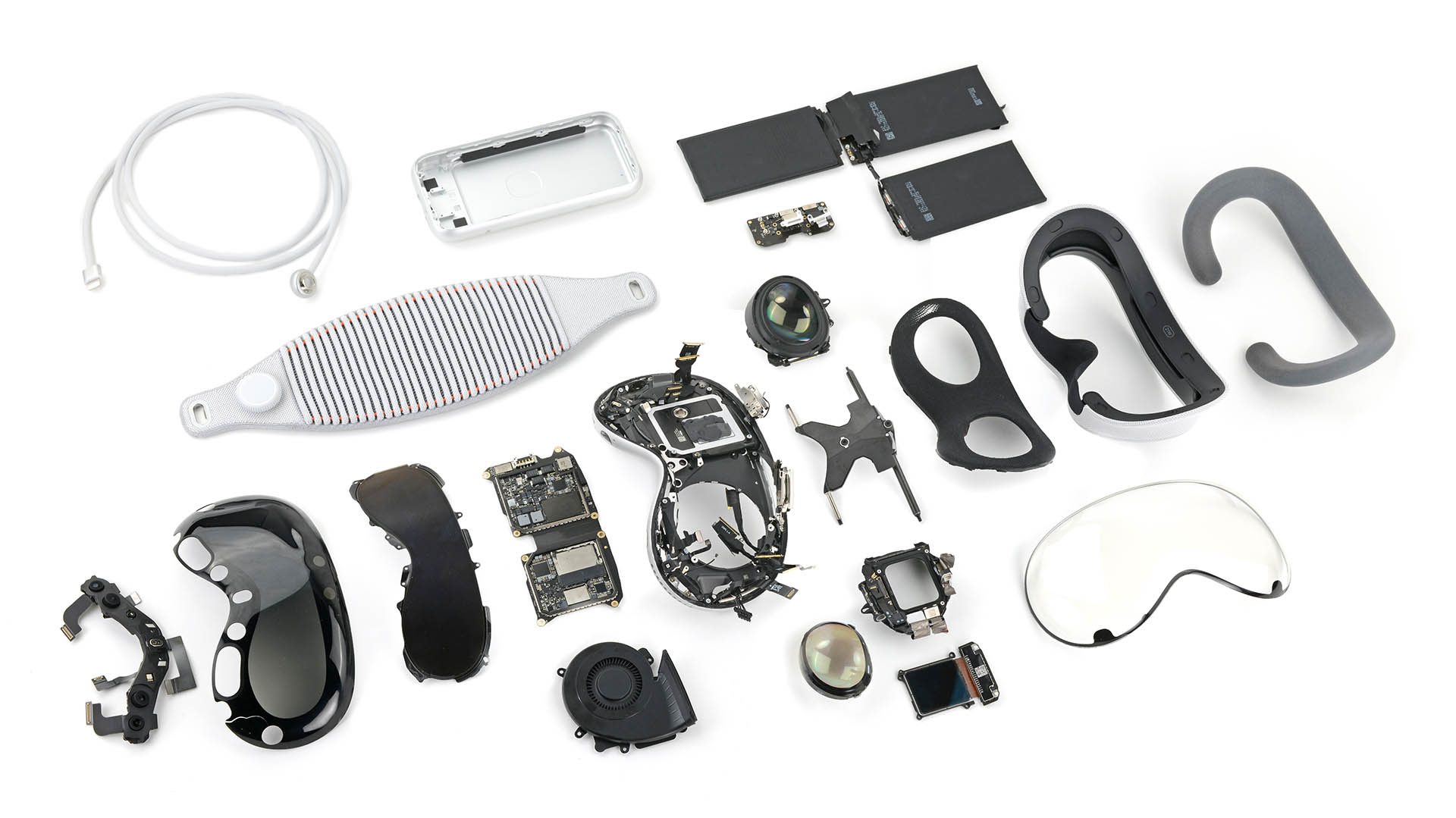
The Apple Vision Pro AR headset costs over $3,499, with the 'Bill of Materials' totaling more than $1,500, primarily due to the expensive dual-4K micro-OLED screens, each costing $228. The remaining components were not listed, but the 4K displays make up nearly 30 percent of the total cost. Apple is reportedly evaluating Chinese display suppliers to reduce costs for the successor. A more affordable version with downgrades is expected to launch in 2025, powered by an iPhone SoC. The M2 and R1 chipsets are the second most expensive components, with mass production not expected until 2027.
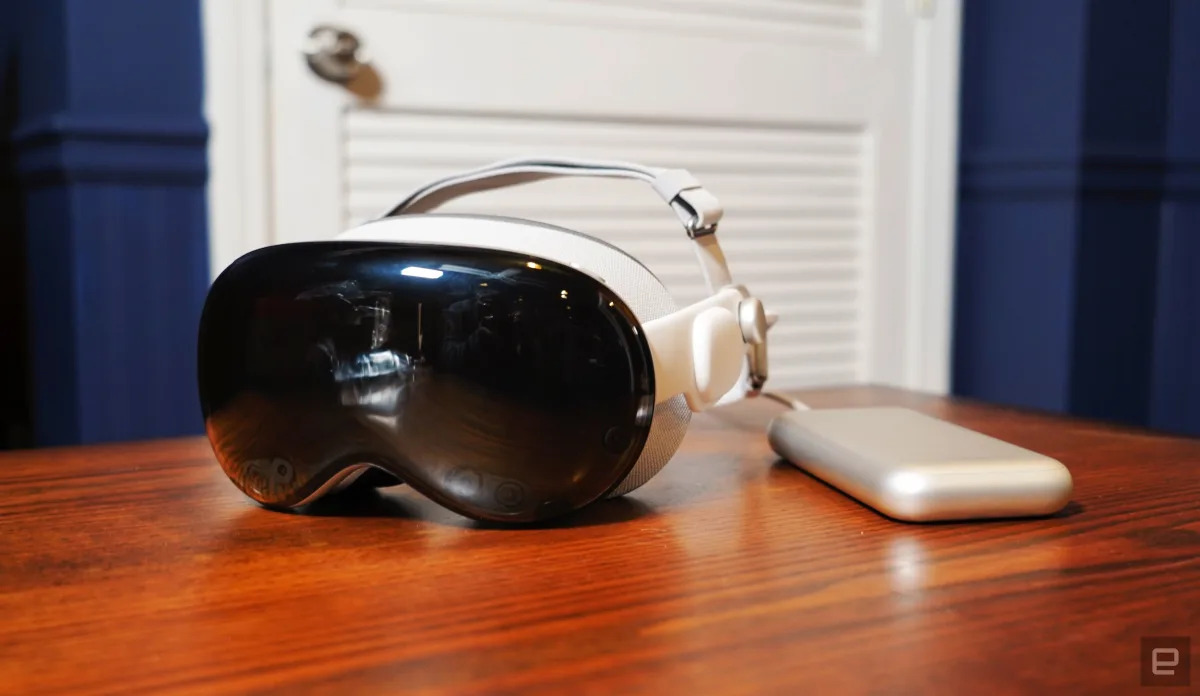
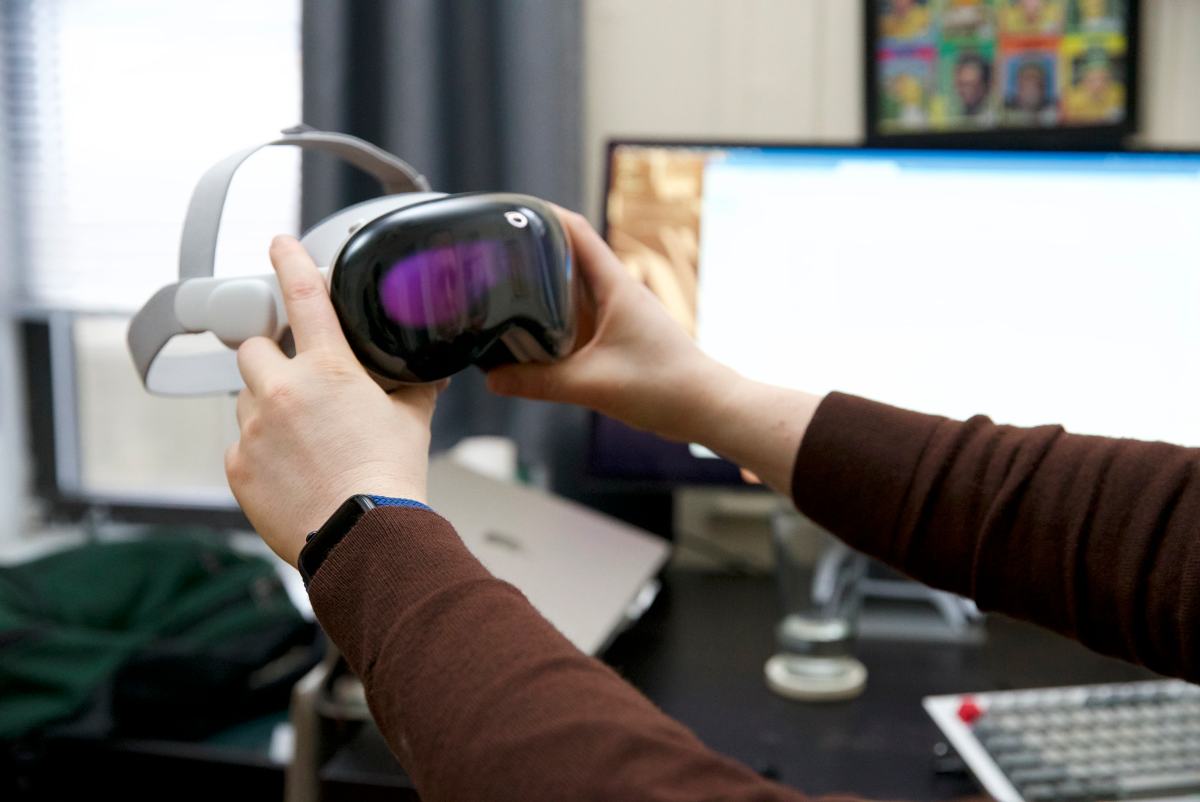
The Apple Vision Pro has received positive reviews, but it is not without its issues, including a hefty price tag and usability concerns. The successor is at least 18 months away, allowing Apple time to address these issues. The company is also reportedly working on a lower-cost version.
In the Engadget podcast, hosts Cherlynn and Devindra, along with CNET’s Scott Stein, share their post-review impressions of Apple’s Vision Pro AR headset, discussing its public use, isolation, and impact on reality. They also delve into Arc’s ad-stripped AI mobile search app, a Waymo self-driving car being attacked during Lunar New Year, a piracy app surpassing Netflix on Apple’s App Store charts, and Lyft’s stock spike due to a typo in its earnings report.
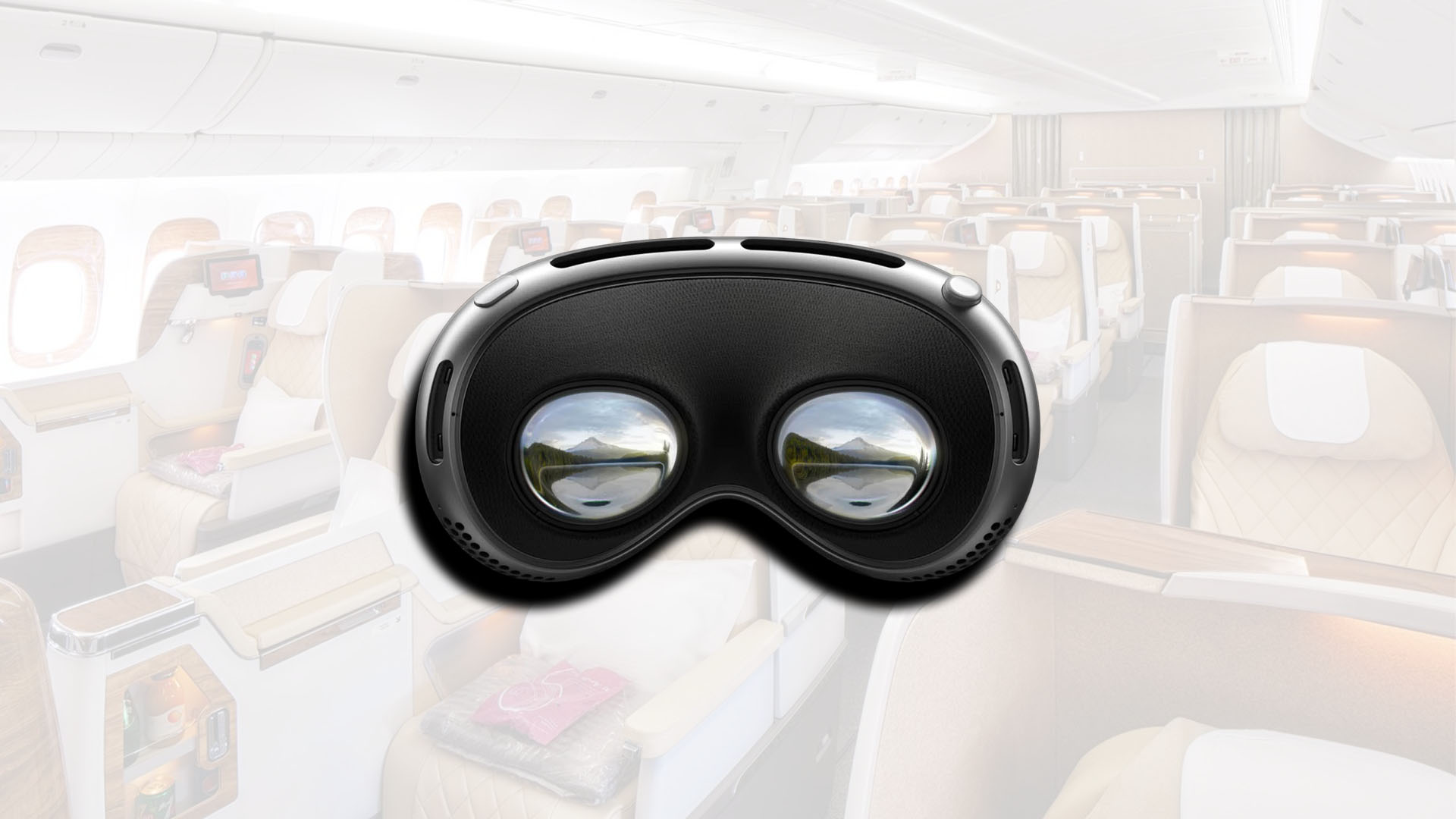
Microsoft executive Omar Shahine transformed his entire cabin into an entertainment hub using the Apple Vision Pro AR headset during a 16-hour flight from Seattle to Dubai, showcasing its potential for in-flight use. Despite some discomfort and the headset's bulkiness, he praised the experience and shared images to dispel skepticism. While in-flight entertainment systems have improved, the Apple Vision Pro offers a unique, immersive media and web browsing experience, hinting at future possibilities for air travel entertainment.
Apple launches its Vision Pro AR headset with hundreds of apps, while Taylor Swift fans combat explicit deepfakes of the singer on X, and the Pokémon Company investigates Palworld for potential plagiarism. Tech layoffs have surged, with companies like Okta, Block, and PayPal shedding thousands of employees, and Apple's upcoming iOS 18 update is anticipated to be significant, featuring improvements to Siri, Messages, and potential support for RCS.
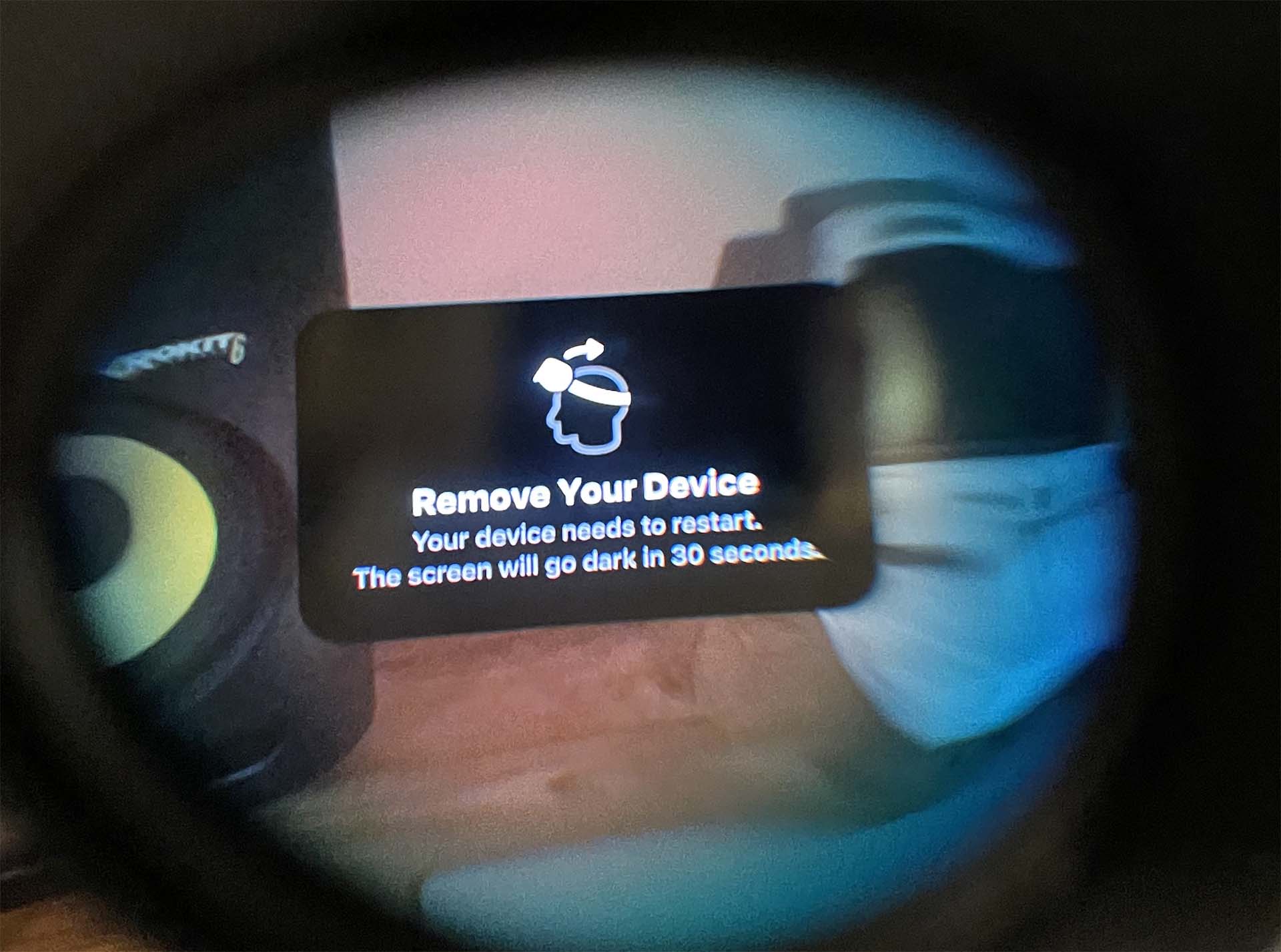
The newly released Apple Vision Pro AR headset has been found to continue displaying a complete camera passthrough even in the event of a total system crash, showcasing Apple's meticulous engineering. Security researcher Joseph Ravichandran, who obtained the device, performed a kernel exploit test and discovered that the passthrough remains active, providing users with a warning message and countdown for a system reboot if necessary. This functionality is attributed to the R1 co-processor, demonstrating advanced engineering and potential future applications for this technology in other products.
Apple has released visionOS 1.0.1 for its upcoming Vision Pro AR headset, with no public release notes available yet. The update is expected to be pre-installed on review units and may be a day-one update for the public upon the headset's launch. This marks the first software update for the Vision Pro, and a larger visionOS 2.0 update with new features is anticipated to be unveiled at WWDC in June.
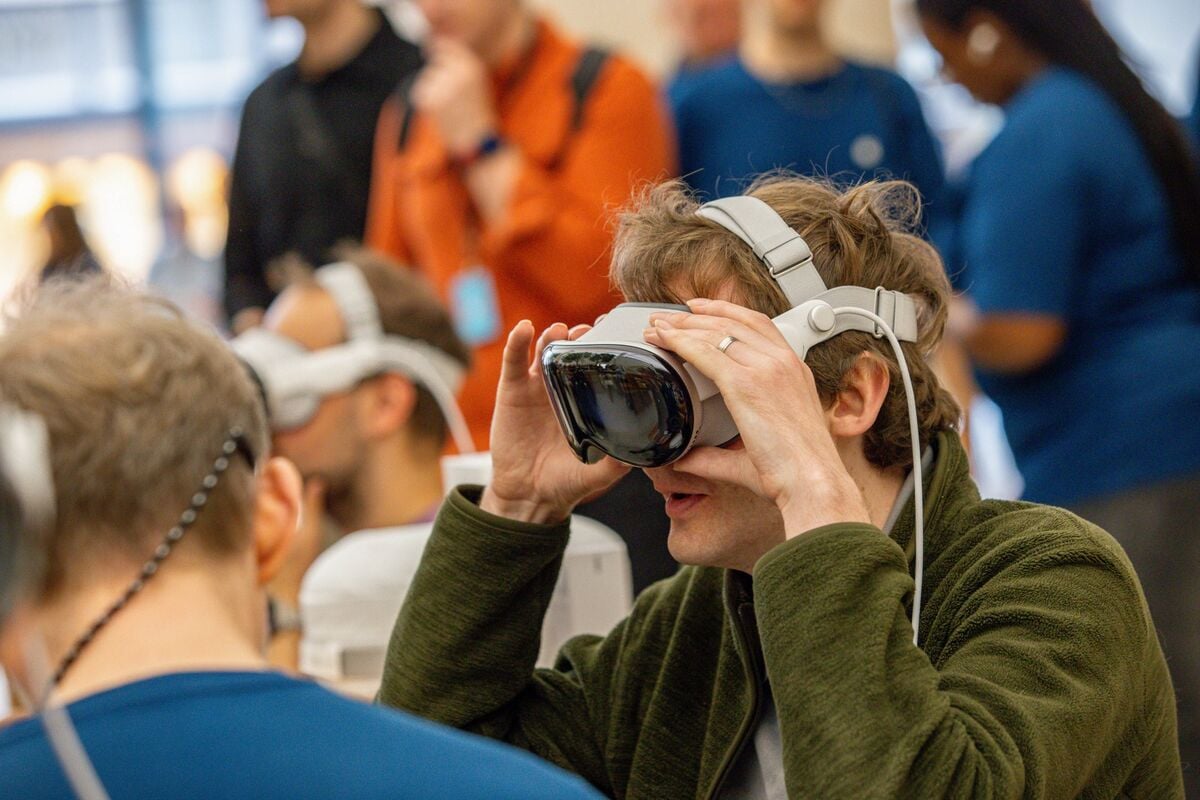
Apple's highly anticipated Vision Pro headset is set for preorders on January 19, with a launch date of February 2 in the US. Priced at $3,499, the device offers a unique spatial computing experience and will be available for in-store demos and consultations. Supply chain analysts predict limited initial supply, with only 60,000 to 80,000 units expected for launch, potentially leading to delays and long wait times for new orders.
The Apple Vision Pro, set to launch in early 2024, has been receiving positive reviews from the press, with reports highlighting its emotional impact and immersive spatial video capabilities. While details about customization and the App storefront remain unknown, the hands-on experiences have generated excitement and anticipation for the device's release. The press believes that while not everyone may purchase the Vision Pro, its impact will be felt by most users, potentially triggering a seismic shift in the computing experience.
According to analyst Ming-Chi Kuo, the upcoming Apple Vision Pro AR headset is technically two to three years ahead of the Meta Quest 3, despite the latter launching earlier this year. The Apple Vision Pro, priced at $3,499, targets a different audience and offers an experiential advantage that could influence consumer purchase intentions. However, the AR headset market is currently struggling, with Meta cutting its fourth-quarter shipments forecast for the Quest 3, indicating a need for further maturity in the segment.
Microsoft is reportedly developing a video pass-through headset that will compete with Apple's Vision Pro. The patent for the headset has been cleared and is now up for review. The headset works by overlaying augmented reality content on a live camera feed of the real world, similar to Apple's Vision Pro. Microsoft claims that its headset offers advantages such as smoother and quicker performance. The headset uses a special circuit to enhance and sync the camera images with the computer-generated images, eliminating latency issues.