CES 2026 showcased significant advancements in AI chips and devices, highlighting the next growth phase for AI technology and its increasing integration into consumer and industrial products.
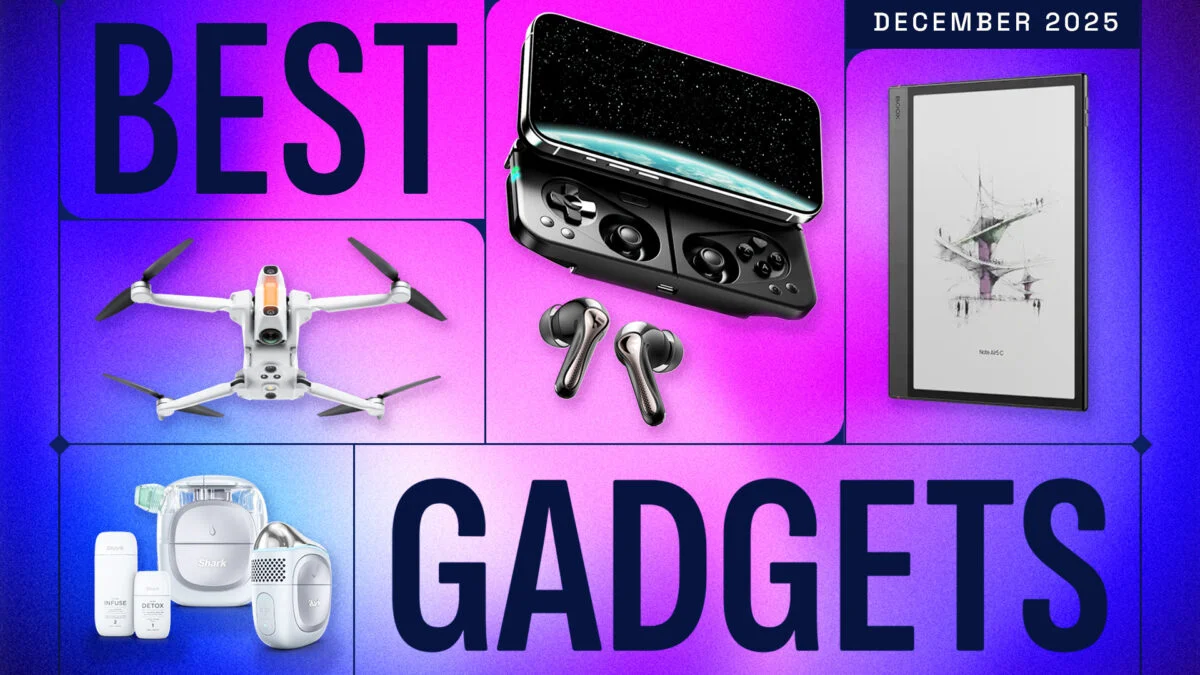
December 2025 saw the release of innovative gadgets like pop-out mobile controllers, 360-camera drones, affordable earbuds, and at-home facial devices, amidst skepticism about some AI devices. The upcoming CES 2026 promises even more tech advancements, including new TVs, monitors, laptops, and AI-powered gadgets, despite ongoing supply chain issues. Notable products include Shark's facial device, Soundpeats earbuds, Antigravity drone, and retro gaming accessories, highlighting a year of diverse and evolving consumer tech.
By 2026, AI will be integrated into daily life through innovative hardware like note-taking rings and robotaxis, with significant advancements in screenless AI devices, but the industry faces market volatility and societal challenges such as job displacement and social impacts of AI.
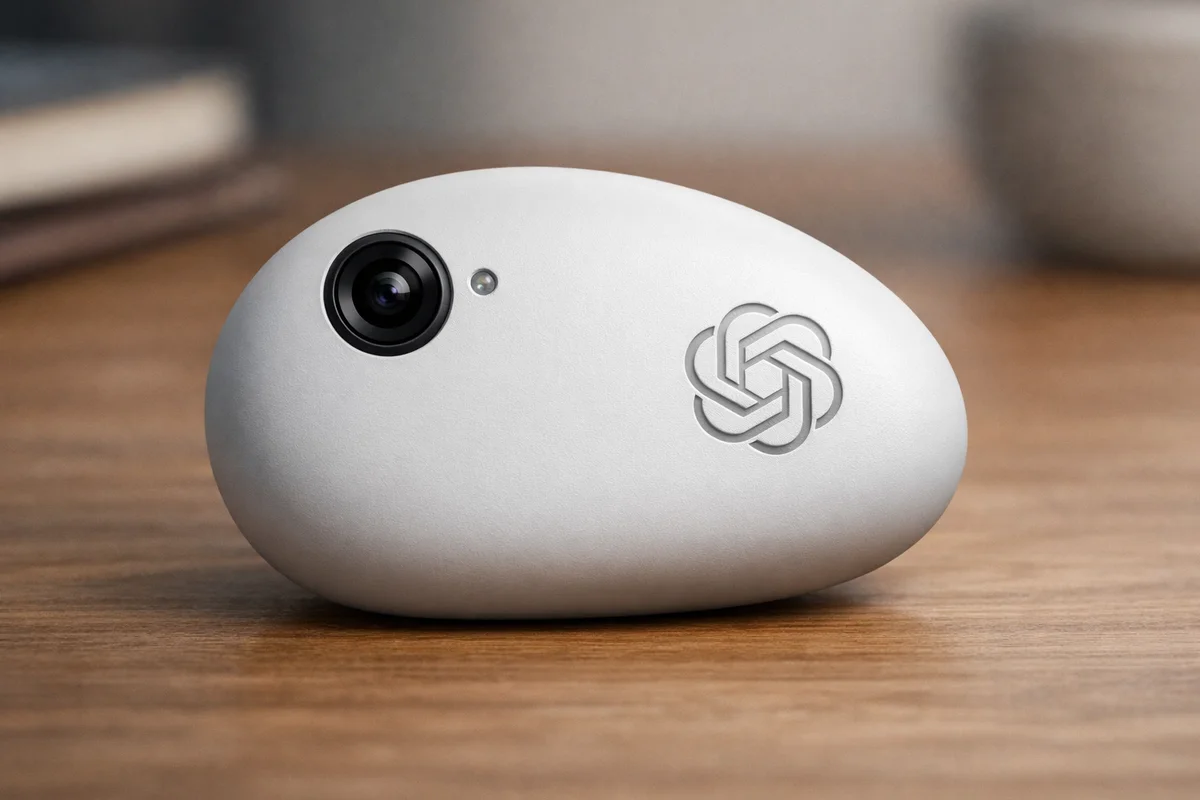
Jony Ive, the legendary Apple designer, is working with OpenAI to develop 15-20 AI-first devices aimed at improving our relationship with technology by reducing anxiety and fostering joy, contrasting with the exclusivity of brands like Apple, and addressing issues like concentration and mental health associated with smartphones.
Jony Ive, renowned for his work at Apple, considered quitting before Steve Jobs returned, but stayed and revolutionized consumer electronics. Now, he is partnering with OpenAI's Sam Altman to develop AI-native devices through his new venture, LoveFrom, which has been acquired by OpenAI for $6.5 billion, signaling a new chapter in AI and design innovation.
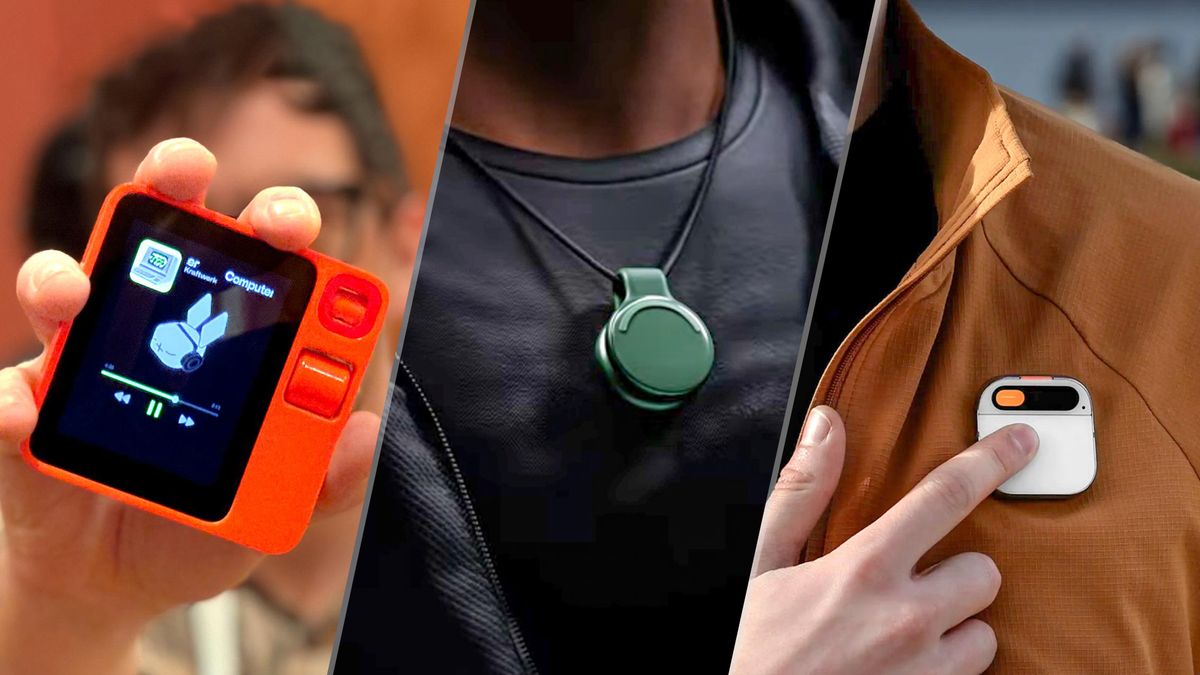
The Rabbit R1, Humane AI Pin, and Limitless Pendant are three AI wearables generating considerable hype. The Humane AI Pin boasts a premium design but suffers from usability issues and overheating, while the Rabbit R1 offers a more traditional yet appealing design. The Limitless Pendant impresses with a 100-hour battery life and transcription capabilities. The Rabbit R1 excels in multimodal AI capabilities and affordability, making it the overall winner among the three devices.
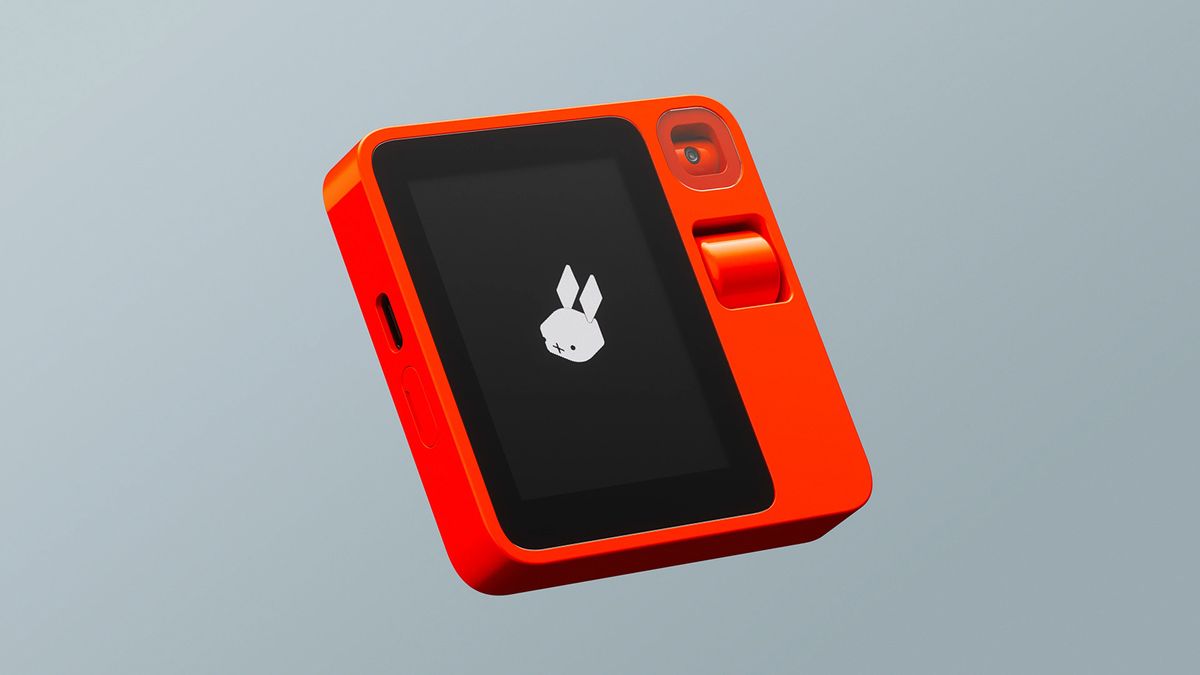
The first batch of Rabbit R1 AI devices, showcased at CES 2024, will begin shipping to pre-order customers in the US and Canada starting March 31, with an estimated arrival around April 24. The device, priced at $199, functions as a pocket computer with an AI assistant powered by the Perplexity AI engine, allowing it to interact with mobile apps. Additional batches are expected to ship in the following months, and the device has garnered significant industry attention for its innovative approach.
Tech companies are racing to develop AI-focused devices that could become the "golden goose" of the AI era, similar to the impact the iPhone had on the tech industry. Companies like Meta and Humane are unveiling AI-powered smart glasses and wearable devices that aim to revolutionize human-technology interactions. However, some experts are skeptical about the long-term success of separate AI devices, believing that smartphones with AI features will continue to dominate the market. The battle for AI dominance is intensifying, with major investments and partnerships being made, but it remains to be seen if AI hardware can truly replace the ubiquitous smartphone.