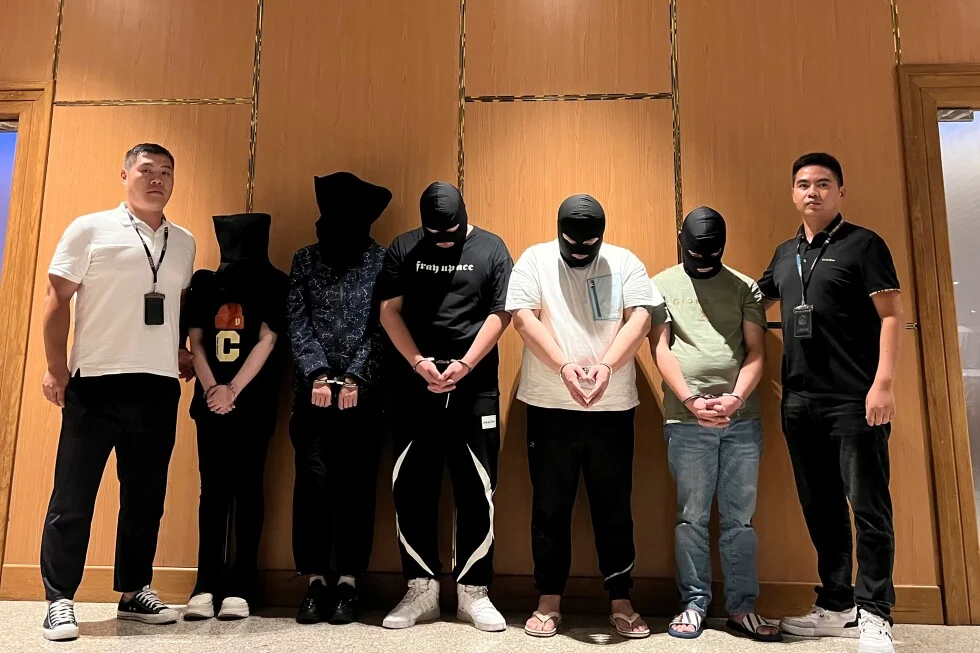
China executed 11 members of a Myanmar-based telecom and internet fraud syndicate, highlighting Beijing’s ongoing crime crackdown across borders. The move follows earlier cooperation that saw Myanmar police hand over suspects to Chinese authorities in 2023.
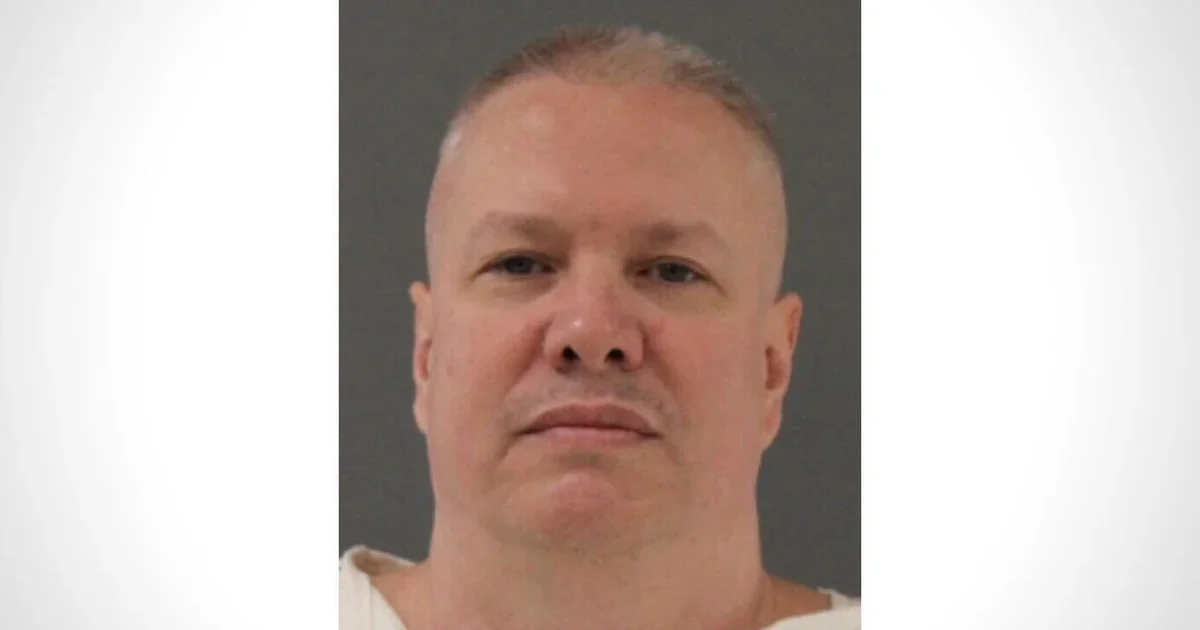
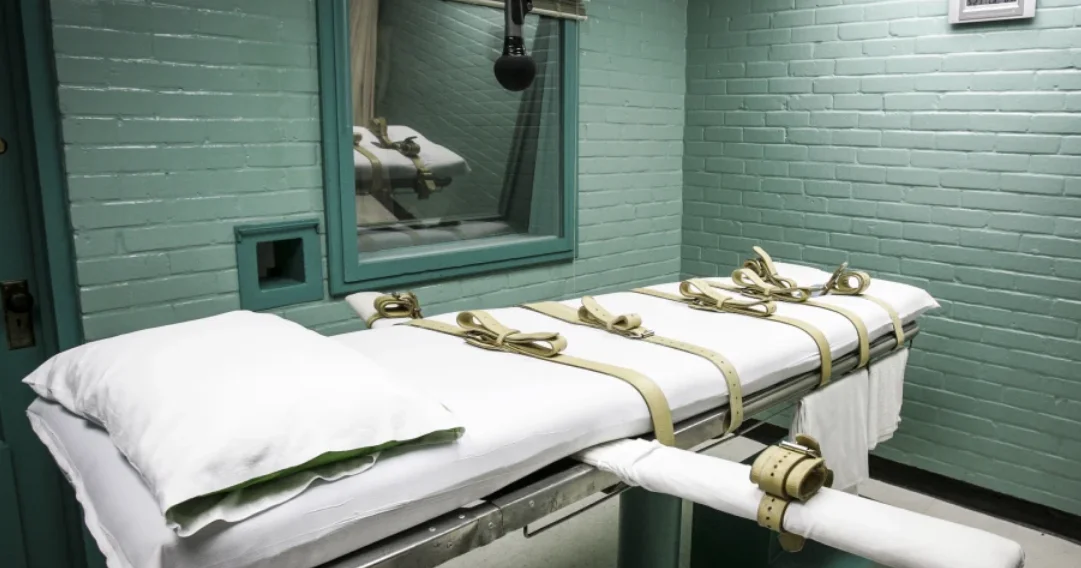
Charles Victor Thompson, a Texas death-row inmate who briefly escaped custody after his resentencing, was executed by lethal injection in Huntsville, becoming the first person put to death in the United States this year for the 1998 killings of his ex-girlfriend and her new boyfriend; he apologized and urged forgiveness, while prosecutors and victims’ families said justice was served after a decades-long case.
Texas death-row inmate Charles Victor Thompson, who once escaped custody after a 2005 resentencing, is slated to be the first person executed in the United States this year for the 1998 killings of his ex-girlfriend Glenda Hayslip and her new boyfriend Darren Cain in Tomball; the lethal injection would be in Huntsville. Prosecutors describe a jealous, abusive pattern, and Thompson’s lawyers sought a Supreme Court stay arguing the death sentence should be reconsidered, but the Texas Board of Pardons denied commuting his sentence. Thompson had previously escaped from Harris County Jail and was recaptured in Shreveport.
Texas death-row inmate Charles Victor Thompson, who was sentenced to death for the 1998 killings of his ex‑girlfriend and her new partner and who later escaped custody, is scheduled for lethal injection in Huntsville, potentially becoming the first execution in the United States this year; his lawyers contend the manner of the victim’s death is in dispute, while prosecutors say Thompson is responsible.
Iran appears ready to execute 26-year-old protester Erfan Soltani—arrested Jan. 8 and denied access to counsel—marking the first death sentence in the current wave of antigovernment protests, while President Trump warns of “strong action” if Iran carries out the sentence.
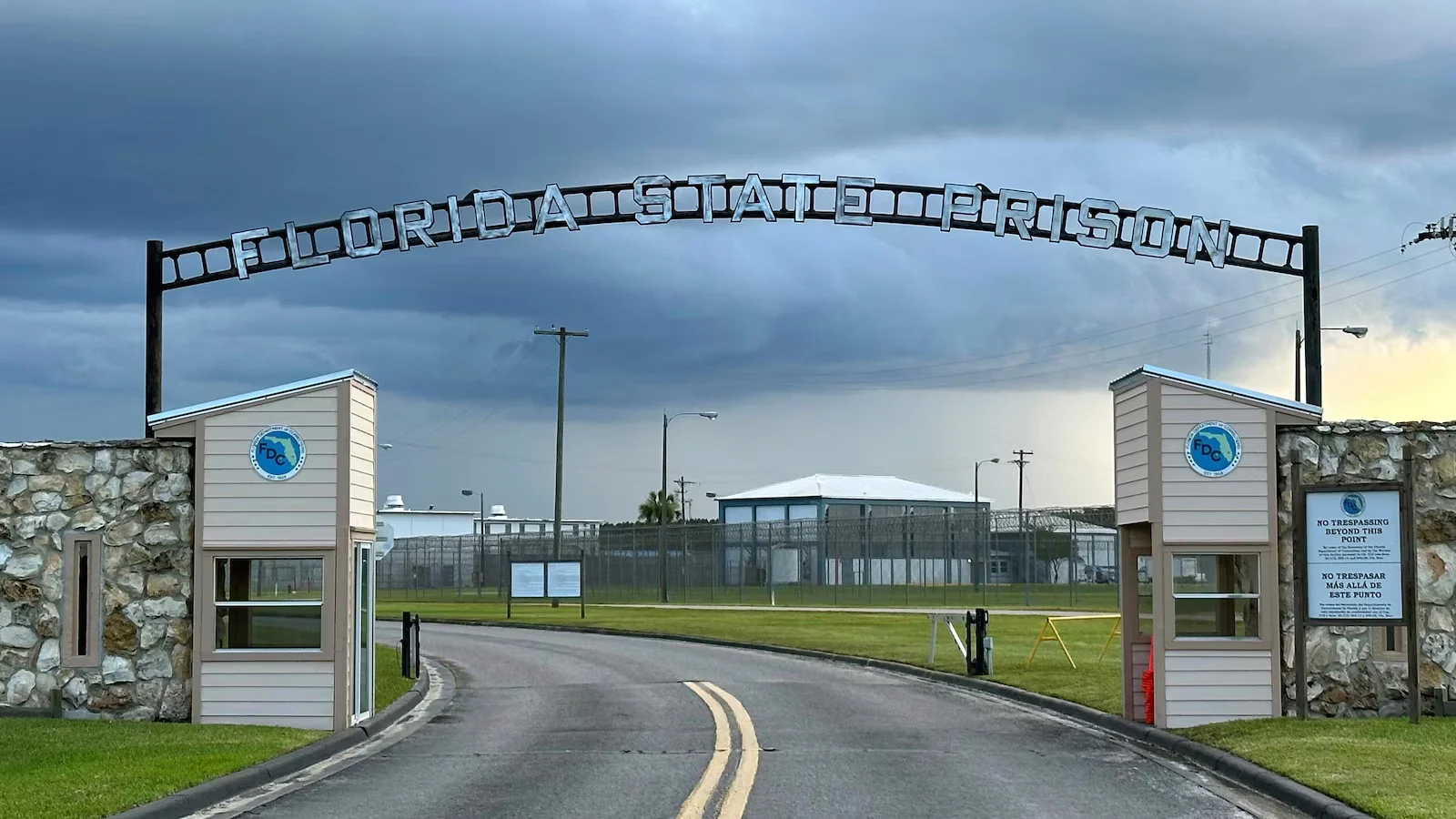
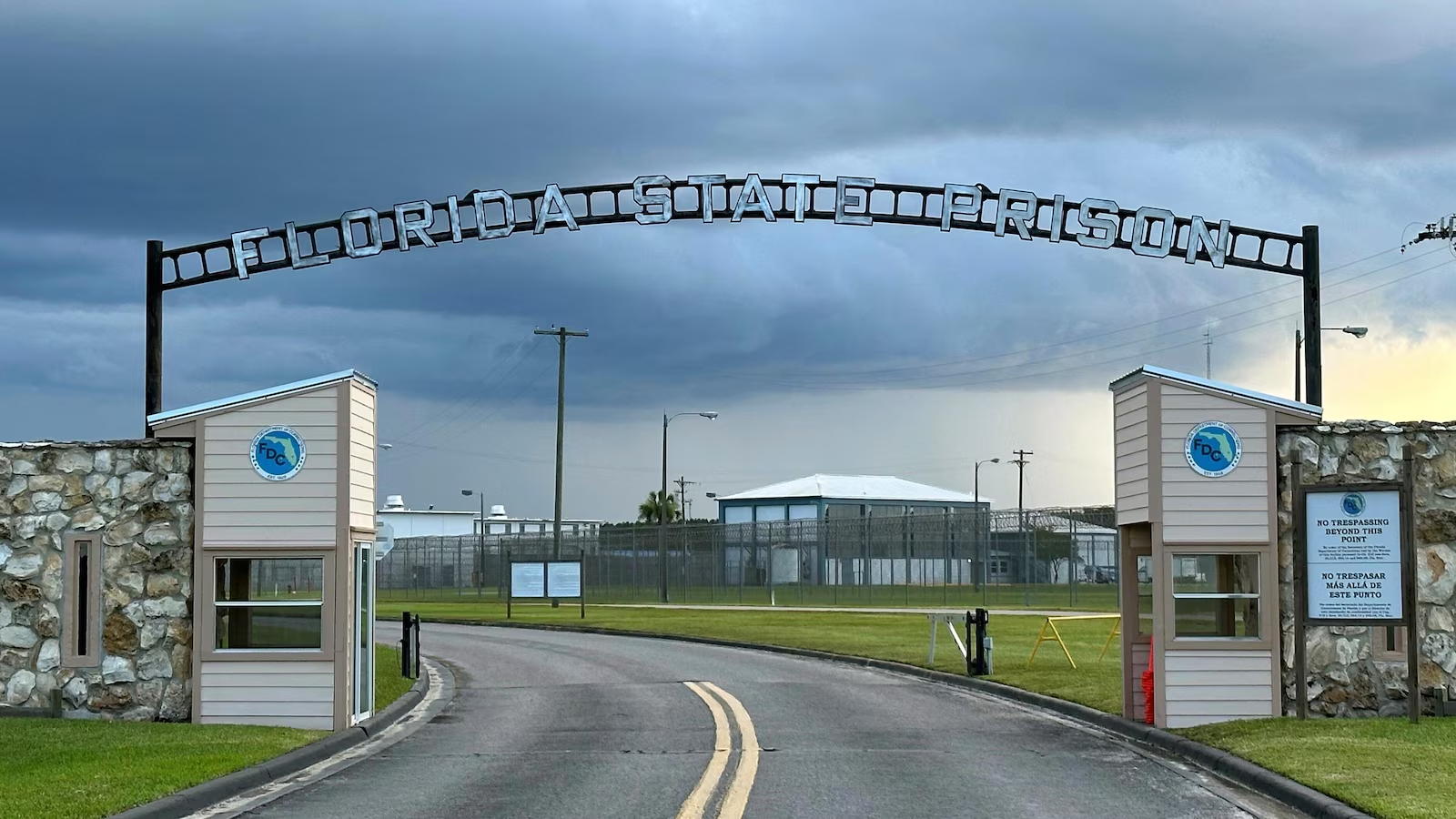
Florida is set to execute Ronald Palmer Heath on February 10, 2026, for the 1990 murder of a traveling salesman during a robbery, marking the state's first execution of the year under Governor Ron DeSantis, who oversaw a record number of executions in 2025.
A Georgia judge has temporarily halted the scheduled execution of Stacey Humphreys to address concerns about conflicts of interest involving two parole board members in his clemency process, ensuring a thorough review before proceeding.
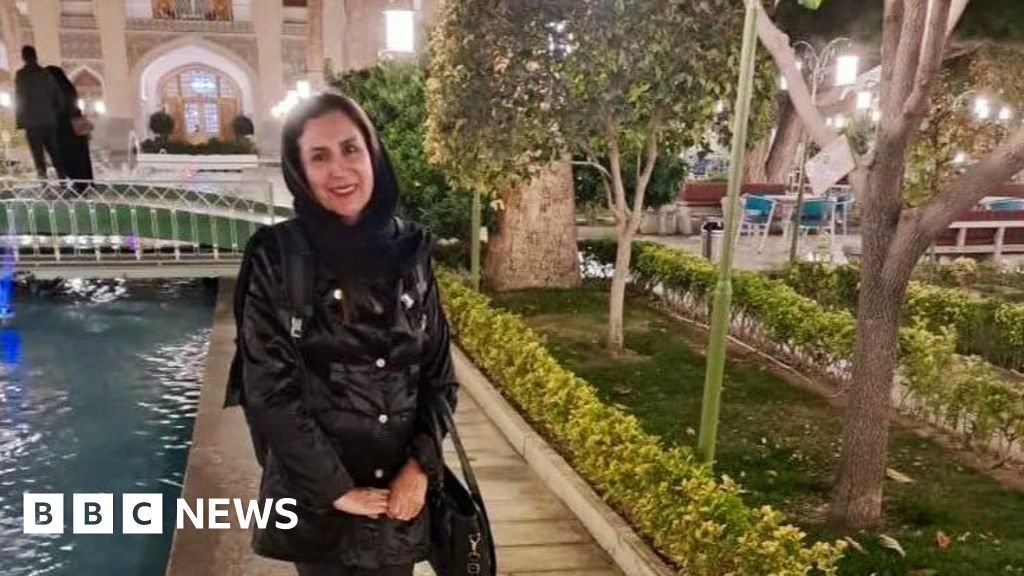
UN experts and prominent women worldwide have called on Iran to halt the execution of Zahra Tabari, a 67-year-old women's rights activist, citing serious procedural violations and gender discrimination in her trial, amid a broader increase in executions in Iran.
Archaeologists have uncovered over 70 bodies at a medieval execution cemetery in Buckingham, dating back to the 13th century, providing rare insights into medieval society and criminal executions, with further analysis ongoing.
Iran executed Aghil Keshavarz, a man convicted of spying for Israel's Mossad, after he was caught taking photos of military sites and accused of carrying out over 200 assignments for Mossad across Iran. This follows a series of espionage-related executions amid ongoing tensions between Iran and Israel.
Frank Athen Walls was executed in Florida for murders committed during a 1987 home invasion, marking the state's 19th execution this year under Governor DeSantis, who aims to deliver justice for victims' families. Walls had a lengthy legal history, including multiple convictions and DNA evidence linking him to other crimes.
Frank Athen Walls, convicted of multiple murders including a home invasion that resulted in the deaths of a man and woman, is scheduled to be executed in Florida, marking the state's 19th execution in 2025, setting a record for the year.
Georgia's scheduled execution of Stacey Humphreys has been temporarily halted by the parole board amid disputes over board member recusals and procedural issues related to his clemency hearing, with the suspension potentially lasting until further court decisions.
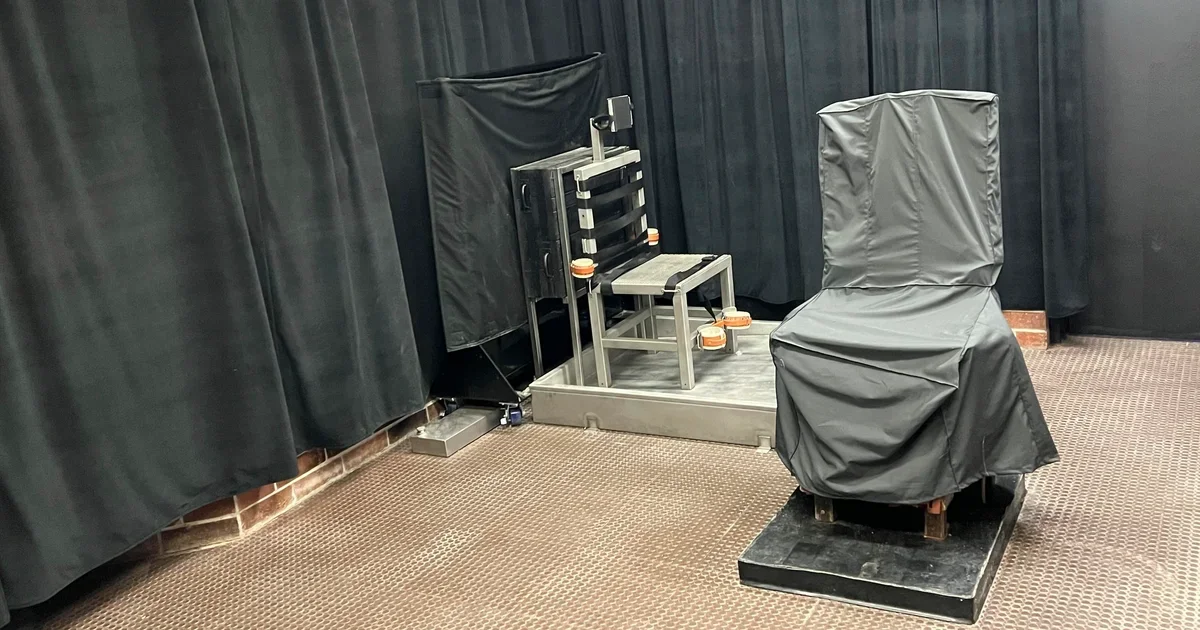
Stephen Bryant, convicted of multiple murders and taunting police with blood messages, is set to be executed by firing squad in South Carolina after his final appeal was rejected, despite claims of brain damage from fetal alcohol syndrome. The courts upheld his sentence, and he is scheduled for execution at 6 p.m. ET, marking the third firing squad execution in the state this year.
South Carolina's Supreme Court has upheld the execution of Stephen Bryant, who is scheduled to be executed by firing squad for a series of murders committed over 20 years ago, rejecting his final appeal that argued brain damage from fetal alcohol syndrome should have influenced his sentencing.