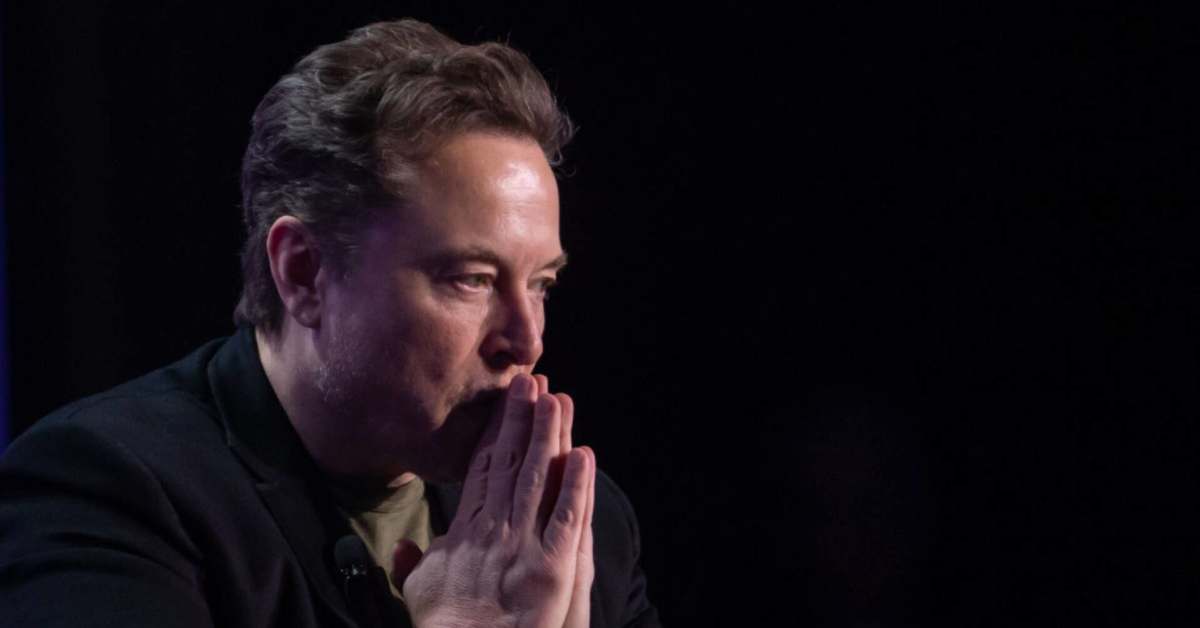
Tesla's 2025 performance has been disappointing, with declining deliveries, sales, and operating income, alongside a significant loss of market share in the U.S., Europe, and China. New data indicates a surprising shift in customer behavior, with Tesla losing dominance to legacy automakers and facing steep declines in key regions, raising concerns about its future competitiveness.
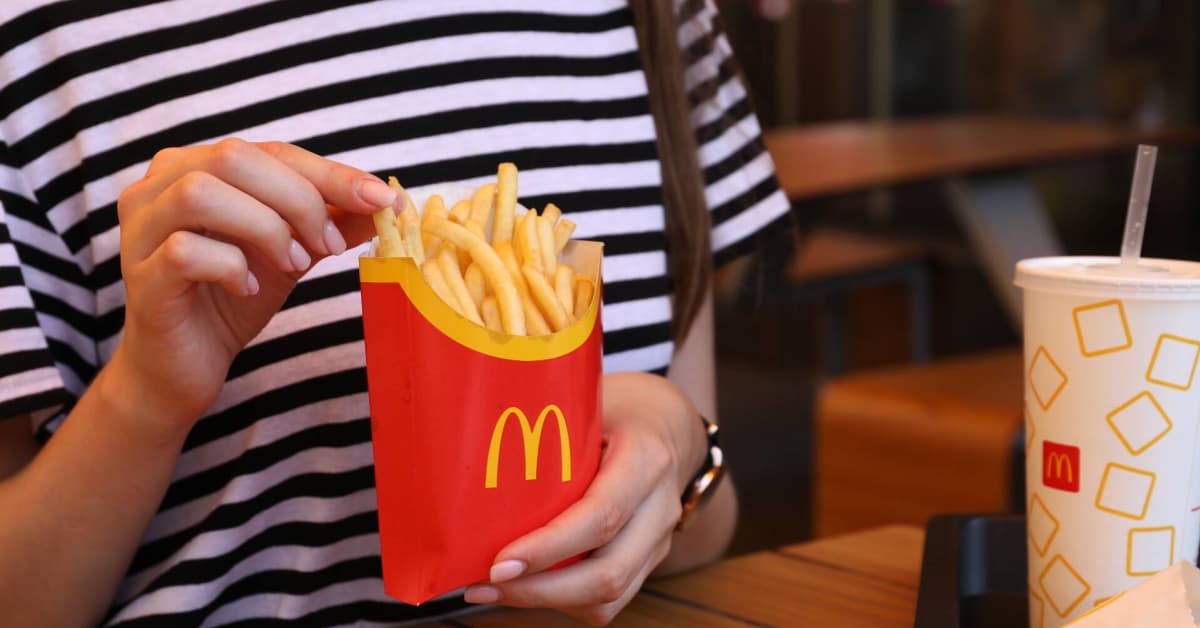
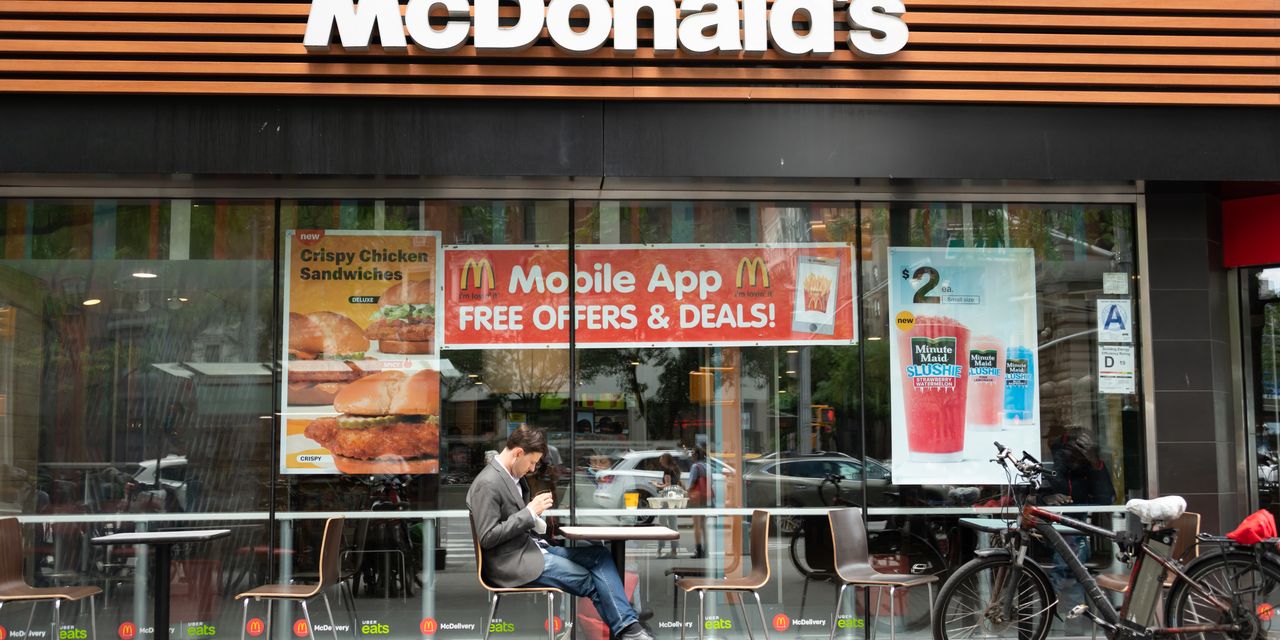
McDonald's CEO Chris Kempczinski highlights a divide in customer behavior due to economic pressures, with lower- and middle-income consumers skipping meals or eating at home. Rising food prices and inflation are impacting restaurant traffic, prompting McDonald's to introduce new value meals to retain budget-conscious customers amid broader economic challenges.
Walmart is experiencing gradual cost increases due to tariffs, which are beginning to influence customer behavior, especially among lower-income households. The retailer is maintaining low prices despite rising costs, with efforts to grow value through price rollbacks and fast delivery options, and anticipates a strong holiday season.
McDonald's is facing significant challenges due to changing customer preferences, health trends like GLP-1 drugs affecting weight loss, and economic uncertainties, leading to declining sales and a cautious outlook for the future.
Best Buy reports a 0.7% decline in U.S. comparable sales amid cautious consumer spending, influenced by economic concerns and tariffs, though consumers still spend on innovative products like computing and tablets. The company has adjusted prices due to tariffs and lowered its sales forecast for the year, reflecting ongoing economic uncertainty and changing customer habits.
Macy's is experiencing a decline in sales and customer visits due to economic uncertainty, inflation, and changing consumer habits, with the company planning to implement gradual price increases and strategic vendor negotiations to offset rising tariffs and maintain competitiveness.
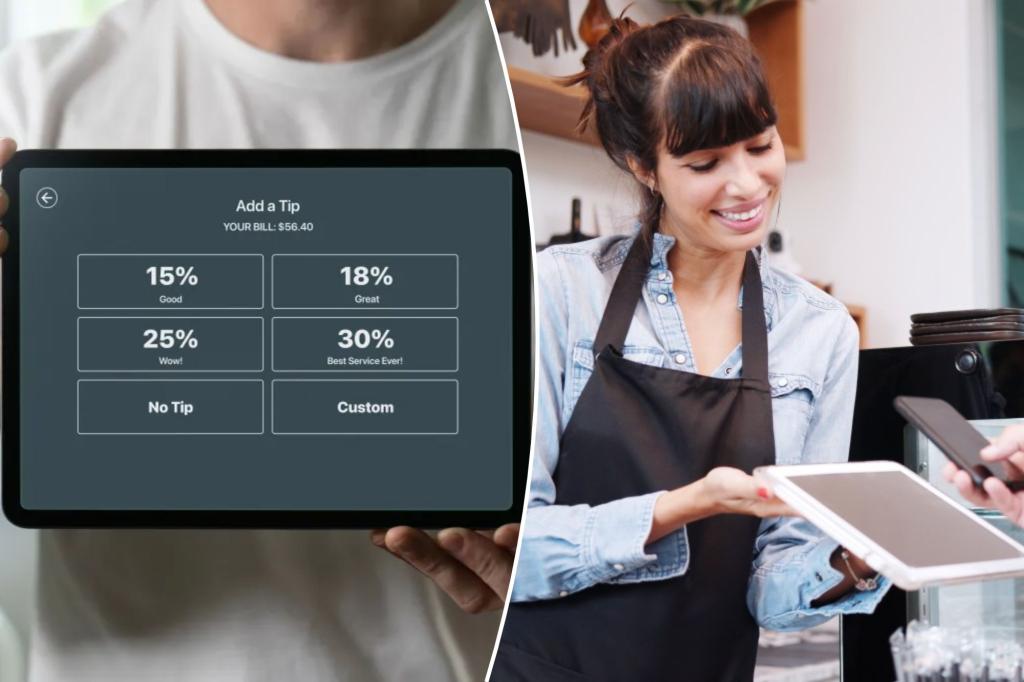
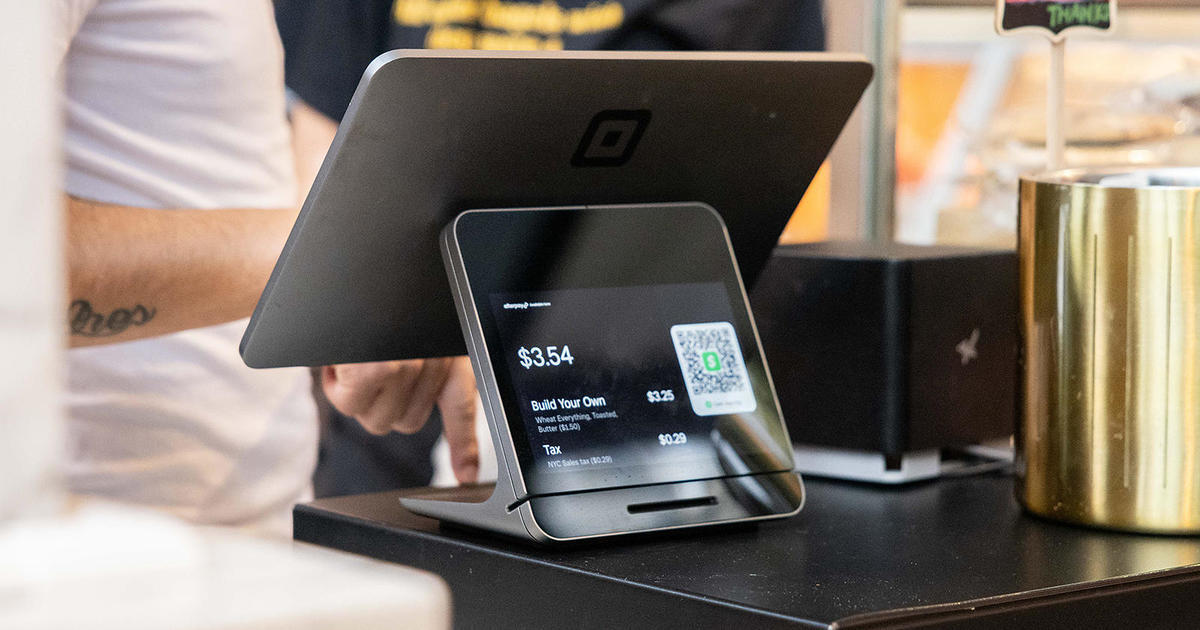
A survey by SpotOn reveals that tablet-style payment methods are not significantly increasing tips for servers, with only 8% reporting better tips and 28% saying it hurts their earnings. Many servers prefer cash tips, and the pressure on customers to tip more has led to a perception of "tipflation."
A Michigan man, Robert Calver, sparked debate by posting a TikTok video stating he will no longer tip at restaurants where he orders while standing up. His stance received significant support, reflecting broader dissatisfaction with tipping culture in the US. Studies show many Americans feel pressured to tip more than they would like, and social media is rife with similar complaints.
A compilation of 55 exasperating customer moments in retail showcases the struggles faced by retail workers, highlighting both hilarious and infuriating encounters. The article emphasizes the importance of treating others with respect and invites readers to share their own experiences.
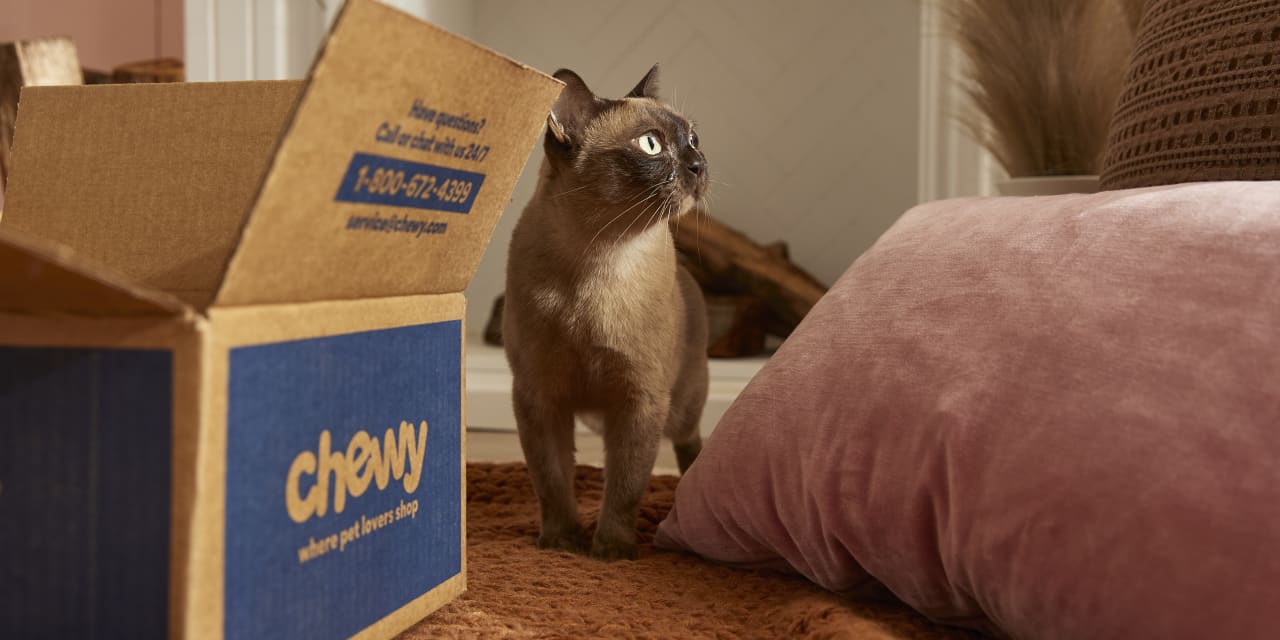
Chewy Inc., the online pet-supplies retailer, expects lower prices due to weaker demand and is trying to understand the behavior of more selective and price-conscious customers. The company's executives expressed caution amid inflation and emphasized the need to prepare for a wider range of customer behaviors.
Fast-food customers are increasingly opting for takeout and delivery instead of dining in, according to a recent trend observed in the industry. This shift in customer behavior reflects a growing preference for convenience and speed, as well as the impact of the COVID-19 pandemic. As a result, fast-food chains are adapting their operations to meet the changing demands of their customers, focusing on improving their takeout and delivery services.
Big US banks are expected to report a deposit flight in their upcoming earnings as customers have been withdrawing their money due to low interest rates and the pandemic-induced economic uncertainty. This trend is likely to impact the financial results of these banks and reflect a shift in customer behavior towards alternative investment options.
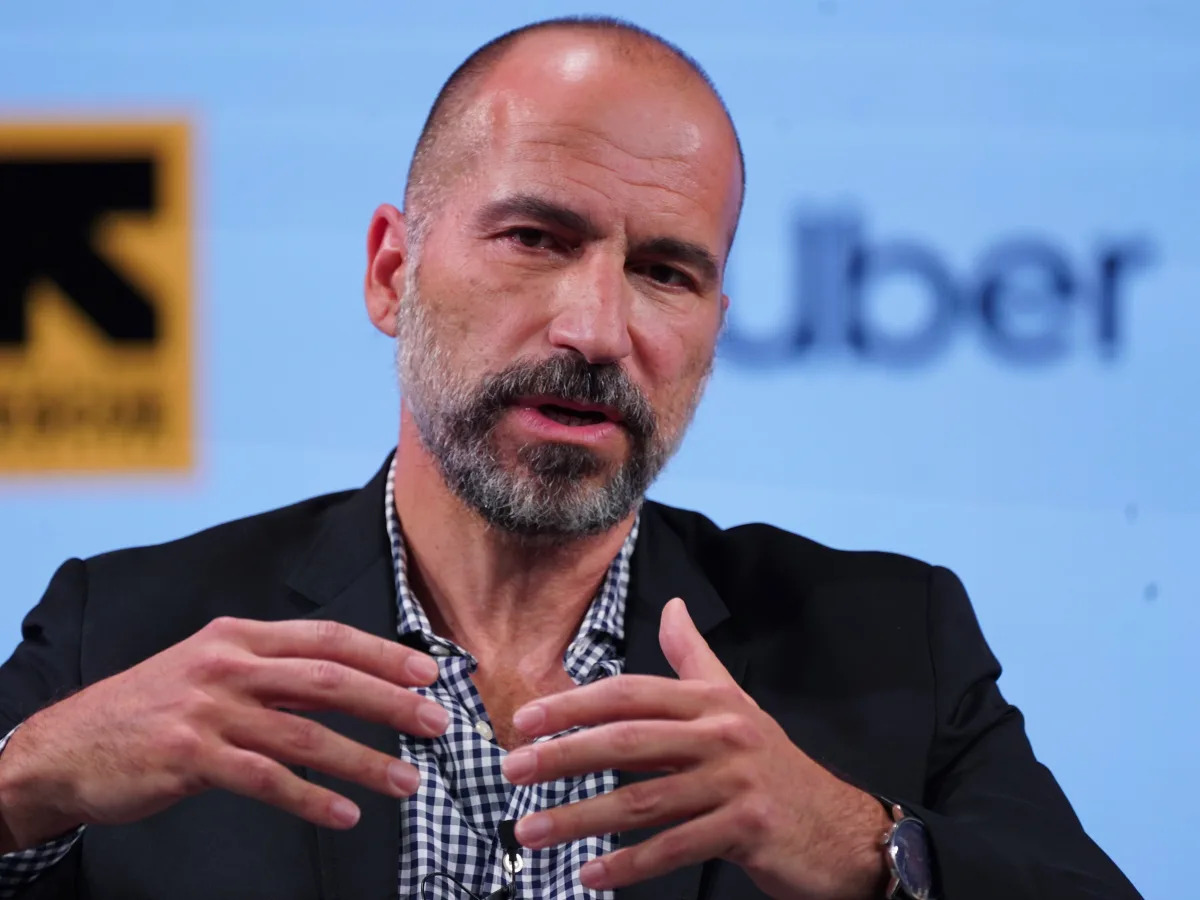
Uber's CEO, Dara Khosrowshahi, secretly signed up as a driver in September 2020 to better understand the driver experience amid a slowdown in recruitment. He encountered several operational issues that discouraged drivers and found that some passengers were rude and acted like they were alone in the car. Khosrowshahi's moonlighting was part of a bigger operation called "Project Boomerang" that aimed to get more drivers back on the app. The findings prompted Uber to create a single sign-up for both rides and deliveries, to allow drivers to see drop-off locations before pick-up, and to give drivers hundreds of millions of dollars in bonuses.
Uber's CEO, Dara Khosrowshahi, became an undercover driver to understand the driver experience and found that some passengers were rude and acted like they were alone in the car. He also encountered issues that discouraged drivers. Khosrowshahi's moonlighting was part of a bigger operation called "Project Boomerang" that aimed to get more drivers back on the app. The findings prompted Uber to create a single sign-up for both rides and deliveries, to allow drivers to see drop-off locations before pick-up, and to give drivers hundreds of millions of dollars in bonuses.
More quick-service restaurants are offering customers the option to tip, but Americans are tipping less, partly due to inflation and feeling overwhelmed by the number of places that give them the option to tip digitally. The shift to digital payments has also made tipping more intrusive and emotionally charged. Attitudes towards tipping in these new settings vary widely, with some customers feeling guilty if they don't tip and others eschewing tipping altogether.