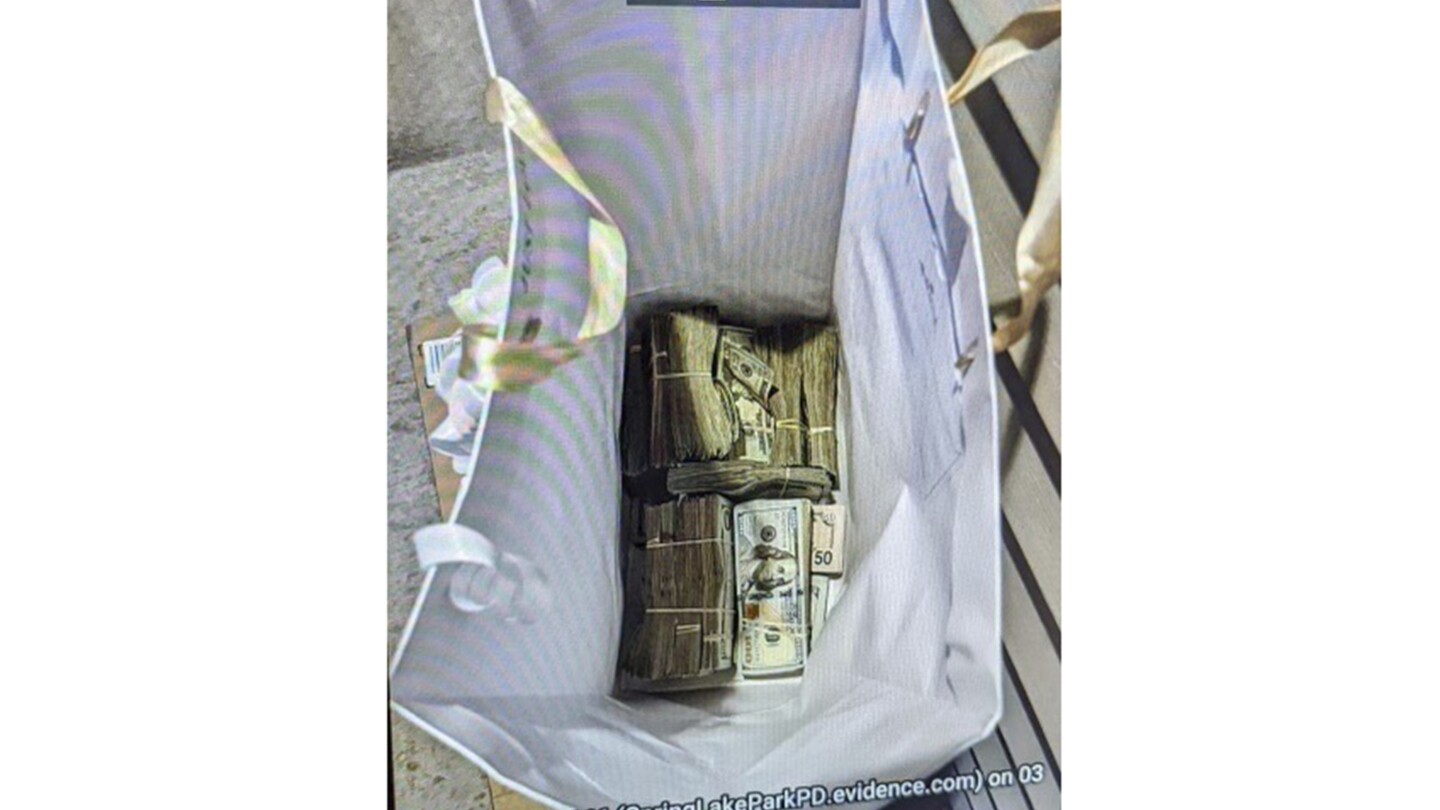
Authorities in Minnesota are investigating an attempted bribery of a juror with $120,000 in cash to acquit defendants accused of stealing over $40 million from a pandemic food aid program. The juror reported the bribe, leading to her dismissal and the sequestering of the jury. The seven defendants, part of a larger group facing trial for the $250 million fraud, have been detained, and their phones confiscated as the investigation continues.
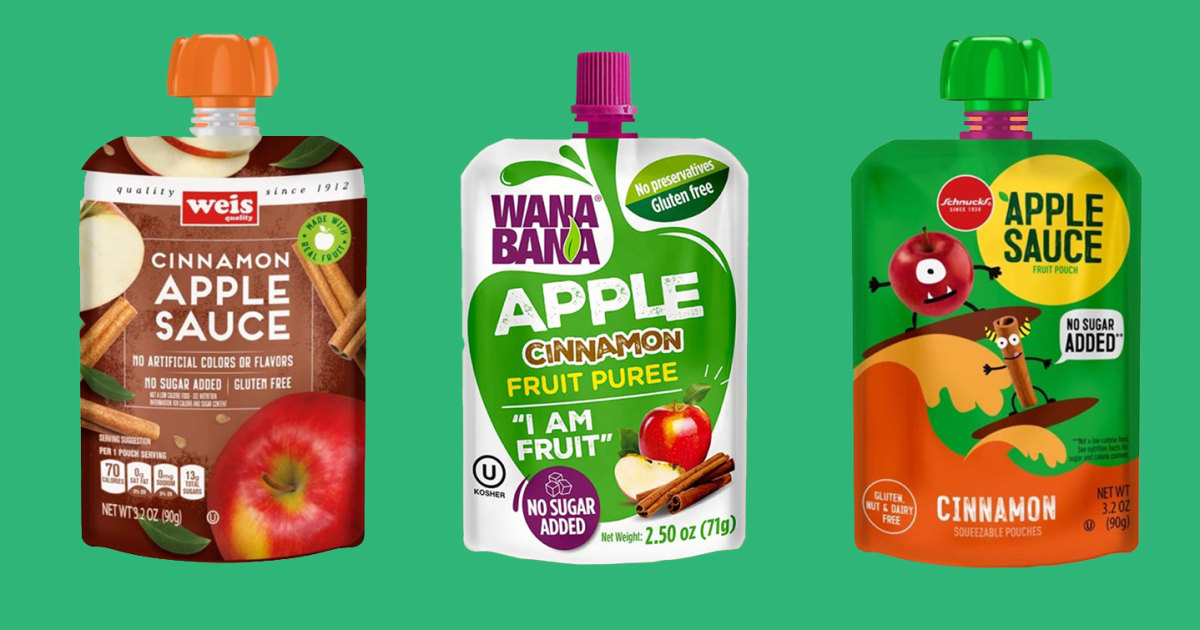
The Food and Drug Administration (FDA) has stated that the lead contamination found in recalled cinnamon applesauce pouches, which may have harmed 65 children, could have been intentional. The FDA has been investigating the contamination since October and has identified cinnamon as the likely source. The agency suspects "economically motivated adulteration," or food fraud, where cheaper ingredients are added to enhance or bulk up a product without disclosure. The recall includes three products made by WanaBana, and investigations are ongoing to determine the cause.
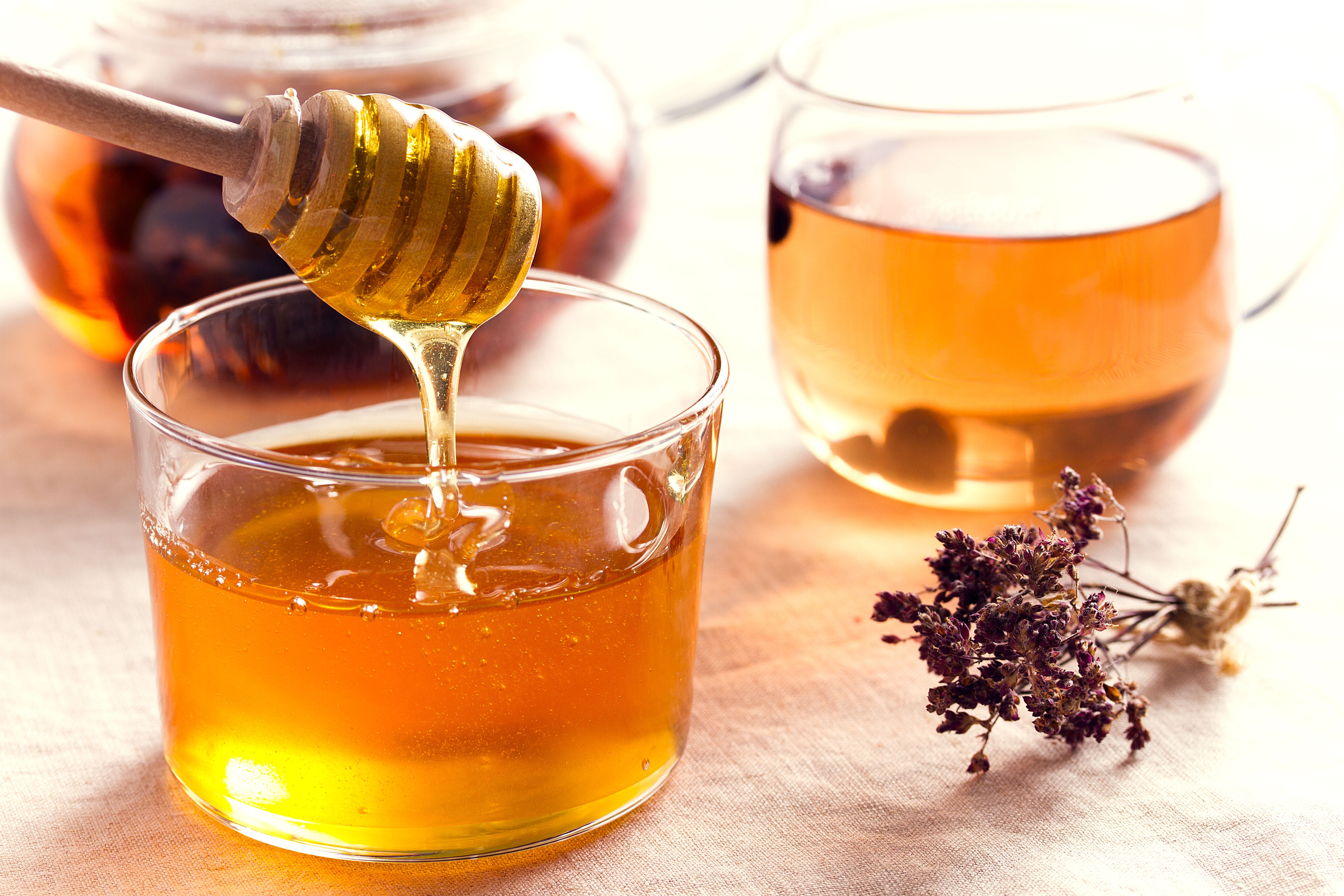
Much of the honey available in grocery stores is fake or adulterated, with up to 70% of U.S. honey being affected. Fake honey is often made by treating or diluting it with additives like sugar or syrup, and even high-end varieties like Manuka can be affected. The lack of enforcement in the honey industry allows producers to mislabel their products. This has negative impacts on bees and beekeepers, as well as the nutritional benefits of honey. To ensure you're getting real honey, support local beekeepers, look for traceability certifications, and use your senses to check for signs of authenticity.