Tests revealed dangerous neurotoxins, including high levels of lead, in the homes of wildfire-affected families like the Van Nesses, despite insurer claims of safety after surface-level cleanups. Experts criticize insurance industry practices for relying on outdated or incomplete science, which may leave homes contaminated and residents at risk of health issues. The family’s experience highlights broader concerns about inadequate remediation standards and the potential health impacts of wildfire smoke toxins.
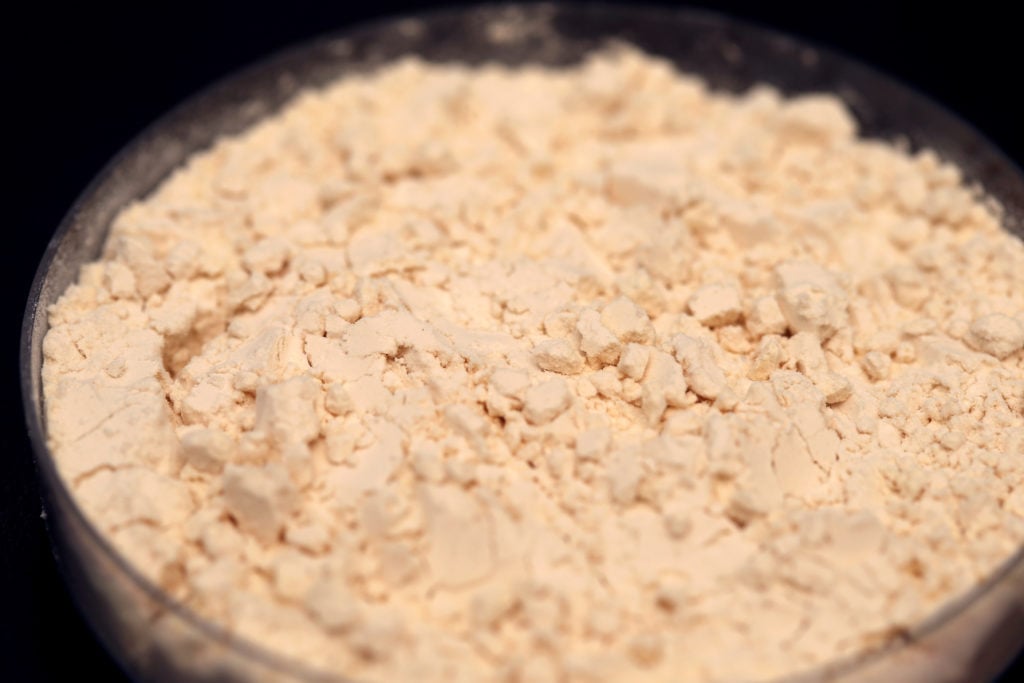
A study by Consumer Reports found that some protein powders contain dangerously high levels of heavy metals like lead, cadmium, and arsenic, especially in plant-based products, raising health concerns and highlighting the need for better manufacturing practices.
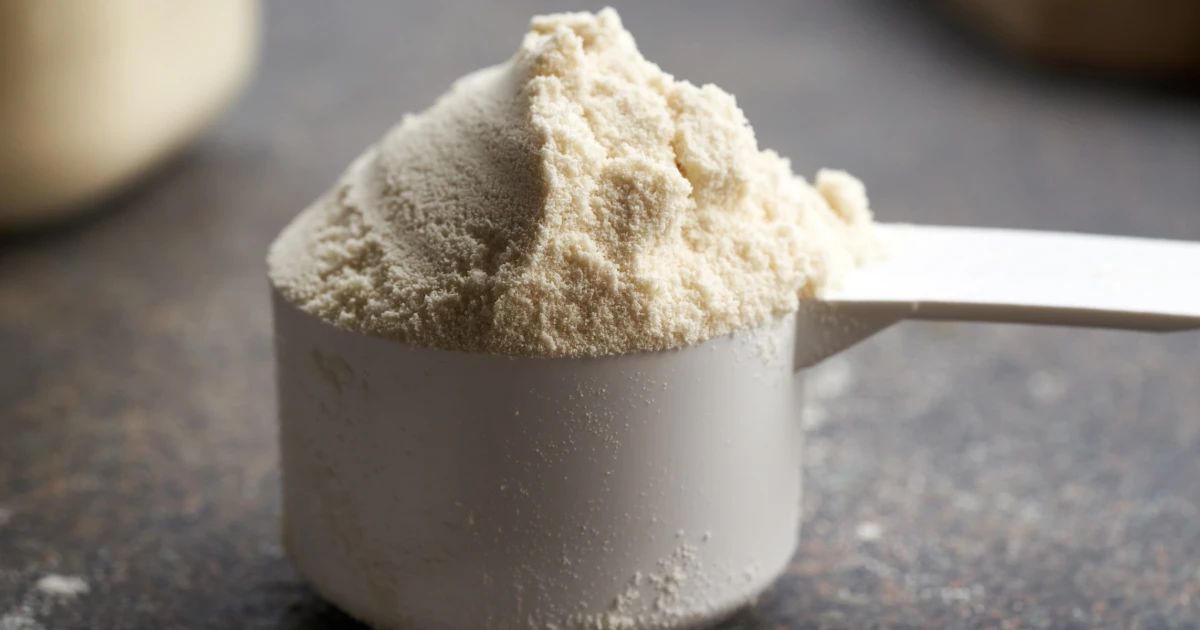
A Consumer Reports investigation found that over two-thirds of tested protein powders and shakes contain more lead than the safe daily limit, with plant-based options generally having higher levels. While some brands responded with safety assurances, experts warn about the potential health risks of high lead exposure, emphasizing the importance of choosing products carefully. The report highlights the need for consumers to be aware of heavy metal content in dietary supplements.
A Consumer Reports investigation reveals that over two-thirds of popular protein powders and shakes in the U.S. contain unsafe levels of lead, with contamination increasing over time and largely originating from plant-based sources. The lack of federal regulation and reliance on self-regulation by companies exacerbate the issue, and experts advise that most people do not need protein supplements at all, as a balanced diet of whole foods suffices for meeting protein needs.
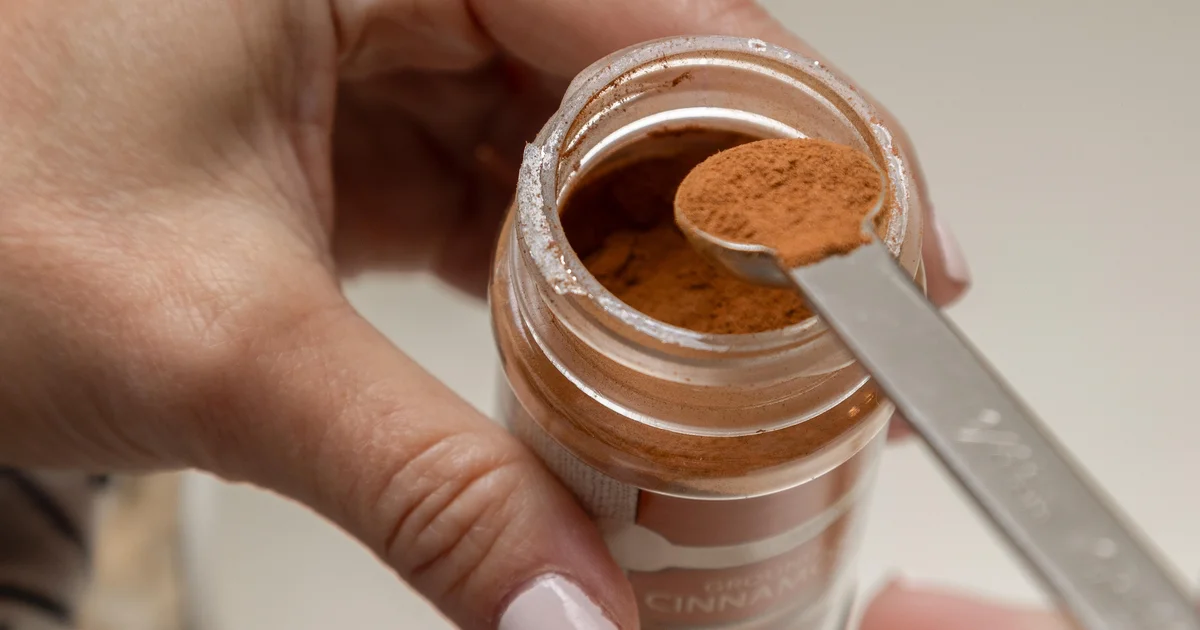
The FDA has identified 16 brands of ground cinnamon with elevated lead levels, posing health risks, especially to children, and has urged consumers to discard these products; several brands have already issued recalls.
The FDA has expanded a recall of 16 cinnamon brands due to elevated lead levels, which can cause health and neurological issues, especially in children. Consumers are advised to check their cinnamon products before holiday baking, stop using affected items, and dispose of them. No illnesses have been reported yet, but lead exposure can cause symptoms like abdominal pain, nausea, and behavioral changes.
A Consumer Reports investigation revealed that over two-thirds of tested protein powders and shakes contain unsafe levels of lead, especially plant-based products, with some exceeding safe daily limits by more than ten times, raising health concerns and prompting calls for increased regulation.
A report by Consumer Reports found that over a dozen protein powders contain unsafe or concerning levels of lead, with levels worsening compared to previous years, raising health safety concerns.
A Consumer Reports investigation found that over two-thirds of tested protein powders and shakes contain unsafe levels of lead, with plant-based products showing the highest contamination. The report calls for FDA action to regulate heavy metals in supplements, as current oversight is lacking.
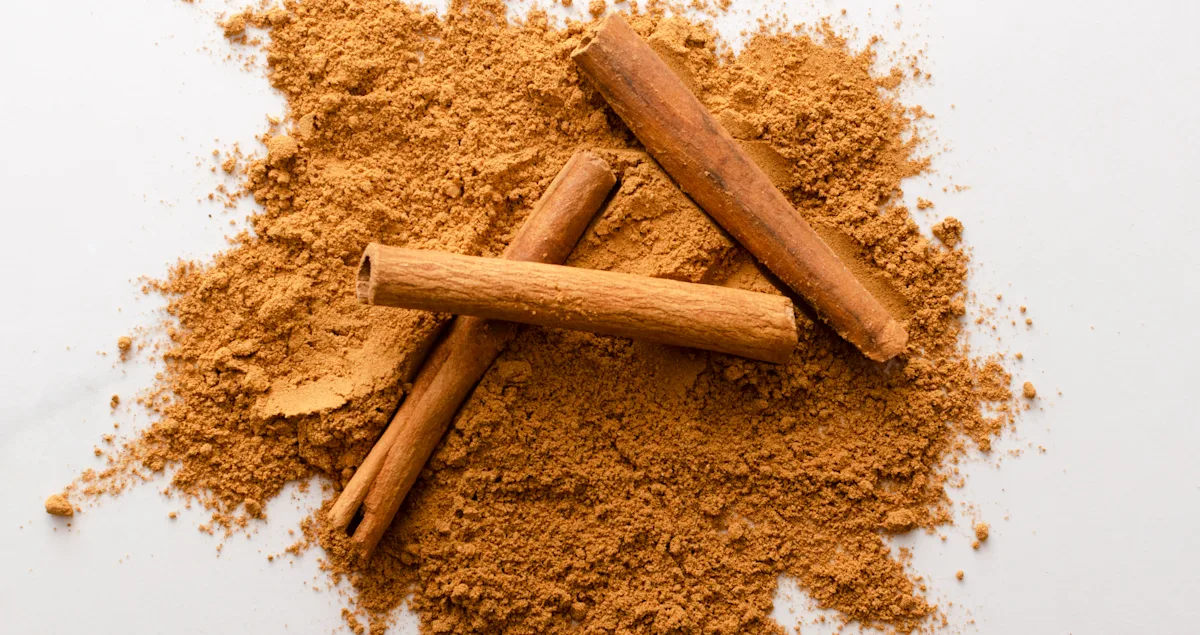
The FDA has recalled certain brands of ground cinnamon, including HAETAE, Roshni, Durra, and Wise Wife, due to elevated lead levels that pose health risks, especially with prolonged exposure. Consumers are advised to dispose of these products and check their cabinets to prevent potential health issues.
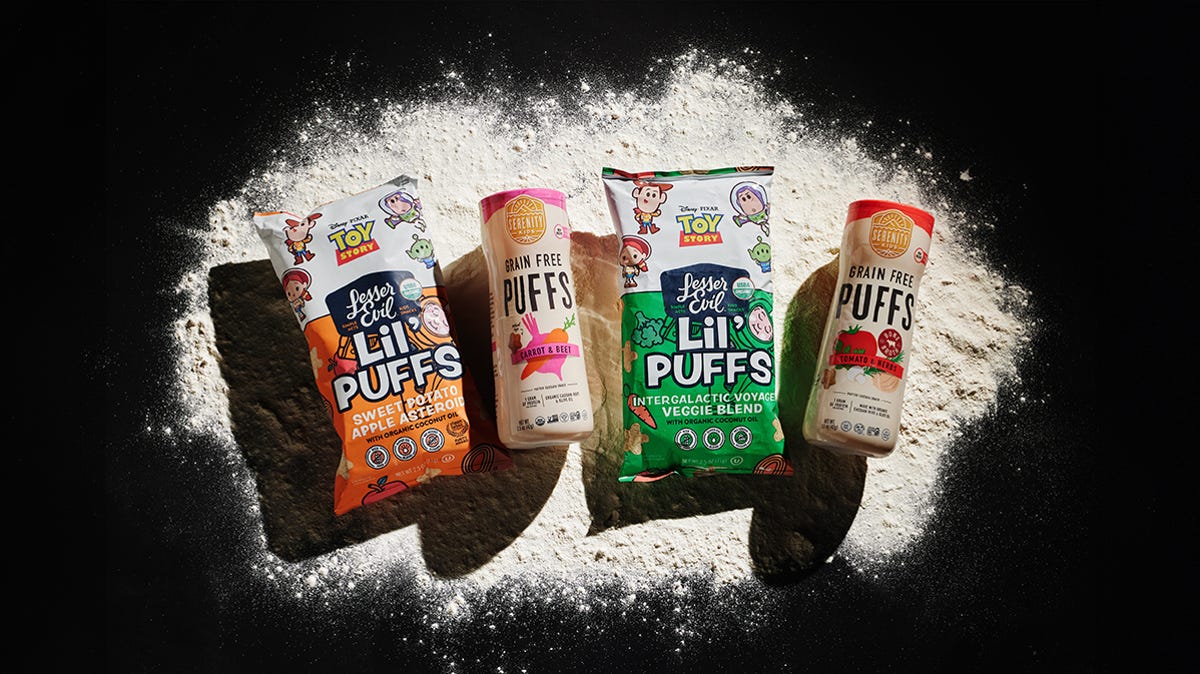
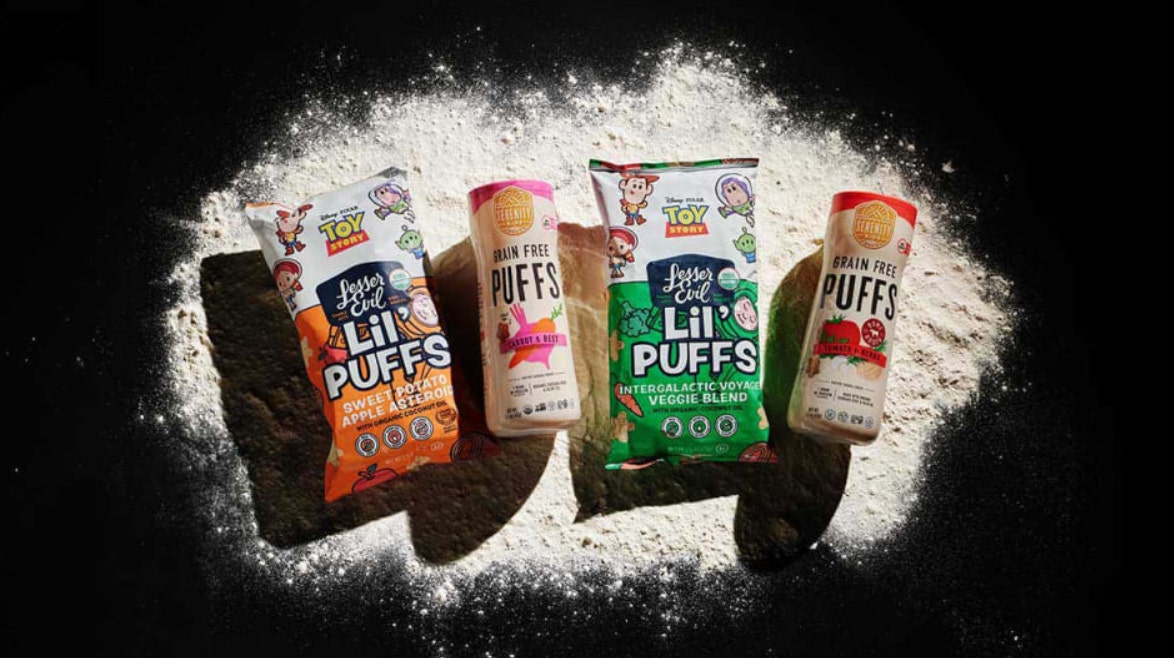
Consumer Reports has found high levels of lead in several children's snacks labeled as 'organic,' including products from LesserEvil and Serenity Kids, which are sold at major retailers. Once Upon a Farm's snacks showed the lowest lead levels ever tested. The report advises parents to limit their children's intake of these snacks and diversify their diet to reduce exposure to harmful metals. LesserEvil maintains that their products meet regulatory standards.
A Consumer Reports study found high levels of lead in popular kids' snacks from brands LesserEvil and Serenity Kids, with some products exceeding California Proposition 65's maximum allowable dose levels. The FDA currently lacks comprehensive standards for heavy metals in baby foods, prompting calls for stricter regulations. Serenity Kids maintains their products are safe and compliant with existing guidelines, while experts highlight the natural occurrence of lead in root vegetables like cassava.
Consumer Reports found that two brands of "healthy" chips for children, Lesser Evil and Serenity Kids, contain high levels of lead, a toxic metal linked to lower IQ, ADHD, and autism. The FDA states there is no safe level of lead for children. The contamination likely comes from cassava, a root vegetable used in the chips, which can accumulate lead from soil. Both brands defended the findings, citing the natural occurrence of heavy metals in the environment.
Consumer Reports found concerning levels of lead in some veggie puffs made by Lesser Evil and Serenity Kids, posing potential developmental risks for children. Despite being marketed as healthy alternatives, these cassava-based snacks contain heavy metals that could accumulate over time. Both companies defended their products, citing adherence to safety standards, while Consumer Reports advised limiting consumption. The findings highlight ongoing concerns about heavy metals in baby foods, prompting calls for stricter regulations.
Several U.S. discount retailers have recalled ground cinnamon due to high levels of lead contamination, following an FDA safety alert. The affected brands include Marcum, Supreme Tradition, El Chilar, and Swad, among others. Lead in spices can come from natural sources, environmental pollution, or manufacturing processes, and poses significant health risks, especially to children. Consumers are advised to buy spices from reputable sources to avoid contamination.