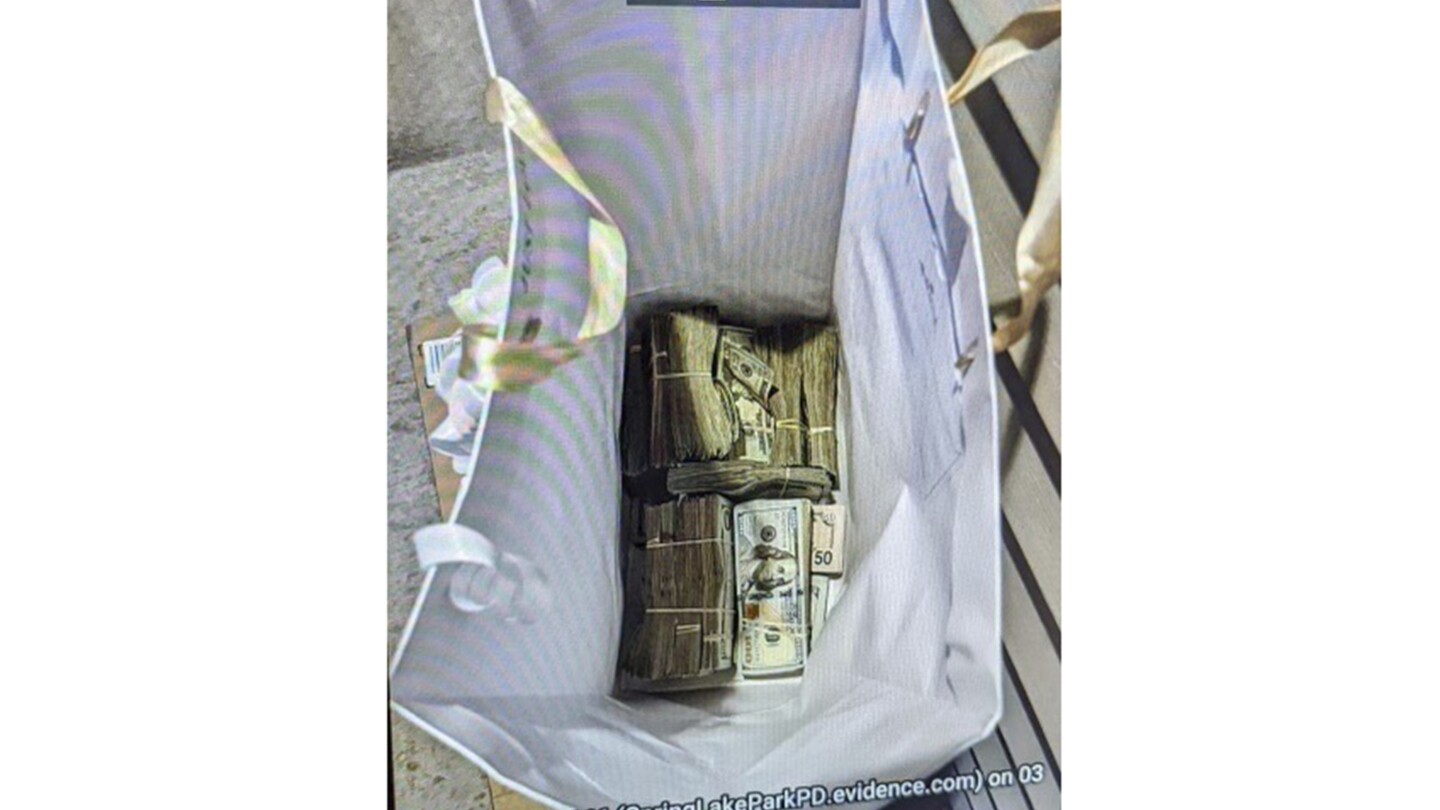
Authorities in Minnesota are investigating an attempted bribery of a juror with $120,000 in cash to acquit defendants accused of stealing over $40 million from a pandemic food aid program. The juror reported the bribe, leading to her dismissal and the sequestering of the jury. The seven defendants, part of a larger group facing trial for the $250 million fraud, have been detained, and their phones confiscated as the investigation continues.
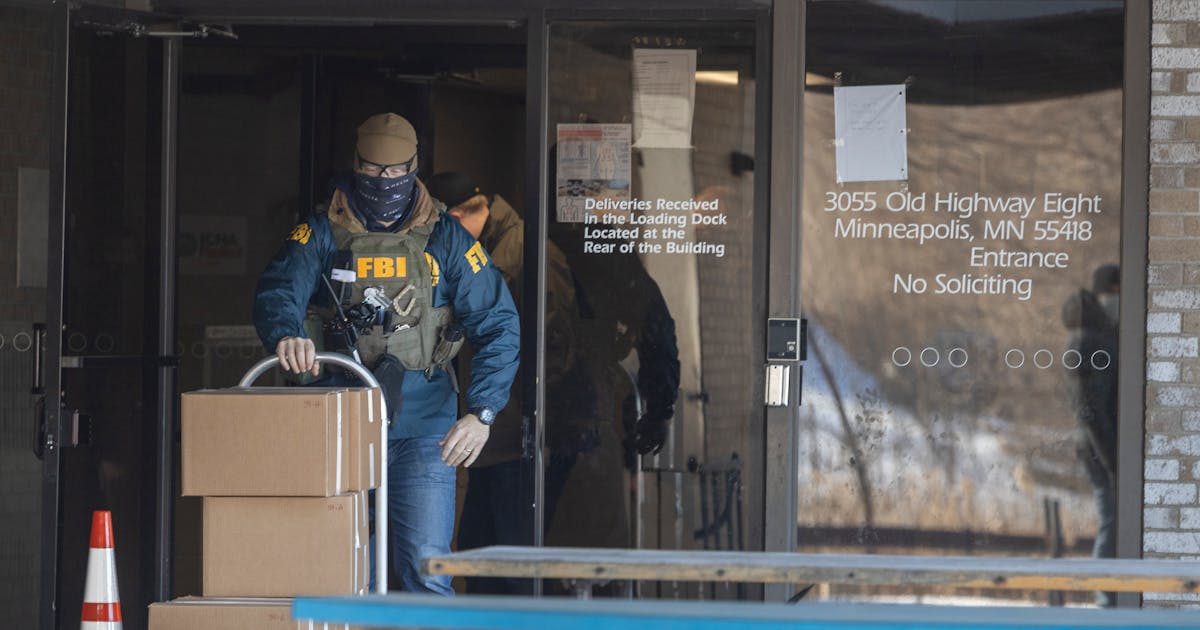
A juror in the Feeding Our Future federal trial was dismissed after a woman attempted to bribe her with $120,000 in cash to acquit the defendants. The juror reported the incident to police, and the trial, involving a $250 million pandemic fraud scheme, continues with the jury now sequestered.
Texas Attorney General Ken Paxton filed a lawsuit to halt a guaranteed income program in Harris County, Texas, that aims to provide $500 monthly cash payments to 1,928 residents for 18 months using federal pandemic relief funds. Paxton labeled the program a "socialist experiment" and claimed it violates the Texas Constitution, prompting a legal battle between the Democratic stronghold of Harris County and the GOP-dominated state government. The program, known as Uplift Harris, has faced criticism from Republican officials as an "unbelievable waste" of taxpayer dollars, while county officials argue it is a legitimate anti-poverty initiative.
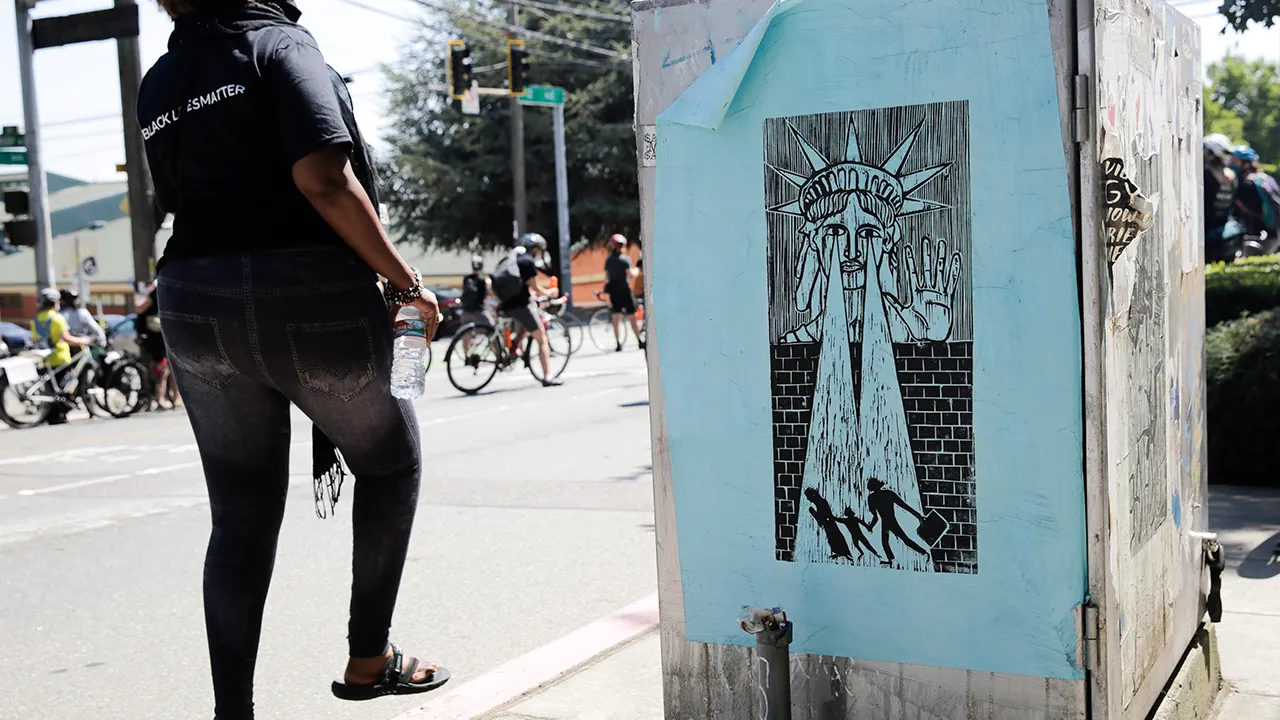
A report reveals that Washington state diverted $340 million in federal COVID funds to provide $1,000 checks to illegal immigrants who were ineligible for federal economic impact payments. The funds were administered through the Coronavirus State and Local Fiscal Recovery Fund and were intended to aid state and local governments in responding to the pandemic. The report criticizes the use of these funds for cash grants to undocumented immigrants and highlights similar projects in other states. Concerns have been raised about the impact of such spending on illegal immigration, with calls for lawmakers to stop the use of these funds for this purpose.
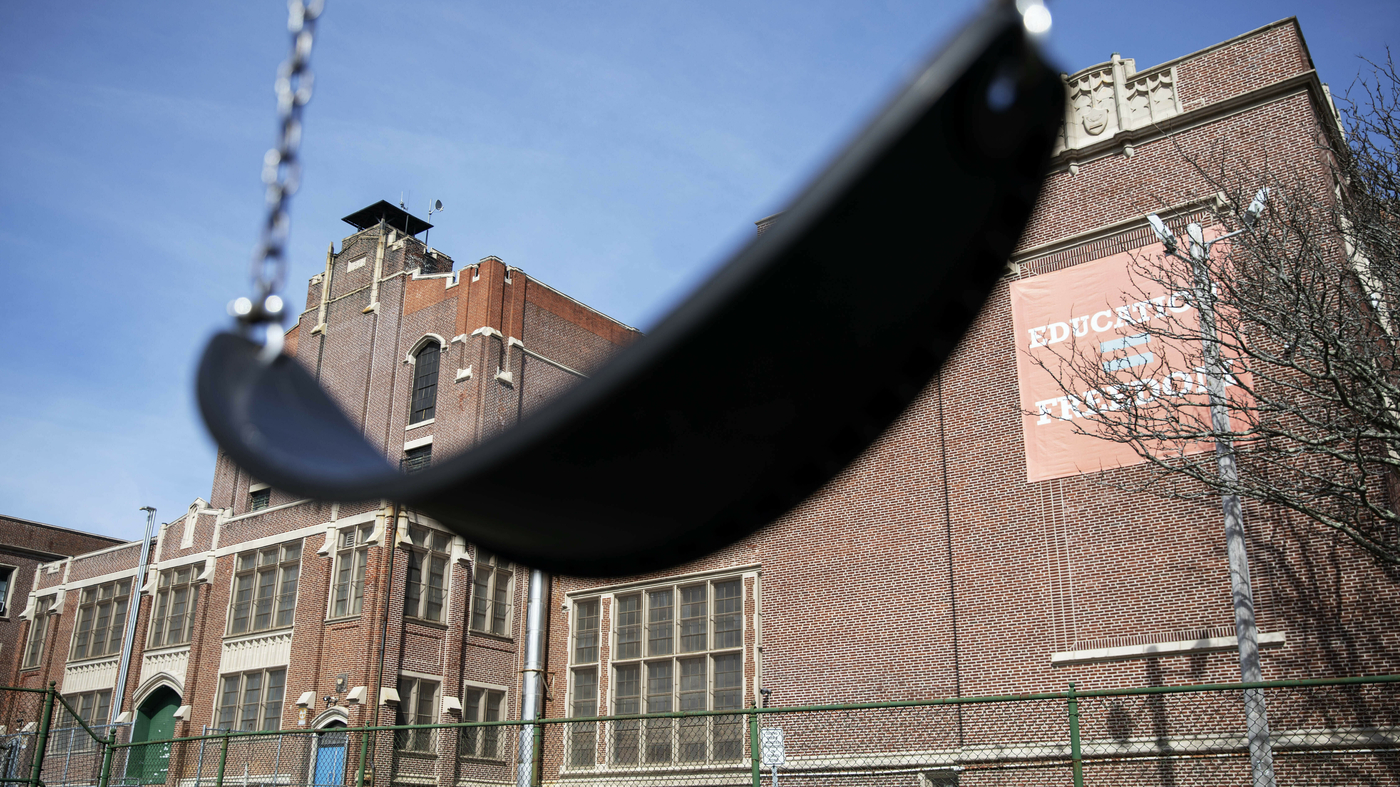
Kentucky has found a creative solution to address staffing shortages in the child care sector by making child care free for all child care employees, regardless of household income. This incentive has led to an increase in the number of children receiving state subsidies for child care and has allowed child care centers to fully staff their operations. Other states are now looking to replicate this model to attract and retain child care workers. However, some child care centers still struggle to afford offering free or discounted child care, leading to waiting lists and challenges in retaining qualified staff.
The child poverty rate in the U.S. has more than doubled in the year since pandemic benefits ended, according to Census Bureau data. The child poverty rate, which hit a historic low of 5.2% just a year ago, now stands at 12.4%, the same as the overall poverty rate. Experts attribute this rise to the end of the expanded child tax credit, which was a key factor in reducing poverty initially. The credit disproportionately benefits higher-income families, while low-income families lost out on this support when pandemic relief ended. The impact of the child tax credit on child poverty has sparked debate over reviving and expanding it, with Democrats pushing for its inclusion in tax negotiations. Several states have taken action to implement their own child tax credits to support low-income parents. Median household income also fell by 2.3% last year, while inflation outpaced wage gains, leading to economic insecurity for many Americans.
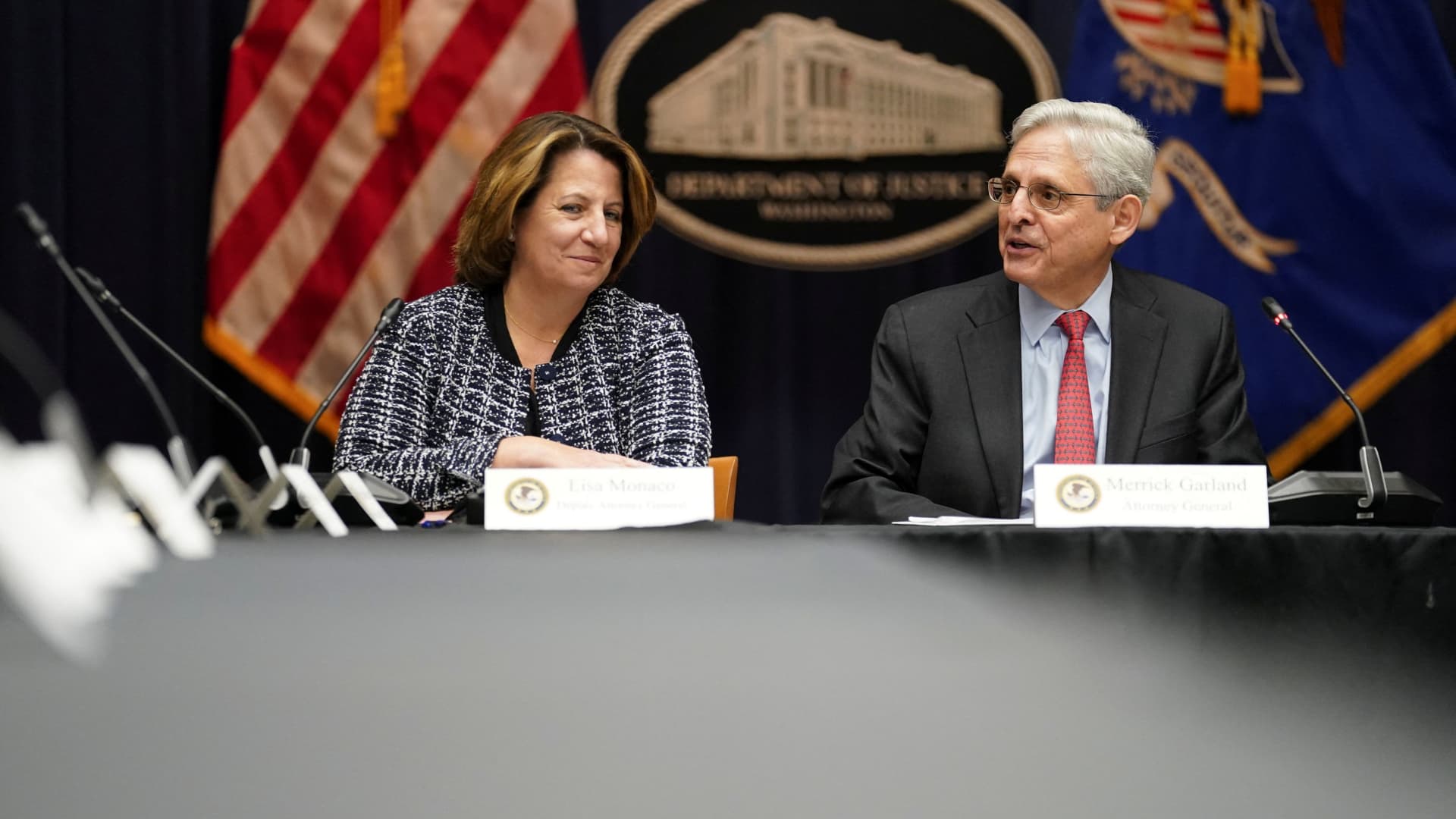
The U.S. Department of Justice (DOJ) has charged over 300 individuals in a nationwide sweep targeting more than $830 million in Covid-19 fraud. The DOJ filed criminal charges against 371 people and recovered $231 million in stolen money, with some defendants having connections to violent crime and transnational criminal networks. The charges include fraudulent applications for assistance through the Paycheck Protection Program and Economic Injury Disaster Loans. The DOJ has established strike teams and task forces to recover stolen pandemic relief funds, resulting in criminal charges against over 3,000 individuals and the seizure of over $1.4 billion so far.
As the pause on student loan payments comes to an end, many borrowers are facing the reality of resuming their loan payments, causing financial strain and uncertainty. The three-year pause provided a financial cushion for borrowers, allowing them to use the money for various purposes such as paying off credit card debt, buying homes, and supporting family members. However, with the resumption of payments, borrowers are now figuring out how to fit these payments into their budgets. The burden of student loan debt has led some borrowers to reconsider major life decisions, such as having children. Others have redirected the saved money towards home renovations and vacations. The end of the payment pause has left many borrowers concerned about their financial future.
A government watchdog report reveals that over $200 billion in potential fraud was squandered by the federal government in its rush to provide pandemic relief to small businesses during the COVID-19 crisis. The report highlights the Paycheck Protection Program (PPP) and the Economic Injury Disaster Loans (EIDL) as the programs with the highest potential for fraud. While approximately $30 billion of fraudulent funds have been reclaimed so far, experts fear that the unprecedented levels of fraud may hinder future emergency relief efforts. The report also notes that many fraudsters used stolen social security numbers, victimizing innocent individuals in the process. The government has distributed an estimated $5 trillion in relief funds since the start of the pandemic, with over 2,230 defendants facing charges for pandemic-related fraud crimes.
A federal watchdog investigating COVID-19 relief initiatives has estimated that over $200 billion may have been stolen from the Paycheck Protection Program (PPP) and COVID-19 Economic Injury Disaster Loan (EIDL) programs. The report highlights the vulnerability of these programs to fraudsters, with at least 17% of funds disbursed to potentially fraudulent actors. The fraud estimate for the EIDL program is over $136 billion, representing 33% of total spending, while the PPP fraud estimate is $64 billion. The Biden administration has implemented stricter rules to combat fraud, but the scale of potential losses is concerning, with consequences including inflated house prices and increased consumer spending in areas with high amounts of fraudulent funds.
The Employee Retention Tax Credit, a pandemic-era program that offers businesses thousands of dollars per employee if they can show that Covid-19 was hurting their bottom lines, has become a magnet for fraud, creating a cottage industry of firms that market themselves as tax credit specialists who can help clients reap huge refunds from the IRS. The IRS has already paid out $152 billion in refunds associated with the tax credit since it first became available and has a backlog of about 800,000 applications that it is trying to process. The IRS is concerned that firms that are processing applications for the credit at high volume are overlooking important restrictions in order to rake in bigger refunds and commissions.
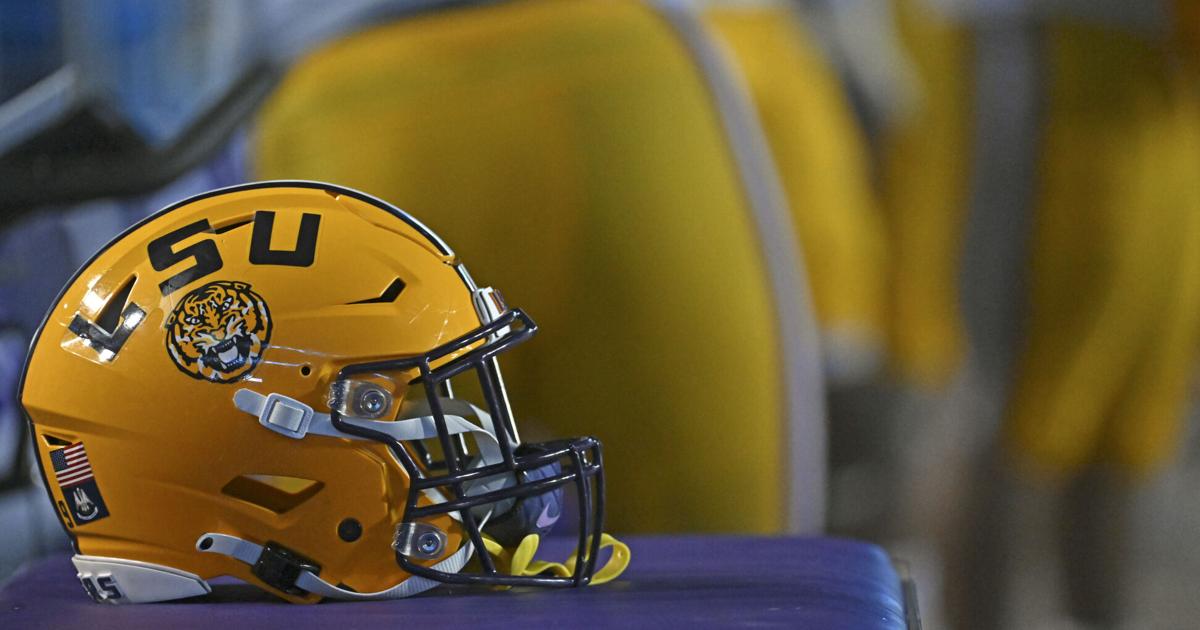
LSU football's academic progress rate fell to 923 during the 2021-22 academic year, below the NCAA's minimum benchmark of 930, but the team won't face penalties due to pandemic relief. The NCAA will resume imposing penalties next spring, with punishments for the 2024-25 season. LSU's multiyear score has been the lowest in the Southeastern Conference for the fifth straight year. However, six LSU teams reached a perfect multiyear APR score of 1,000. LSU head coaches receive bonuses for meeting certain multiyear APR scores.
SoFi, an online personal finance company, is suing the Department of Education to end the pause on federal student loan payments and force tens of millions of debtors to repay their debts faster. The company, which has over $1 billion in revenue from private student loans and other offerings, is a competitor to the U.S. government, luring away borrowers who have high balances and the incomes to make the debt affordable. SoFi's lawsuit comes after pandemic relief legislation made it possible for federal student loan borrowers to stop making payments without any financial penalty, causing a 54% drop in new SoFi student loan originations.