Tag

Flavonols

All articles tagged with #flavonols

health-and-wellness1 year ago

"Longevity Boost: The Power of Flavonol-Rich Foods"

A study suggests that diets rich in flavonol-containing foods, such as fruits, vegetables, and tea, are associated with lower mortality and disease risk. The research found that higher flavonol intake is linked to reduced all-cause mortality and mortality risk from specific chronic diseases, including cancer, cardiovascular disease, and Alzheimer's disease. While the study has limitations, experts recommend increasing flavonol intake through a healthy and varied diet rather than relying on supplements. Incorporating flavonol-rich foods, such as tea, dark chocolate, legumes, fruits, vegetables, and herbs, may offer health benefits, particularly for individuals over 40.

health-and-nutrition1 year ago

"Debunking the Myth: The Truth About Dark Chocolate's Health Benefits"

Nutritionists and experts debunk the idea of "healthy" chocolate, stating that the flavonols in dark chocolate are present in such small amounts that consuming enough for health benefits would lead to excessive calorie intake and potential health risks. Despite claims of being "better-for-you," many chocolate products contain added sugars and fats, contributing to excess calories. While chocolate can be enjoyed in moderation as part of a balanced diet, experts caution against excessive consumption and recommend limiting daily intake to around 100 calories worth of chocolate.

health-and-nutrition2 years ago

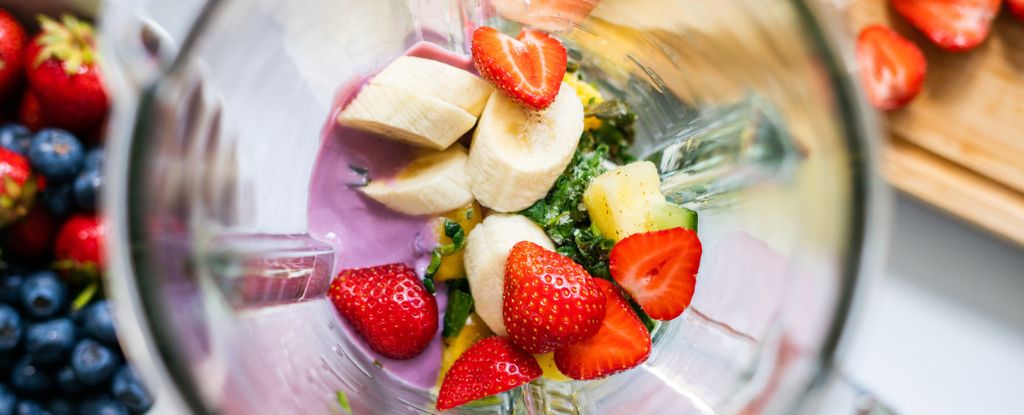
"Unexpected Study Advises Against Popular Fruit in Smoothies"

Researchers from the University of California Davis found that adding a banana to a berry smoothie can significantly reduce the levels of beneficial flavonol metabolites in the blood by 84 percent. This is likely due to an enzyme in bananas called polyphenol oxidase (PPO), which interacts with the antioxidants. The study suggests that the way we prepare and combine foods can impact the absorption of dietary compounds, indicating that bananas might inhibit the health benefits of flavonols found in berries and other plant-based foods. Further research is needed, but the findings highlight the importance of food combinations in our diet for maximizing health benefits.

health2 years ago

"Nutrition Boosts Brain Health and Reduces Frailty Risk in Older Adults"

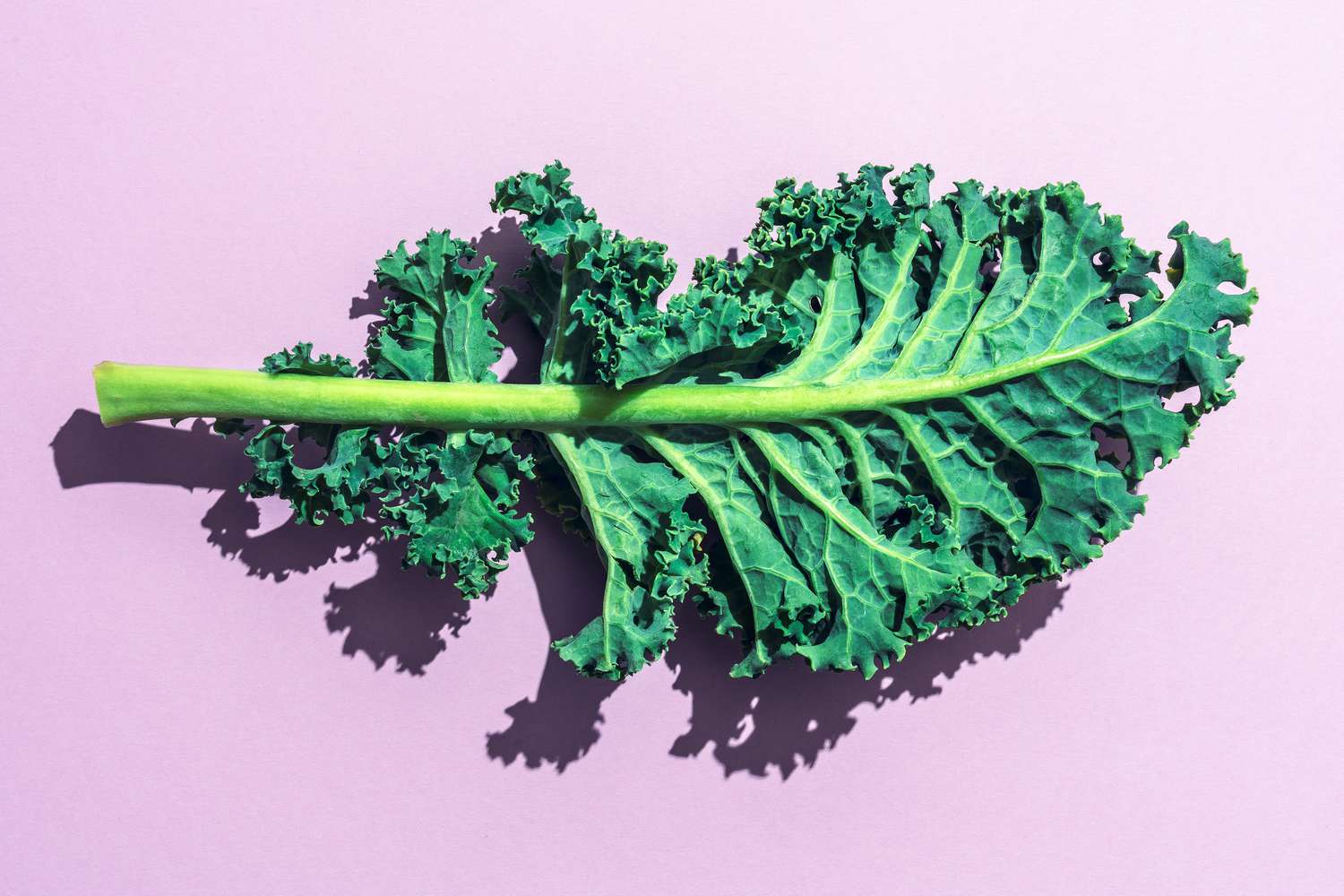
A recent study published in the American Journal of Clinical Nutrition found that increased intake of flavonol-rich foods, especially those high in quercetin, was associated with a reduced risk of age-related frailty. Flavonols are a subclass of plant compounds found in many plant foods, and they are known for their antioxidant properties that help reduce inflammation and disease-causing free radicals in the body. While there is no official daily intake recommendation for flavonols, healthcare professionals recommend consuming at least five to nine servings of fruits and vegetables per day, which are the primary sources of flavonols in the diet. Some of the best sources of flavonols include grapes, kale, green tea, and pistachios.

health2 years ago

Flavanol-rich foods lower frailty risk.

Eating fruits and vegetables containing flavonols can lower the risk of developing frailty as you age. Flavonols are a class of natural plant pigments with various health benefits that are found in fruits, vegetables, and certain beverages such as tea and wine. The study’s findings suggest that consuming just 10 mg of flavonols can be beneficial for decreasing the risk of frailty by 20%. Quercetin, a flavonol found in fruits and vegetables, can decrease the chances of frailty later in life.

health2 years ago

Flavanol-rich foods lower frailty risk.

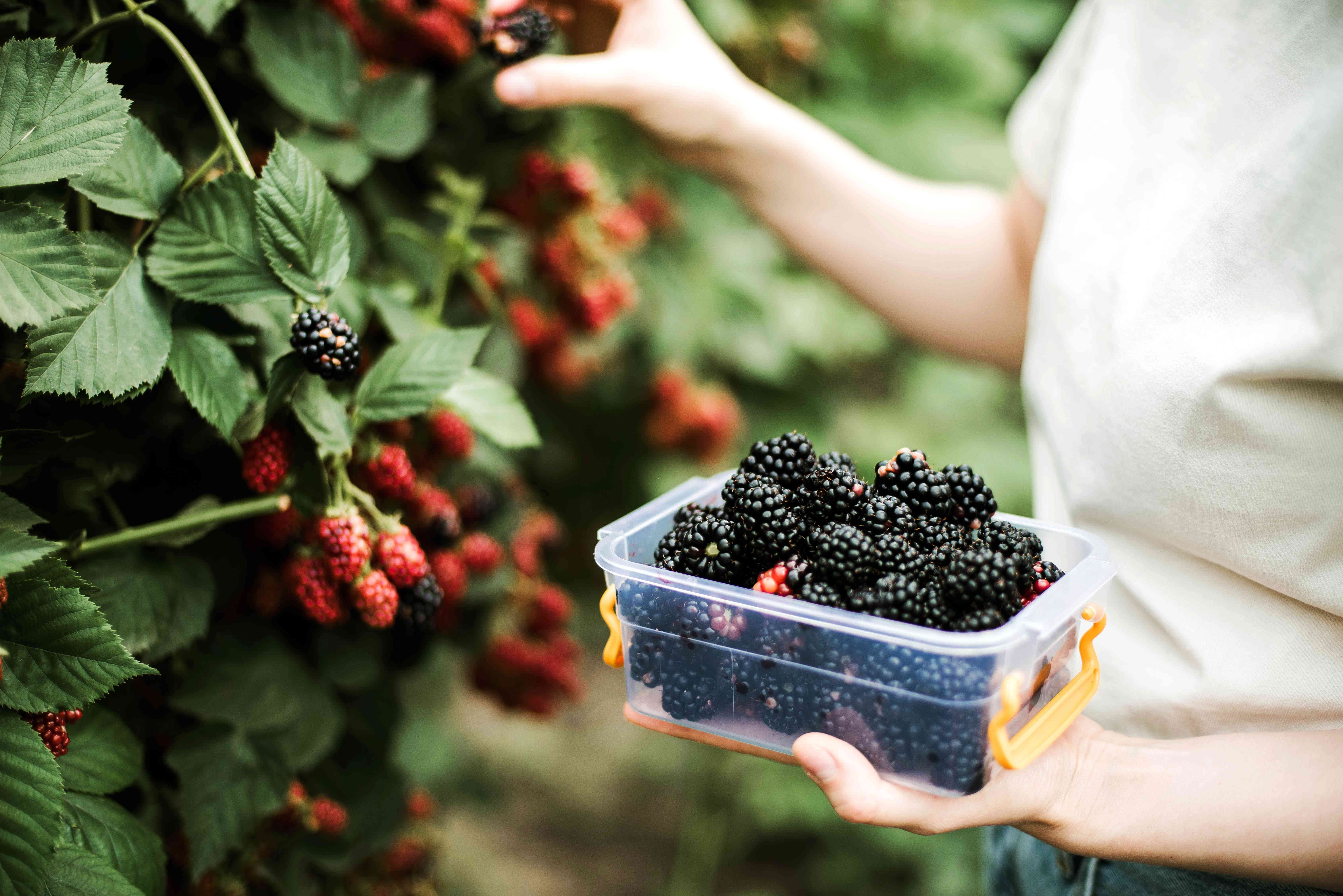
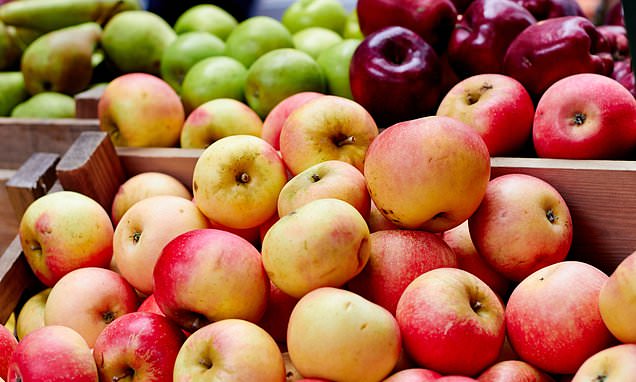
Eating fruits and vegetables containing flavonols, such as apples, grapes, berries, onion, kale, and spinach, can lower the risk of developing frailty as you age. Frailty is a geriatric syndrome that includes symptoms such as unintentional weight loss, decreased strength, decreased energy and fatigue, slower walking speed, decreased mobility, and decreased physical activity. The study found that consuming just 10 mg of flavonols can decrease the risk of frailty by 20%. Specifically, a flavonol called quercetin, found in apples, citrus fruits, tea, red wine, and dark berries such as blackberries, can decrease the chances of frailty later in life.

health2 years ago

The Power of Apples in Preventing Frailty.

Eating foods that contain flavonols, such as blackberries and apples, can lower the risk of becoming frail in older age, according to a study. Researchers analyzed the diets and frailty status of 1,701 people for 12 years and found that for every extra 10mg of flavonols people ate per day, the odds of developing frailty were reduced by 20%. One type of flavonol in particular, called quercetin, had the strongest link with frailty prevention and is primarily found in apples, dark berries, citrus fruits, onions, parsley, and sage. Frailty affects 10% of adults over the age of 65 and can have a severe long-term impact on health and wellbeing.

health2 years ago

The Power of Apples in Preventing Frailty in Old Age

Eating a medium-sized apple every day in your sixties can help protect against the infirmity that comes with old age, according to a study. The fruit contains a particularly beneficial flavonol called quercetin, just 10mg of which reduces the odds of frailty by 20 per cent. Flavonols help to regulate cellular activity and work as anti-oxidants to fight off free radicals that cause oxidative stress and damage in the body. The research was based on data from volunteers enrolled in the Framingham Heart Study, which has monitored the health of residents of Framingham, Massachusetts since the 1940s.

health2 years ago

Maximizing Brain Health: The Importance of Flavonols and Expert Nutrition Tips.

A recent study argues that flavonols, a class of flavonoids that naturally occur in plants, may significantly slow down cognitive decline. Researchers at the Rush University Medical Center in Chicago found that people who ate the most flavonols experienced the slowest rate of cognitive decline per decade as compared to people who ate the lowest amount flavonols. The study tracked four classes of flavonols: kaempferol, quercetin, myricetin, and isorhamnetin, and found that foods with high levels of each flavonol include spinach, kale, berries, tea, and certain nuts.