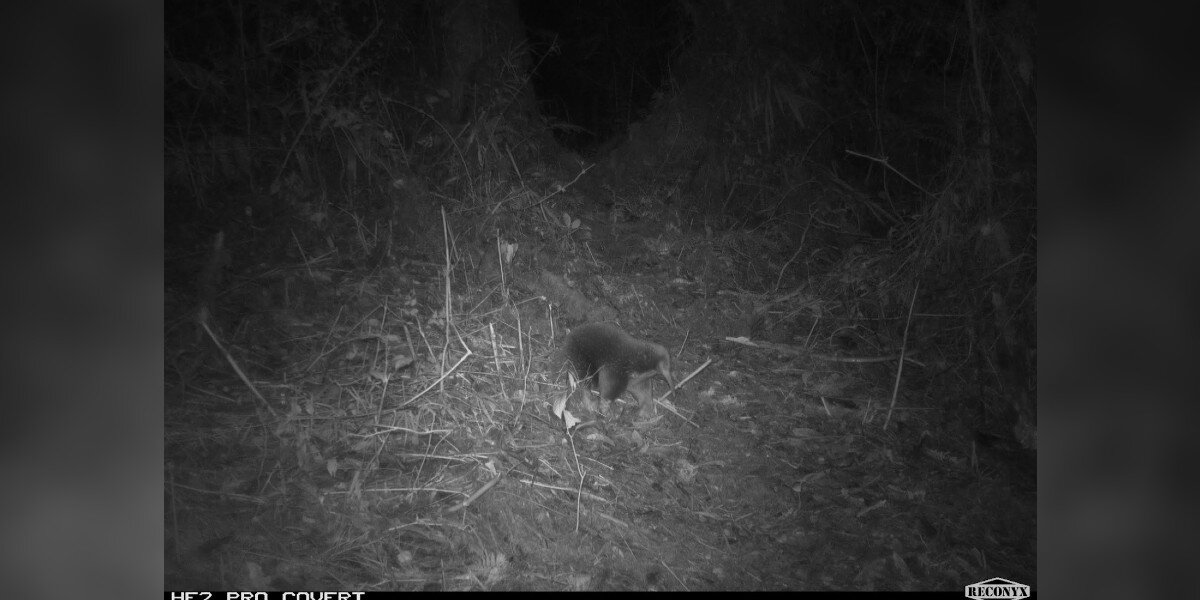
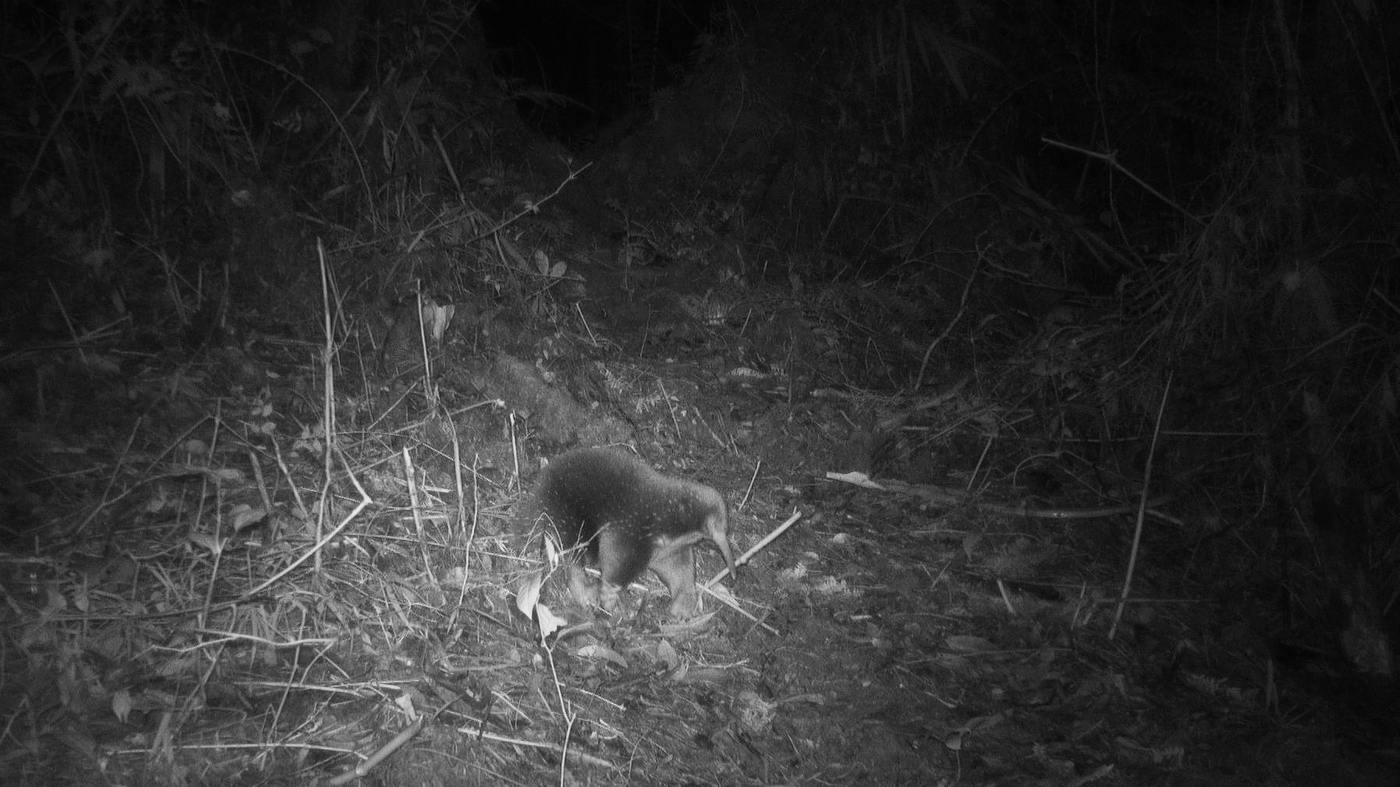
Scientists from Oxford University rediscovered and captured footage of the 200-million-year-old species Attenborough's long-beaked echidna in Indonesia, proving it is not extinct as previously thought, and highlighting the importance of biodiversity preservation.
Australian biologists studied the unique pseudo-pouch of echidnas, revealing how its microbiome changes during lactation to support the helpless young, and found that these changes are primarily driven by the mother's milk rather than environmental factors.
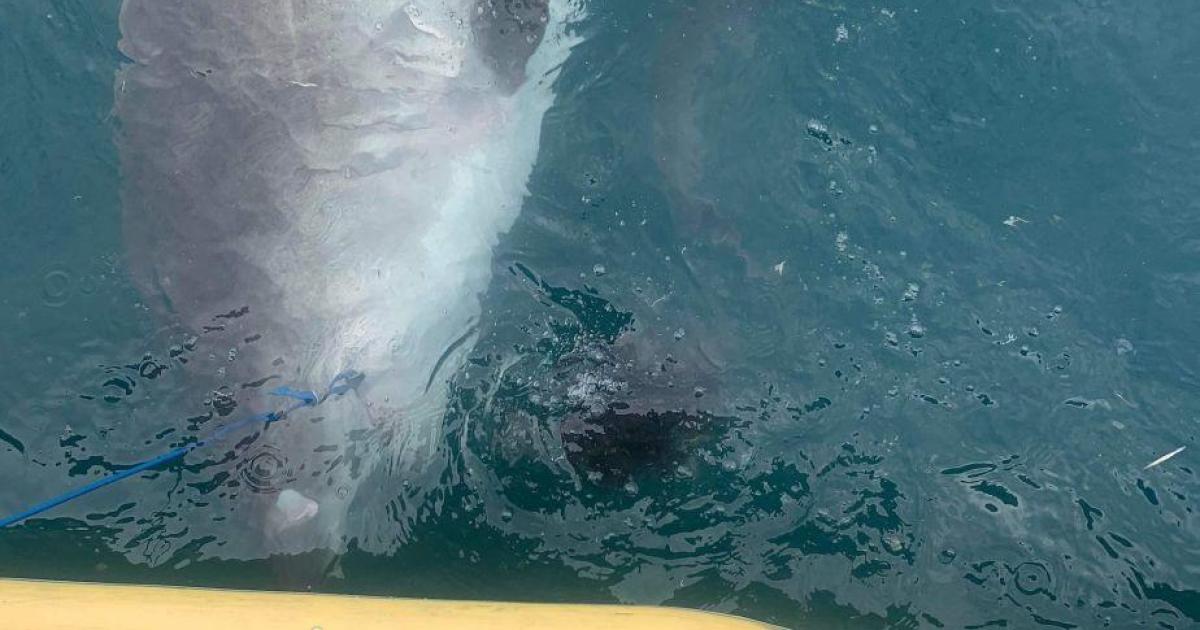
Australian scientists were shocked when a tiger shark they were tagging regurgitated a dead echidna, a spiky land-loving creature, off the coast of Orpheus Island. The incident occurred during a research project by James Cook University aimed at understanding marine life behavior. The shark was unharmed and released back into the water with an acoustic tracker.
In a rare and shocking event, researchers from James Cook University observed a tiger shark regurgitating a whole echidna off the coast of Orpheus Island, Australia. The echidna was found dead but fully intact, and the shark was unharmed and released back into the water. This unusual behavior is thought to occur when sharks are stressed. Another shark in the study also regurgitated half a dugong, highlighting the tiger shark's gluttonous and scavenging nature.
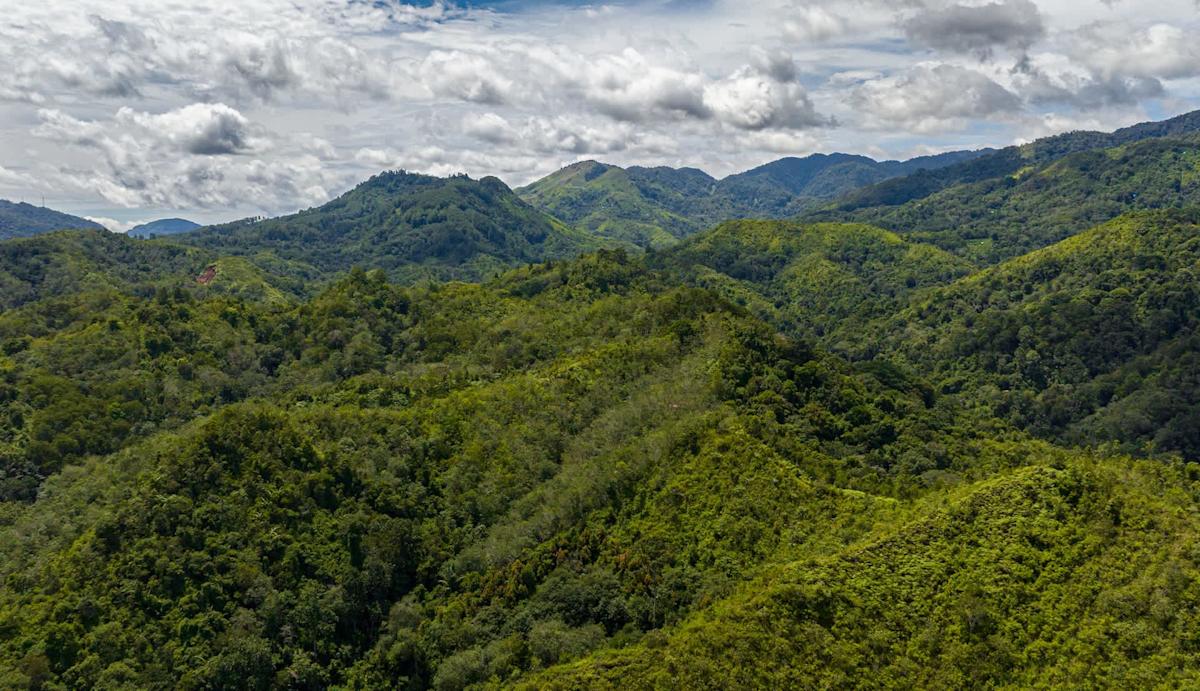
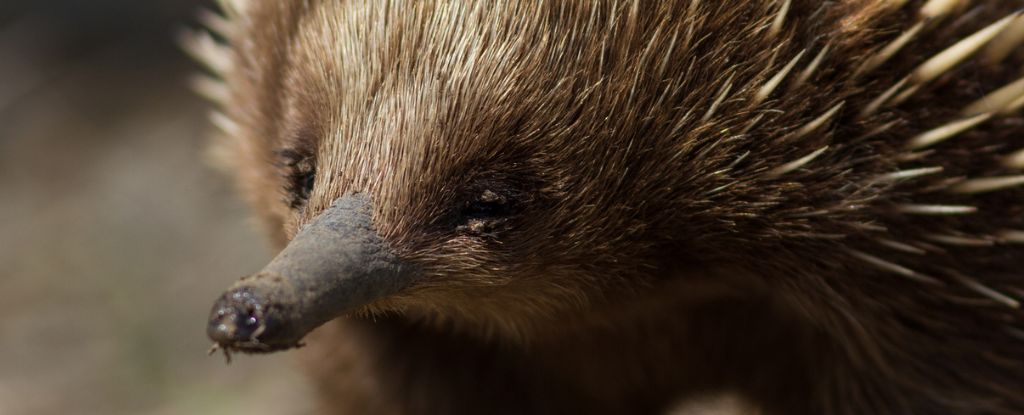
A team of researchers from the University of Oxford captured the first-ever footage of the thought-to-be-extinct Attenborough's long-beaked echidna in Indonesia's Cyclops Mountains. The discovery of this spiny animal, assumed to be extinct for over 60 years, has brought great joy to the scientific community and offers hope for further understanding of this unique species of monotreme.
Researchers on an expedition in Papua New Guinea's Cyclops Mountains rediscovered Attenborough's long-beaked echidna, a species thought to be extinct. The echidna, named after David Attenborough, was captured on camera for the first time in over 60 years. This discovery is crucial for preserving the unique evolutionary history of monotremes, a group of egg-laying mammals. The echidna is classified as critically endangered, highlighting the need for conservation efforts in its Indonesian habitat. The expedition also uncovered new insect species, frog species, and a land-dwelling shrimp, emphasizing the region's biodiversity. The echidna has become a symbol for conservation in the Cyclops Mountains, and its rediscovery brings hope for protecting the area from deforestation.