Fossil fragments in northern Alaska reveal that ancient birds nested in the Arctic at least 73 million years ago, 30 million years earlier than previously thought, indicating early adaptation to extreme climates and reshaping our understanding of avian evolution during the Late Cretaceous period.
Archaeologists have discovered a nearly complete skull of the extinct giant bird Genyornis newtoni in Australia, revealing it was more closely related to waterfowl than emus, with unique adaptations for wetland feeding and a likely extinction around 45,000 years ago due to environmental changes and human activity.
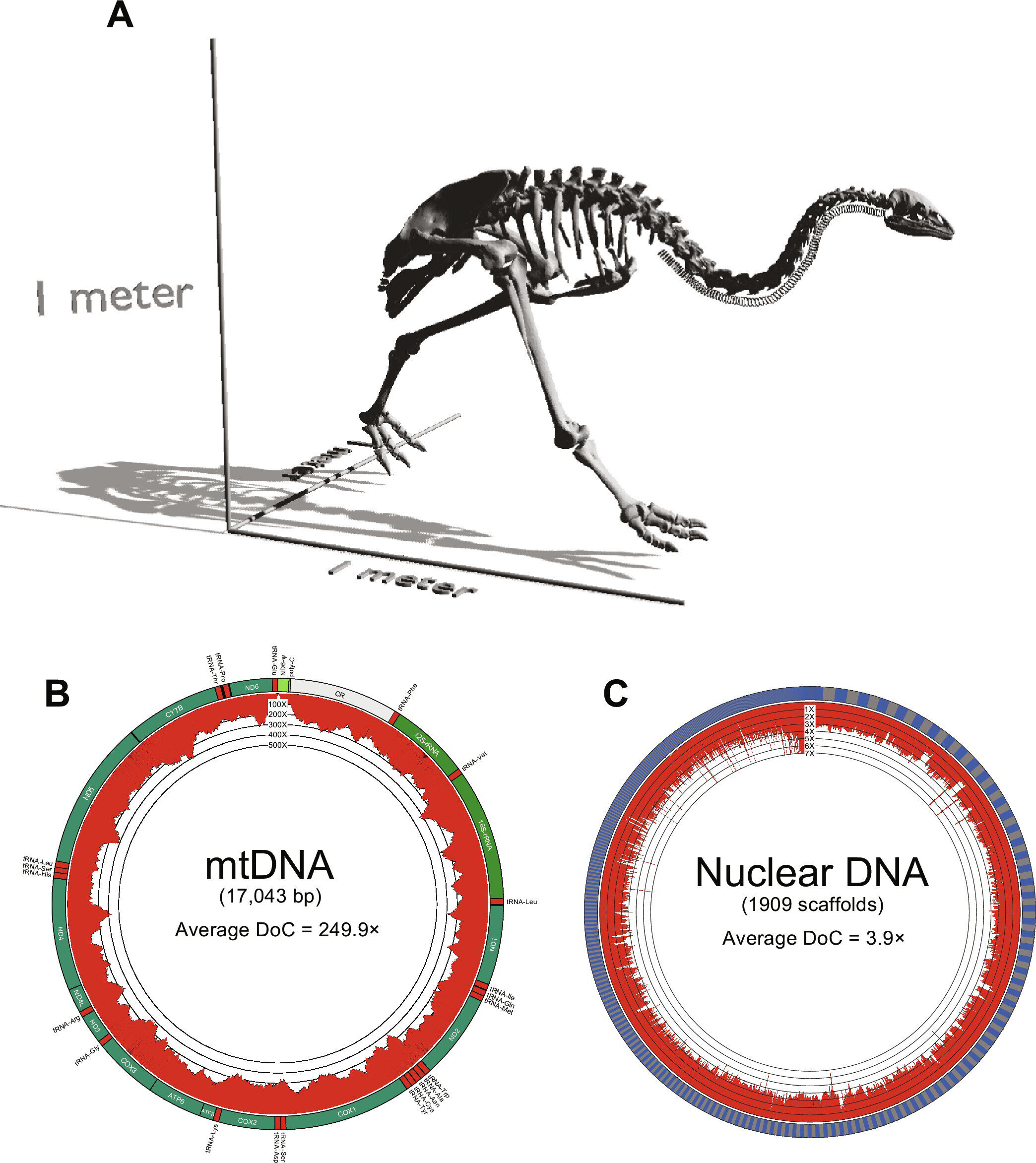
Researchers from Harvard University and other institutions have successfully reconstructed the genome of the extinct little bush moa, a flightless bird that once inhabited New Zealand. By sequencing DNA from a fossilized bone, they uncovered insights into the bird's vision, diet, and evolutionary history, providing valuable data for avian evolution studies.
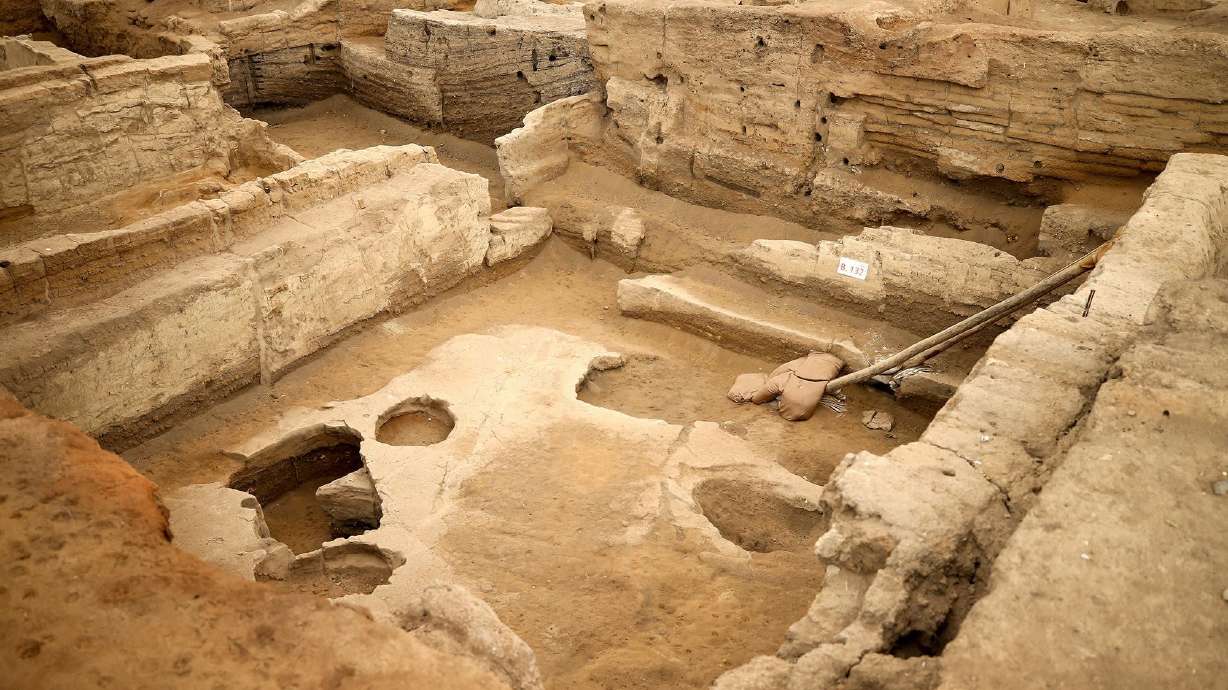
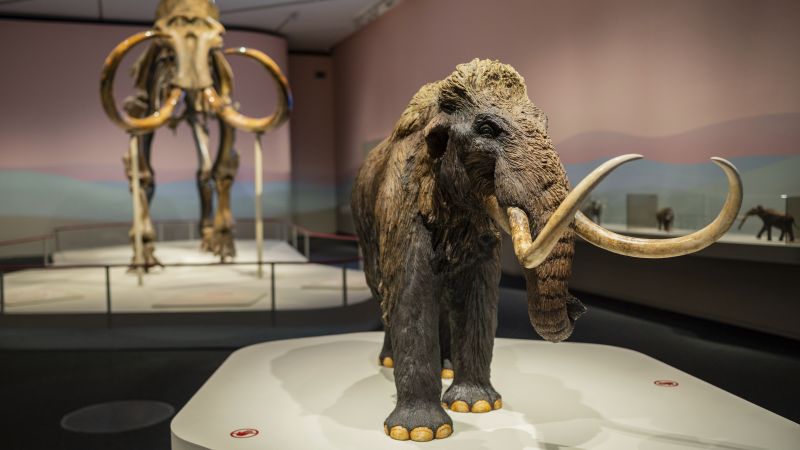
Scientists have reprogrammed cells from an Asian elephant to potentially bring back the woolly mammoth, aiming to restore the Arctic tundra. The James Webb Space Telescope discovered the oldest "dead" galaxy, while archaeologists found the world's oldest known loaf of bread and warned of a potential extinction crisis for Camembert cheese. Researchers also unearthed a toothless bird species and a nearly complete titanosaur skeleton, and used a celestial method to determine ancient human presence in Europe 1.4 million years ago.
Scientists have successfully reprogrammed cells from an Asian elephant to potentially bring back the woolly mammoth, aiming to restore the Arctic tundra. The James Webb Space Telescope has discovered the oldest "dead" galaxy, while archaeologists found the world's oldest known loaf of bread and concerns arise over the future of Camembert cheese. A toothless bird fossil and a nearly complete titanosaur skeleton have been unearthed, changing our understanding of avian evolution. Additionally, a celestial method has dated ancient human artifacts in Europe to 1.4 million years ago.
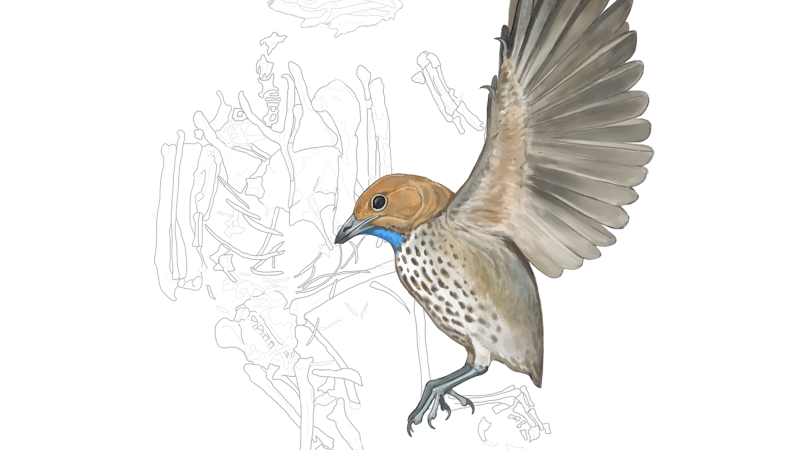
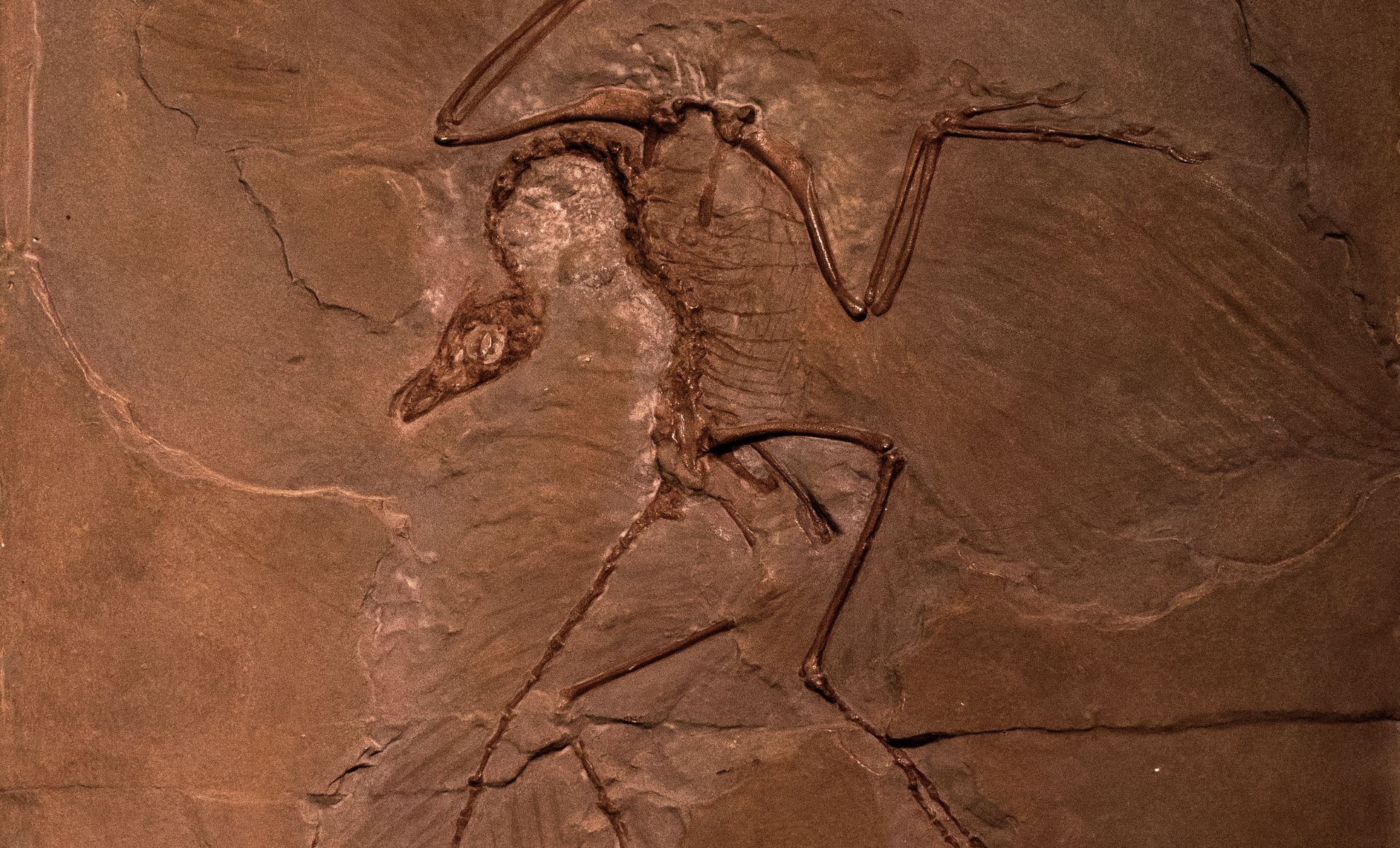
A newly discovered bird species, Imparavis attenboroughi, lived 120 million years ago and challenges previous understanding of avian evolution. The toothless bird belonged to a diverse group called enantiornithines and had unusual forelimbs, suggesting strong wing power. Its diet and reasons for toothlessness remain a mystery. The discovery sheds light on the complexity of bird evolution and the sixth mass extinction, providing valuable insights for understanding environmental changes.
A new study suggests that modern birds began diversifying tens of millions of years before the asteroid strike that led to the extinction of dinosaurs, indicating that the impact had limited impact on avian evolution. Researchers analyzed genomic data from 124 bird species and found that the common ancestor of modern birds lived approximately 130 million years ago. The study also suggests that a global warming event around 55 million years ago may have accelerated avian evolution, but questions remain about the steady accumulation of mutations and the impact of the asteroid on avian evolution.
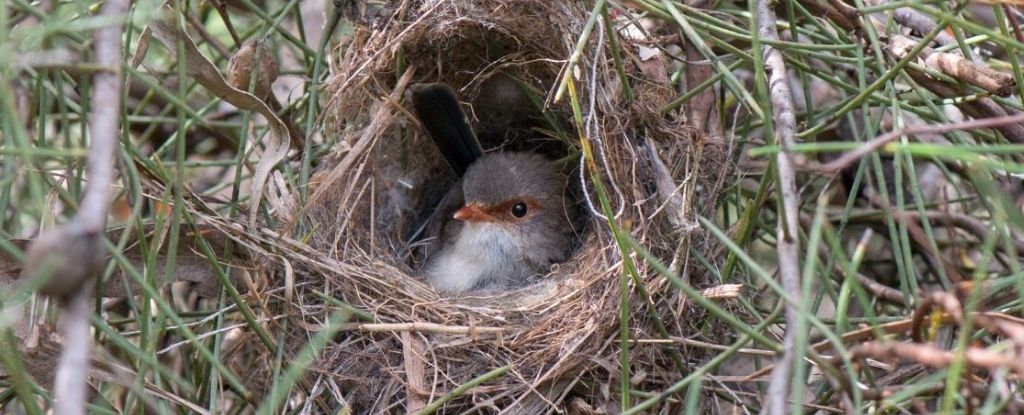
Female fairywrens in Australia have been discovered singing to their unhatched eggs, and their offspring learn and repeat parts of these songs after hatching. This behavior has been observed in eight related species and suggests that female birdsong is not an evolutionary mistake but serves an important purpose. The study sheds light on the role of maternal behavior and in ovo learning in avian evolution, challenging historical assumptions about female birdsong and providing insights into the cultural transmission of traits in bird populations.
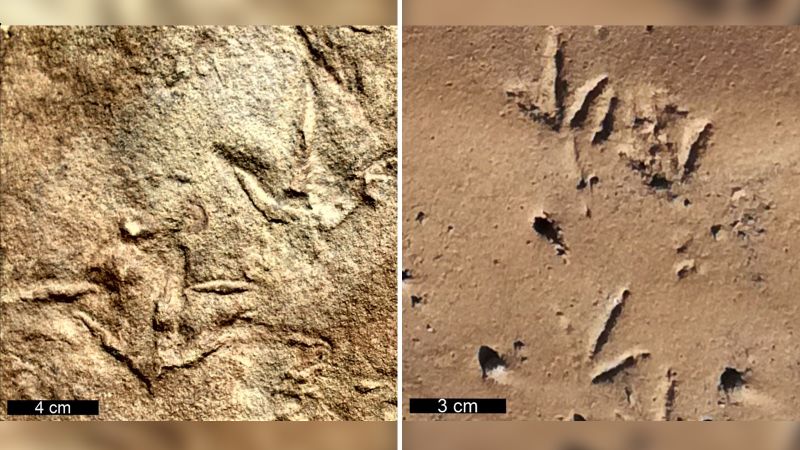
Analysis of three-toed fossil footprints found in southern Africa reveals that they are the oldest birdlike tracks ever found, predating the earliest known skeletal fossils of birds by about 60 million years. The footprints, likely made by dinosaurs, have birdlike features such as a shorter central digit and narrower toes. However, the identity of the animals that made the tracks remains unknown, leaving their relationship to birds unclear. The discovery provides insight into the morphological diversification of archosaurs during the Triassic Period and contributes to the understanding of dinosaur and bird evolution.