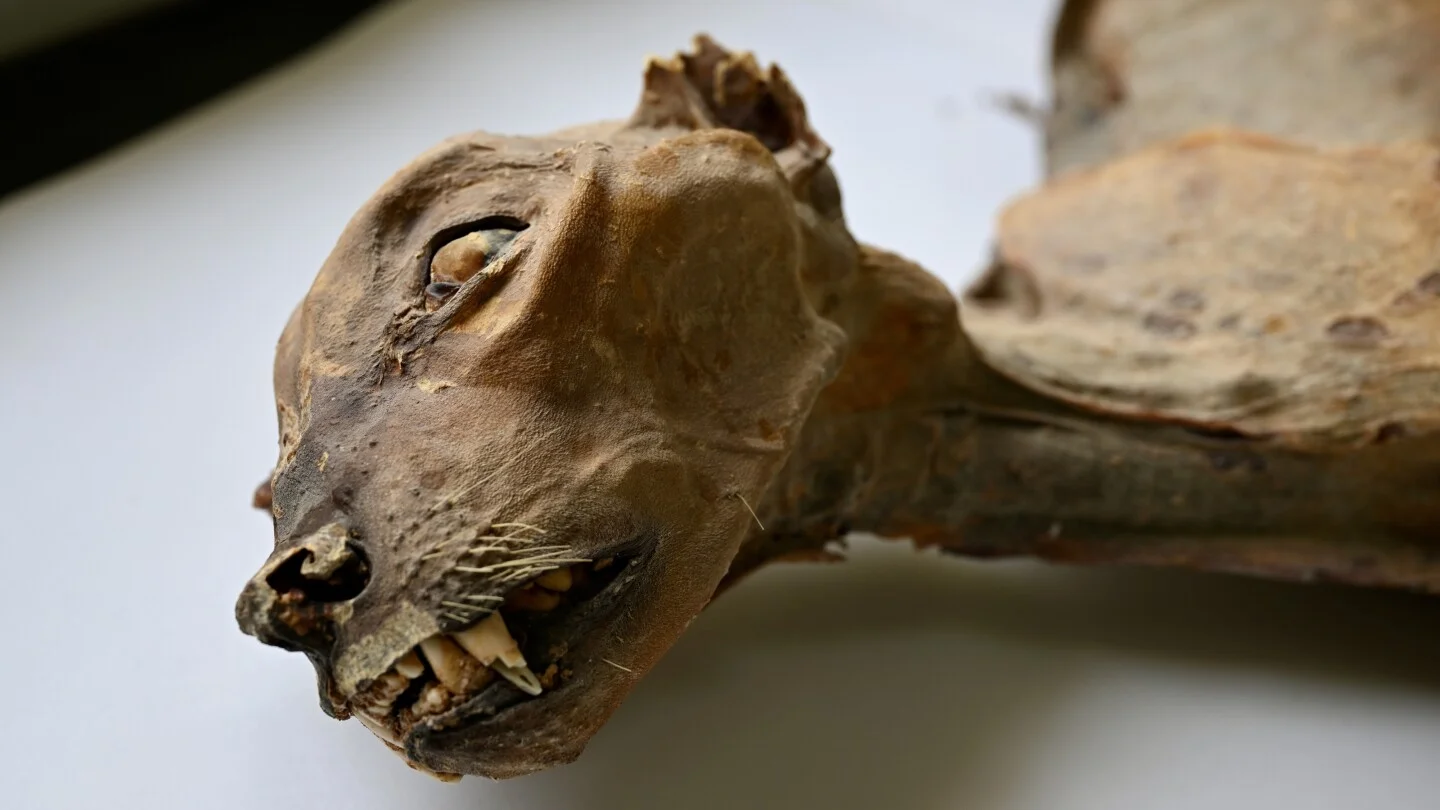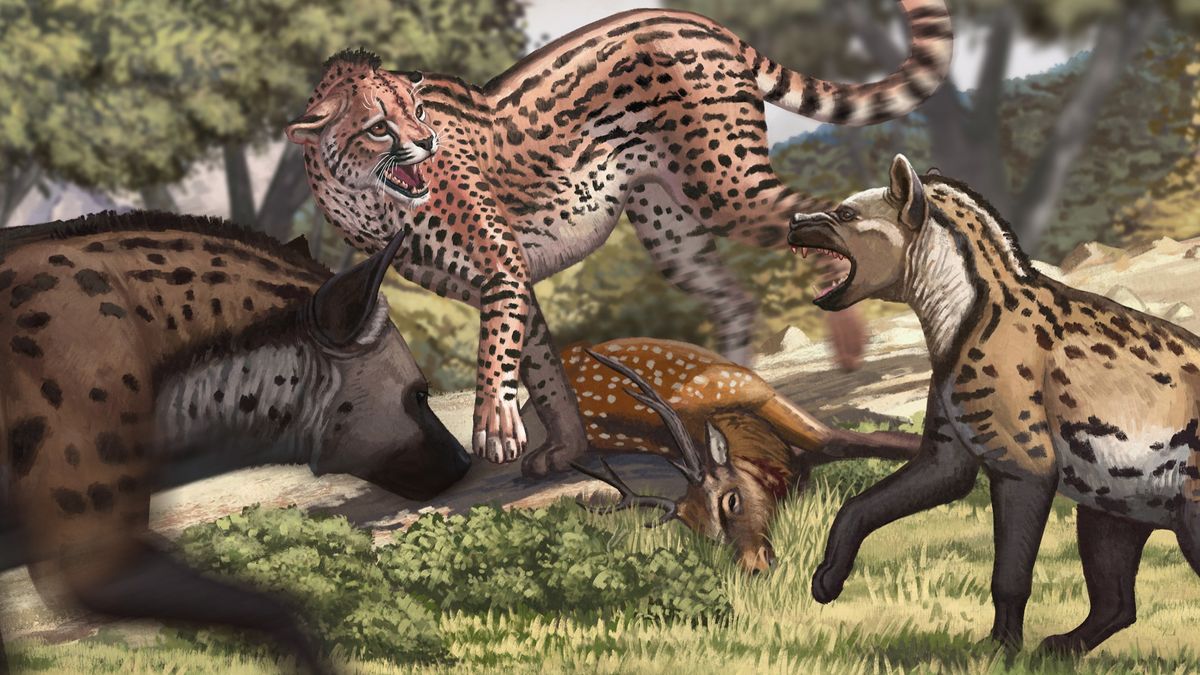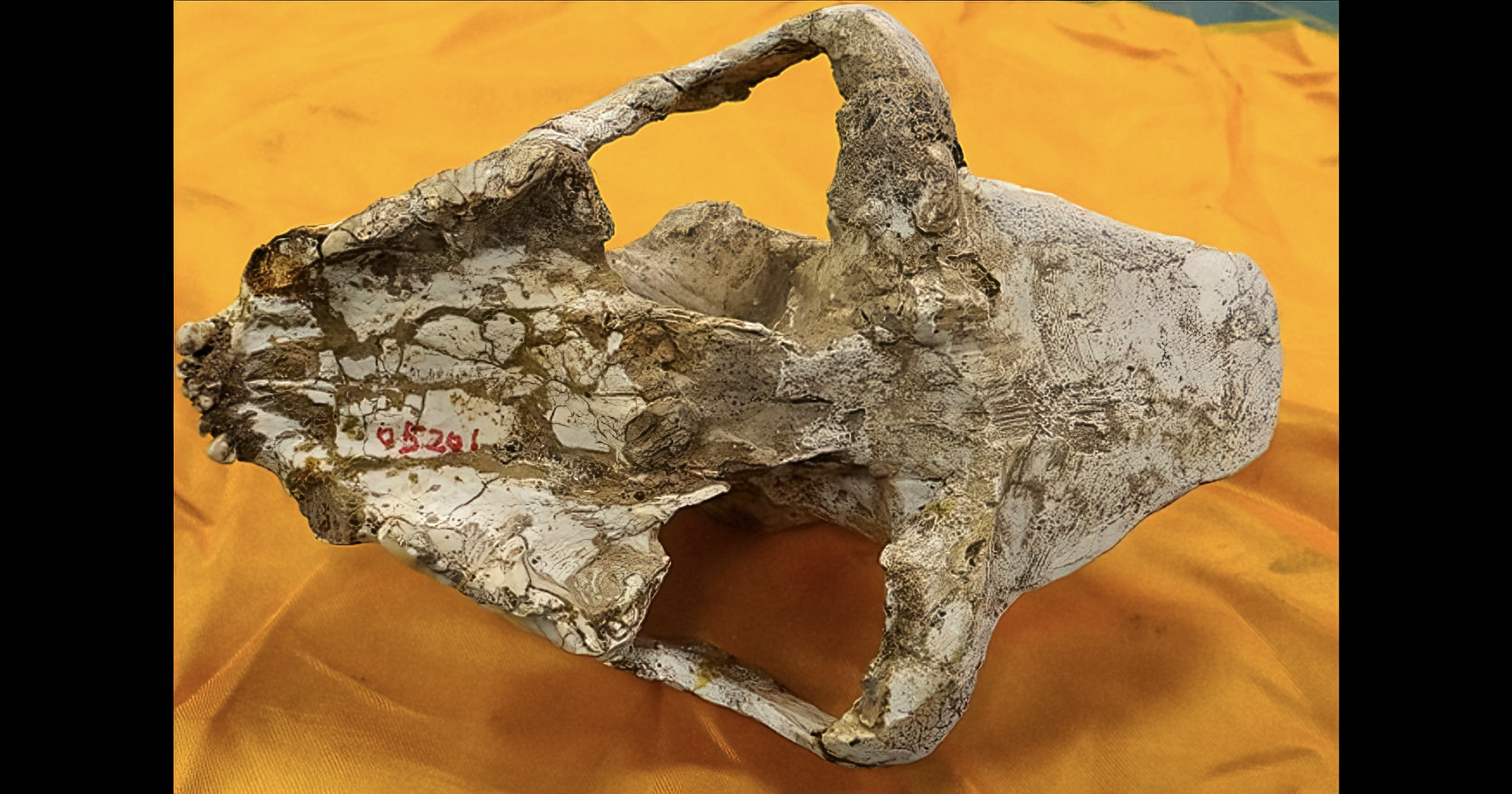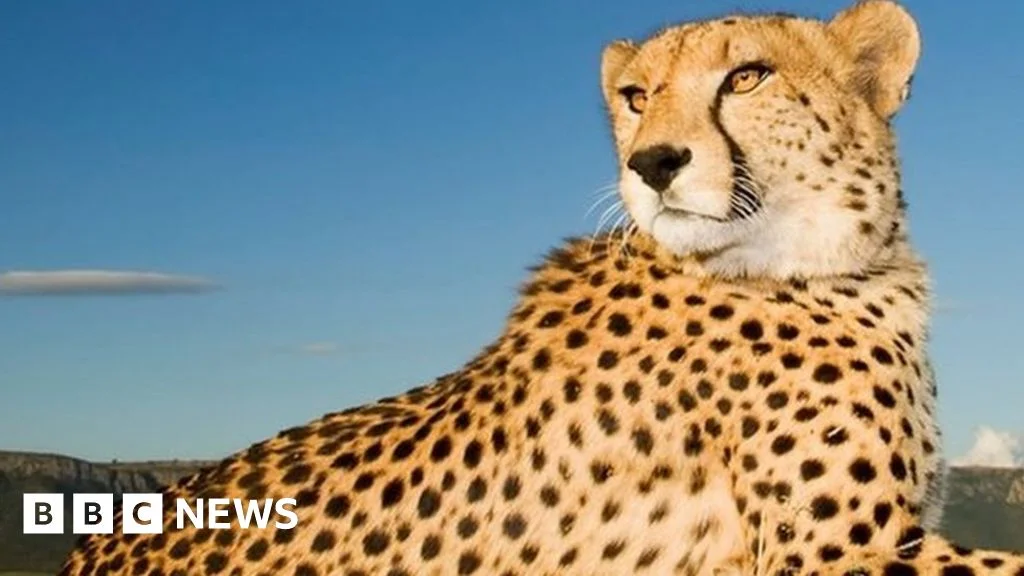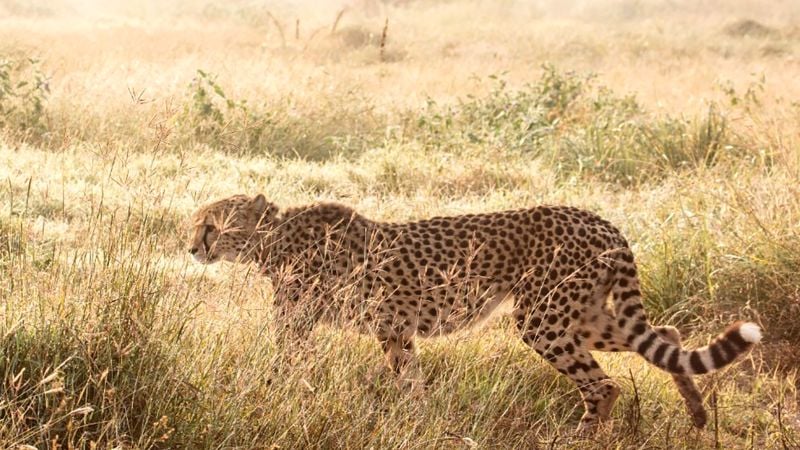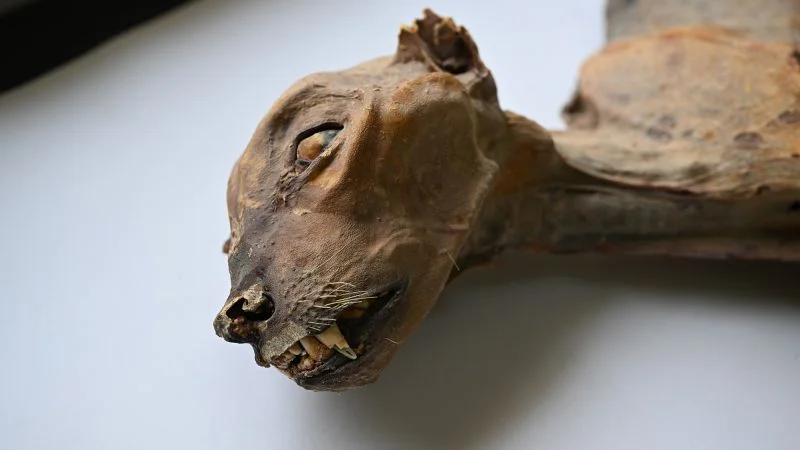
Scientists have identified the world's largest-ever cheetah species, Acinonyx pleistocaenicus, which roamed Eurasia from 1.3 million to 500,000 years ago. Weighing up to 420 pounds, it was as large as modern tigers and lions. The discovery was based on fossil analysis from China, revealing significant similarities to modern cheetahs. The species likely went extinct due to climate changes during the Mid-Pleistocene Transition.
A video captured a Nile crocodile attacking and killing a cheetah at a watering hole. Nile crocodiles are stealthy ambush predators that can lunge several times their own body length. They eat almost anything that moves and can eat up to 20% of their own body weight in one sitting. The crocodile's attack on the cheetah was a fatal bite to the neck, followed by drowning and dismemberment.
The supposed oldest cheetah fossil, Acinonyx kurteni, was a crude forgery made from plaster, according to Chinese scientists who revealed the fraud before the paper was published in PNAS, a top ten high-impact journal in science. The lead author finally retracted the paper in 2012, admitting it was based on a composite specimen from the late Miocene laterite and not from the early Pleistocene loess. This case demonstrates that fraudulent fossils can be driven by the desire to present and support evolutionary scenarios, which may also suppress any doubts among reviewers and editors.
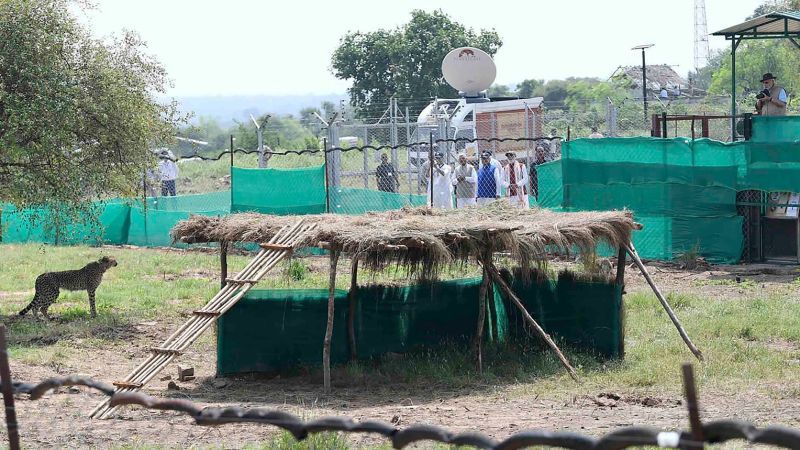
A female cheetah has died in India's Kuno National Park, taking the number of big cats killed to three since March. The female, who was found injured on Tuesday morning by the monitoring team, was treated by veterinarians but died at noon. Preliminary reports showed she died from injuries sustained during mating with two male cheetahs, it added. India reintroduced cheetahs last year, more than 70 years after the animal was declared extinct in the country.
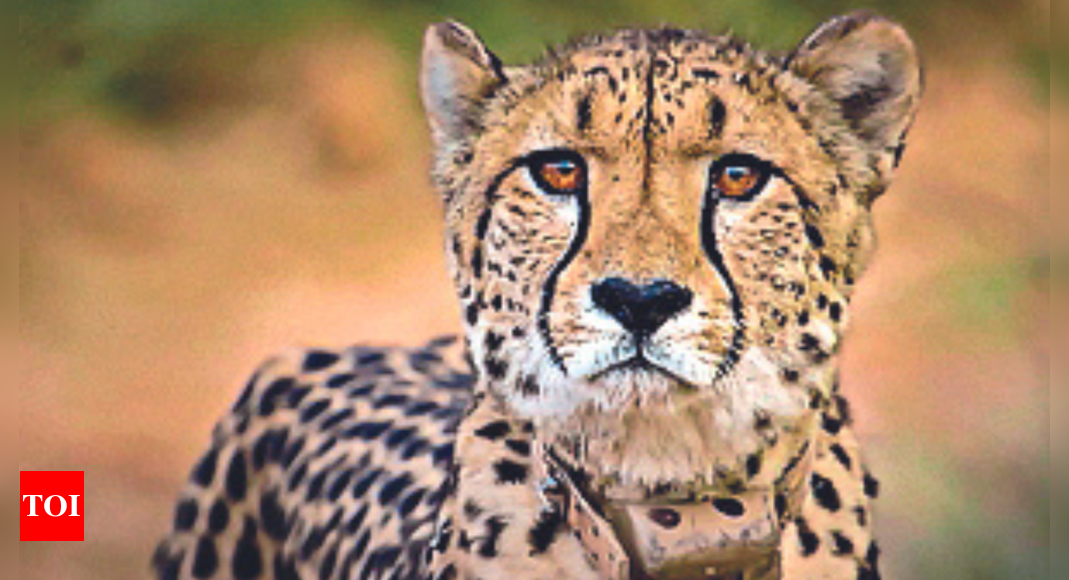
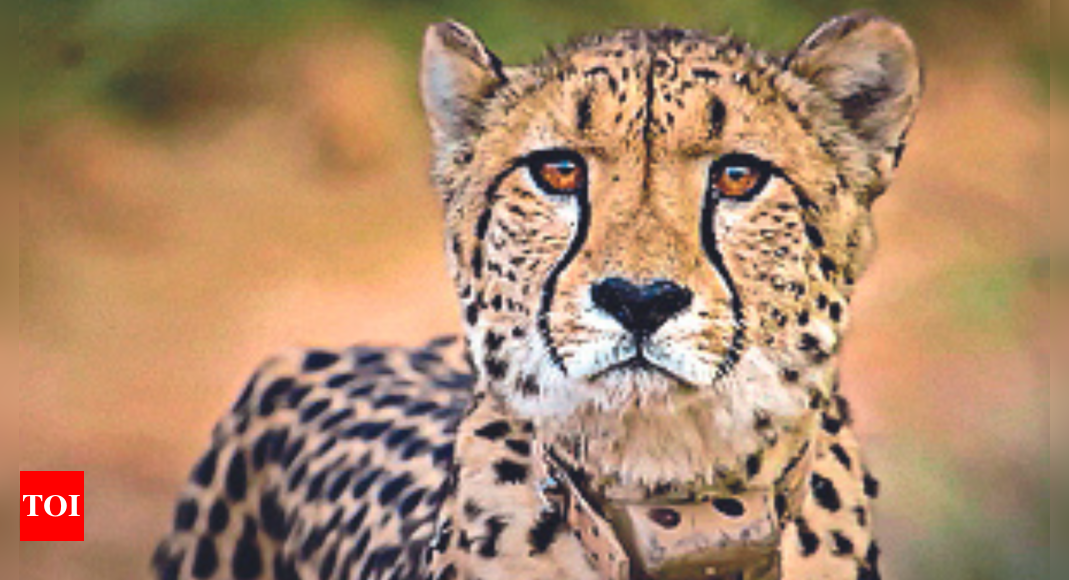
Uday, a cheetah from Africa, has died in India's Kuno National Park, two months after being reintroduced as part of an effort to revive the big cat in the country. This is the second cheetah to have died in less than a month. The cause of death is unknown, and authorities will perform a post-mortem. India's government plans to introduce 50 cheetahs over the next five years. Cheetahs were declared extinct in India in 1952, but the country welcomed four newborn cheetahs in late March for the first time since the species disappeared from India more than 70 years ago.
Another cheetah, named Uday, translocated from South Africa to Kuno National Park in India has died, making it the second such incident in a month. The six-year-old cheetah was found dull and was taken out of the enclosure for treatment, but unfortunately passed away.
A six-year-old cheetah named Uday, which was translocated to Madhya Pradesh's Kuno National Park from South Africa, died on Sunday due to unknown reasons. This is the second such incident in almost a month at KNP. The cheetah was found dull with head down during an inspection in the morning, and veterinarians attending him alerted senior officials. Unfortunately, the cheetah passed away around 4 pm.
Sasha, a cheetah relocated from Namibia to India as part of conservation efforts, has died from a kidney infection. Sasha was one of eight cheetahs brought to India's Kuno National Park last year as part of a government plan to reintroduce the species on the subcontinent. The other cheetahs in the park are healthy. Cheetahs were declared extinct in India over 70 years ago, but India's Ministry of Environment, Forest and Climate Change hopes they'll once again roam the country's national parks.