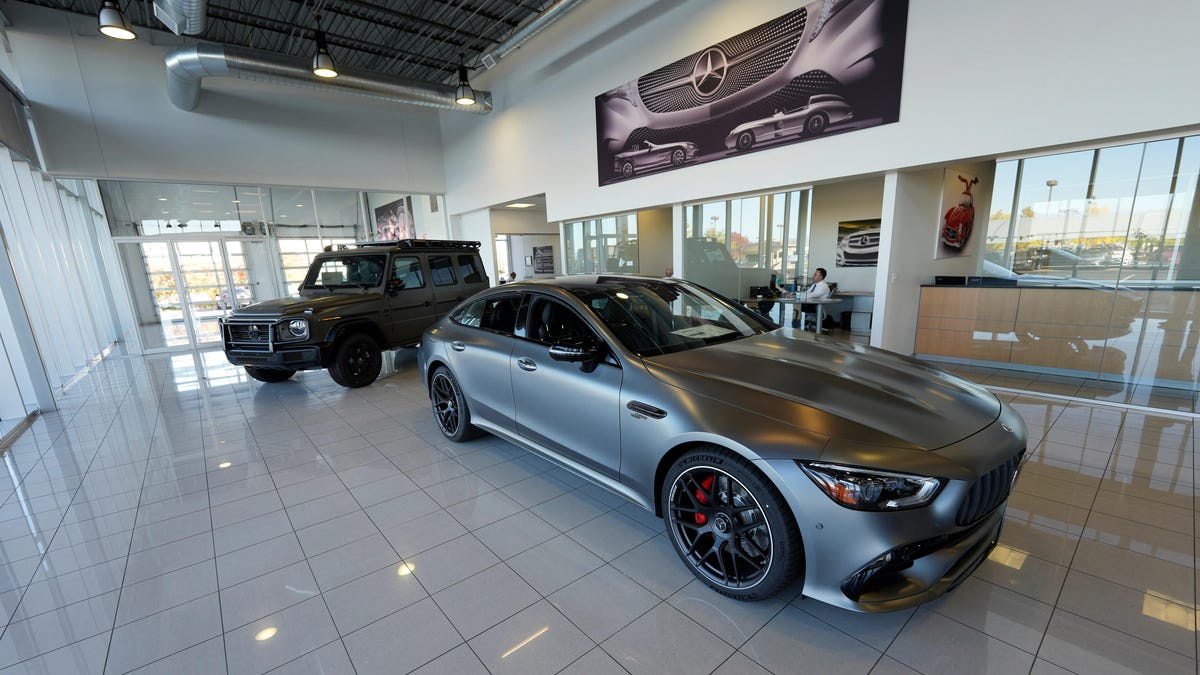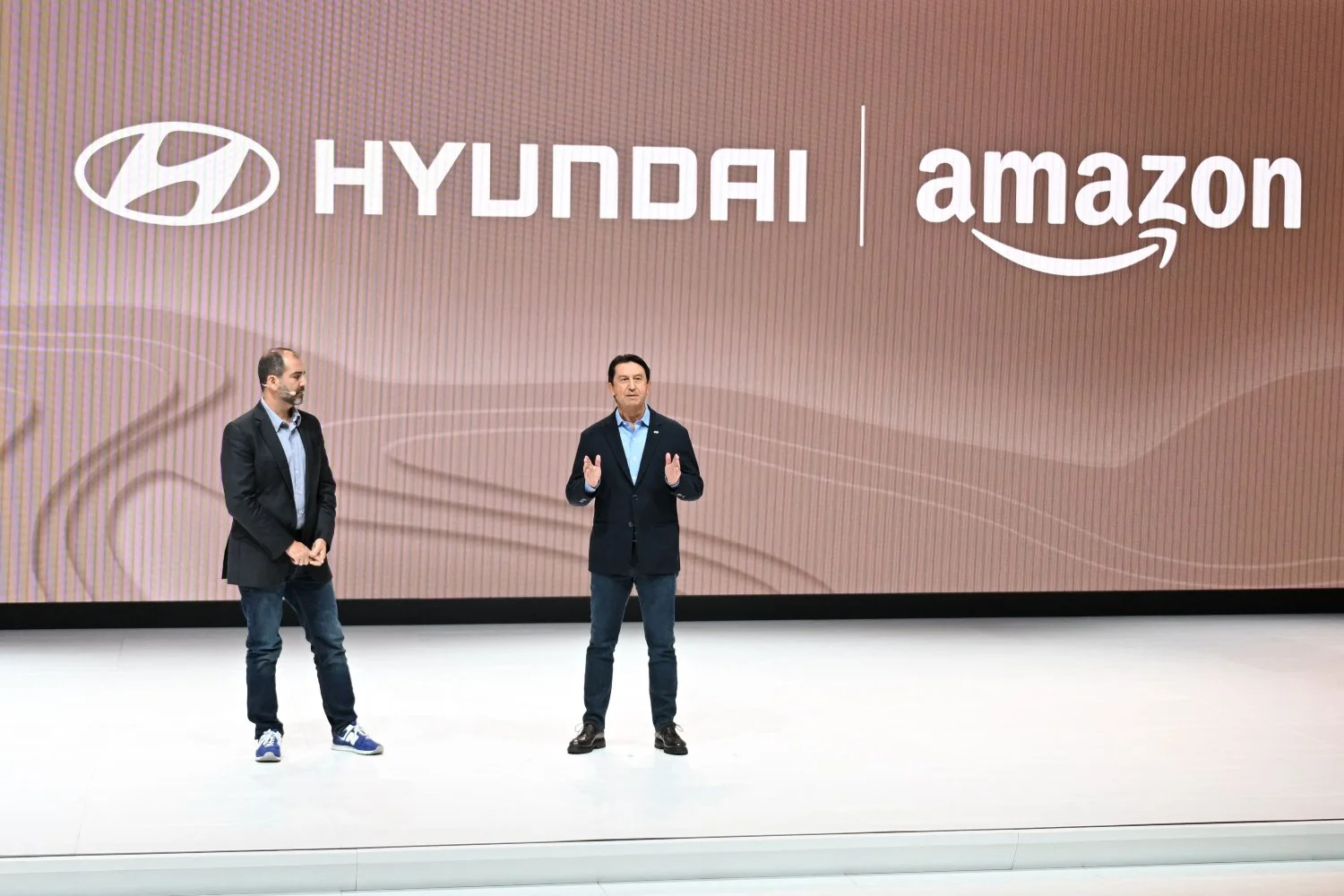
Amazon has entered the car-selling business by partnering with Hyundai to offer vehicles directly to consumers online in 48 U.S. cities. Through the Amazon Autos program, shoppers can browse local dealer inventories, receive upfront pricing, and get trade-in evaluations. The service currently focuses on new vehicles, with plans to expand to other manufacturers and regions. This move allows Amazon to tap into the lucrative car financing market while providing a more streamlined online car buying experience, potentially reducing the traditional dealership's role.
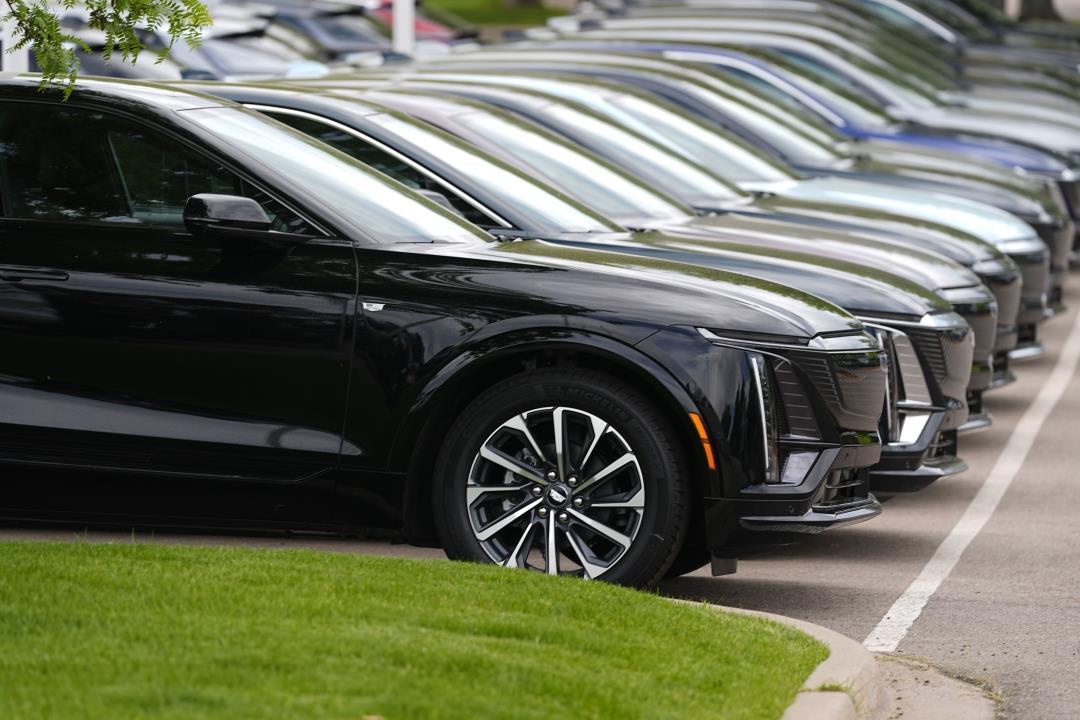
CDK Global paid a $25 million ransom to end a cyberattack that disrupted operations for 15,000 car dealerships, resulting in an estimated $1 billion in losses. The attack, linked to BlackSuit ransomware, forced CDK to shut down systems crucial for managing sales and orders. Despite federal advice against paying ransoms, CDK felt compelled to comply to restore services. This incident highlights the vulnerability of businesses reliant on centralized software.
CDK, a company managing financial transactions for 15,000 U.S. car dealers, paid a $25 million ransom in Bitcoin to end a two-week cyberattack by the BlackSuit ransomware group. The attack severely disrupted car sales and forced dealers to revert to manual processes.
CDK Global reportedly paid a $25 million ransom in Bitcoin to restore services after a ransomware attack caused a two-week outage affecting up to 15,000 car dealerships. The attack, attributed to the BlackSuit ransomware group, led to significant financial damage estimated at over $600 million. CDK has not disclosed details of the recovery process, and some systems remain offline.
Car dealerships across North America are experiencing significant disruptions due to cyberattacks on CDK Global, a major software supplier for auto dealers. The attacks have led to a multi-day outage affecting operations like vehicle sales and financing, with no clear resolution timeline. Major auto companies like Stellantis, Ford, and BMW have confirmed impacts on their dealers, who are resorting to manual processes. CDK is investigating the incidents and working to restore services while cautioning against phishing attempts.
Car dealerships across North America are experiencing significant disruptions due to a multi-day outage caused by cyberattacks on CDK Global, a major software supplier for auto dealers. The attacks have led to delays and manual processing at dealerships, with no clear resolution timeline. CDK Global is investigating the incidents and working to restore services while warning customers about potential phishing attempts. Major auto companies like Stellantis, Ford, and BMW have confirmed impacts but continue operations through alternative methods.
A massive cyberattack on CDK Global has disrupted U.S. and Canadian car dealerships, forcing them to revert to pen and paper for transactions and repairs. The attack has significantly impacted their ability to do business, with the fallout expected to last several days. Meanwhile, Ford is taking a profit hit to address quality issues and reduce recalls, and Toyota has issued a stop-sale order on two models due to airbag problems.
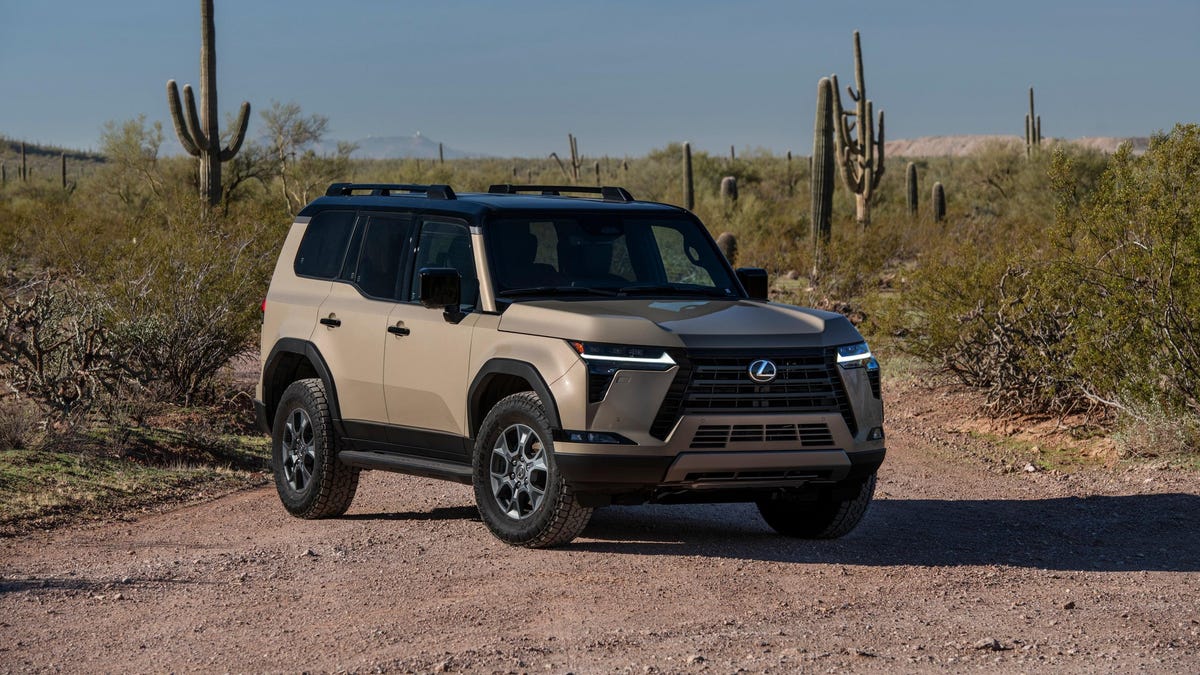
A finance manager at Lexus of Englewood, New Jersey, was caught trying to add nearly $21,000 in unnecessary extras and bogus fees to a customer's car purchase contract. The customer, with help from CarEdge's Zach Shefska, managed to get the additional charges removed. This incident highlights the importance of thoroughly reviewing car sales contracts to avoid hidden fees.
Consumer Reports' latest survey ranks Hyundai, Jeep, and Kia dealer repair shops as the worst in terms of customer satisfaction for auto repair prices, wait times, and overall service. The survey also highlights that independent repair shops received the highest scores for satisfaction with price, while dealerships tended to score lowest. Overall, consumers ranked independent repair shops the best, followed by Acura, Lexus, Mazda, Volvo, Toyota, Tesla, and Honda for dealership service.
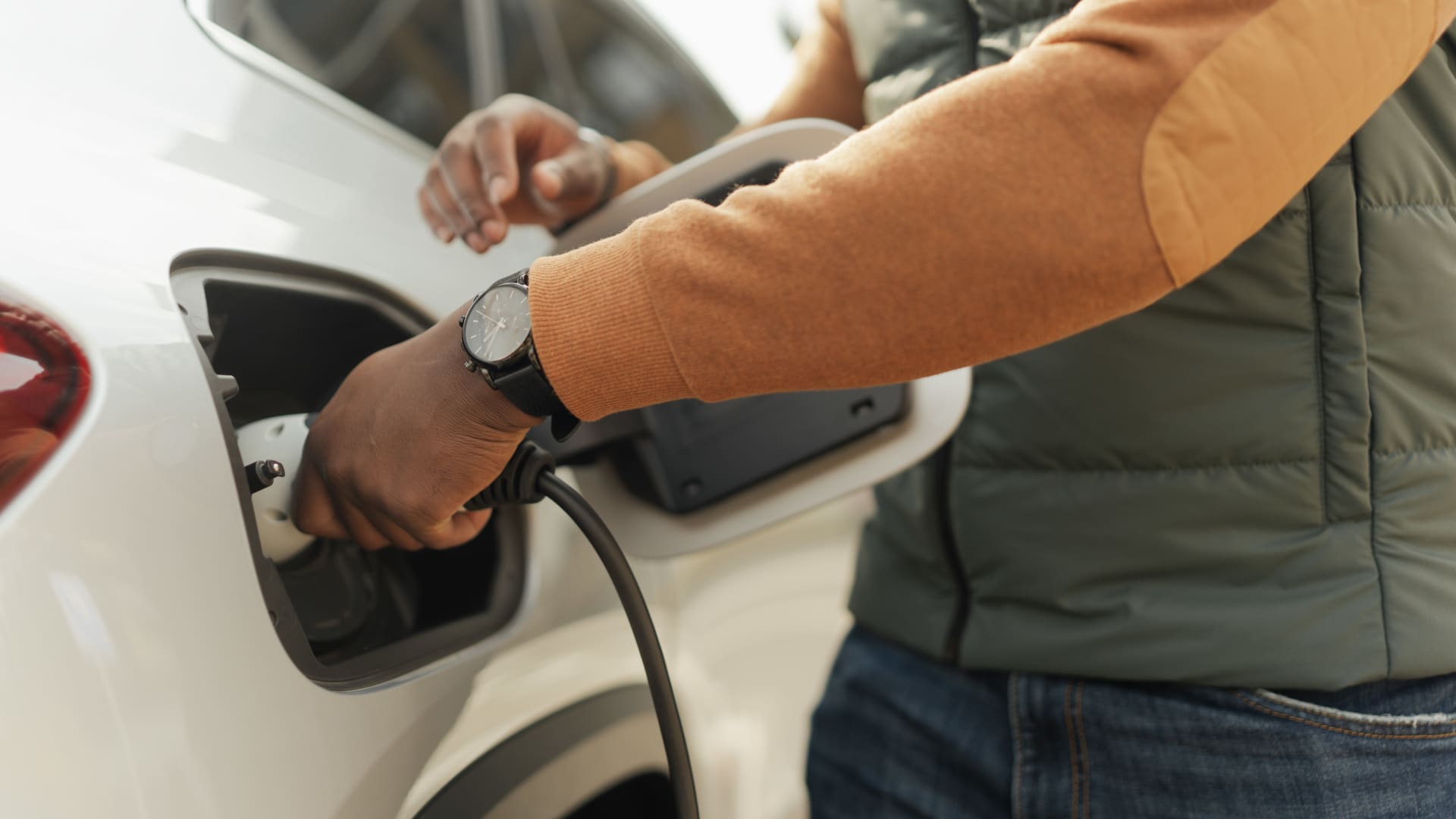
Starting in 2024, consumers purchasing new electric vehicles can now receive the federal tax credit of up to $7,500 as an immediate point-of-sale discount at participating car dealerships, with used EV buyers eligible for a discount of up to $4,000. This change eliminates the previous requirement to wait until tax season to claim the credit and allows dealers to pass along the full value of the credit regardless of a household's tax liability. However, not all dealers have signed up for this program, and not all EV models are eligible for the tax break. Consumers are advised to inquire with dealers about the availability of the upfront tax credit and to be mindful of eligibility requirements and potential pitfalls.
A former car dealership employee shared insider tips on TikTok, advising buyers to purchase at the end of the month when dealerships are desperate to meet quotas, negotiate interest rates, withhold trade-in information, and request the dealership's invoice to pay less than MSRP. Commenters supported the advice, with one former GM dealership manager endorsing the tips.
The Federal Trade Commission's ban on dealer junk fees, part of the Combating Auto Retail Scams (CARS) rules, has been temporarily paused after the National Automobile Dealers Association and the Texas Automobile Dealers Association filed a petition in the Fifth Circuit Court of Appeals. The legal battle revolves around whether the FTC has the authority to impose the rule. While dealers have succeeded in delaying the implementation, the order for postponement indicates that the ban could still take effect in the future, potentially leveling the playing field for consumers and dealerships.
Terry Taylor, an elusive billionaire, owns over 120 car dealerships across the U.S. with a net worth of $1.9 billion. Despite his massive success, he maintains a low profile and rarely grants interviews. Taylor's empire, Automotive Management Services, operates in secrecy, with each dealership registered under its own LLC. His business strategy involves partnering with general managers, allowing them to have a stake in the dealership. Taylor's penchant for the good life is evident in his lavish homes and private jet. Despite legal disputes and the recession, Taylor's empire continues to thrive, making him a mysterious figure in the car dealership industry.
Many car dealerships in the United States are ill-prepared to sell electric vehicles (EVs), potentially derailing the country's EV boom. Customers have reported frustrating experiences, with salespeople lacking knowledge about EVs and attempting to steer them towards gas-powered cars. Some dealerships do not even offer EVs for sale, despite the Biden administration's goal of having two-thirds of new cars sold in the US be electric by 2032. The dealership model, protected by laws passed in the 1940s and 1950s, may not be suited for the electric future, as EVs have lower maintenance costs and require different sales approaches.
The Federal Trade Commission (FTC) is reportedly considering excluding car dealerships from its proposed rules that aim to ban hidden and misleading fees, known as junk fees. The rules would require businesses in various industries to show the full price upfront and face penalties for non-compliance. However, car dealerships may be exempt if the FTC finalizes provisions in its Motor Vehicle Dealers Trade Regulation Rule. The National Automobile Dealers Association argues that the junk fee proposal is overly broad and conflicts with existing regulations.