Tag

Detroit Automakers

All articles tagged with #detroit automakers

politics1 month ago

Trump's Auto Policies and Their Impact on Consumers and the Environment

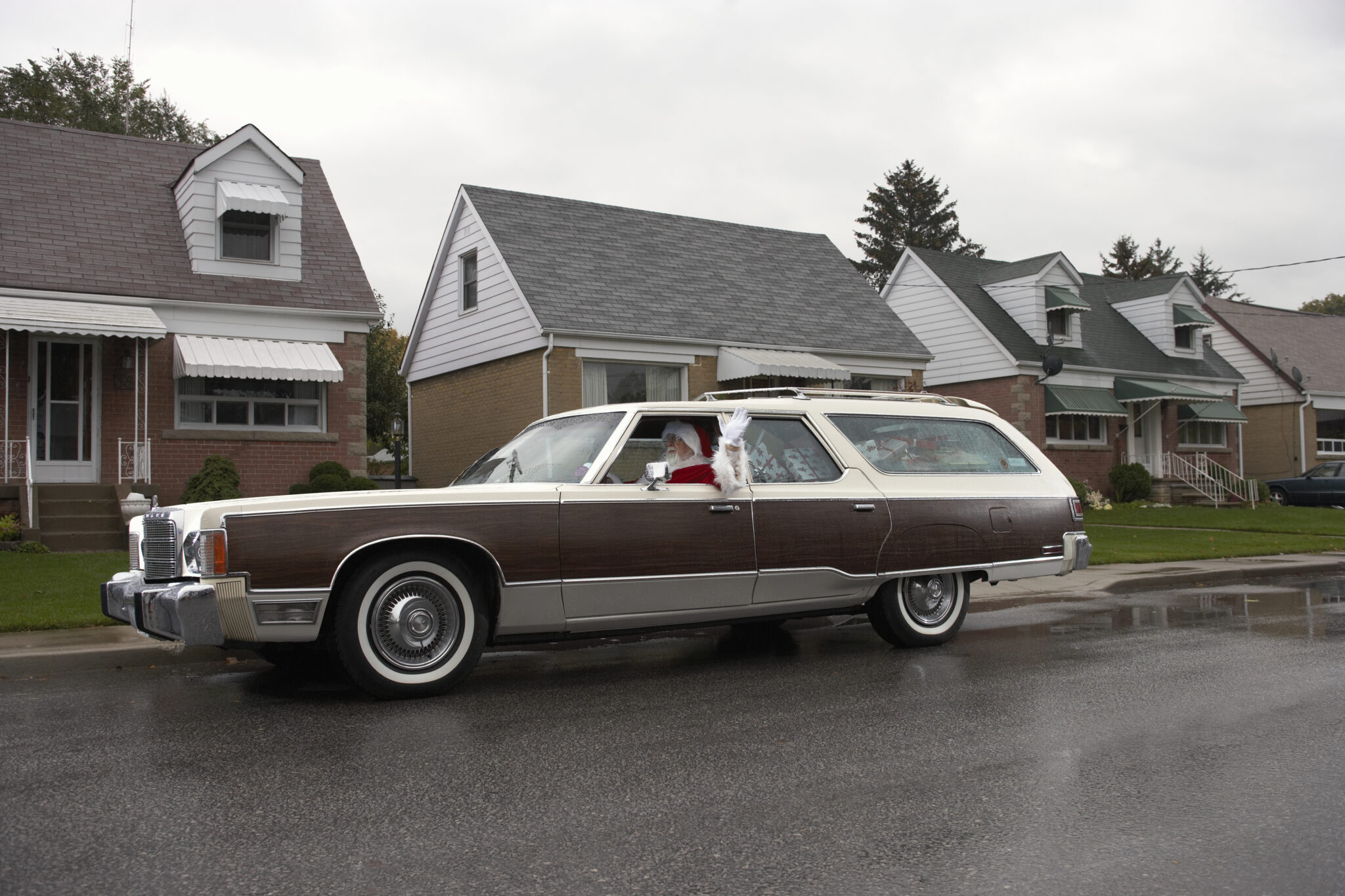
The Trump administration proposes rolling back Biden-era fuel economy standards, encouraging Detroit automakers to produce more gas-guzzling vehicles like station wagons and kei cars, while critics argue this will harm the environment and consumer costs. The move aims to boost automaker profits and vehicle affordability, but risks slowing EV adoption and environmental progress.
business1 year ago

"UAW's Southern Strategy: Volkswagen Union Vote Puts Power to the Test"

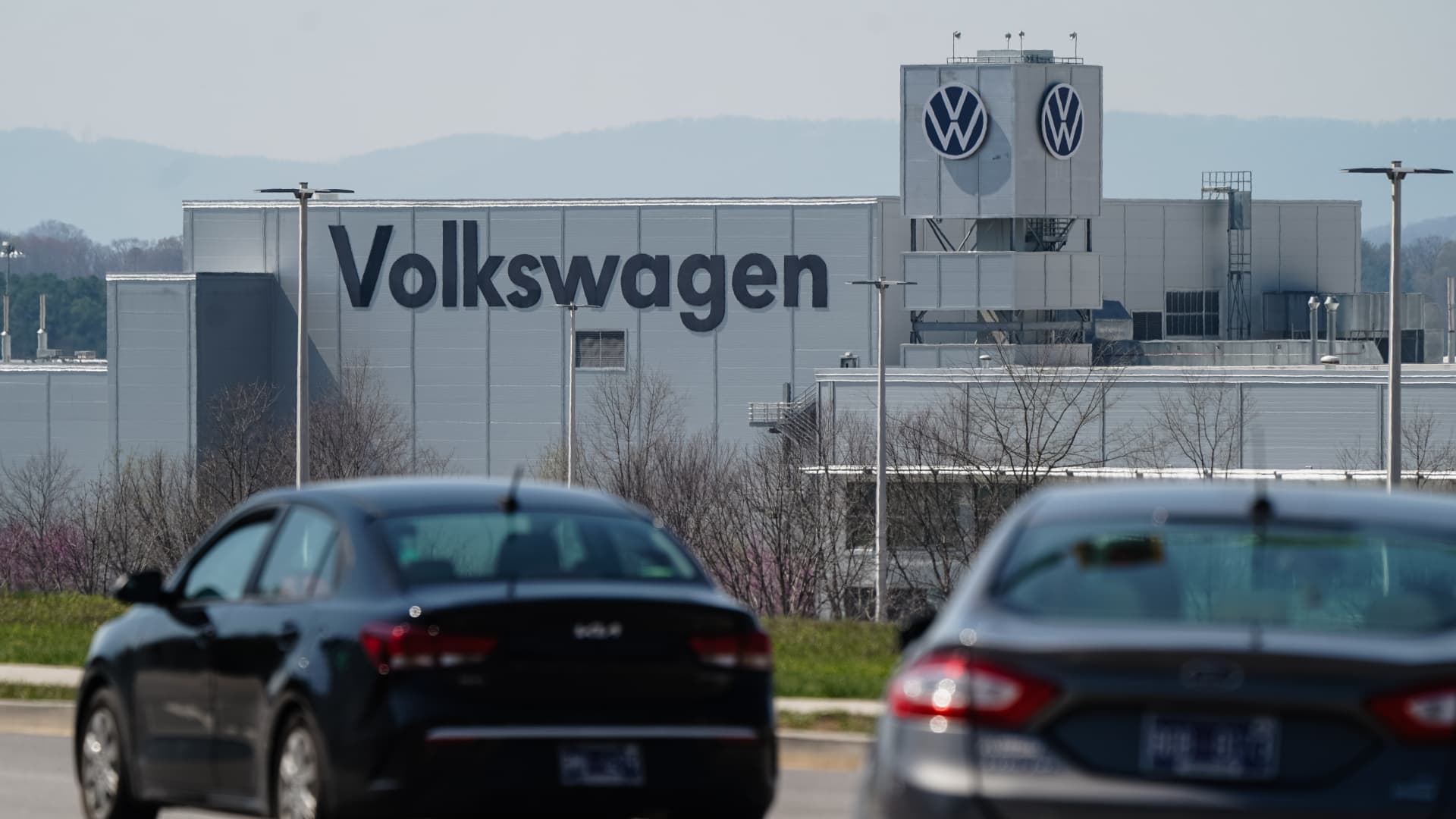
Volkswagen workers in Chattanooga, Tennessee, are set to vote on whether to organize with the United Auto Workers, marking a crucial test of the union's influence outside of the Detroit automakers. A win would be the UAW's first major victory at a non-Detroit automaker, while a loss would be a setback for the union and its president, Shawn Fain. The vote, overseen by the National Labor Relations Board, comes after the UAW's recent successes with the Detroit automakers and amid a more favorable environment for union organizing at Volkswagen.

automotive1 year ago

Consumer Reports' Top Picks of 2024: From Hybrids to BMW

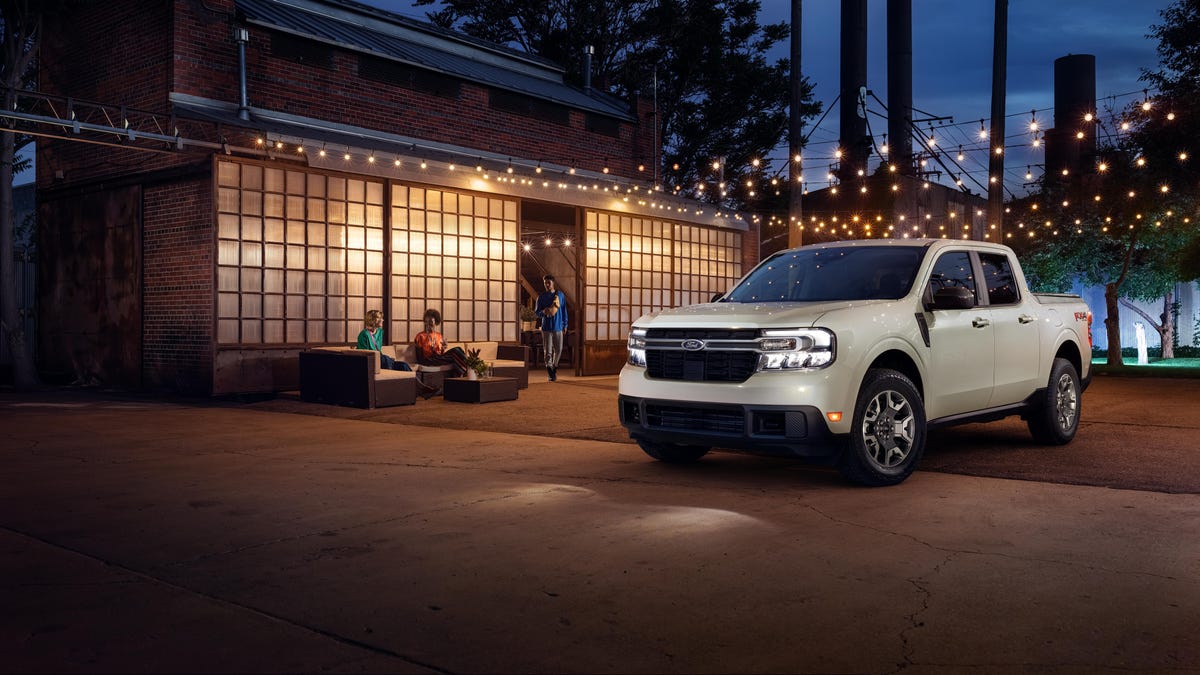
Ford Motor Co.'s Maverick Hybrid is the only Detroit automaker to make Consumer Reports' annual "Top Picks" list, marking the second consecutive year for the Maverick. No Detroit-based auto brand ranked in the top 10 of Consumer Reports' brand rankings, with European and Japanese brands dominating due to solid reliability. Ford's electric Mustang Mach-E also made the "Top Picks" list. Consumer Reports evaluated over 250 vehicles and found that plug-in hybrid demand is growing, leading to expanded testing and rating for those vehicles. The organization's "Top Picks" for 2024 include vehicles from Subaru, Toyota, Ford, Tesla, Mazda, and BMW.

automotiveelectric-vehicles2 years ago

UAW's EV deal: A stepping stone towards labor reform

The recent labor deal between the United Auto Workers and Detroit automakers could ensure unionized workers have a significant role in the transition to electric vehicles (EVs). However, it remains uncertain whether Ford, General Motors, and Stellantis will successfully transition to EVs and be profitable, as they face competition from non-unionized Tesla and wavering buyer enthusiasm for expensive EVs. Additionally, the Biden administration's push for more EVs is dependent on securing a domestic supply chain for critical minerals needed for battery manufacturing, as China currently dominates the global supply.

politics2 years ago

"Biden Applauds Historic UAW Settlement with Big Three Carmakers"

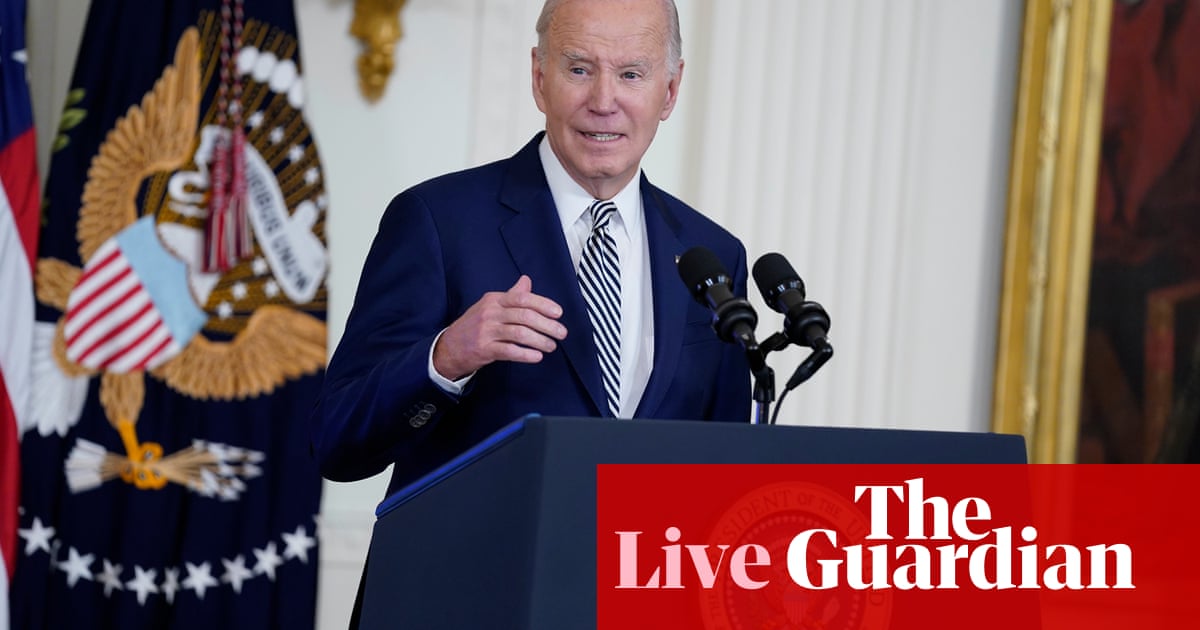
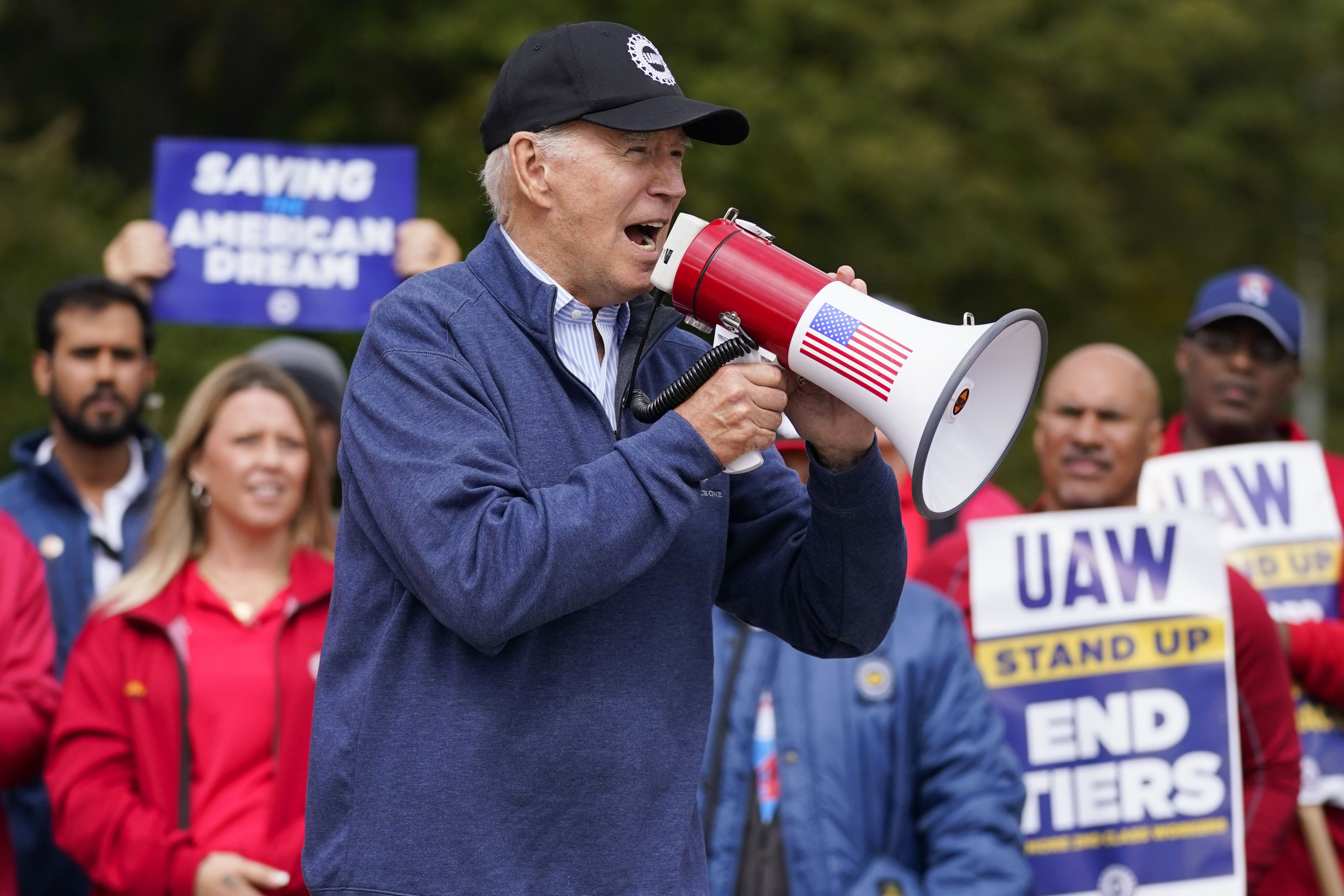
President Joe Biden praised the historic agreements reached between the United Auto Workers (UAW) and major Detroit automakers, including Ford, General Motors, and Stellantis, which are set to end a six-week strike. The agreements reward auto workers who made sacrifices during the financial crisis and ensure the Big Three can continue leading in quality and innovation. The UAW reached a tentative agreement with GM, the last of the three targeted companies. Biden applauded the decision to allow workers to return to assembly lines before the agreements are ratified. Additionally, Biden signed an executive order imposing rules on artificial intelligence development, aiming to ensure AI is trustworthy and helpful while protecting public safety. In other news, a judge in Denver began hearing arguments in a case seeking to remove Donald Trump from the 2024 presidential ballot for his involvement in the January 6 insurrection.

business2 years ago

UAW and GM Reach Deal, Ending Detroit Automakers' Strike

General Motors (GM) and the United Auto Workers (UAW) have reached a tentative agreement, ending a six-week strike against the Detroit Three automakers. The UAW had pressed for wage gains and won record pay hikes, including a 33% increase in top pay for veteran workers. Nearly 50,000 workers out of 150,000 union members participated in the strike. The UAW's strategy of targeted strikes cost the Detroit Three and suppliers billions of dollars. The deals with GM, Ford, and Stellantis mark significant victories for auto workers after years of stagnant wages. The contracts now need to be ratified by rank-and-file UAW members.

business2 years ago

UAW Secures Tentative Agreements with Multiple Automakers, Easing Political Pressure on Biden

President Joe Biden's pro-union stance gains momentum as Stellantis becomes the second of Detroit's Big Three car companies to reach a tentative agreement with the United Auto Workers (UAW), following Ford's preliminary deal. General Motors is now under pressure to come to terms as its competitors' workers return pending ratification. The UAW strike, which began in September, has resulted in better terms for workers, including a 25% wage increase over the four-year contract. The agreements are crucial steps towards ending the six-week disruption in the automotive industry, easing economic concerns for Biden as he navigates shared governance and seeks reelection.

business2 years ago

Ford and Autoworkers Reach Tentative Deal, Ending Strikes

The United Auto Workers (UAW) union has reached a tentative contract agreement with Ford, potentially ending the strikes against Detroit automakers. The four-year deal, which still needs approval from 57,000 union members, could set the pattern for agreements with General Motors and Stellantis. The UAW called on all workers at Ford to return to their jobs, putting pressure on the other automakers to bargain. The agreement includes a 25% general wage increase, cost of living raises, and improved benefits for temporary workers and retirees. The union will also have the right to strike over company plans to close factories. President Joe Biden praised the settlement, emphasizing the importance of unions in building the middle class.

labor-relations2 years ago

"UAW Strike Takes a New Turn: Shifting Tactics, Surprising Support, and Thriving Unions"

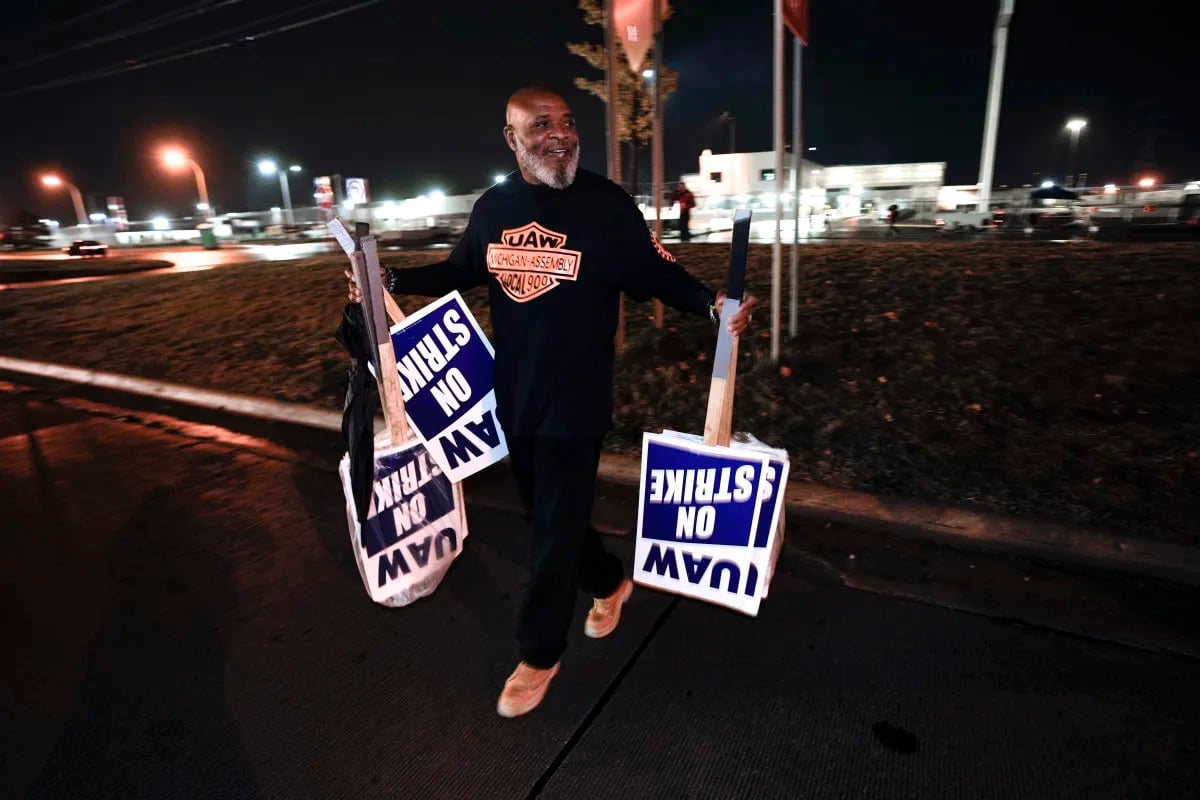
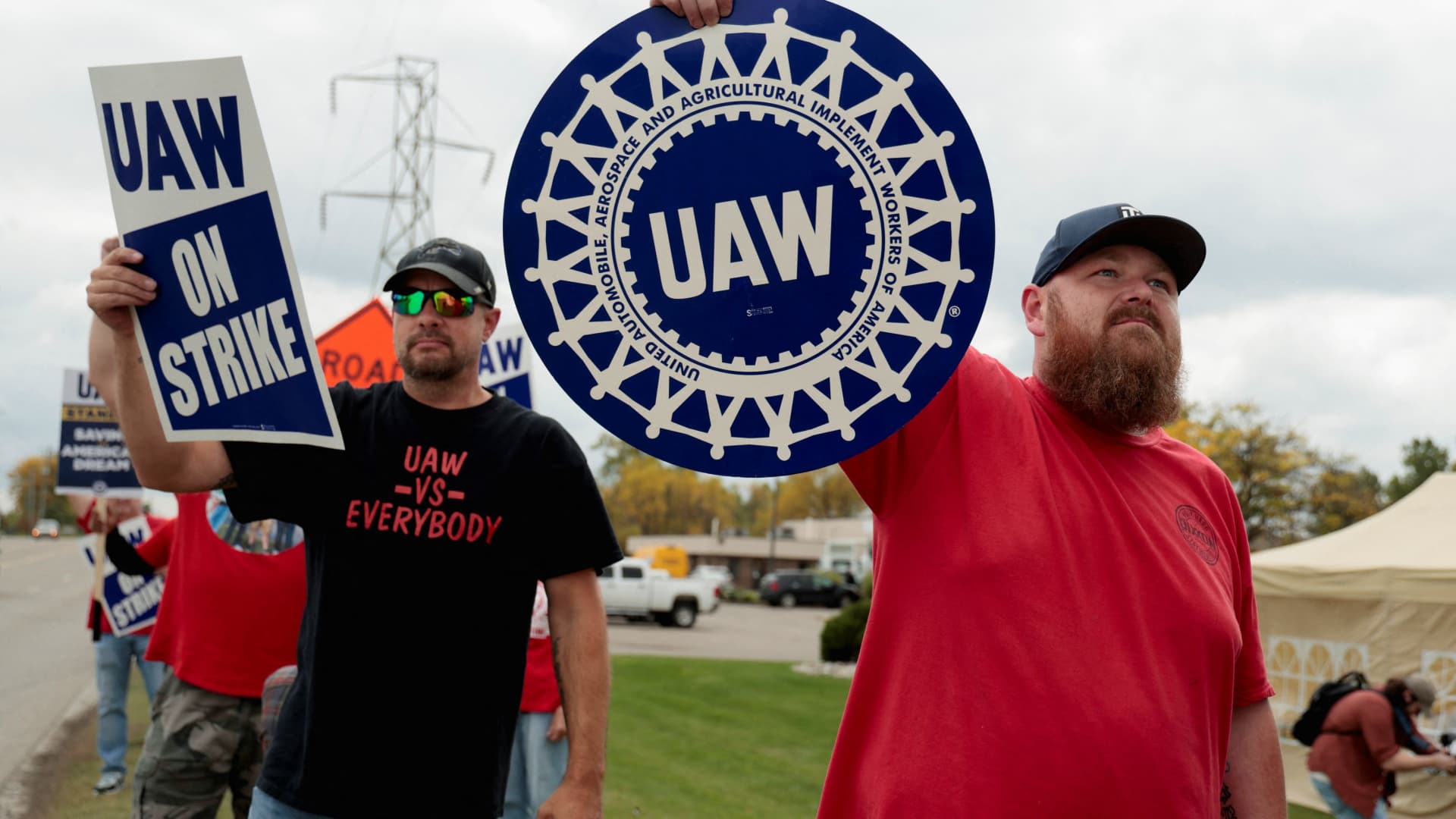
The United Auto Workers (UAW) strike against Ford, General Motors, and Stellantis has entered a "new phase" as it reaches its one-month mark, according to UAW President Shawn Fain. While not calling for strikes at additional plants, Fain stated that further walkouts could occur at any time, not just on Fridays as before. The UAW recently ordered the shutdown of Ford's Kentucky Truck Plant, prompting Fain to emphasize the union's determination to secure a deal. The strike has already cost the U.S. economy over $5.5 billion and led to thousands of layoffs.

labor-relations2 years ago

UAW-Mack Trucks Contract: Worker Demands and Opposition to Sellout Deal

United Auto Workers (UAW) members at Mack Trucks will vote on a tentative agreement that falls short of their demands, potentially testing their willingness to accept a lesser deal compared to expectations set by UAW President Shawn Fain. Some workers were expecting similar increases and benefits as their counterparts at Detroit automakers. The tentative agreement includes a 19% wage increase over five years, ratification bonuses, and increased 401(k) company payments, but does not address wage tiers, traditional pensions, cost-of-living adjustments, or shorter work weeks. Some workers plan to vote against the deal, expressing disappointment and feeling unsupported by the union.

labor-relations2 years ago

UAW's Friday Deadline: Expand Strikes or Face Consequences

The United Auto Workers (UAW) union has threatened to expand strikes at General Motors, Ford Motor, and Stellantis plants if significant progress is not made in negotiations by Friday. The strikes, involving about 18,300 workers, were initially announced on September 15 and have since been expanded to additional parts and distribution locations. Despite record contract offers from the automakers, the UAW is demanding wage increases, shortened workweeks, traditional pensions, and other improvements. The union's strategy of targeted strikes aims to keep the automakers on edge and achieve better contracts for its members.

labor-relations2 years ago

Stalled Negotiations and CEO Pay Raises: The Detroit Automakers Strike Continues

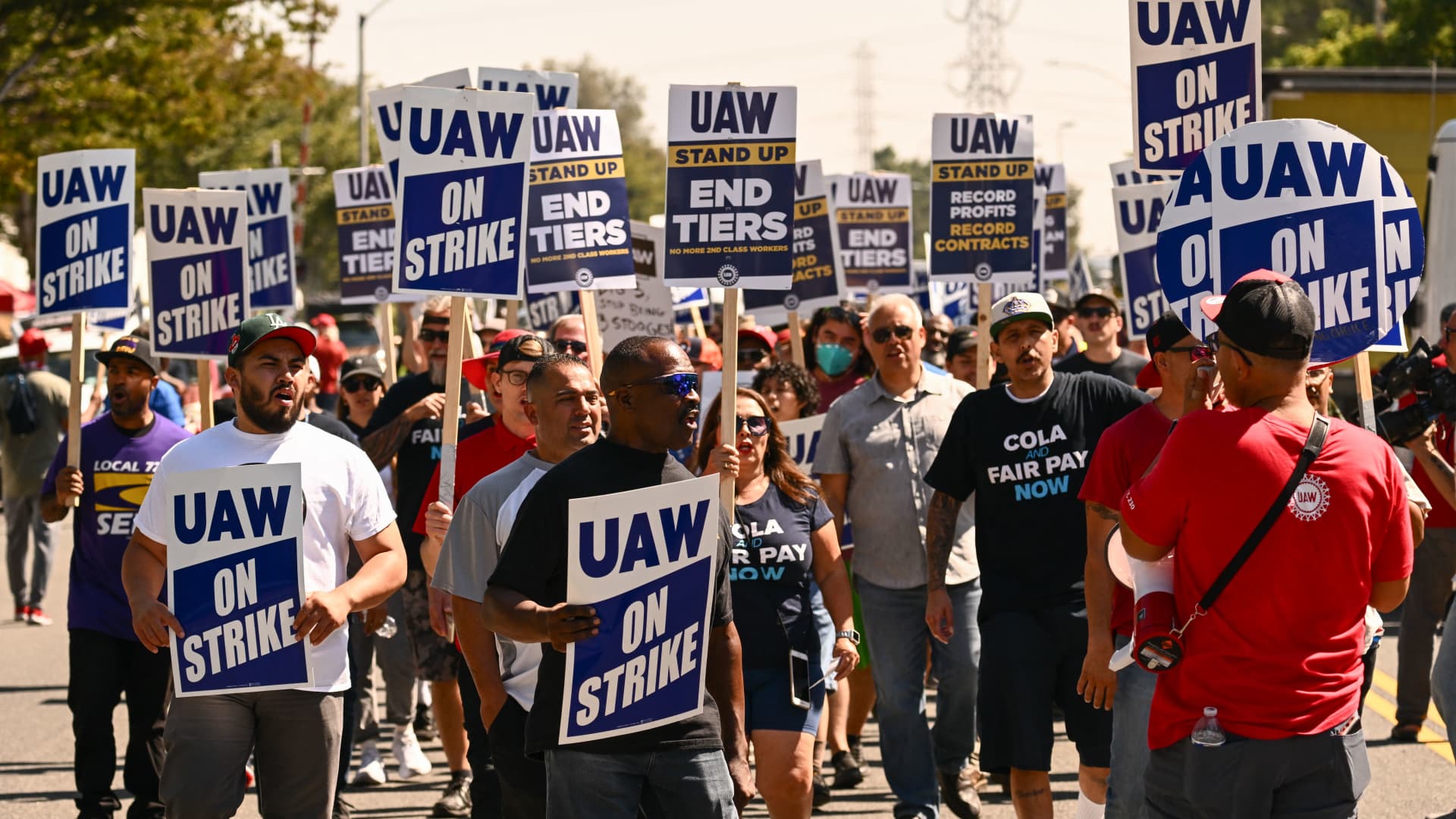
The United Auto Workers (UAW) and the three major Detroit automakers, General Motors, Ford, and Stellantis, made little progress in negotiations to end the UAW strike that began on Friday. The UAW is pushing for a 40 percent wage increase over four years, improved retiree benefits, shorter work hours, and an end to the tiered wage system. The automakers argue that higher wages would put them at a disadvantage compared to Tesla and foreign electric vehicle rivals. The strike, which is currently limited, could impact the Federal Reserve's efforts to fight inflation and disrupt the automakers' supply chain.

labor-relations2 years ago

"United Auto Workers' Strike: A Catalyst for American Worker Fears"

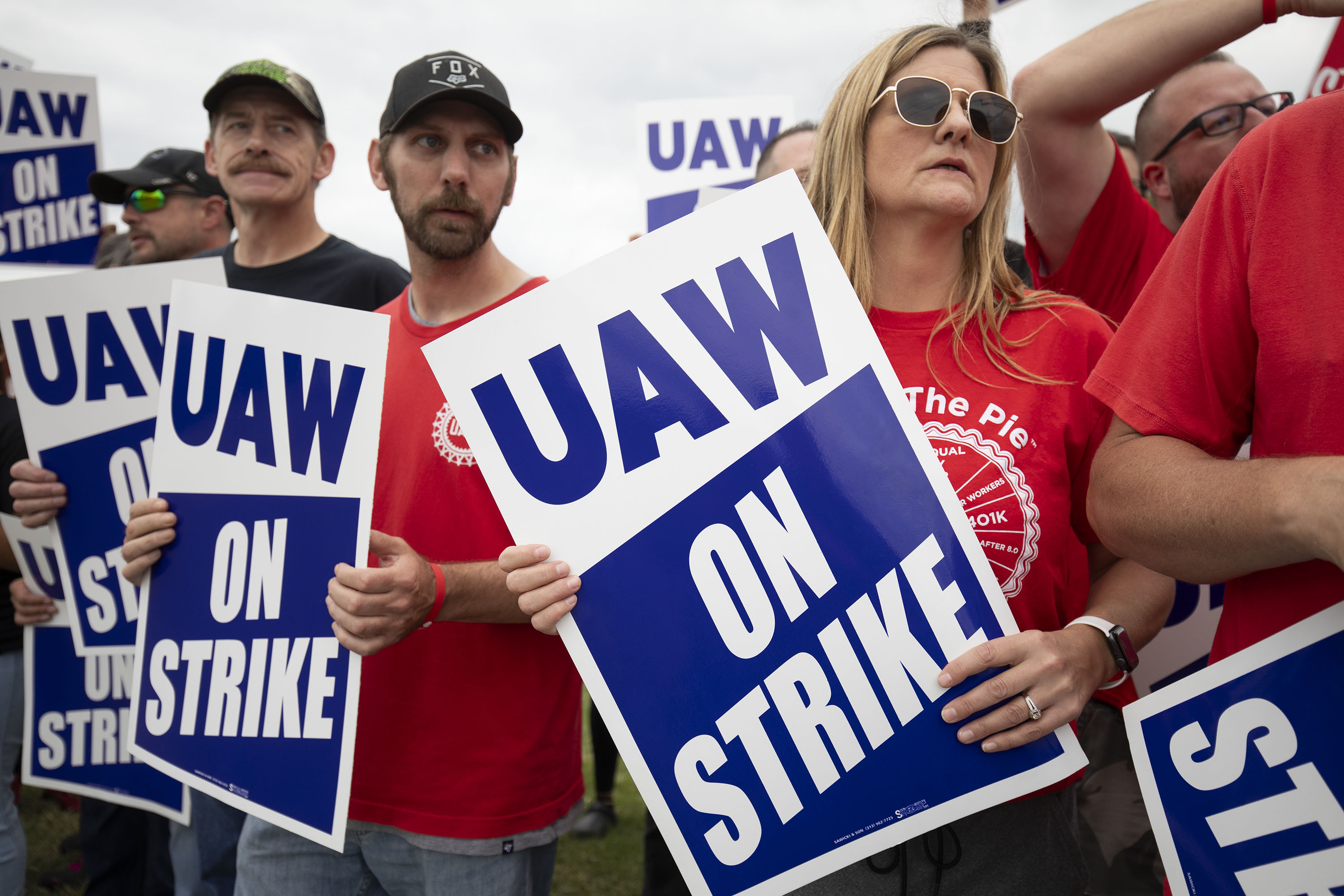
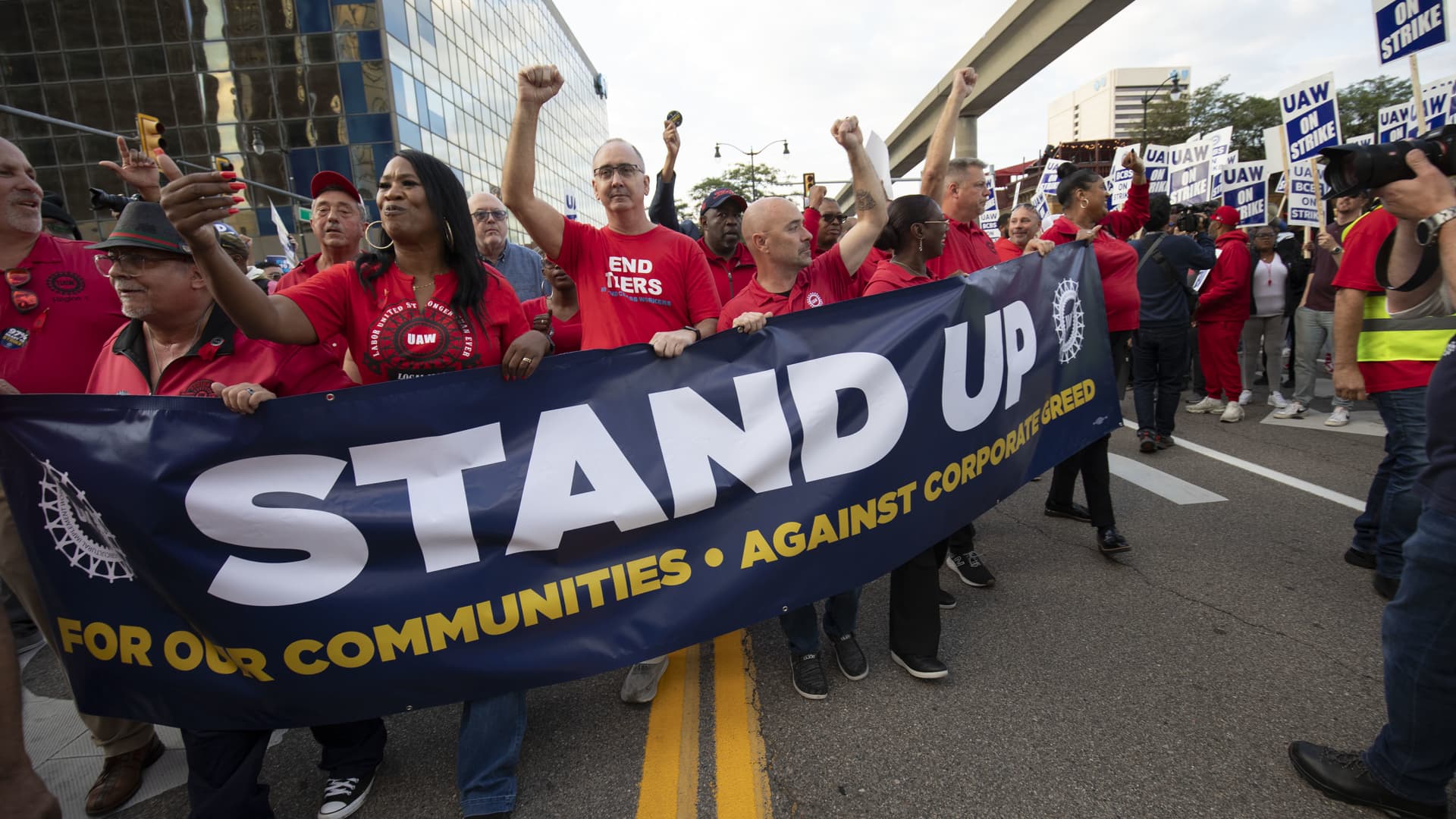
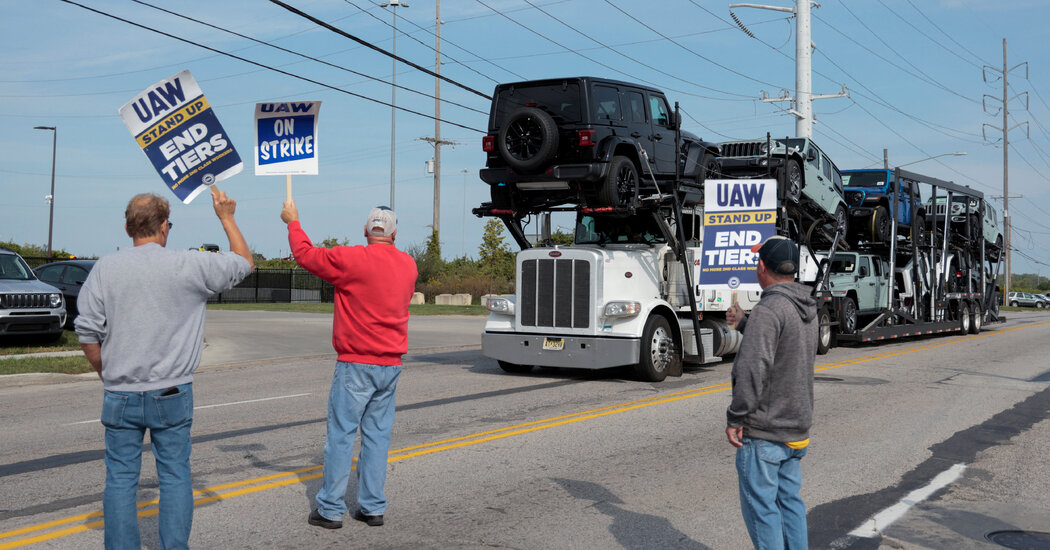
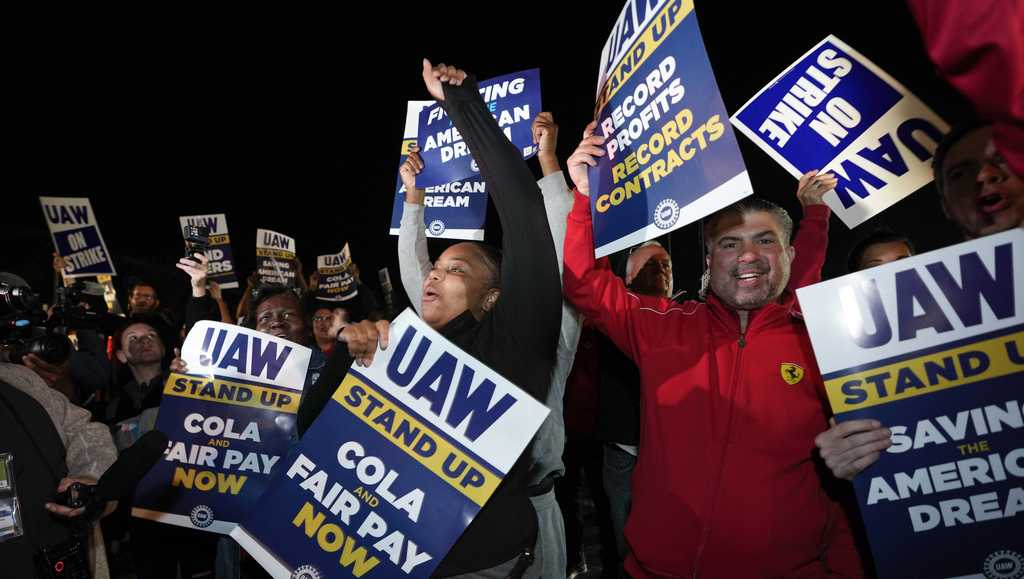
Unionized auto workers from General Motors, Ford, and Stellantis (Chrysler) went on strike simultaneously at three assembly plants in Detroit, demanding higher wages and benefits. The strikes, supported by President Joe Biden, aim to pressure the automakers into sharing their record profits. The United Auto Workers union is seeking across-the-board wage increases of 36% over four years, while the companies have offered increases ranging from 17.5% to 20%. The strikes could expand to more plants if better offers are not made. The new negotiating tactic, led by union president Shawn Fain, marks a departure from the traditional one-on-one negotiations and could have ripple effects on the industry and future labor relations.

business2 years ago

Impending UAW Strike Threatens Detroit Automakers, Including Tesla and Ford

The United Auto Workers (U.A.W.) is preparing for a partial strike against Detroit automakers, including General Motors, Ford Motor, and Stellantis, as negotiations for a new contract have reached an impasse. U.A.W. President Shawn Fain ruled out a contract extension and announced that the strike would initially target a limited number of factories, with the potential to expand if talks remain stalled. The union is demanding a 40% increase in wages over four years, improved benefits, shorter work hours, and an end to the tiered wage system. The automakers have made counterproposals, but the gap between the two sides remains significant.