Tag

Charging Infrastructure

All articles tagged with #charging infrastructure

automotive1 year ago

Tesla Model Y vs Gas Cars: A Year-Long Cost Comparison

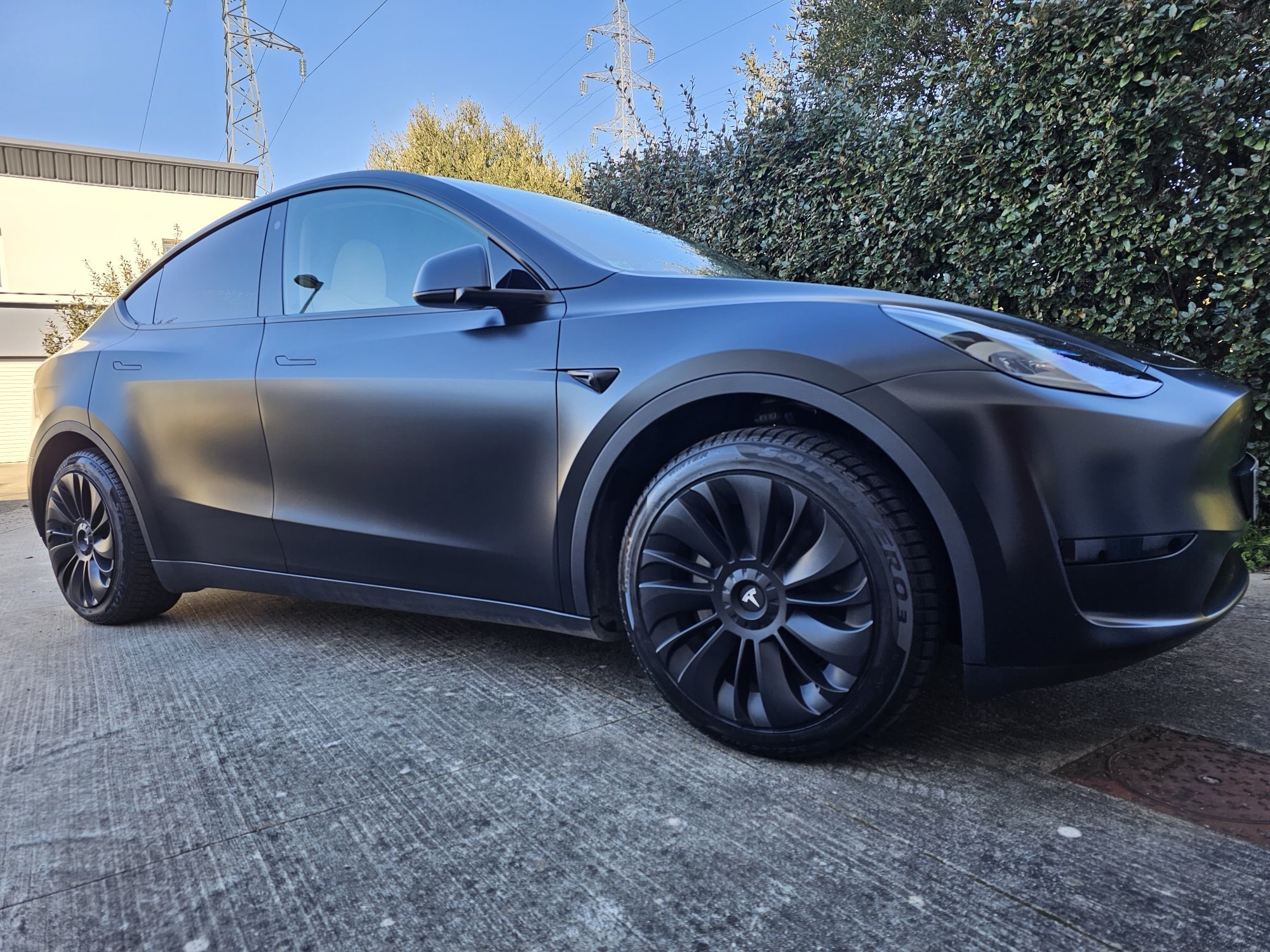
After driving a Tesla Model Y for a year and 30,000 kilometers, the author found it to be cost-effective compared to gas cars, saving €1,650 annually in fuel costs. Home charging proved significantly cheaper than public options, though real-world energy consumption was higher than Tesla's estimates. Despite some challenges with public charging infrastructure and higher upfront costs, the Model Y offered substantial savings in maintenance and fuel, making it a viable option for high-mileage drivers.

automotive1 year ago

"Poll: Less Than Half of Americans Interested in EVs Despite Biden's Push"

A recent poll by the Associated Press indicates that less than half of Americans are interested in purchasing an electric vehicle (EV), with only 4-in-10 somewhat likely to buy one. The main concerns are cost, range, and lack of charging stations. Plug-in hybrids appear to be a more attractive option for many. Despite President Biden's push for increased EV sales, resistance remains due to these factors. The poll also reveals that a significant number of Americans would consider buying a cheaper Chinese-made EV over a more expensive U.S.-made one.

automotive1 year ago

"Americans Favor Gas Cars Over EVs Despite Push for Electrification"

Despite President Biden's push for increased electric vehicle (EV) adoption, many Americans remain hesitant due to high costs and insufficient charging infrastructure, according to an AP-NORC/EPIC poll. Only 21% of U.S. adults are very likely to buy an EV for their next car, with range anxiety and charging time being significant concerns. The poll highlights generational differences, with younger people more open to EVs than older adults.

automotivetech1 year ago

"Rivian Owners Gain Access to Tesla Supercharger Network"

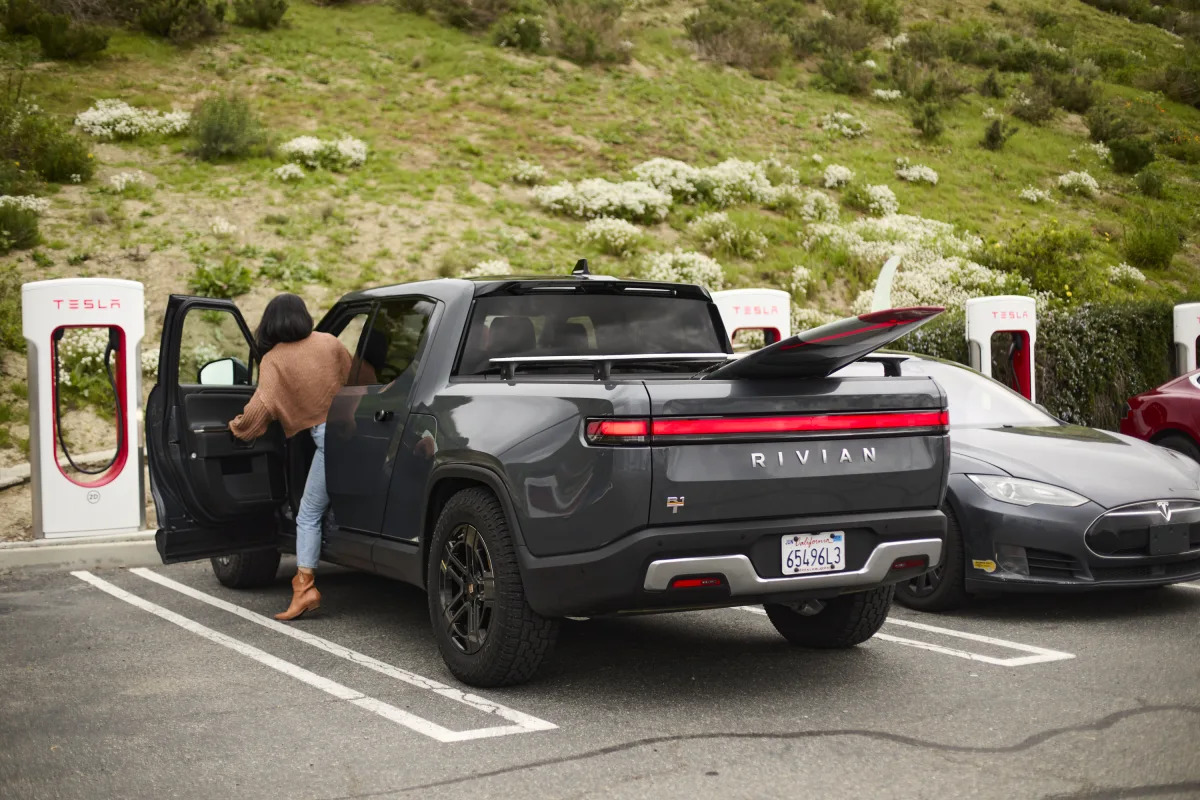
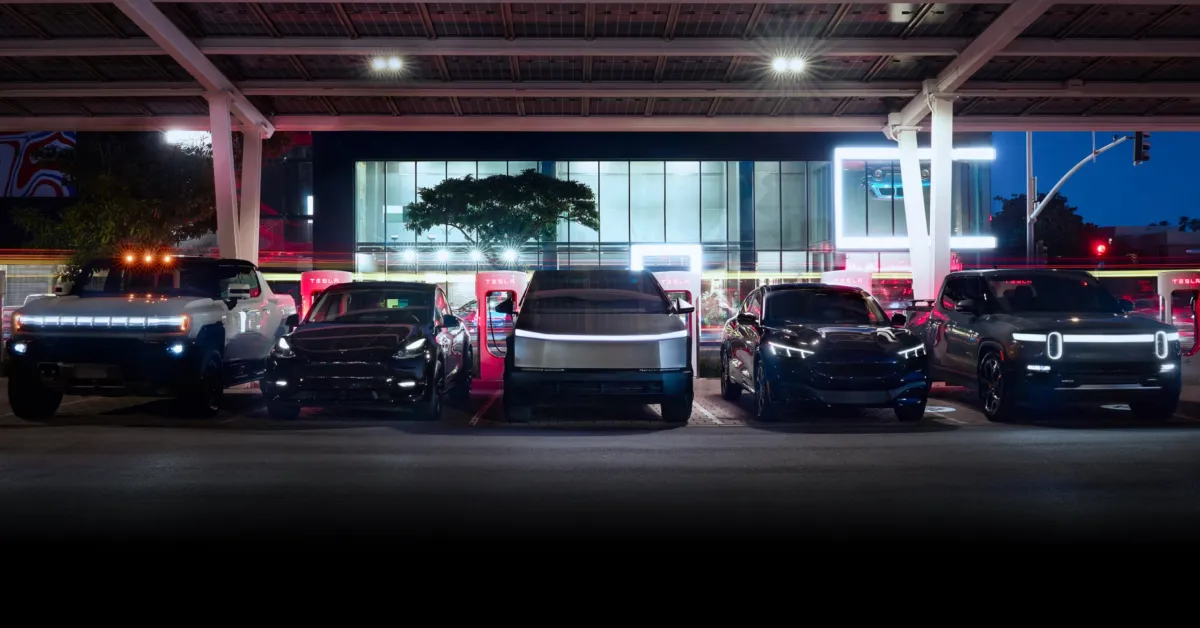
Rivian owners can now access Tesla's Supercharger network using a complimentary adapter issued by Rivian or a certified adapter, allowing them to charge their electric vehicles at over 15,000 Tesla Superchargers in the United States and Canada. This move follows a similar deal between Tesla and Ford, with Rivian's upcoming R2 and R3 vehicles set to have the Tesla NACS inlet plug as standard.

automotivetech1 year ago

"Tesla's Supercharger Network Opens to Ford and Other EV Owners, Creating New Revenue Stream"

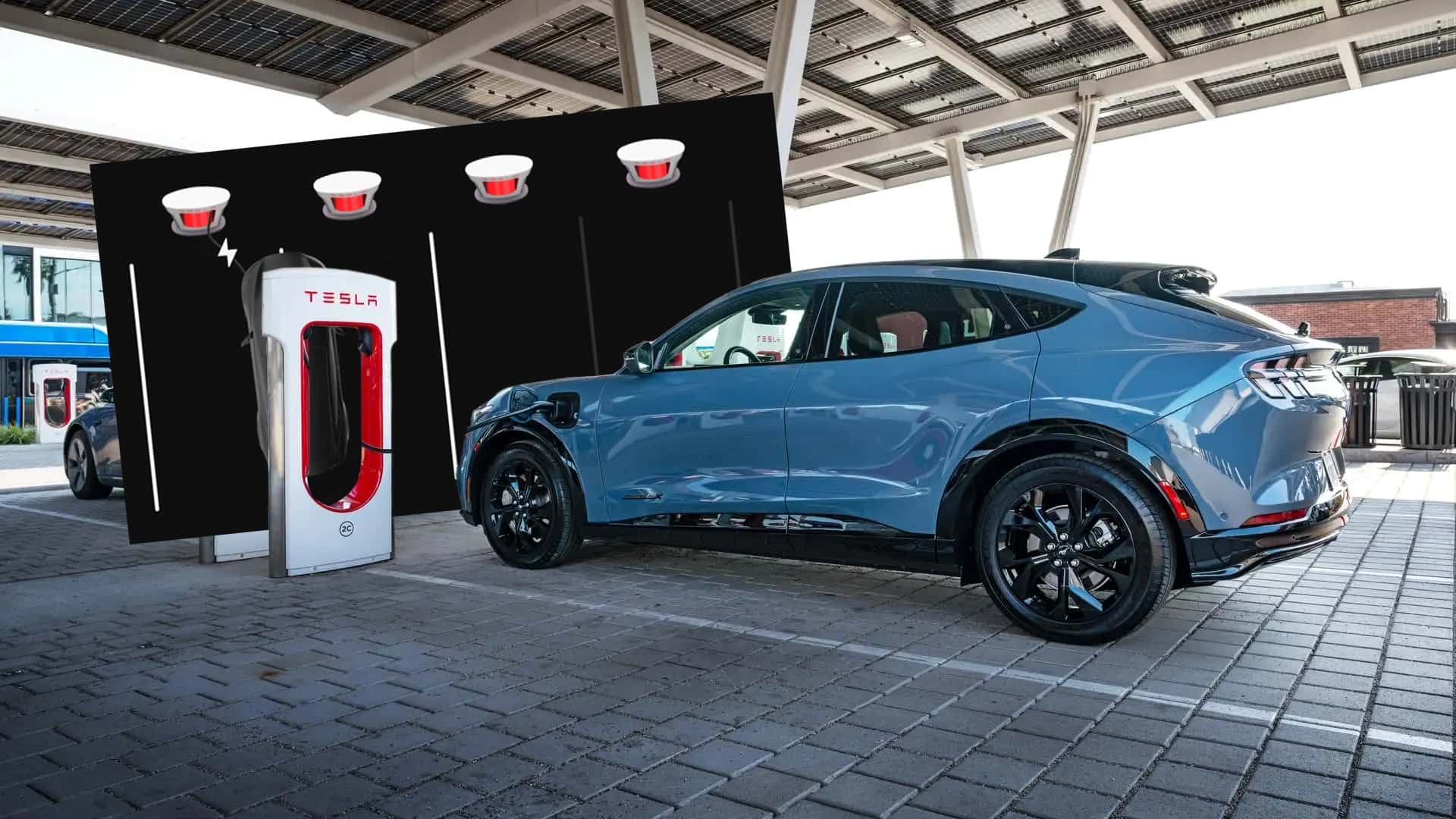
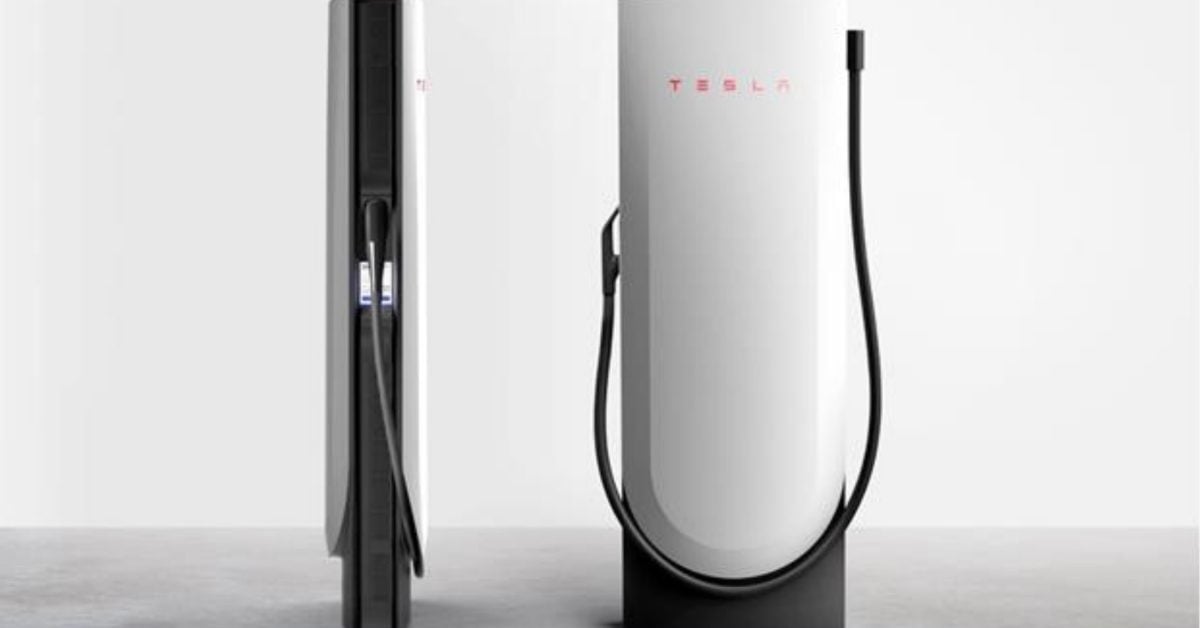
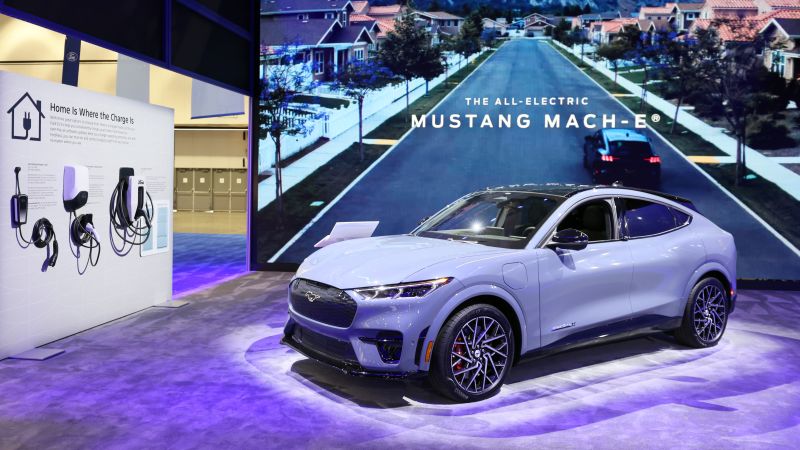
Ford's EV customers can now use Tesla's Supercharging network, but the short length of Tesla's Supercharger cables means non-Tesla vehicles might have to double-park charging stalls, causing potential inconvenience and reduced capacity at Supercharger locations. Tesla is working to resolve this issue with new "v4" Superchargers, but the problem persists at existing locations. As more non-Tesla vehicles gain access to the Supercharging network, Tesla owners may face growing pains at busy Supercharger locations, potentially impacting the network's reliability and accessibility.

business-electric-vehicles1 year ago

"Tesla's Supercharger Network: Opening to Ford and Other EVs for Profitable Partnerships"

Tesla's decision to open its Supercharger network to other automakers is not only a strategic move for EV adoption, but also a smart business decision. By charging non-Tesla EV owners a 30% premium per kWh of charging at Superchargers, Tesla is offering a $13 per month Supercharging membership to align their charging costs with Tesla owners. With the potential to sell memberships to as many as 1 million EVs in North America alone, Tesla could generate over $1 billion a year in revenue from non-Tesla EVs using the Supercharger network by the end of the decade, contributing to a projected $10 billion annual business by 2030.

automotivetech1 year ago

"Tesla Opens Supercharger Network to Ford and Other Automakers' EVs"

Tesla announces that four new automakers, including Rivian, General Motors, Volvo, and Polestar, will gain access to its Supercharger network in Spring 2024, following the onboarding of Ford EV drivers. This move aligns with Tesla's mission to accelerate the transition to renewable energy, but it may pose challenges as it opens the network to other EVs with different charge port locations.

automotive1 year ago

"Challenges and Realities: Navigating the EV Market's Current Landscape"

Despite recent price cuts and production adjustments by major automakers, electric vehicle (EV) sales in the United States hit a record high in 2023, surpassing 1 million for the first time. However, the industry is facing challenges such as high vehicle prices, limited body style options, and a lack of public charging infrastructure. Automakers are working to address these issues by collaborating to install more chargers and standardizing charging ports. Complex tax credit rules and leasing incentives are also being utilized to make EVs more accessible to consumers.

business-automotive1 year ago

"Lucid Motors Slashes 2024 Air Prices and Adds Perks to Boost Demand"

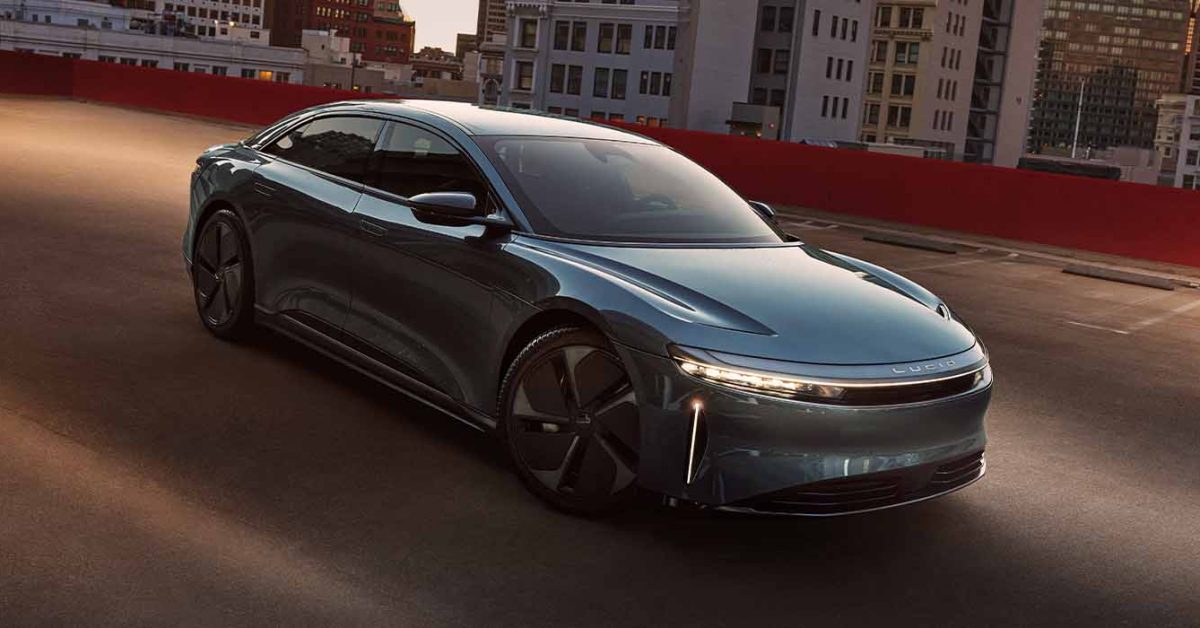
Lucid Motors has reduced the prices of its 2024 Air models, with the RWD Pure starting at an MSRP below $70,000 and offering an EPA range of 410 miles. The Touring and Grand Touring trims have also seen price cuts. Additionally, the company is offering a $1,000 allowance towards purchasing a charging accessory and free scheduled maintenance for two years or 24,000 miles with each Air purchase, aiming to address price and ease of ownership concerns for prospective EV customers.

automotive-industry1 year ago

"Addressing EV Affordability: The Impact of Interest Rate Cuts"

Industry experts believe that interest rate cuts would significantly alleviate the affordability issues in the electric vehicle market, as high interest rates have been pushing potential buyers out of the market and driving monthly payments to unmanageable levels. Additionally, the lack of charging infrastructure and high pricing are dissuading American car buyers from fully embracing EVs. With double the inventory of EVs compared to gas-powered vehicles, the market is expected to see more incentives, discounts, and price cuts, making it a cutthroat business in the next year or two. Addressing pricing and expanding and maintaining the EV charging infrastructure are crucial for mainstream adoption of electric vehicles.

automotive2 years ago

"Challenges of Electric Vehicles in Harsh Winter Conditions"

Electric vehicle owners in Minnesota are facing challenges during the winter, with decreased travel range and longer charging times due to the cold weather. Some drivers are concerned about the lack of fast-charging docks in the metro area, while others believe the environmental benefits of electric vehicles outweigh the drawbacks. Experts recommend strategies such as warming up the car while it's still charging and using seat and steering wheel warmers to preserve energy.

automotivetechnology2 years ago

"Chilling Challenges: How Winter Weather Affects Electric Vehicle Range"

Cold weather can significantly reduce the driving range of electric vehicles due to decreased battery efficiency and increased power consumption for heating. This has led to frustrations for EV drivers, particularly in areas with limited charging infrastructure. The use of heat pumps and pre-conditioning can help mitigate the impact of cold weather on battery range, but the issue highlights the need for continued development of charging infrastructure and battery technology to support the growing number of electric vehicles on the road.

electric-vehicles2 years ago

"Biden Administration's Push for Electric Vehicle Infrastructure Funding Amid Reports of Slowing Sales"

Despite reports of slowing electric vehicle (EV) sales and manufacturers dialing back production goals, US Energy Secretary Jennifer Granholm remains optimistic, citing record-setting EV sales in 2023 and a growing demand. The Biden administration is unfazed by the slowdown, emphasizing the increasing availability of public charging stations and the potential for lower EV prices due to oversupply. Granholm also highlighted the progress in achieving President Biden's goal of 500,000 publicly available charging stations by 2030, with an expected 1.2 million by 2030. Additionally, practical tips for those considering EVs include auditing driving habits, exploring charging options, using EV route planners, and renting an EV for a firsthand experience.