Kosovo held its second election of 2025 to resolve a year-long political deadlock that has hindered government formation and international funding, with Prime Minister Albin Kurti's party seeking a majority amid opposition criticism and concerns over stability and EU support.
Europe failed to agree on using frozen Russian assets to fund Ukraine's war effort, leading to concerns that Ukraine will need more support than the EU can provide, while divisions among European leaders and growing public reluctance threaten to weaken Europe's backing for Ukraine amid ongoing conflict with Russia.
German conservative leader emphasizes that without a trade agreement with Mercosur, Berlin cannot increase its contributions to EU funds, highlighting the importance of trade deals for financial commitments within the EU.
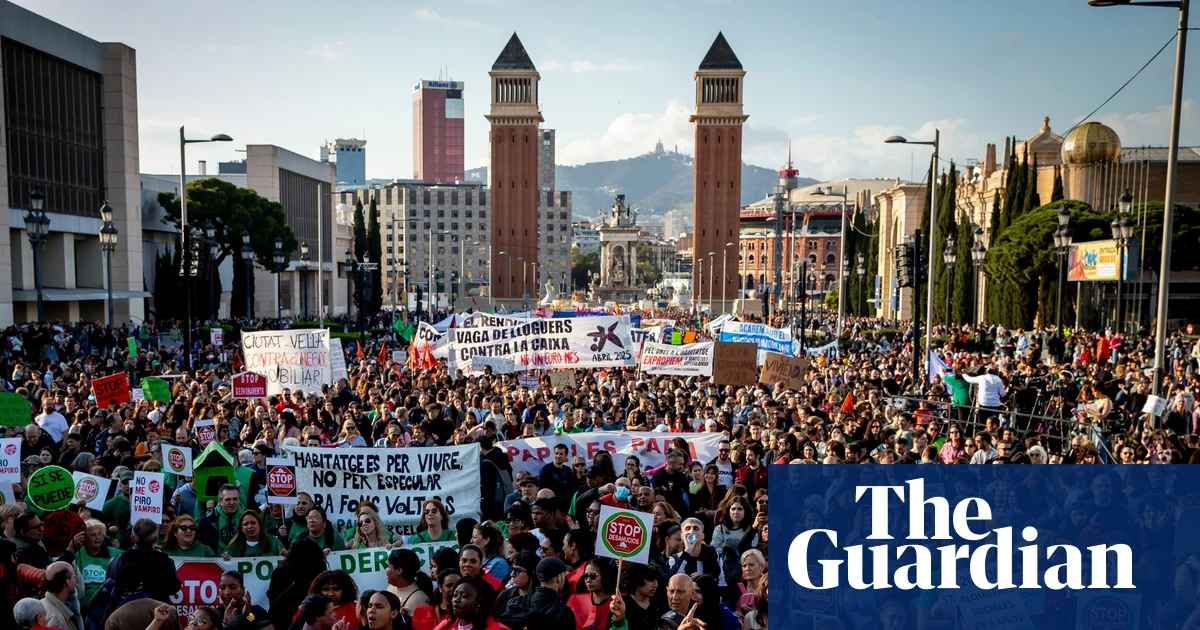
The mayor of Barcelona warns that Europe's soaring housing costs are a 'new pandemic,' urging the EU to allocate billions for affordable housing to address a social emergency impacting millions and threatening democratic stability.
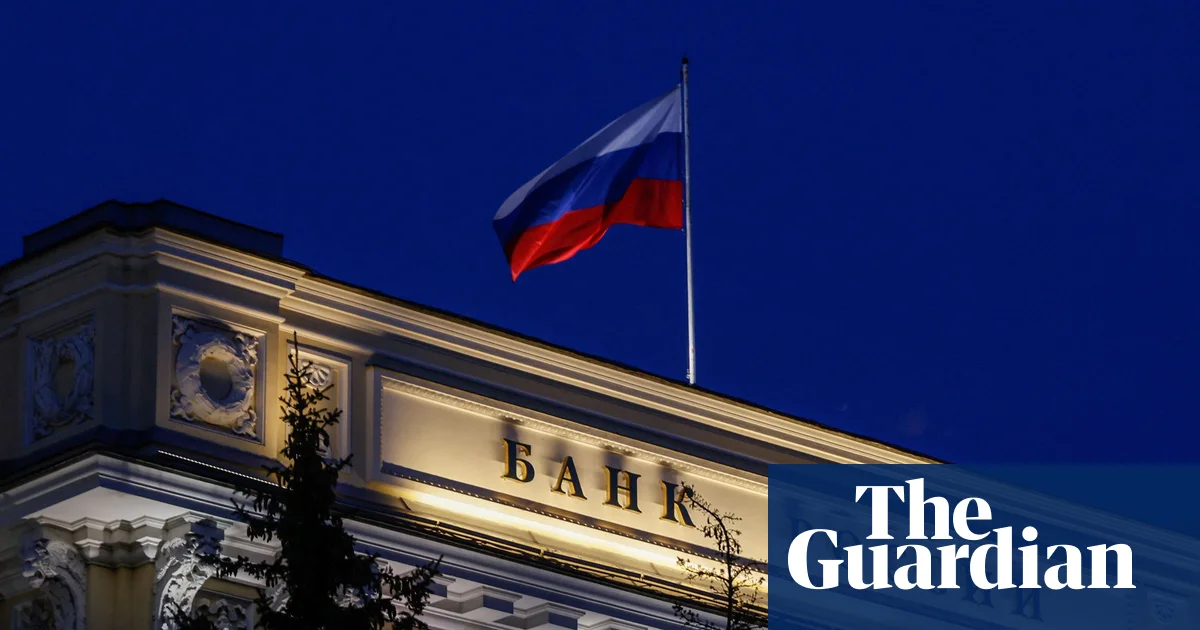
Russia is seeking $230 billion in damages from Euroclear over frozen assets, as the EU considers using €210 billion of Russian assets to fund Ukraine's defense, prompting legal and political tensions between Russia, the EU, and the US.
A hacking gang in Italy has been revealed to have built a database of high-level secrets to blackmail Italy’s elites, with wiretaps and arrest warrants exposing the plot, amidst broader political unrest and protests related to international conflicts.
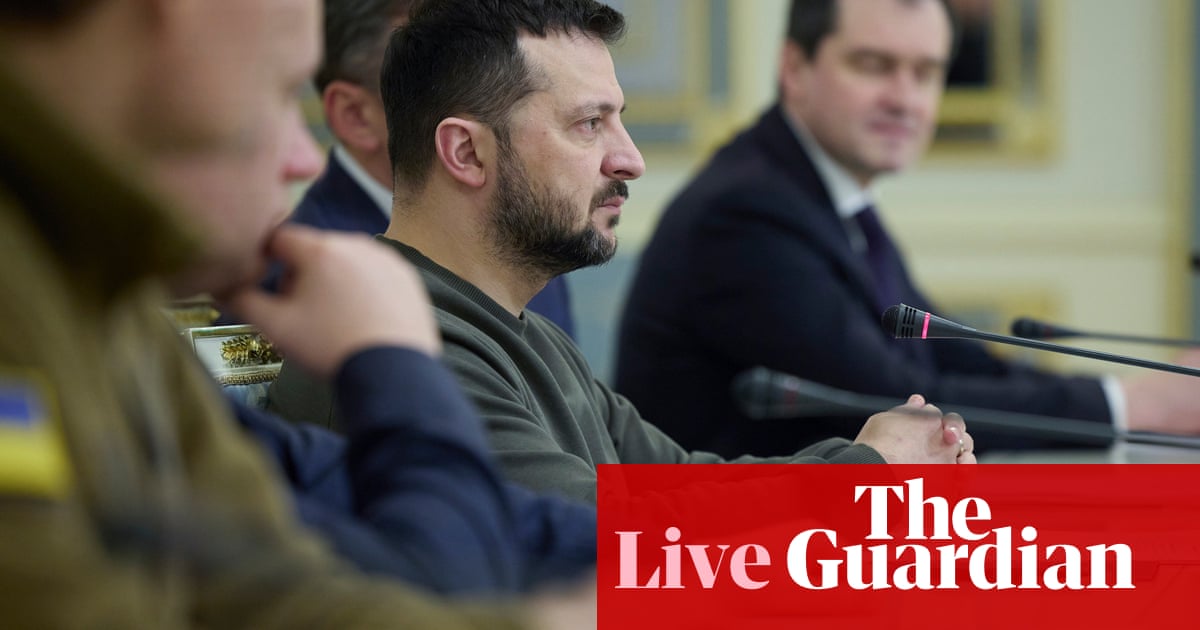
Johan Van Overtveldt, chair of the European parliament’s budgets committee, argues that the newly agreed 50bn euro EU aid for Ukraine is insufficient, as it falls short of the country's non-military needs. Ukrainian officials express concern over the repeated failure of the Biden administration to secure funding for Ukraine, citing serious battlefield consequences. Meanwhile, the head of the European Commission and the Spanish prime minister visit Mauritania to sign deals on migration and energy, amid a surge in people-smuggling operations to the Canary Islands. Poland’s prime minister criticizes US Senate Republicans for blocking a bipartisan bill that would have provided military assistance for Ukraine.
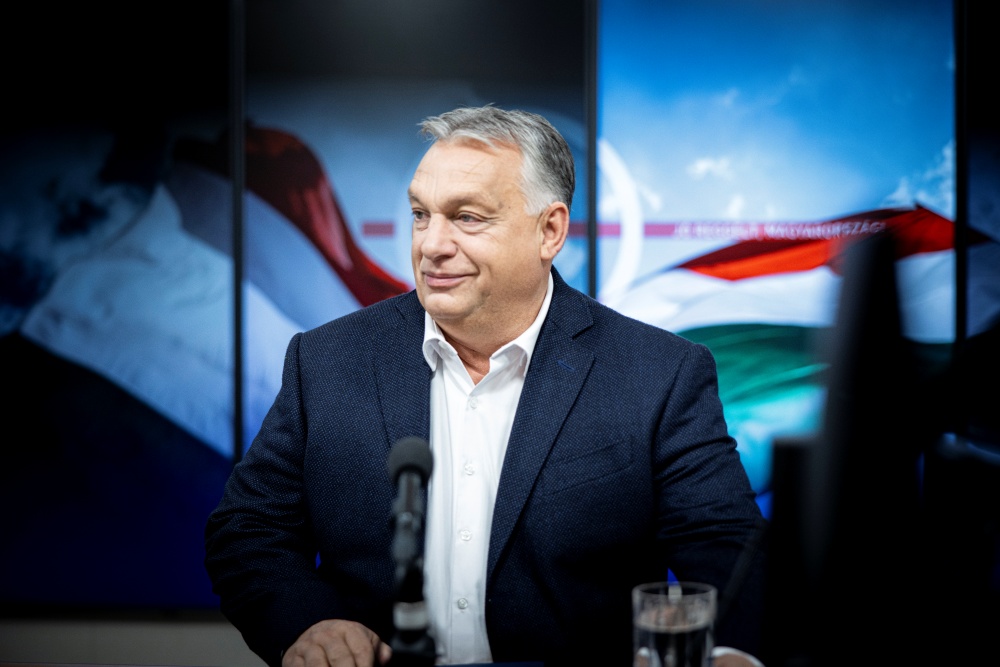
Hungarian Prime Minister Viktor Orbán emphasized in an interview that no amount of money would compel Hungary to accept migrants or LGBTQ propaganda, in response to the European Commission withholding 20 billion Euros over alleged rule-of-law concerns. He also discussed the upcoming European Parliament elections, the national consultation on the sense of belonging in Hungary, and the government's plans for economic growth, including completing a six-year program to raise teachers' salaries in three years with EU funding.
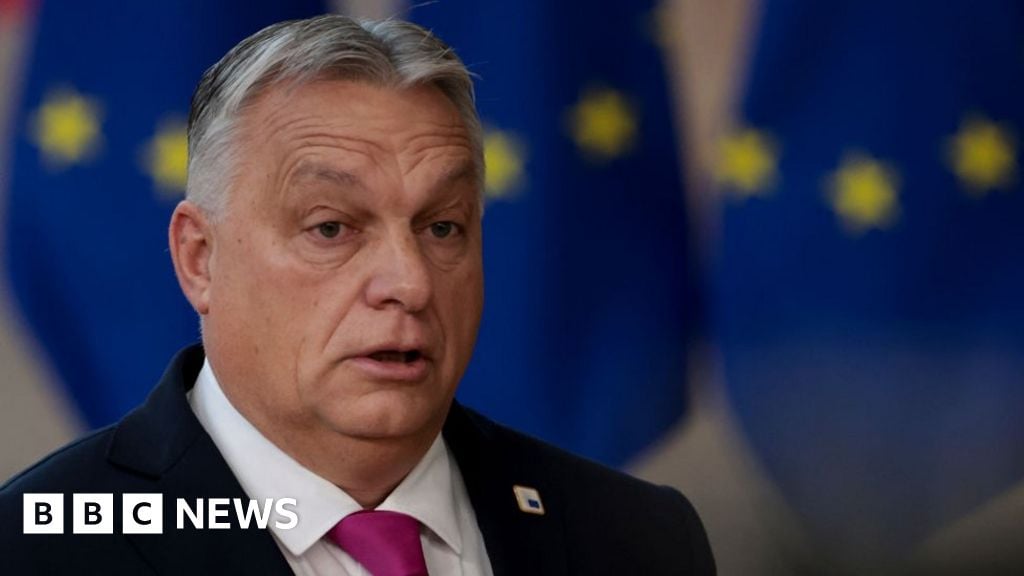
Hungarian Prime Minister Viktor Orbán has pledged to resist European Union (EU) funding for Ukraine, citing concerns over the treatment of the Hungarian minority in the country. Orbán's stance has drawn criticism from opposition parties, who argue that it undermines Hungary's commitment to EU solidarity. The EU has been providing financial assistance to Ukraine as part of its efforts to support the country's reform agenda and stabilize its economy.
Hungary has blocked €50bn of EU aid for Ukraine shortly after an agreement was reached on starting membership talks. While Hungary did not veto the decision to open membership talks, it opposes Ukraine's membership and maintains close ties with Russia. The aid negotiations will resume early next year. Ukraine is heavily dependent on EU and US funding as it continues to fight against occupying Russian forces.
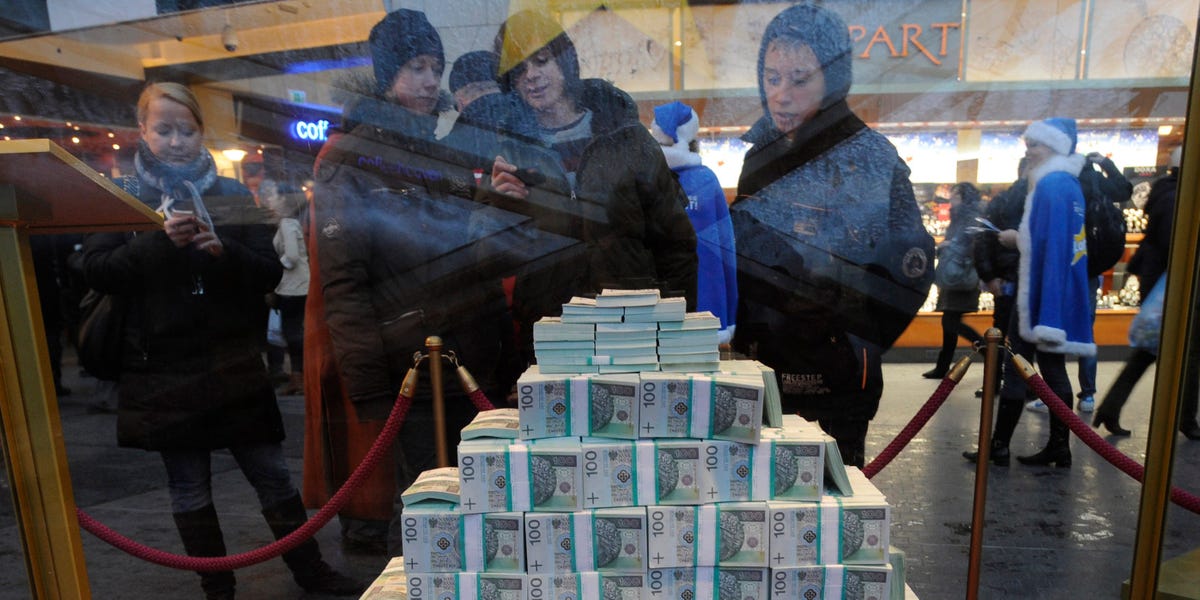
The Polish zloty has emerged as the top-performing currency, rising 2.4% against the US dollar, and the WIG20 stock index gained nearly 3% following national elections that put a pro-European coalition in power. The shift in political leadership is expected to unlock EU funding and investment opportunities for Poland, potentially leading to the dismantling of previous reforms and improved relations with European partners. This has attracted investors to the country, defying the global markets sell-off and boosting the Polish currency and stock market.