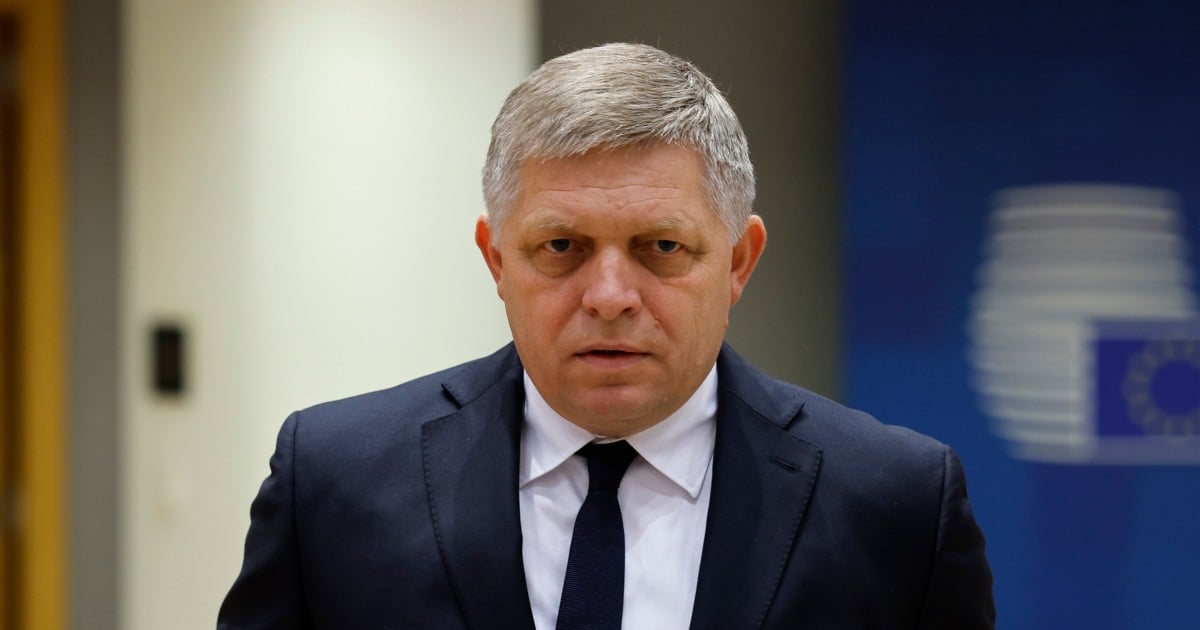
Slovakia's Prime Minister Robert Fico, who opposes military aid to Ukraine, made his first speech since surviving an assassination attempt, suggesting his views on Ukraine made him a target. Fico, recovering from gunshot wounds, expressed no malice towards his attacker and plans to return to work in a month. He criticized the opposition and claimed that differing opinions are no longer tolerated in the EU. The suspect in the attack remains in custody, with authorities investigating potential involvement of a third party. Fico's party is in a tight race for the European Parliament elections.
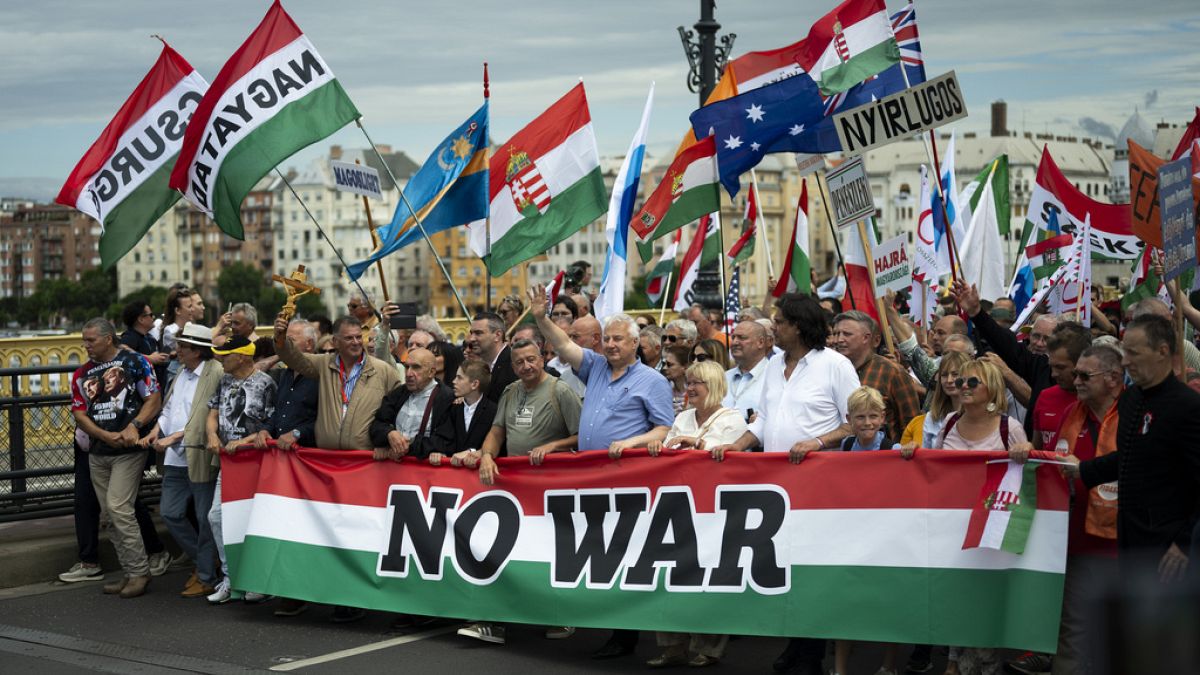
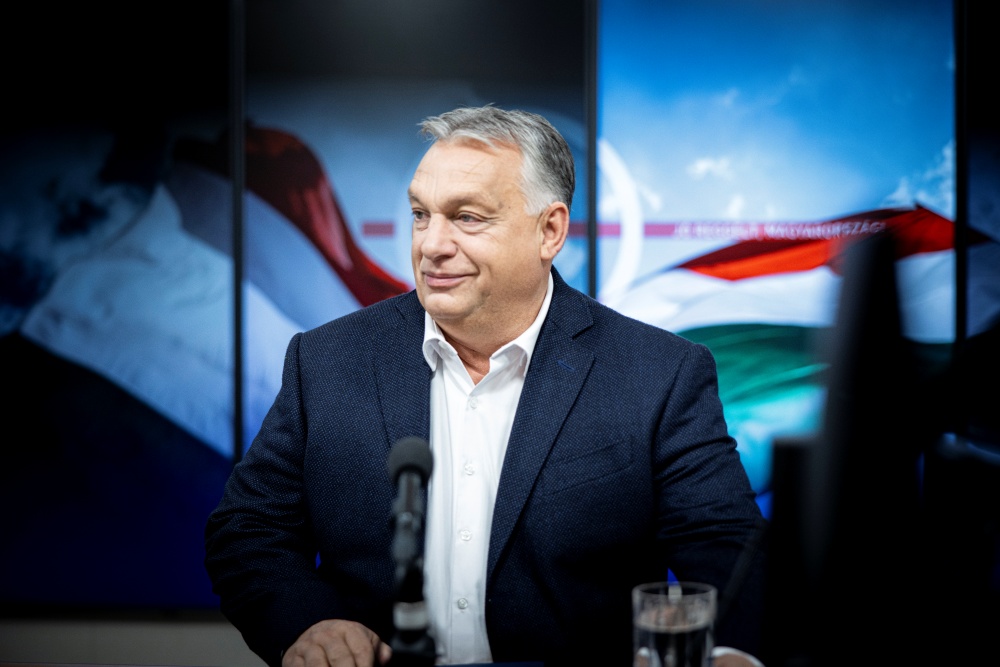
Tens of thousands marched in Budapest in support of Prime Minister Viktor Orbán, emphasizing peace and opposing war ahead of the European Parliament elections. Orbán, the EU's longest-serving leader, has focused his campaign on the Ukraine conflict, advocating for an immediate cease-fire, which critics argue would benefit Russia.
Hungarian Prime Minister Viktor Orbán emphasized in an interview that no amount of money would compel Hungary to accept migrants or LGBTQ propaganda, in response to the European Commission withholding 20 billion Euros over alleged rule-of-law concerns. He also discussed the upcoming European Parliament elections, the national consultation on the sense of belonging in Hungary, and the government's plans for economic growth, including completing a six-year program to raise teachers' salaries in three years with EU funding.
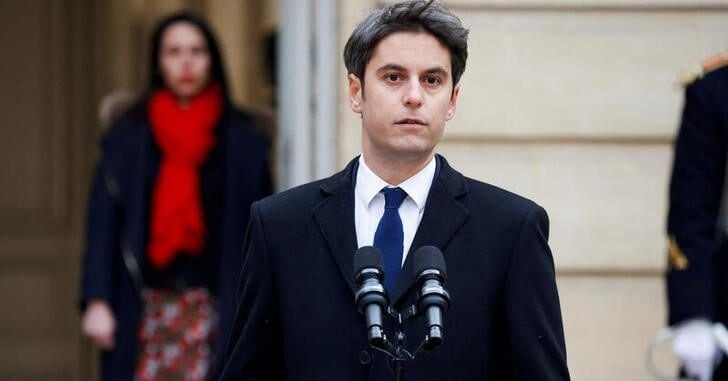
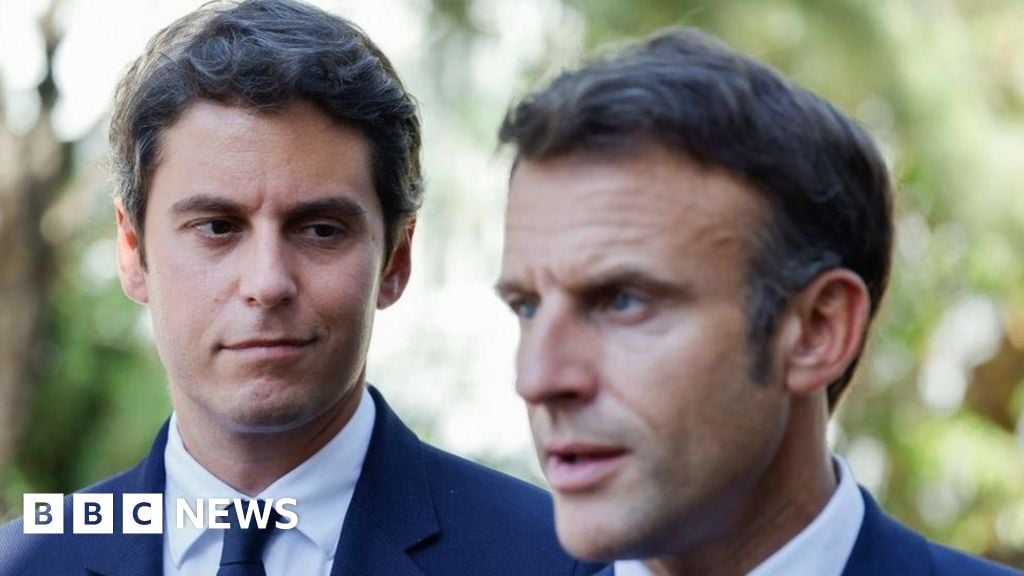
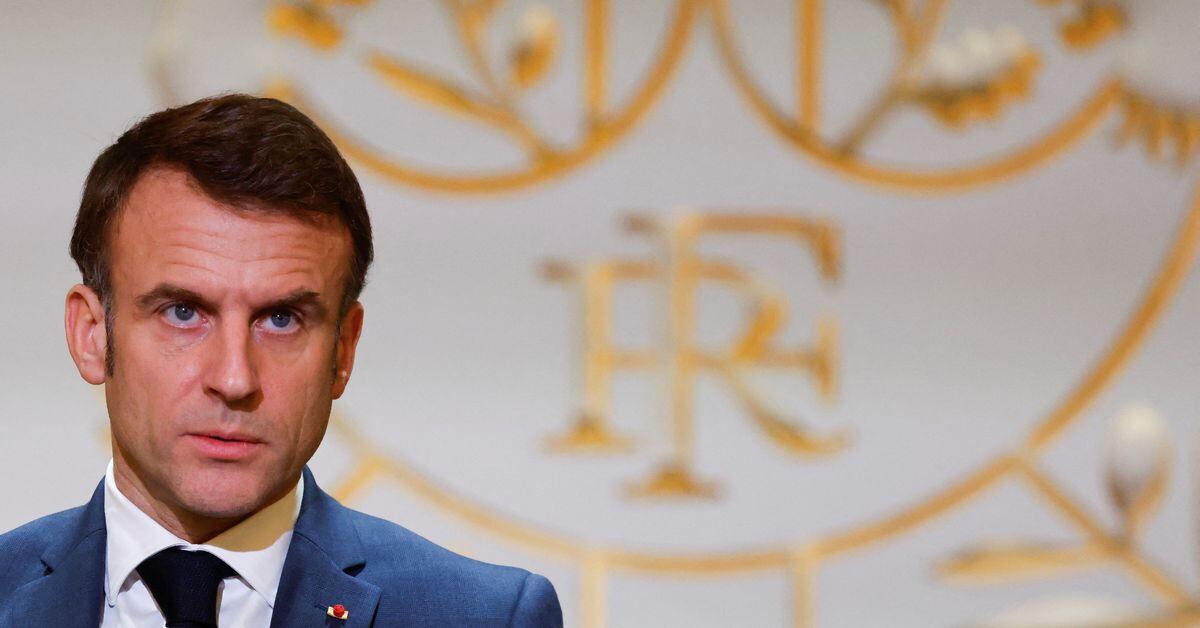
French President Emmanuel Macron and new Prime Minister Gabriel Attal are working on forming a new cabinet to revitalize the government ahead of the European Parliament elections in June. Attal, a 34-year-old media-savvy loyalist, aims to address the rising cost of living and bring a fresh perspective to Macron's centrist party. The reshuffle may impact the race to succeed Macron in the 2027 presidential election, with potential candidates including former prime minister Edouard Philippe, interior minister Gerald Darmanin, and finance minister Bruno Le Maire. Macron's ratings have been affected by public discontent over living costs and pension reform, making the upcoming elections crucial for his party.
Gabriel Attal, at 34, has been appointed as France's youngest prime minister, succeeding Élisabeth Borne. A rising star in Macron's government, Attal faces the challenge of leading the country into important European Parliament elections in June amidst a lack of majority in parliament and a growing challenge from the nationalist right. While he has gained popularity and admiration, questions remain about his ability to establish authority and define a new sense of purpose for Macron's presidency.
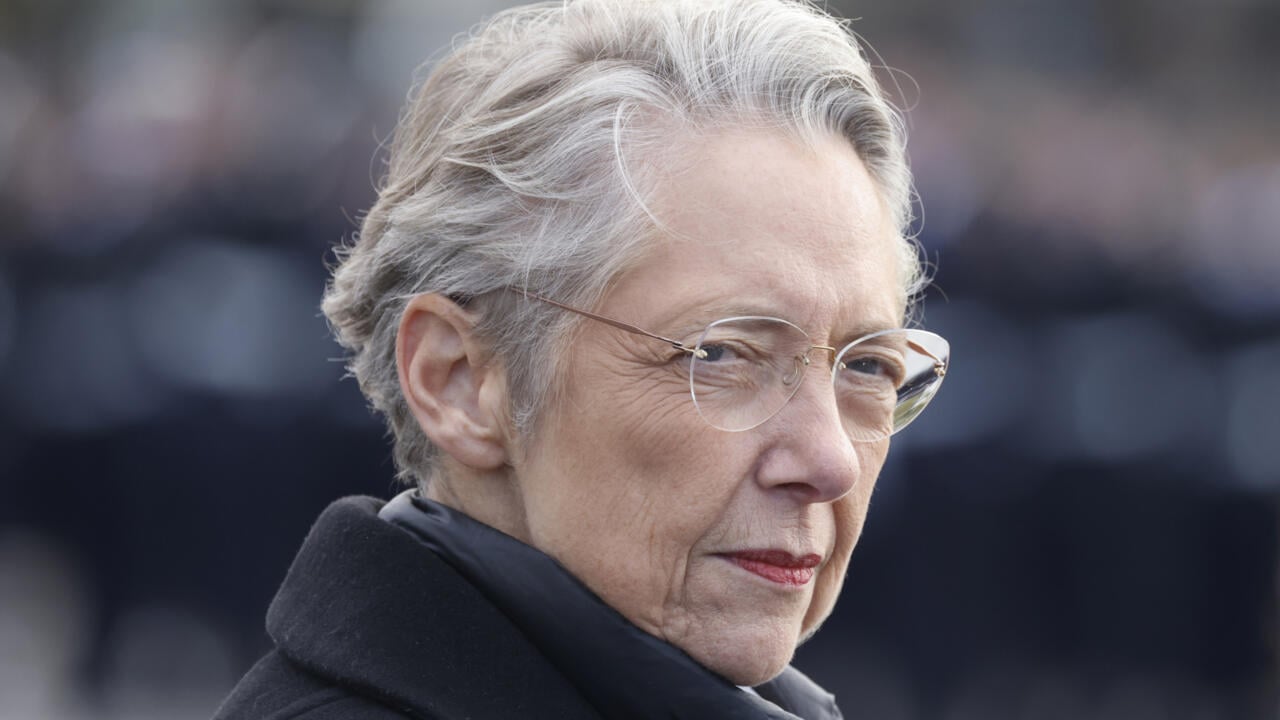
French Prime Minister Elisabeth Borne has resigned as President Emmanuel Macron seeks to revamp his troubled government ahead of European parliament elections and the Paris Olympics. Macron did not immediately name her successor, but potential candidates include Education Minister Gabriel Attal and Defence Minister Sebastien Lecornu. The change signals a desire to move beyond previous reforms and focus on new priorities, including hitting full employment. Macron's government has struggled to pass laws since losing its absolute majority, and the reshuffle is likely to intensify the race within Macron's camp to succeed him in the next presidential election in 2027.
French President Emmanuel Macron defended a bill to toughen immigration laws despite an embarrassing parliamentary vote that aligned his ruling alliance with Marine Le Pen's far-right Rassemblement national party. The bill's adoption could boost Le Pen's party ahead of the upcoming European Parliament elections. Macron plans to refer the bill to the Constitutional Council for checks on its constitutionality. The bill includes measures such as migration quotas, making it harder for immigrants' children to become French citizens, and delaying migrants' access to welfare benefits. The bill has caused unease among Macron's left-leaning lawmakers, with some abstaining or voting against it.
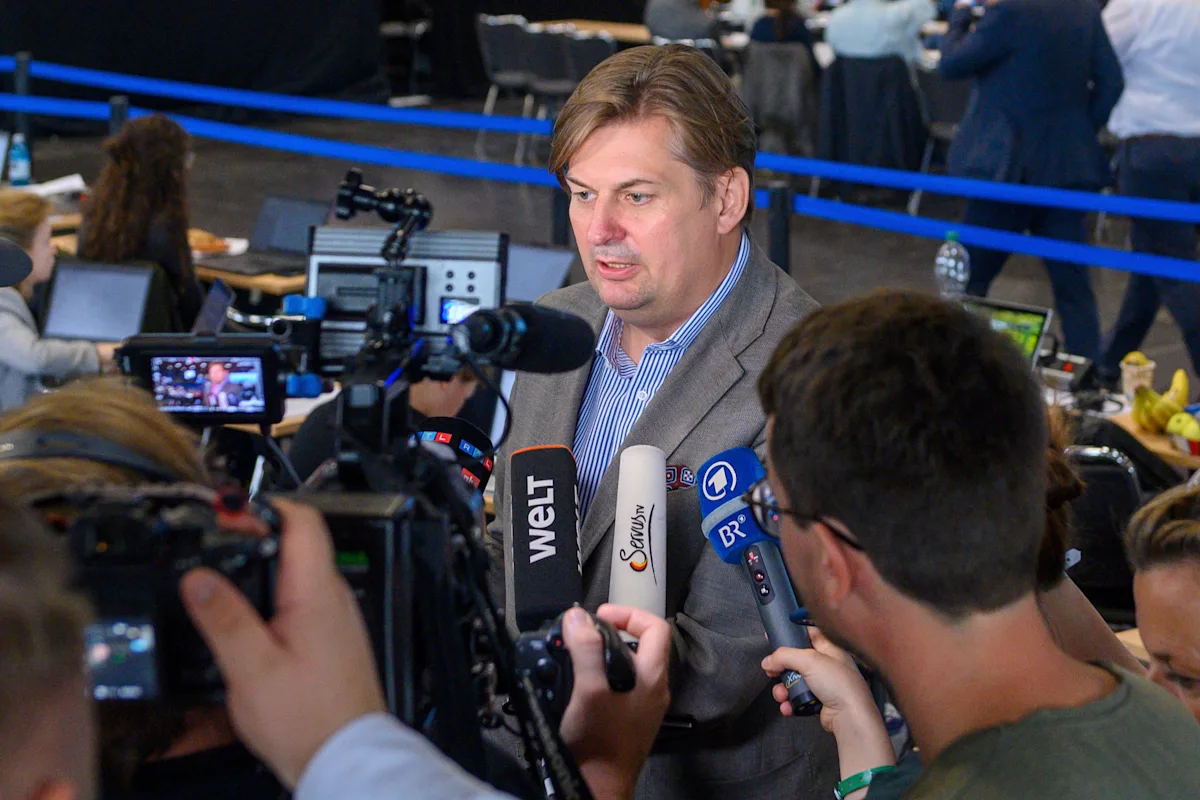
The far-right Alternative for Germany (AfD) has declared the European Union a "failed project" in its current form, criticizing its migration and climate policies. However, the party stopped short of demanding Germany's exit from the EU and instead called for its re-founding as a "federation of European nations." The AfD's program for the upcoming European Parliament elections also emphasizes the protection of external borders, strategic autonomy in security policy, and the preservation of "different identities" in Europe. Recent polls show the AfD with significant support, and the party has won elections in eastern Germany. The AfD's list of candidates for the European Parliament election was also finalized at the party convention.