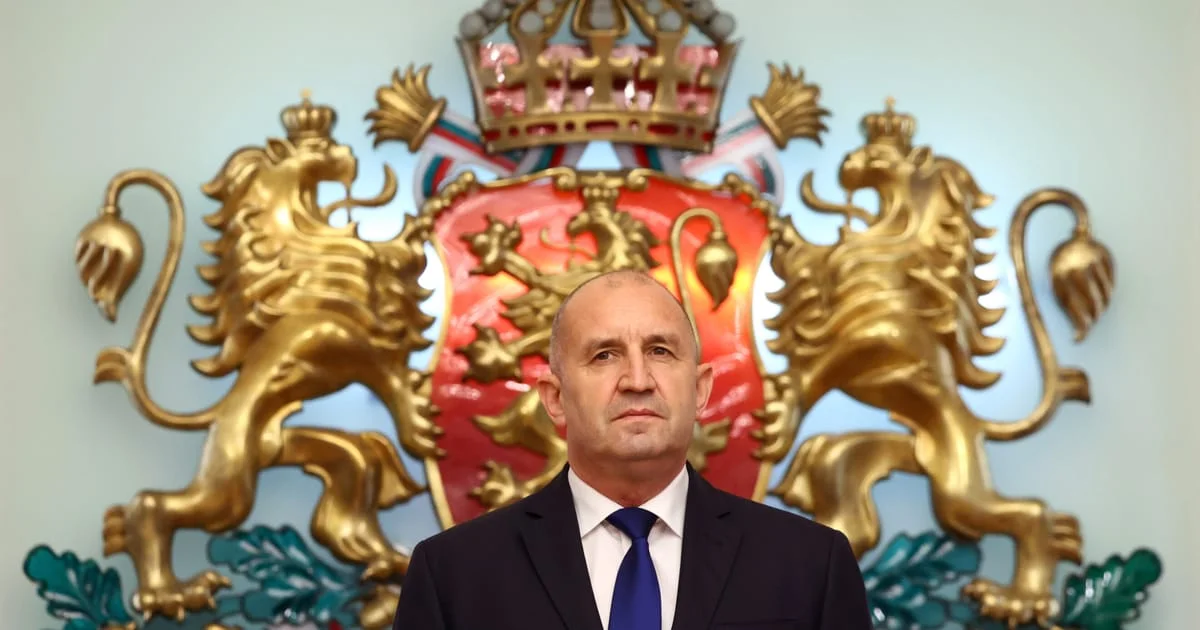
Bulgaria has officially adopted the euro, with the Bulgarian central bank's governor joining the ECB Governing Council. While the transition is underway, Bulgarians can still use levs until June 30, with public opinion divided on the move. Bulgaria has been an EU member since 2007 and sees benefits from membership.
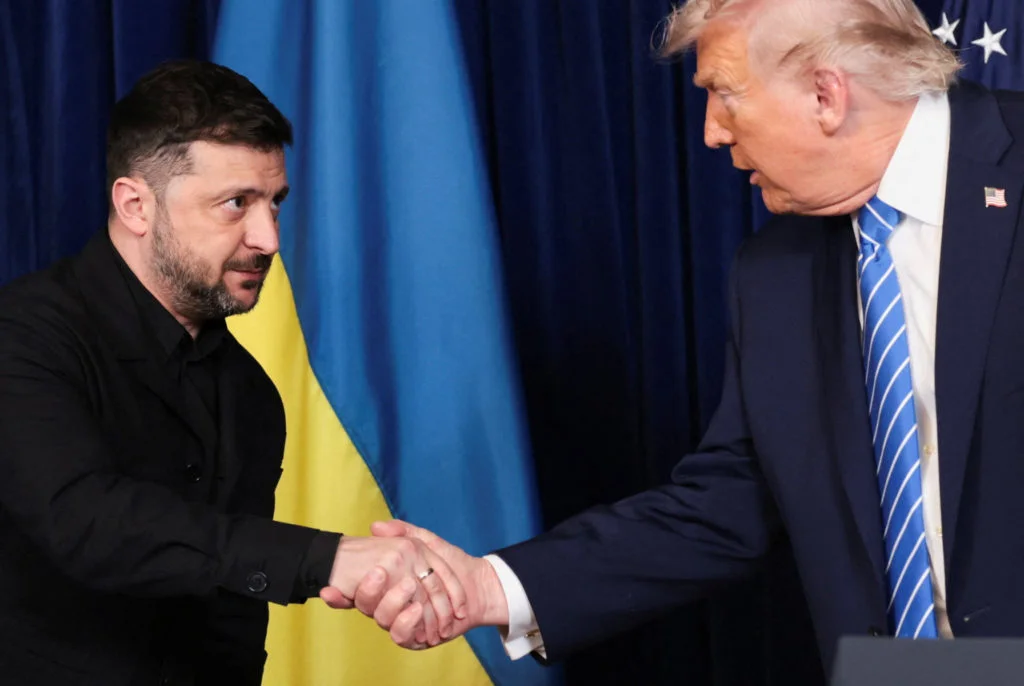
U.S. officials report that Ukraine and Russia are close to reaching a peace agreement, with Ukraine dropping NATO membership ambitions and Russia open to EU accession, though final territorial and security guarantees are still being negotiated, and key issues remain unresolved.
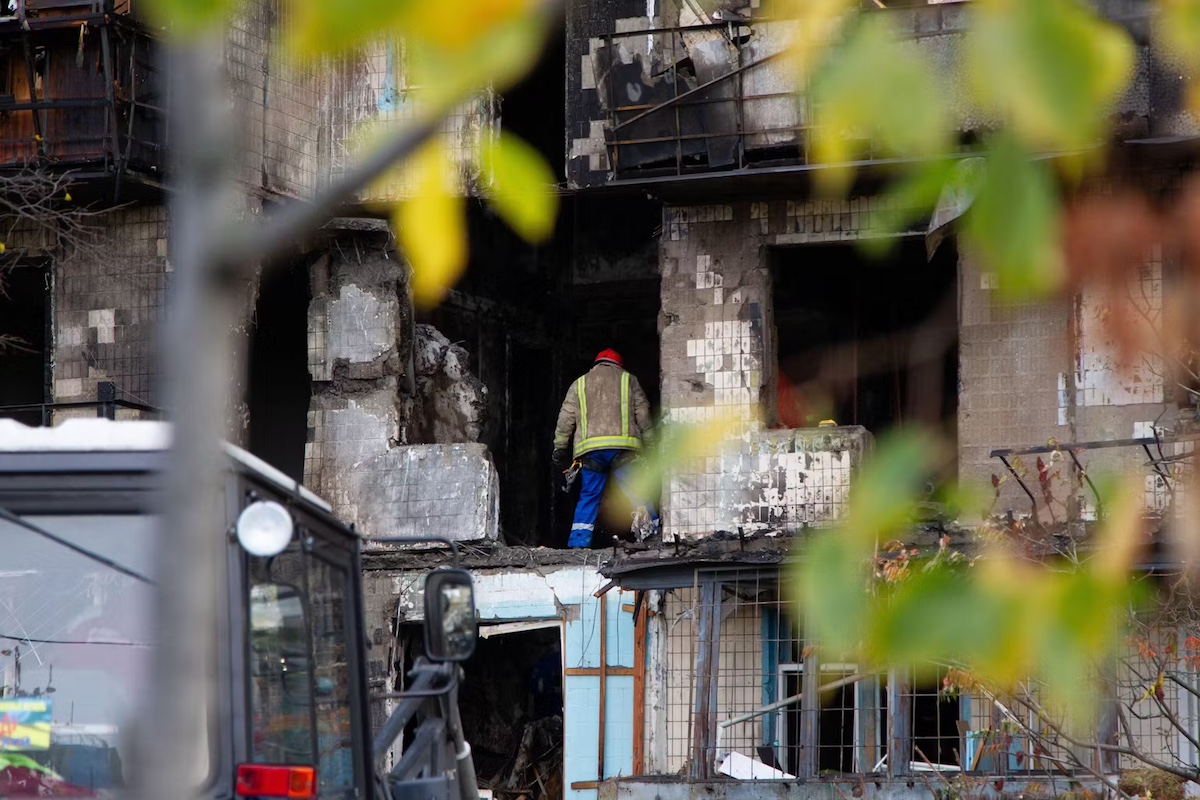
Ukraine faces significant challenges on multiple fronts, including ongoing battles, energy infrastructure attacks, and political issues affecting its EU accession process, amid complex international relations involving the US, China, and Russia, which complicate prospects for peace and support.
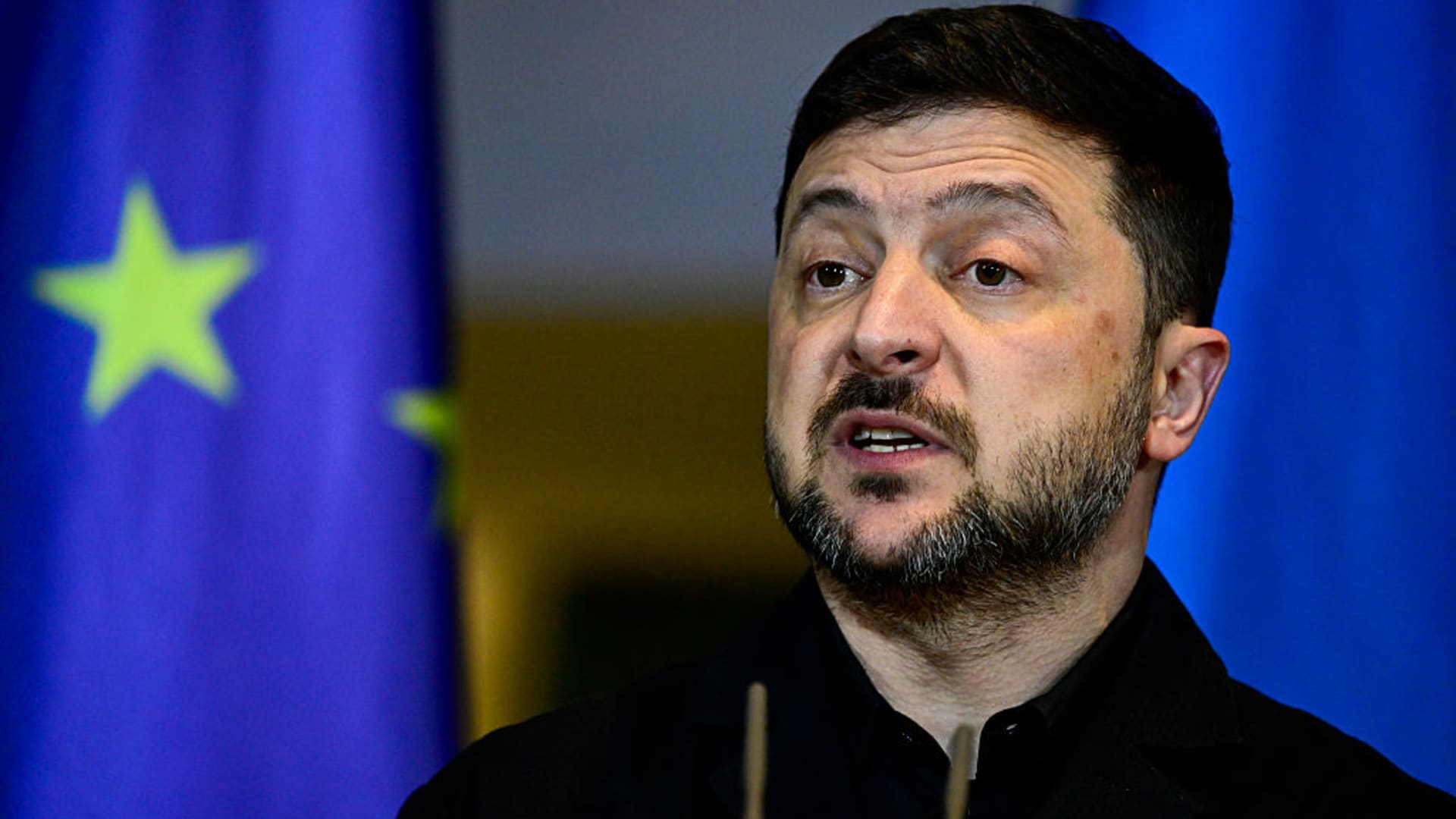
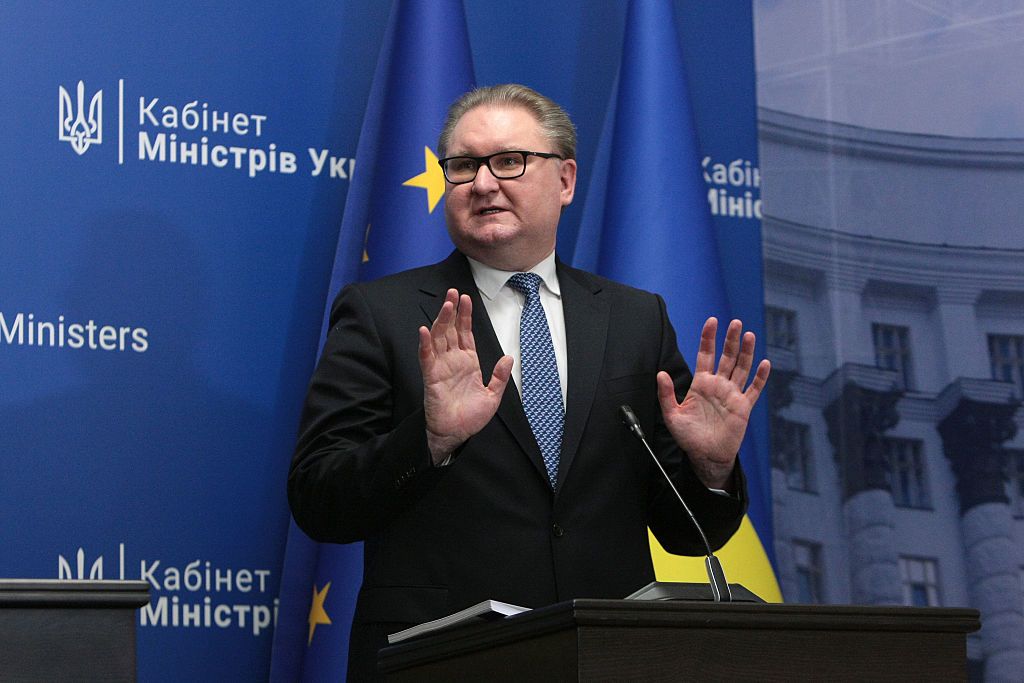
Ukraine's Deputy Prime Minister Taras Kachka discussed the country's progress towards EU accession, hindered by Hungary, and the potential use of frozen Russian assets to cover its budget deficit, with a decision expected at the EU Council meeting in December. Ukraine aims to complete accession negotiations by 2028, facing political challenges, while also seeking financial support through a proposed reparations loan funded by Russian assets.
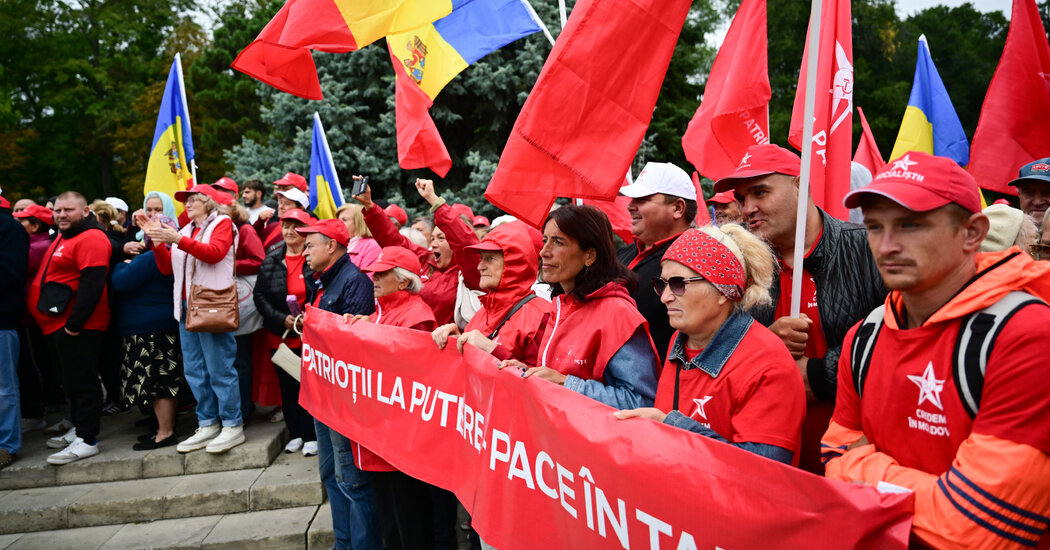
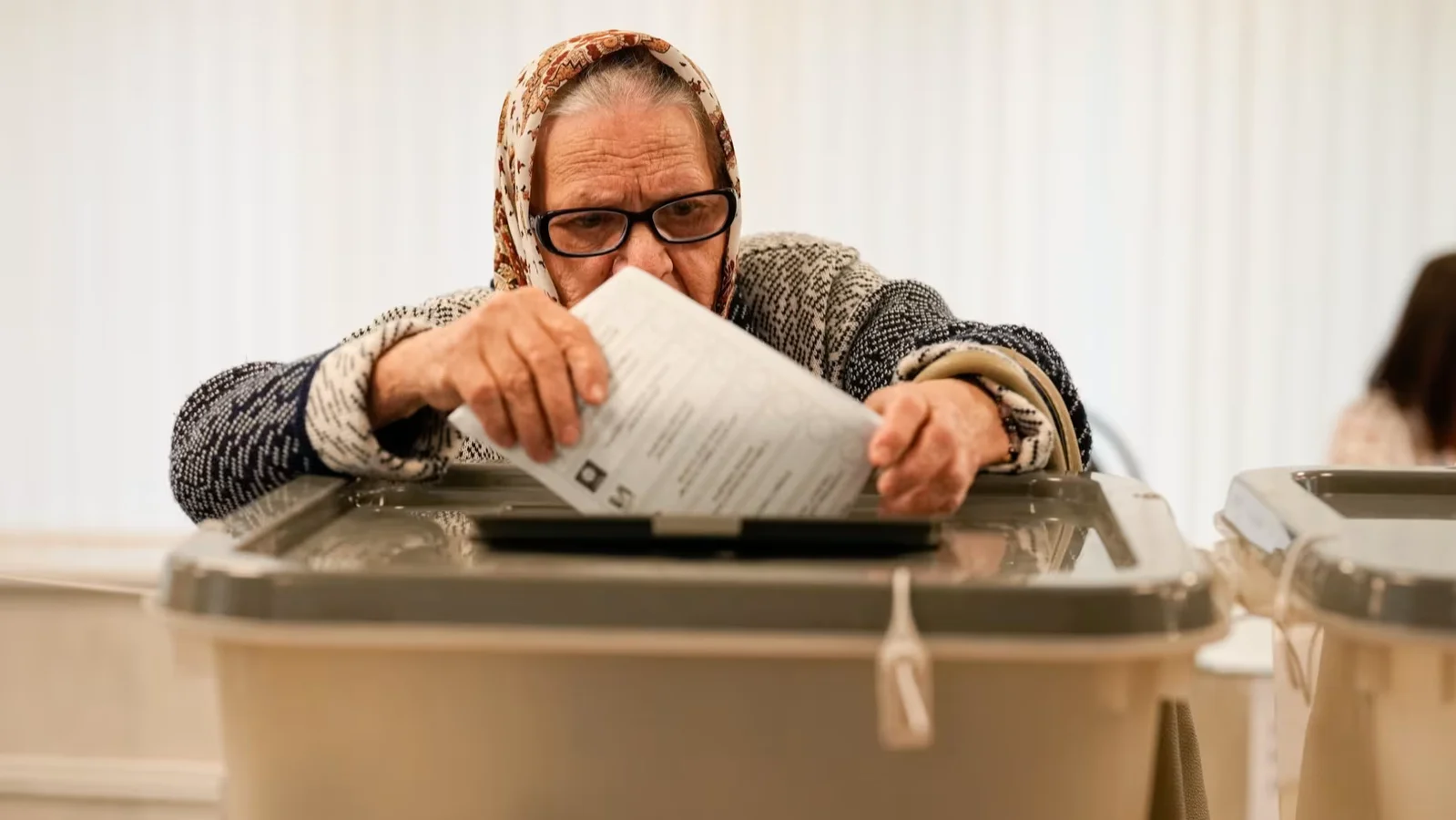
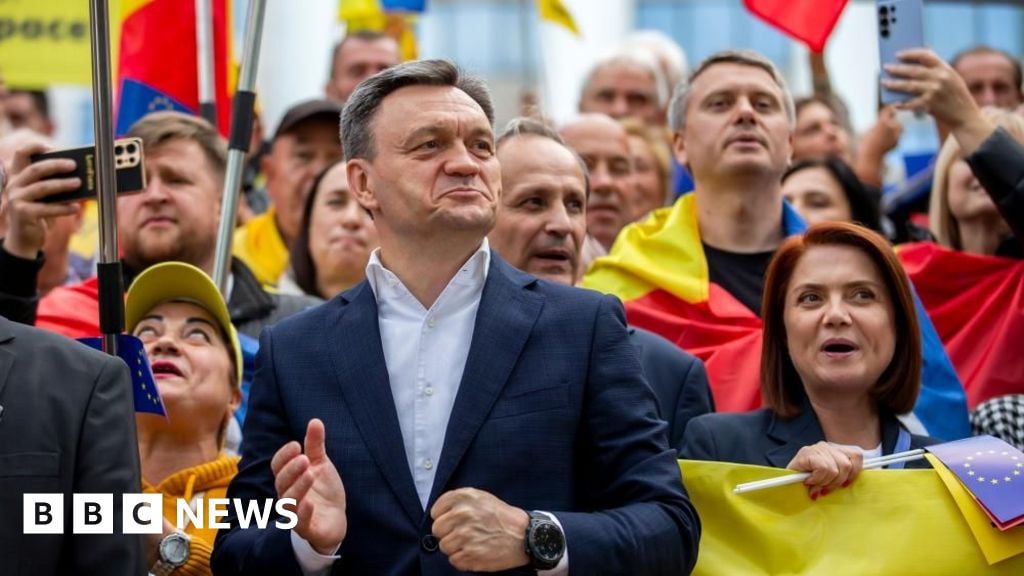
Moldova's parliamentary election is a pivotal moment, with voters divided between pro-European and pro-Russian factions amid concerns of foreign interference, cyberattacks, and disinformation campaigns, reflecting broader East-West tensions and Moldova's strategic importance.
Moldova is holding a crucial election that will determine its prospects for continuing its bid to join the European Union, highlighting the country's political importance and the ongoing EU integration process.
Moldova's upcoming election is heavily influenced by fears of Russian interference, including vote-buying, disinformation, and plots for unrest, as the country shifts towards EU integration and faces pressure from Russia to maintain influence.
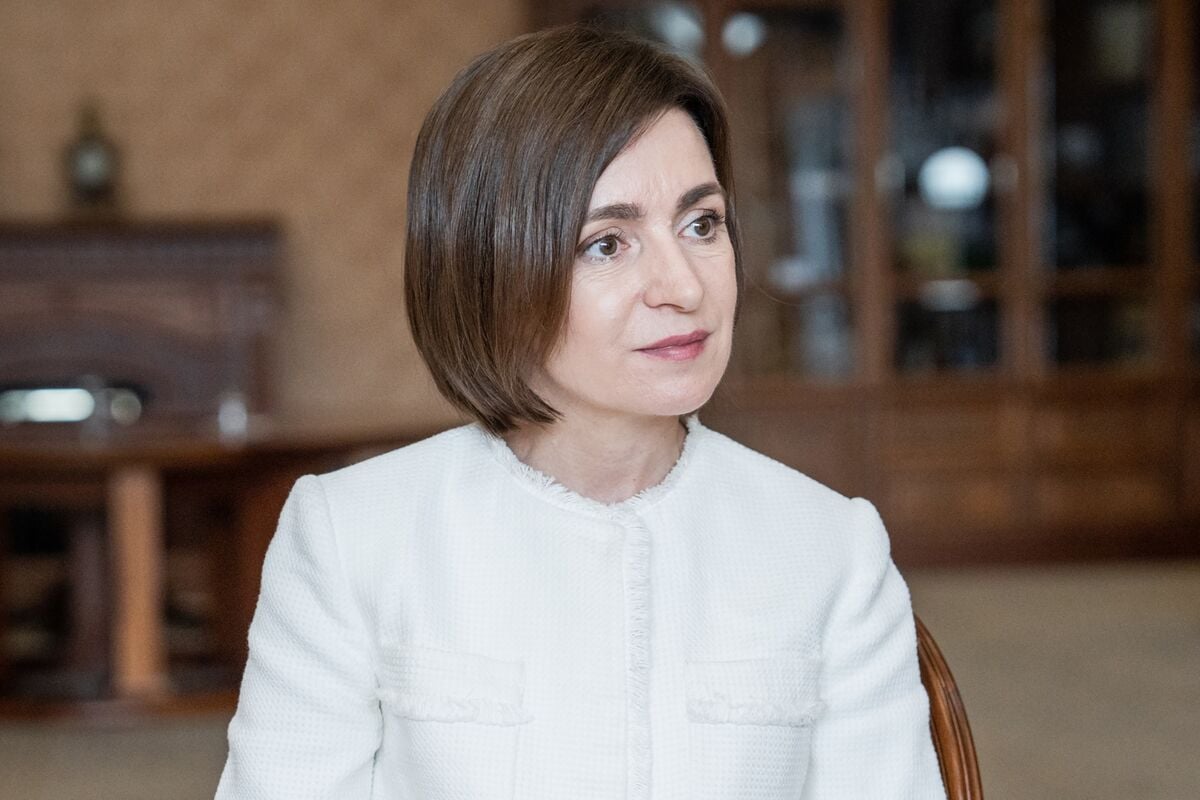
Russia has a detailed plan to interfere in Moldova's upcoming elections to prevent pro-European candidate Maia Sandu from winning, involving disinformation, vote manipulation, and support for pro-Russian factions, with the goal of keeping Moldova aligned with Moscow rather than the EU.
Albania introduced an AI-generated government 'minister' named Diella in parliament to promote transparency and innovation, as part of its efforts to join the EU by 2030. The initiative received mixed reactions, with government officials praising its potential to improve efficiency and fight corruption, while opposition lawmakers criticized it as a possible tool for hiding graft. Diella, developed with Microsoft, is intended to assist with public service inquiries and symbolize technological progress.
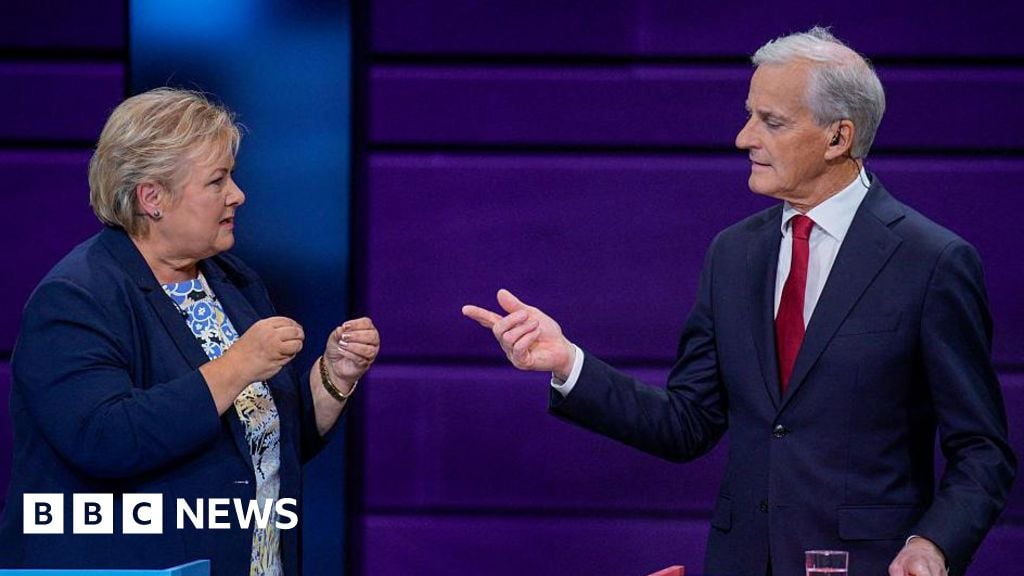
Norway is holding a closely contested election between the Labour-led government and a center-right coalition, with key issues including taxation, wealth tax, and EU membership, amid international concerns over foreign policy and ethical investments.
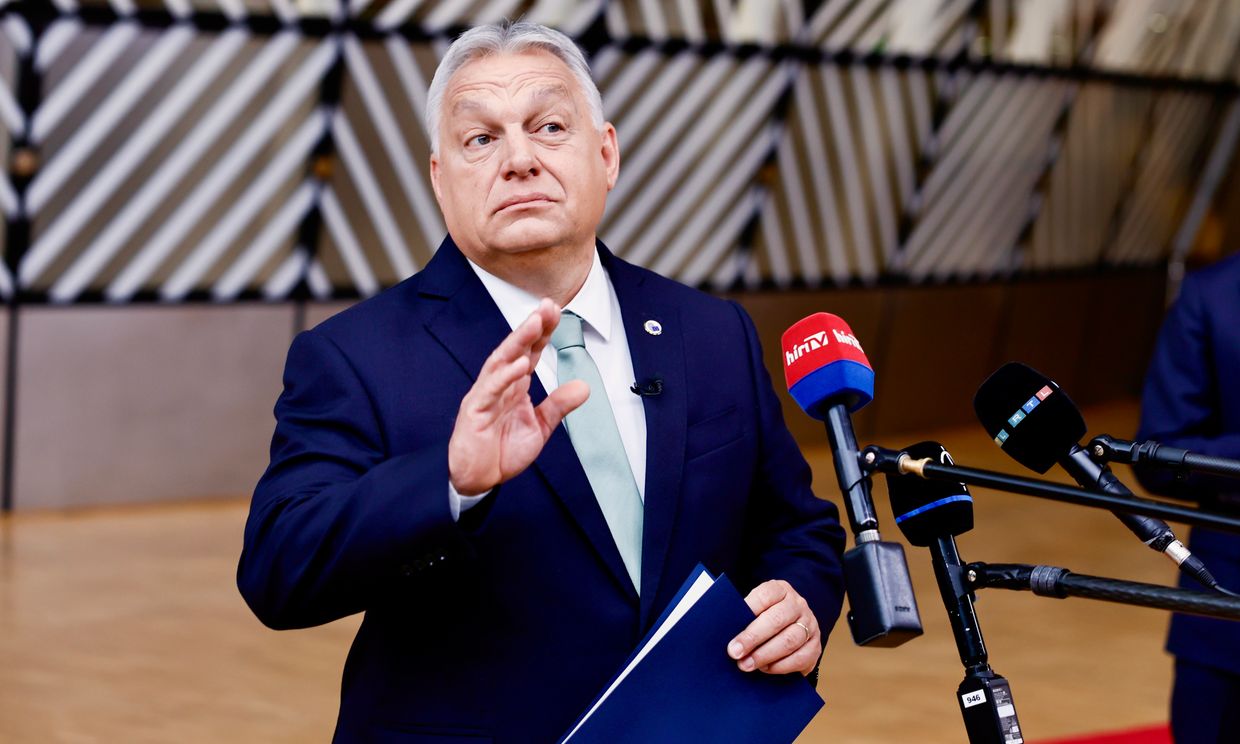
Hungary's government announced that 95% of participants in a disputed referendum oppose Ukraine's EU accession, a result criticized for low turnout and potential manipulation, and used by Prime Minister Viktor Orban to justify delaying Ukraine's EU membership amid broader concerns over Hungary's democratic standards and Orban's pro-Russian stance.
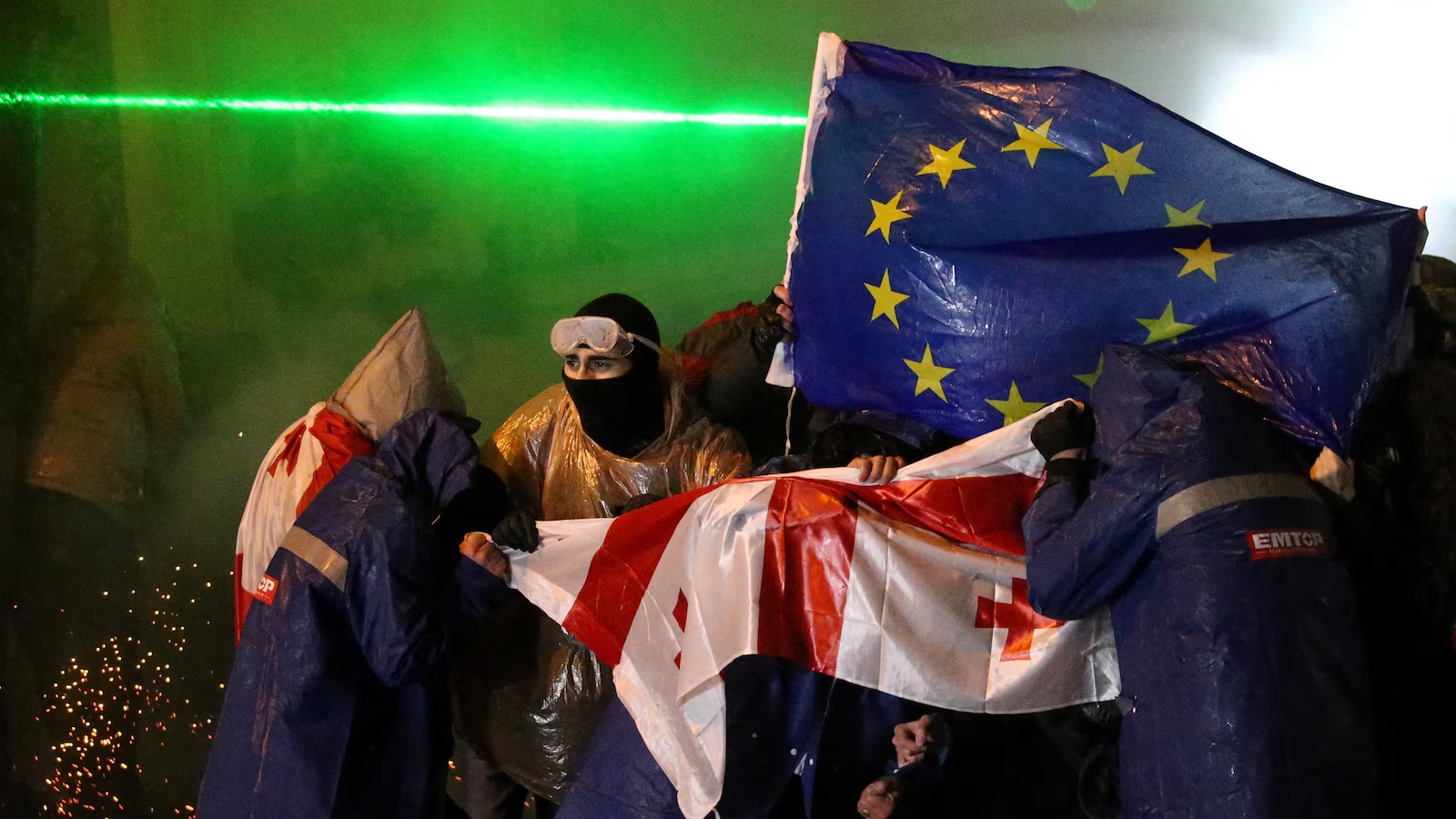
Georgia is experiencing intense anti-government protests, with demonstrators clashing with security forces in Tbilisi and other cities over the government's decision to suspend EU membership talks. The protests, which have resulted in over 200 arrests and numerous injuries, are driven by widespread public support for EU accession and dissatisfaction with the ruling Georgian Dream party, accused of electoral fraud. The situation is seen as a tipping point, with potential implications for Georgia's political future and its relations with Russia and the West.
Protests in Georgia have intensified as the government, led by the Georgian Dream party, suspended talks on joining the European Union, sparking widespread opposition and demonstrations across the country. The move has drawn criticism from the EU and the US, who are concerned about Georgia's shift towards Russia. Prime Minister Irakli Kobakhidze dismissed US condemnation of police actions against protesters, while outgoing President Salome Zourabichvili refused to step down, citing the illegitimacy of the new parliament. The situation has raised fears of democratic backsliding and increased tensions with Western allies.
Violent clashes erupted in Georgia as protesters took to the streets of Tbilisi after the government announced it would suspend its bid to join the European Union until 2028. The decision, criticized as unconstitutional by over 100 diplomats, follows accusations of election irregularities and a shift towards closer ties with Russia. Riot police used pepper spray and water cannons to disperse demonstrators, resulting in 43 arrests and injuries to both police and protesters. The move has sparked widespread criticism, with many Georgians viewing it as a betrayal of their pro-European aspirations.
The EU will begin accession talks with Ukraine and Moldova on Tuesday, marking a significant step towards their membership. Ukrainian President Zelenskyy and Moldovan President Sandu expressed gratitude and optimism, viewing EU membership as a path to peace and prosperity. The negotiations, starting in Luxembourg, follow the EU's confirmation that both countries meet the necessary requirements. This move comes ahead of Hungary's upcoming presidency of the Council of the EU.