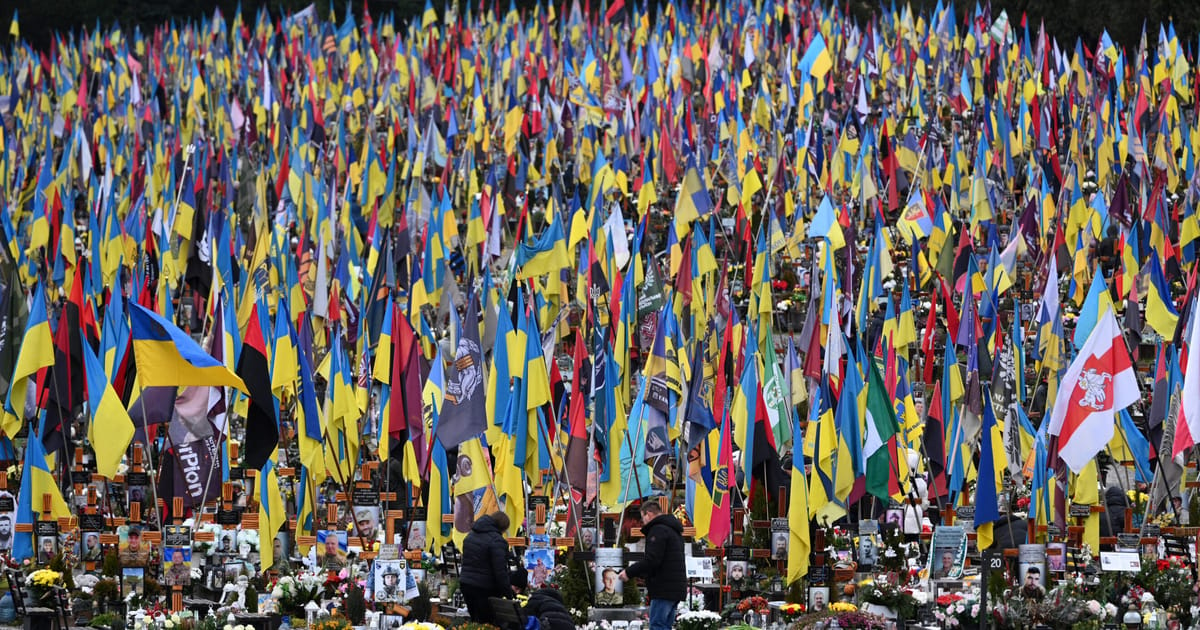
Europe failed to agree on using frozen Russian assets to fund Ukraine's war effort, leading to concerns that Ukraine will need more support than the EU can provide, while divisions among European leaders and growing public reluctance threaten to weaken Europe's backing for Ukraine amid ongoing conflict with Russia.
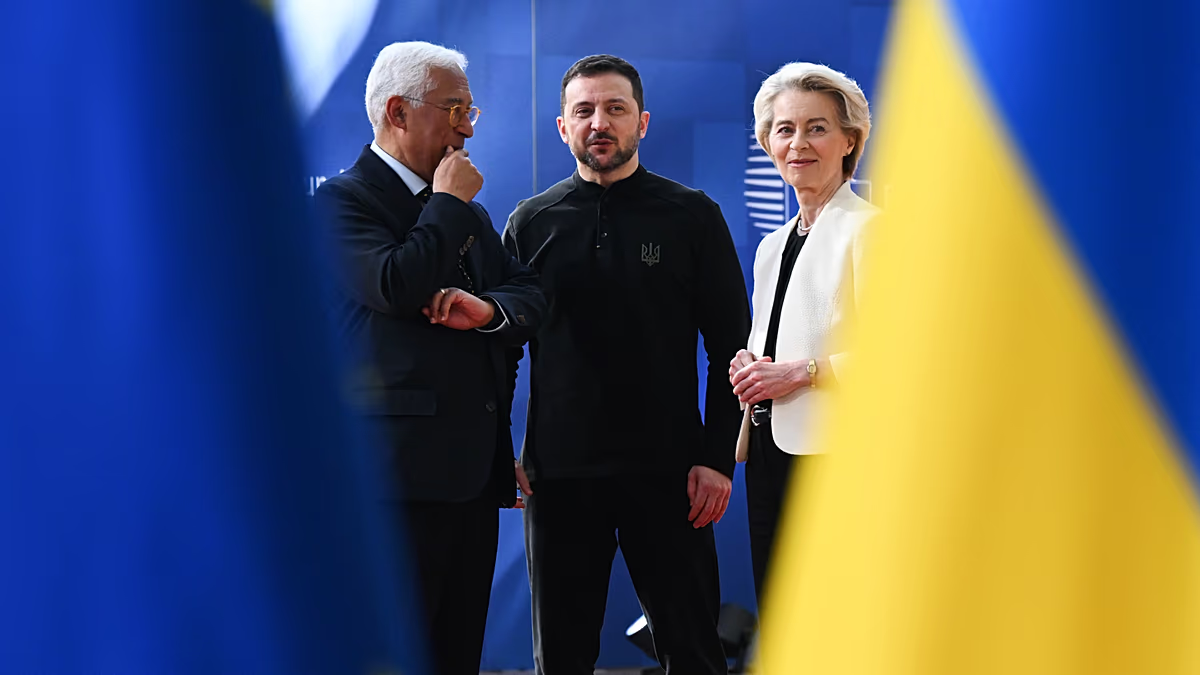
The EU has agreed to raise €90 billion through joint borrowing to support Ukraine's military and budget needs, with funds to be repaid only after Russia pays reparations, and with some countries exempted from vetoes and costs. The plan involves issuing bonds on the markets, with interest costs shared among member states, and includes conditions related to anti-corruption and defense industry criteria.
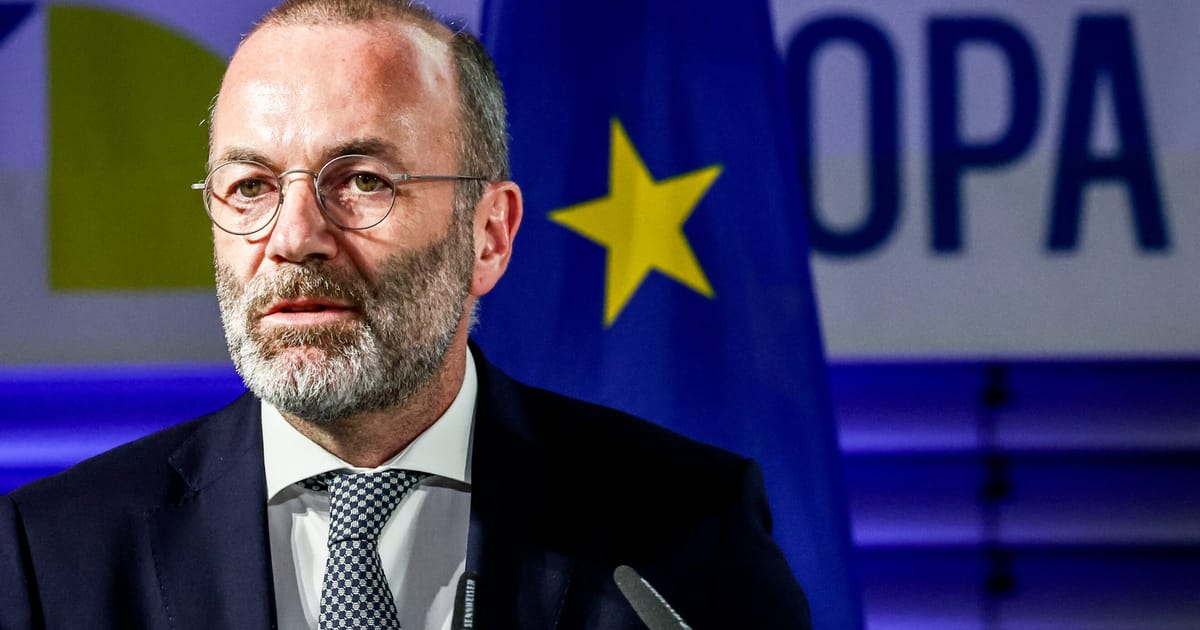
Manfred Weber suggests that the EU will eventually use Russian assets to cover the costs of the Ukraine war, amidst various political incidents and debates within Europe.
The EU's plan to create a reparations loan for Ukraine using Russian assets failed due to opposition from Belgium and other member states, leading the bloc to opt for raising funds through joint debt instead.
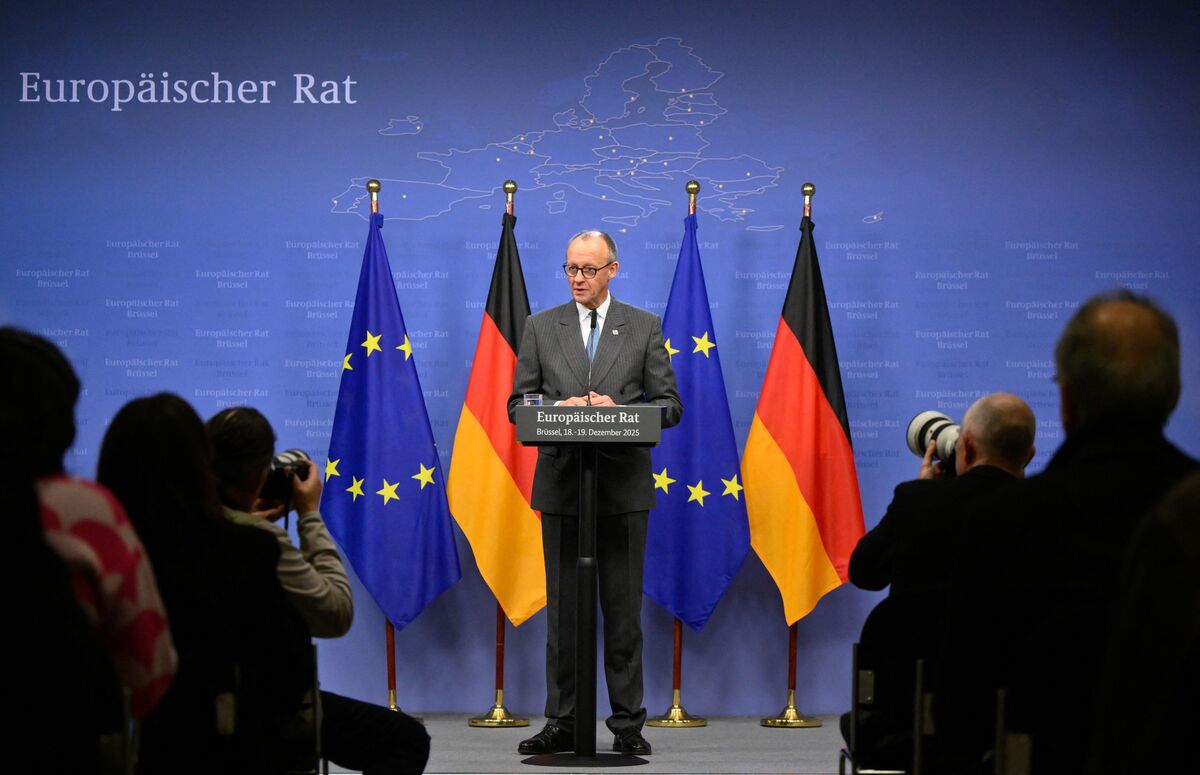
Germany's Friedrich Merz conceded to EU negotiations, leading to a €90 billion loan agreement to support Ukraine, after complex and tense discussions that resulted in abandoning plans to use frozen Russian assets, highlighting the EU's pragmatic approach amidst internal disagreements and geopolitical pressures.
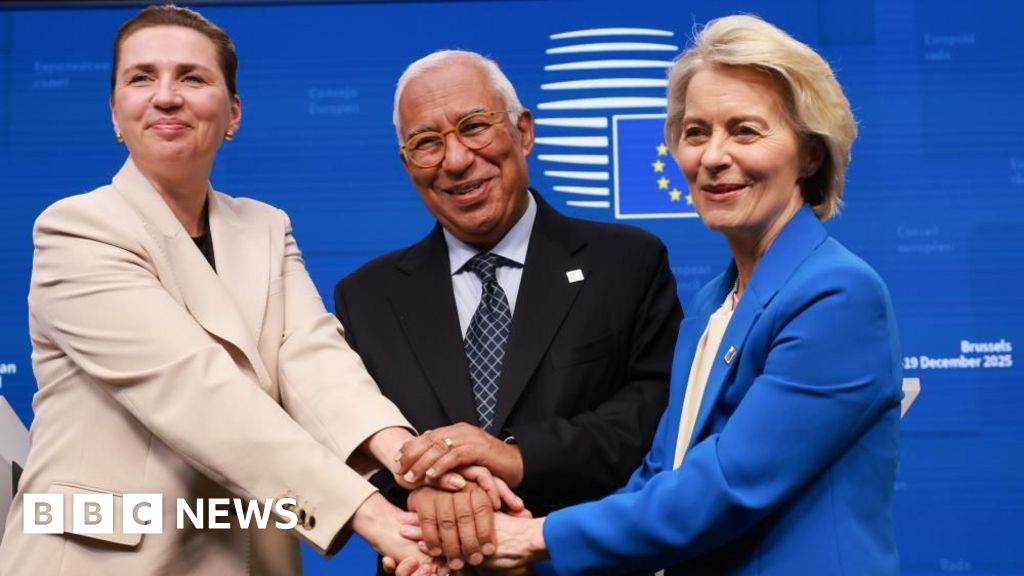
EU leaders agreed to raise €90bn in zero-interest loans to support Ukraine for the next two years, amid divisions over the approach and differing attitudes towards Russia, with some countries seeking exemptions and considering future use of frozen Russian assets. Ukraine also needs additional funding and hopes for support from non-EU allies and international banks.
EU leaders agreed on a 90 billion euro interest-free loan to Ukraine for 2026-27, but failed to use frozen Russian assets for funding due to legal and political issues, opting instead to borrow on capital markets. The plan aims to support Ukraine's military and economic needs amid ongoing war, with some countries opposing the use of Russian assets, citing legal risks.
EU leaders agreed on a 90 billion euro interest-free loan to Ukraine for 2026-27, but failed to use frozen Russian assets for funding due to legal and political challenges, opting instead to borrow on capital markets. The plan faced opposition from Belgium and some Eastern European countries, but was ultimately supported by most EU leaders, with Ukraine urgently needing funds amid ongoing war and economic crisis.
EU leaders agreed to provide Ukraine with a €90bn loan to support its military and economic needs for the next two years, opting not to use frozen Russian assets due to liability concerns, amid ongoing diplomatic efforts and discussions about potential re-engagement with Russia.
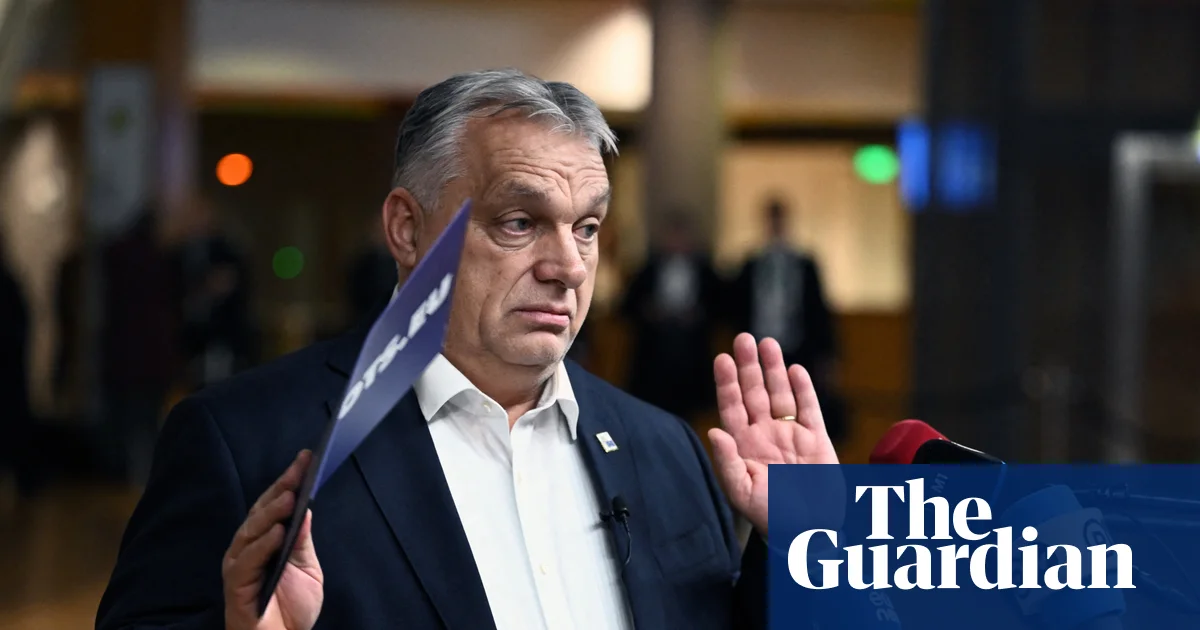
Hungary has agreed not to block a significant EU-backed interest-free loan to Ukraine, with conditions excluding Hungary, Slovakia, and the Czech Republic from debt guarantees. The EU considered using frozen Russian assets to fund Ukraine but faced complexities and political challenges, leading to a traditional loan agreement. Meanwhile, tensions persist with Russia, including cyber-attacks attributed to Moscow, and ongoing military strikes near Odesa. The US and UK continue to support Ukraine through diplomatic efforts and sanctions against Russian entities.
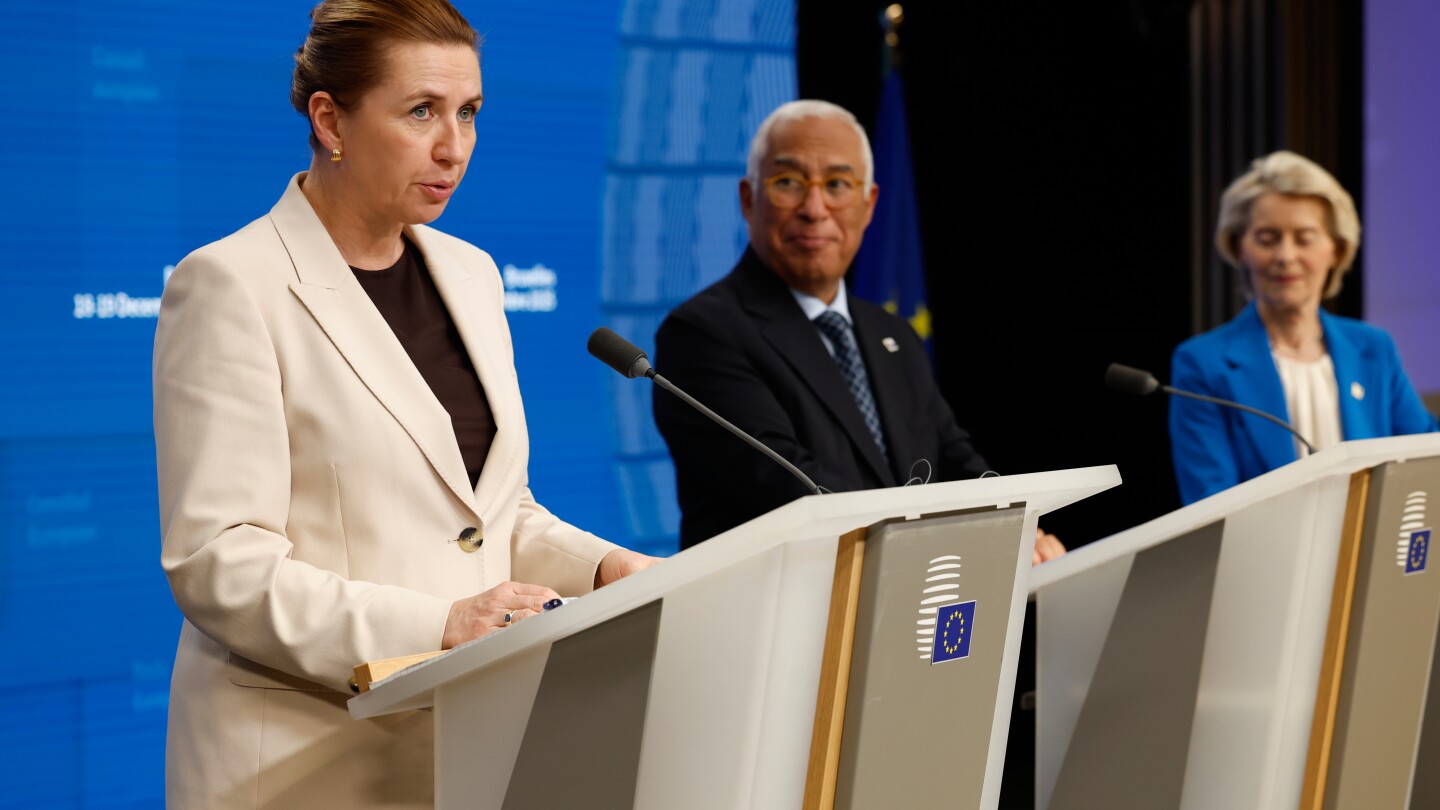
The European Union has approved a €90 billion ($105.5 billion) aid package for Ukraine for 2026 and 2027, funded through joint borrowing rather than Russian assets, with Ukraine's support emphasizing the importance of a ceasefire and negotiated peace. The EU support to Kyiv since 2022 exceeds €187 billion, and efforts continue to shape peace negotiations involving the U.S. and Ukraine.
EU leaders agreed on a €90bn loan to Ukraine funded by the EU budget, without using Russia's frozen assets as collateral, amid disagreements over guarantees and reparations, aiming to support Ukraine's urgent financial needs in its conflict with Russia.
The European Union has agreed to provide Ukraine with a €90 billion loan after plans to freeze Russian assets as a source of funding were unsuccessful.
The EU has agreed to provide Ukraine with a $105 billion support package over two years, funded through borrowing rather than using frozen Russian assets, amid ongoing negotiations and concerns over asset repurposing. The deal aims to address Ukraine's funding gap, with the possibility of using frozen Russian assets in the future, contingent on legal and political considerations.
EU leaders are debating the use of frozen Russian assets to support Ukraine, with ongoing negotiations on a reparations loan and concerns over legal and financial implications, while also discussing the postponed EU-Mercosur trade deal, long-term EU budget, and regional protests.