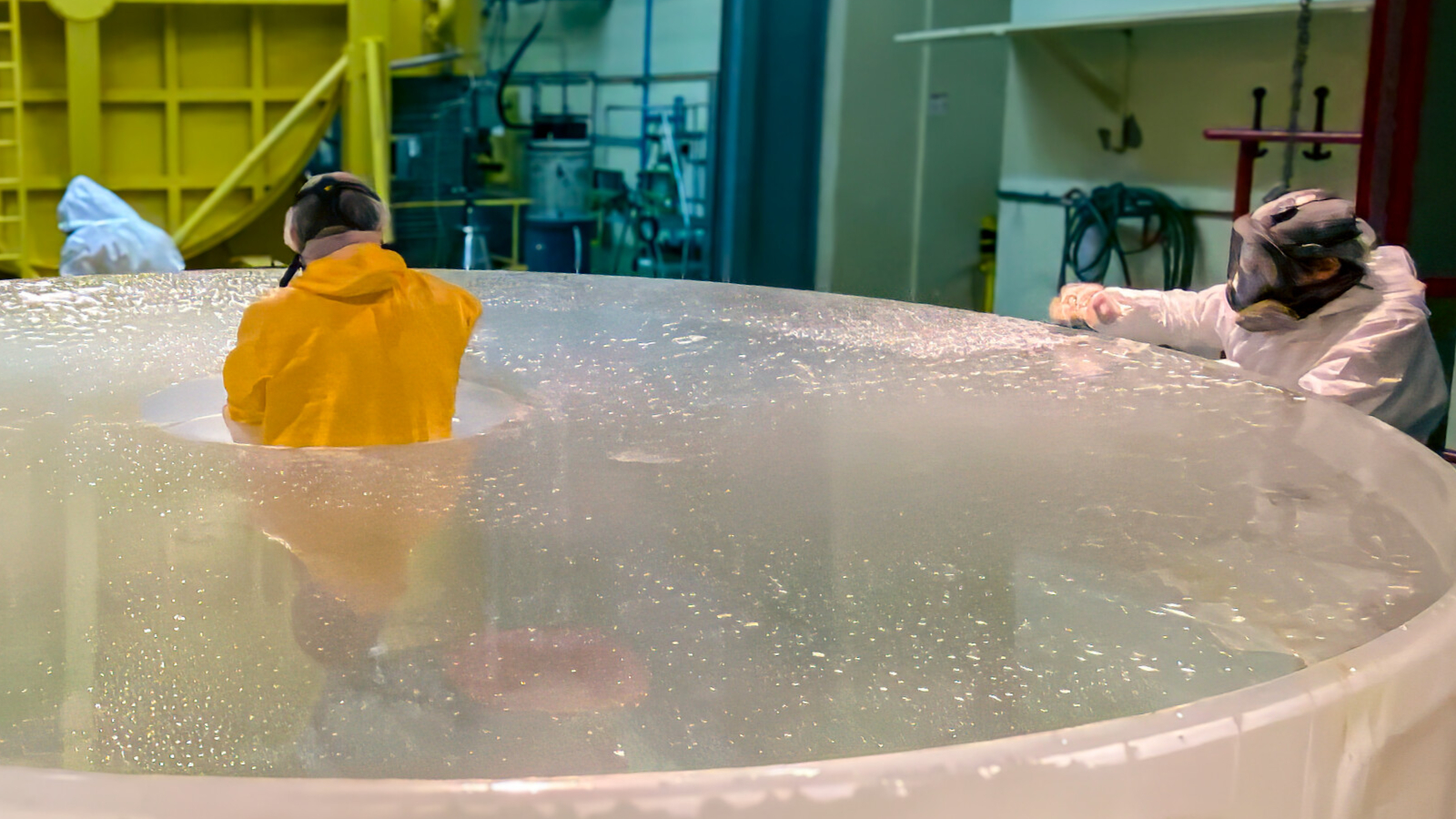
The European Southern Observatory's staff clean the primary mirror of the La Silla telescope in Chile to maintain its precision for space observations, particularly in the search for exoplanets, involving a delicate process of removing old coating and applying a new ultra-thin aluminum layer.
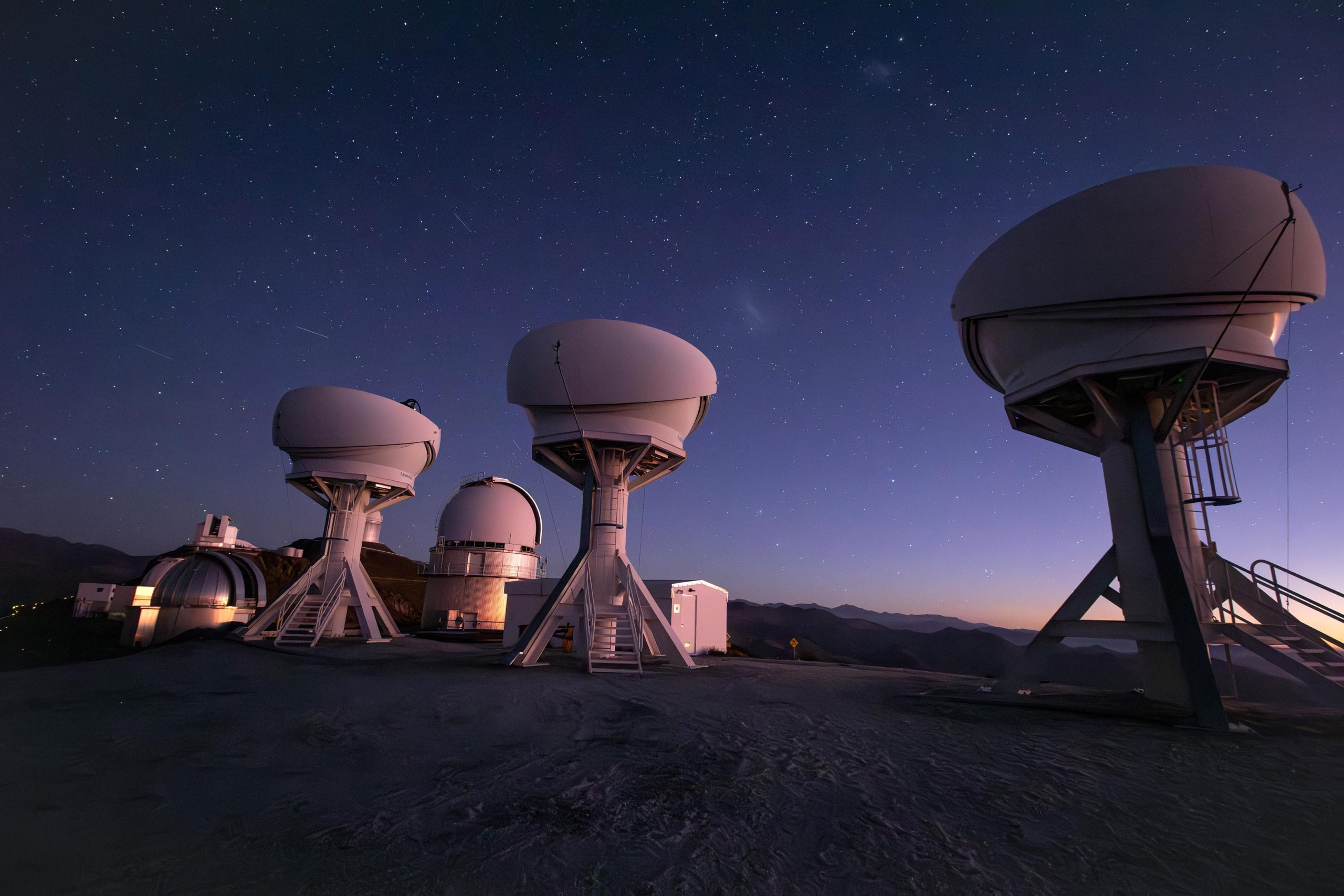
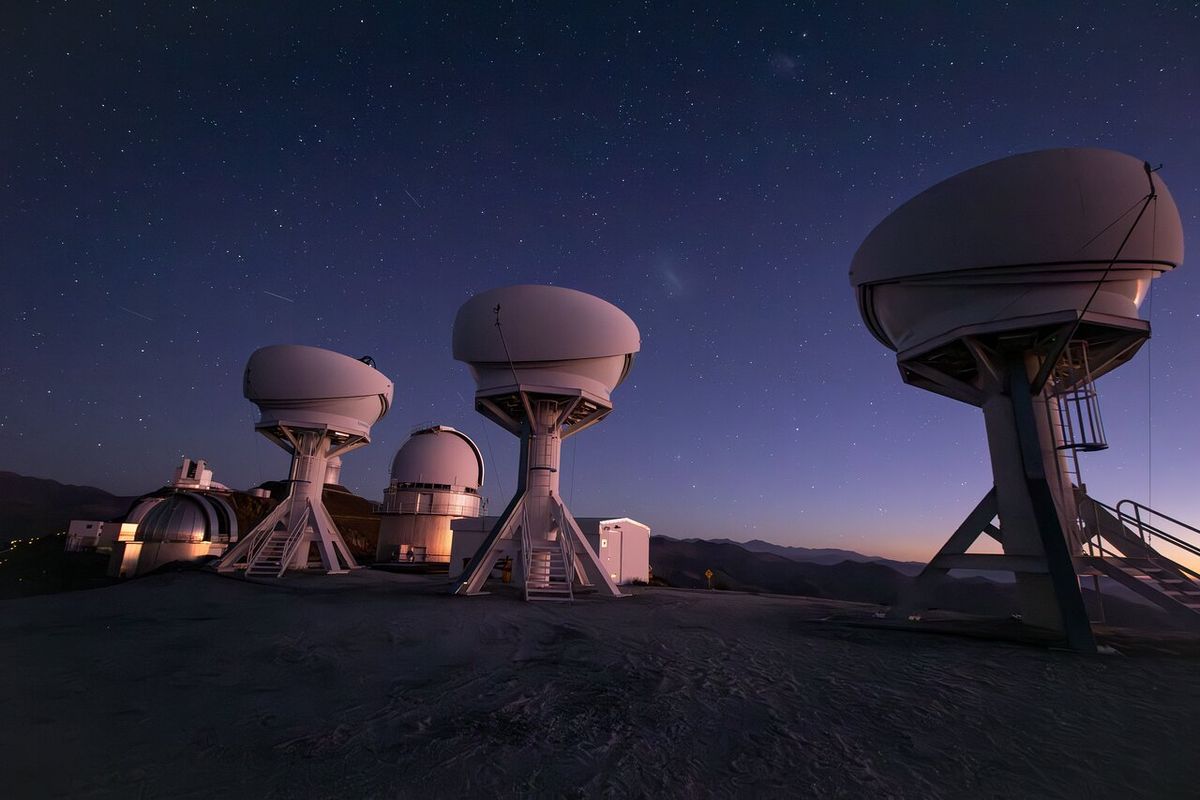
The BlackGEM array, consisting of three new telescopes located at the European Southern Observatory’s (ESO) La Silla Observatory, has begun operations to detect gravitational waves caused by cosmic events like black hole and neutron star mergers. Unlike detectors such as LIGO and the Virgo Interferometer, BlackGEM can precisely locate these astronomical phenomena using visible light, enhancing our understanding of their processes, including the formation of heavy elements like gold and platinum.
The BlackGEM telescope array, consisting of three new telescopes located at the European Southern Observatory's La Silla Observatory in Chile, has begun operations. The array will search for violent and cataclysmic events in the cosmos, such as neutron star collisions and black hole mergers, which launch ripples in space-time called gravitational waves. By detecting both the gravitational waves and visible light generated by such events, scientists can not only hone in on their precise locations but can also learn more about their nature. The BlackGEM array will quickly scan large areas of the sky to hunt for gravitational-wave sources in visible light and more accurately hone in on their locations.