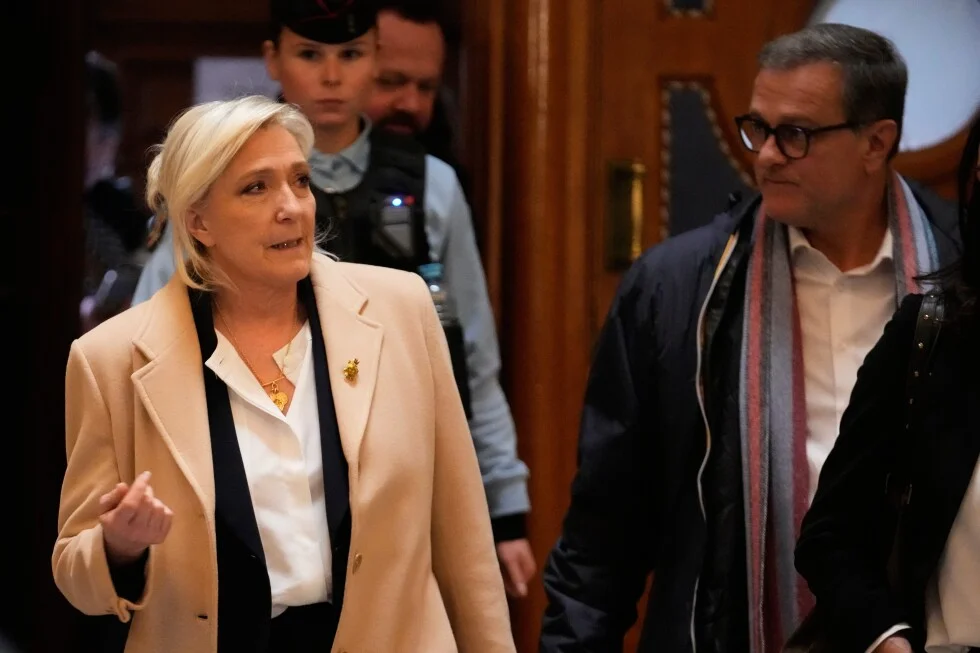
French presidential contender Marine Le Pen said she would not run in the 2027 election if an appeals court orders her to wear an electronic monitoring bracelet, indicating legal constraints could block a bid.
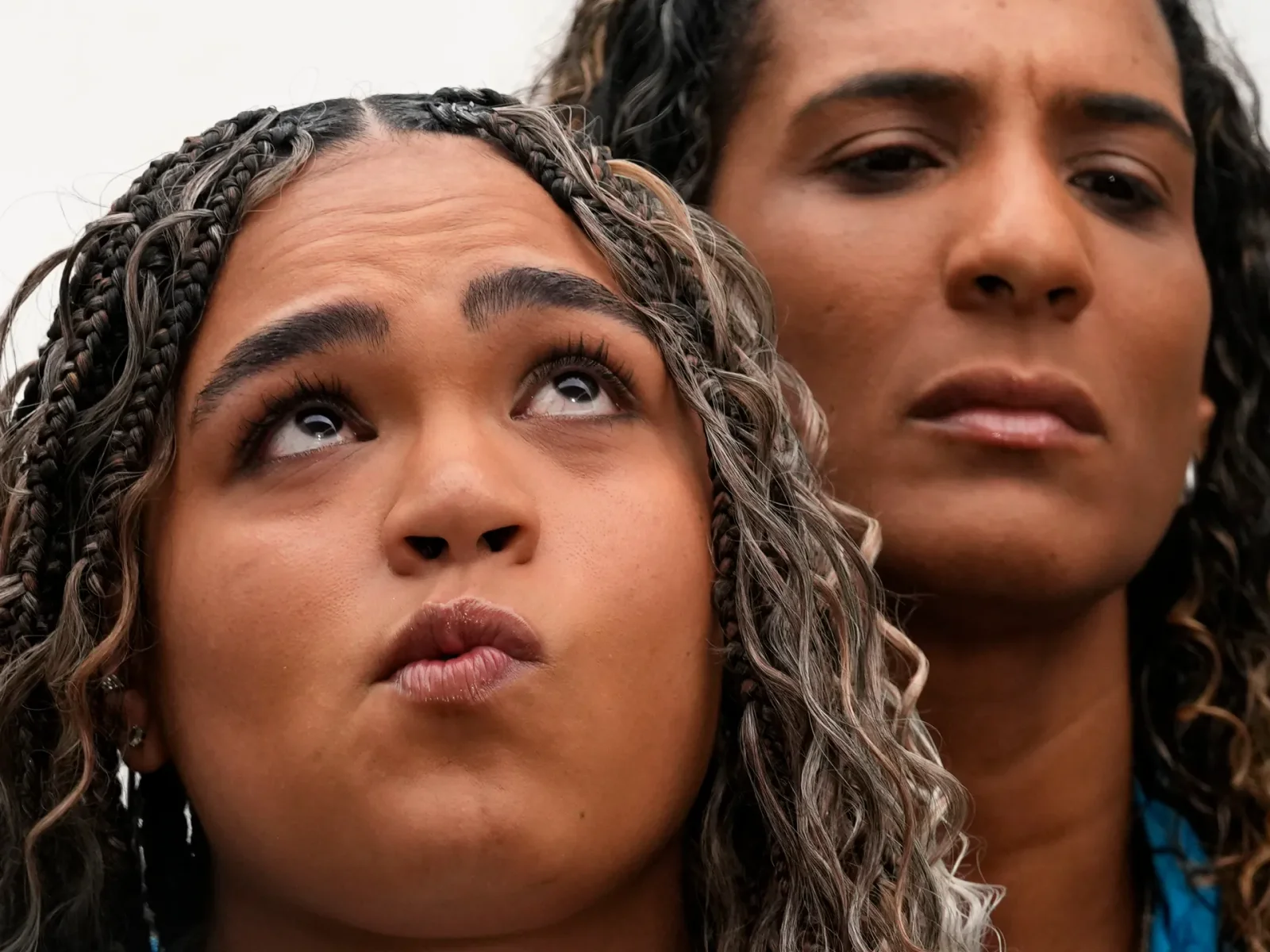
Brazil’s Supreme Court unanimously convicted five men of plotting the 2018 assassination of activist-turned-politician Marielle Franco and her driver, delivering multi-decade prison terms to the Brazao brothers and other co-defendants, and linking the crime to efforts to shield illegal land grabs and political power; two former police officers were among those sentenced, while two previously convicted defendants (Lessa and Queiroz) had also received lengthy terms, highlighting Brazil’s ongoing struggle with impunity and political violence, according to prosecutors and Amnesty International.
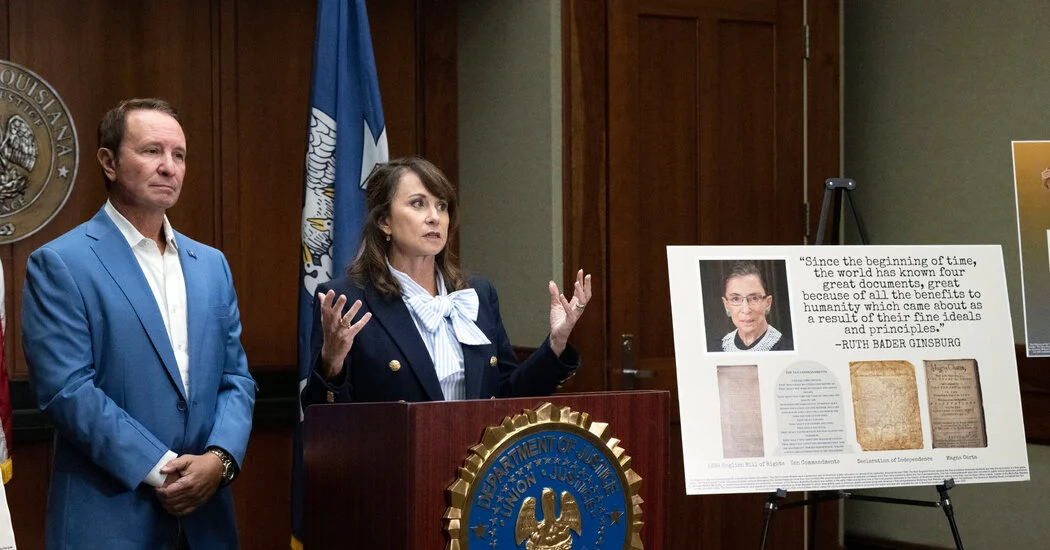
A federal appeals court (the Fifth Circuit) lifted a preliminary injunction blocking Louisiana’s 2024 law that requires Ten Commandments posters in every public classroom and in colleges, allowing enforcement to proceed while the court noted the law’s constitutionality remains undecided since it never went into effect. The posters must be at least 11 by 14 inches and include a three‑paragraph note about the Commandments’ historical role in American education. The ruling does not affect Texas’ similar law. Dissenters warned the policy improperly elevates religion in public schools, while a concurring judge praised it as a tradition‑based expression of faith in the public square.
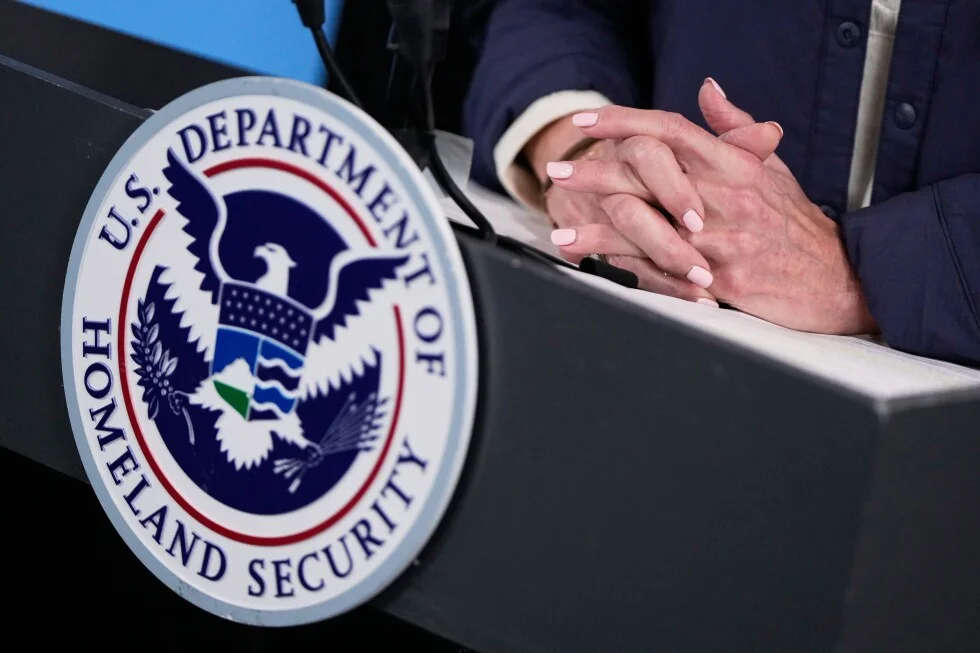
The Justice Department said its New Jersey office violated more than 50 court orders over the last 10 weeks in mass-immigration cases across about 547 matters, including a deportation to Peru despite an injunction and several missed deadlines for detainee releases and bond hearings. Associate Deputy AG Jordan Fox called the violations unintentional and corrected, while Judge Michael Farbiarz demanded a detailed plan by Feb. 25 to ensure 100% compliance. The disclosures have drawn nationwide concern about adherence to judicial orders amid the administration's deportation push, with Minnesota judges reporting 94 violations in January.
Trump's administration revoked the 2009 EPA endangerment finding that justified greenhouse gas regulations, eroding the legal basis for US climate rules and potentially undoing vehicle and power-plant emissions standards, while triggering court challenges and signaling a broad rollback of federal pollution rules.
A Lawfare column critiques Judge Richard Leon’s heavily punctuated, exclamation-mark–heavy opinion in Kelly v. Hegseth, arguing the stylistic flourishes are arresting but risk distracting from the underlying legal questions around ripeness, military justice, and the role of a judge’s expressive style in judicial writing.
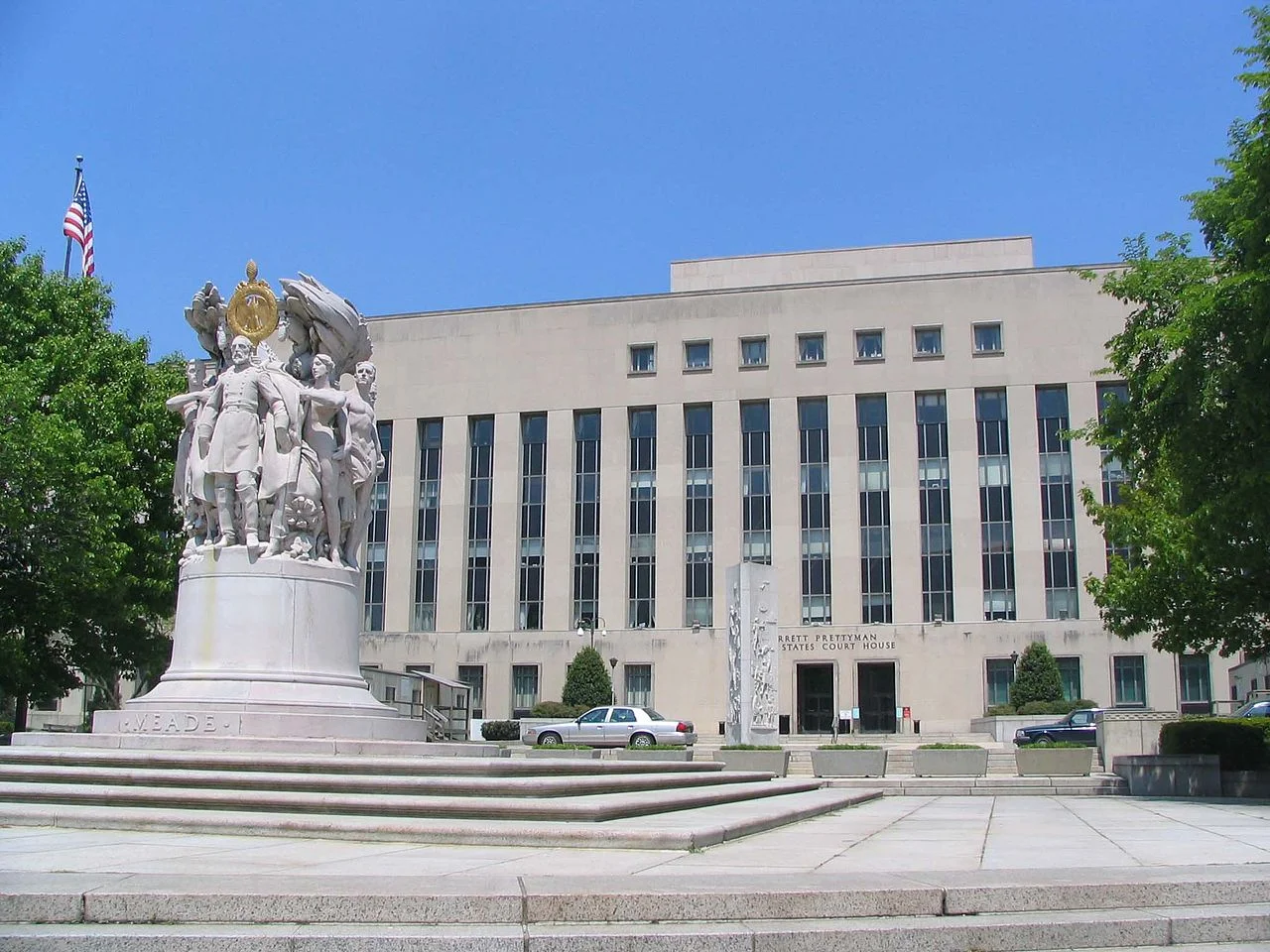
A federal appeals court ruled in favor of the Trump administration’s policy of detaining immigrants during their removal or asylum proceedings, upholding the government’s authority to detain migrants and reinforcing the detention framework established during that era.
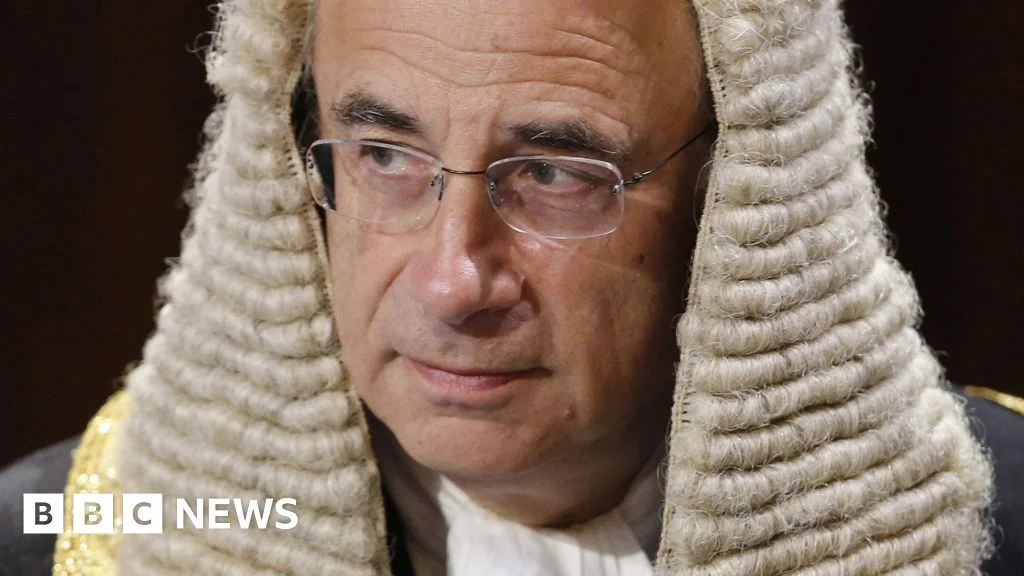
Former senior judge Sir Brian Leveson warns England and Wales’ court system is on the brink of collapse due to record trial backlogs that could reach 100,000; his final report calls for 130 efficiency reforms across courts, prisons, prosecutors and police—including more video remote hearings, allowing prison vans to use bus lanes, better case preparation, AI tools, and a dedicated criminal justice adviser—and says piecemeal fixes won’t suffice; the government will respond in coming weeks, with the backlog worsened since the pandemic and some cases delayed into 2030.
A federal judge in Oregon issued a ruling that restricts warrantless immigration arrests by federal agents, requiring arrests to be backed by warrants or proper legal authority and signaling a judicial check on ICE enforcement in the state.
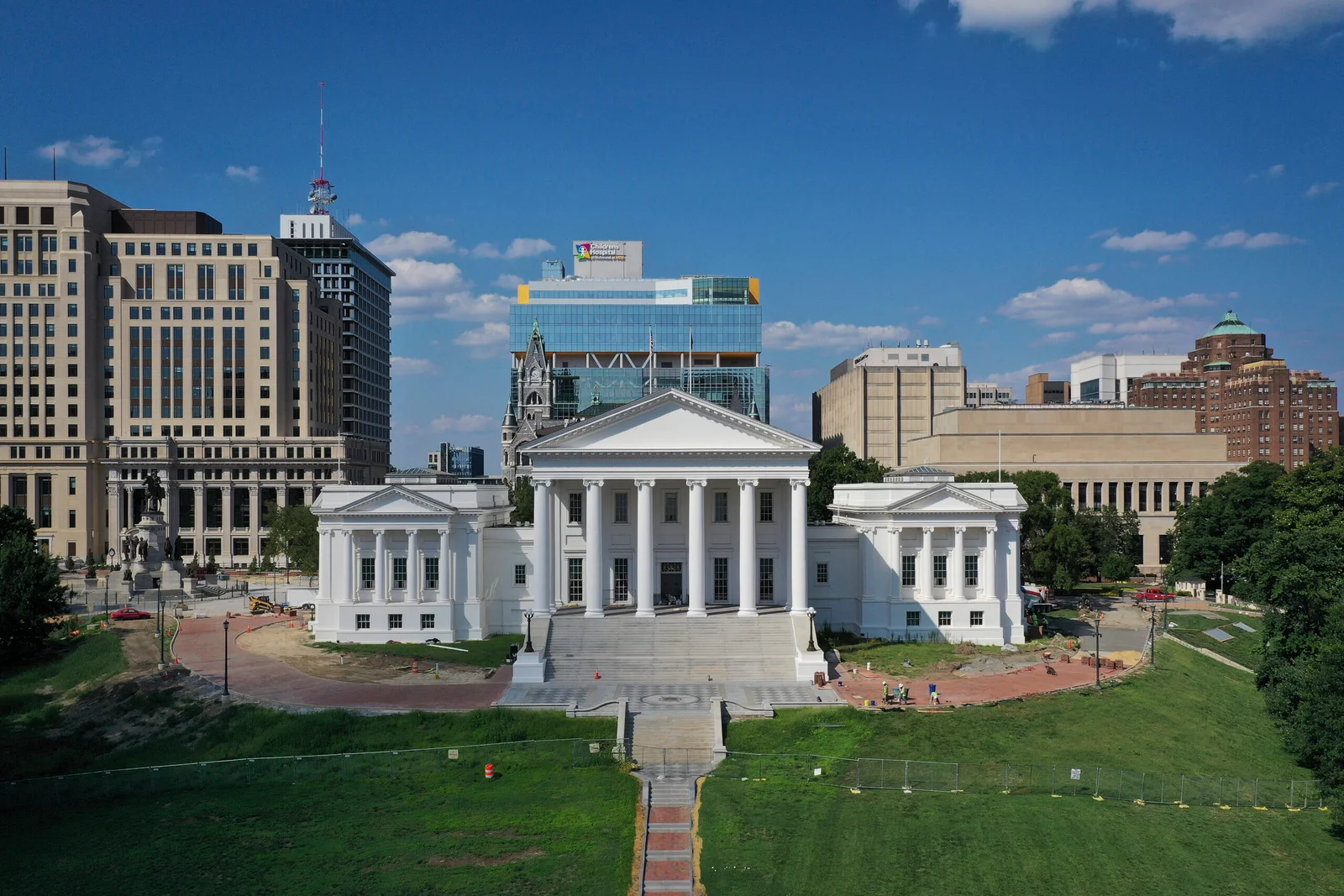
Democrats in Virginia quickly appealed a state court injunction blocking their plan to amend the state constitution to redraw the congressional map, a move that could have delivered up to four additional Democratic seats. Judge Jack S. Hurley Jr. ruled the special session used to advance the amendment exceeded its scope and that the constitution requires an intervening election after first passage, noting the bill was voted on after early voting began for 2025 races. Democrats call the ruling a product of court-shopping and say they will seek to place the amendment before voters in April if the appeal succeeds; the state Court of Appeals will hear the case. The injunction effectively nullifies the General Assembly’s Oct. 31, 2025 vote to amend the constitution.
Minnesota’s chief federal judge canceled a contempt threat against acting ICE director Todd Lyons after sharply criticizing ICE for ignoring 96 court orders in more than 70 Minnesota cases and for deploying thousands of agents, rescinding the personal appearance order while condemning the agency’s conduct.
A South Korean court sentenced former first lady Kim Keon-hee to 20 months in prison on corruption-related charges, in a high-profile case that highlights ongoing anti-corruption efforts among the elite; her lawyers plan to appeal.
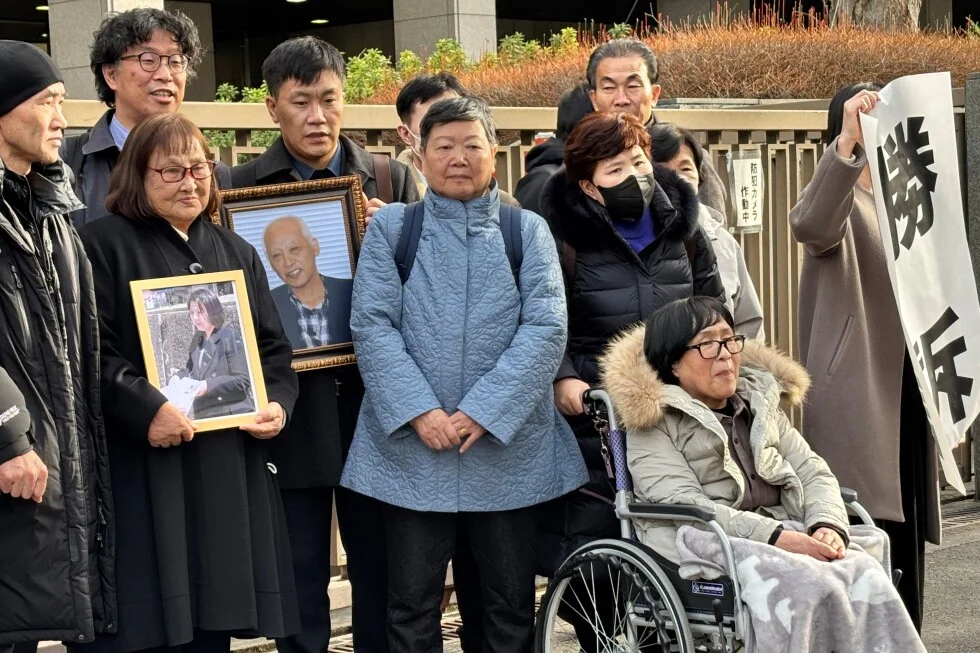
A Tokyo District Court ruled that North Korea violated the rights of four people lured to the North under the 1959-84 repatriation program and ordered Pyongyang’s government to pay 88 million yen in damages (22 million yen per plaintiff), a landmark finding that acknowledges decades of harsh conditions and lack of freedom; while the ruling underscores Japan’s jurisdiction and the case’s significance, experts warn that collecting the funds and ensuring accountability from North Korea and Chongryon will be challenging.
The Eighth Circuit granted an administrative stay, overturning a Minnesota district court order that would have barred ICE and Border Patrol from arresting, detaining, or retaliating against peaceful protesters and observers; the court said the lower ruling was overly broad and not workable for daily agency operations, as the government continues its lawsuit.
A three-judge panel of the 3rd Circuit ruled that Mahmoud Khalil must pursue his challenge to deportation in immigration court rather than federal court, potentially delaying relief and leaving room for re-detention. Khalil, a legal permanent resident and recent Columbia graduate, has been detained in Louisiana since March as the Trump administration pressed removal on multiple grounds. The ruling narrows review avenues, with Khalil exploring further options such as an en banc review, while the administration touts the decision as vindicating its detention authority.