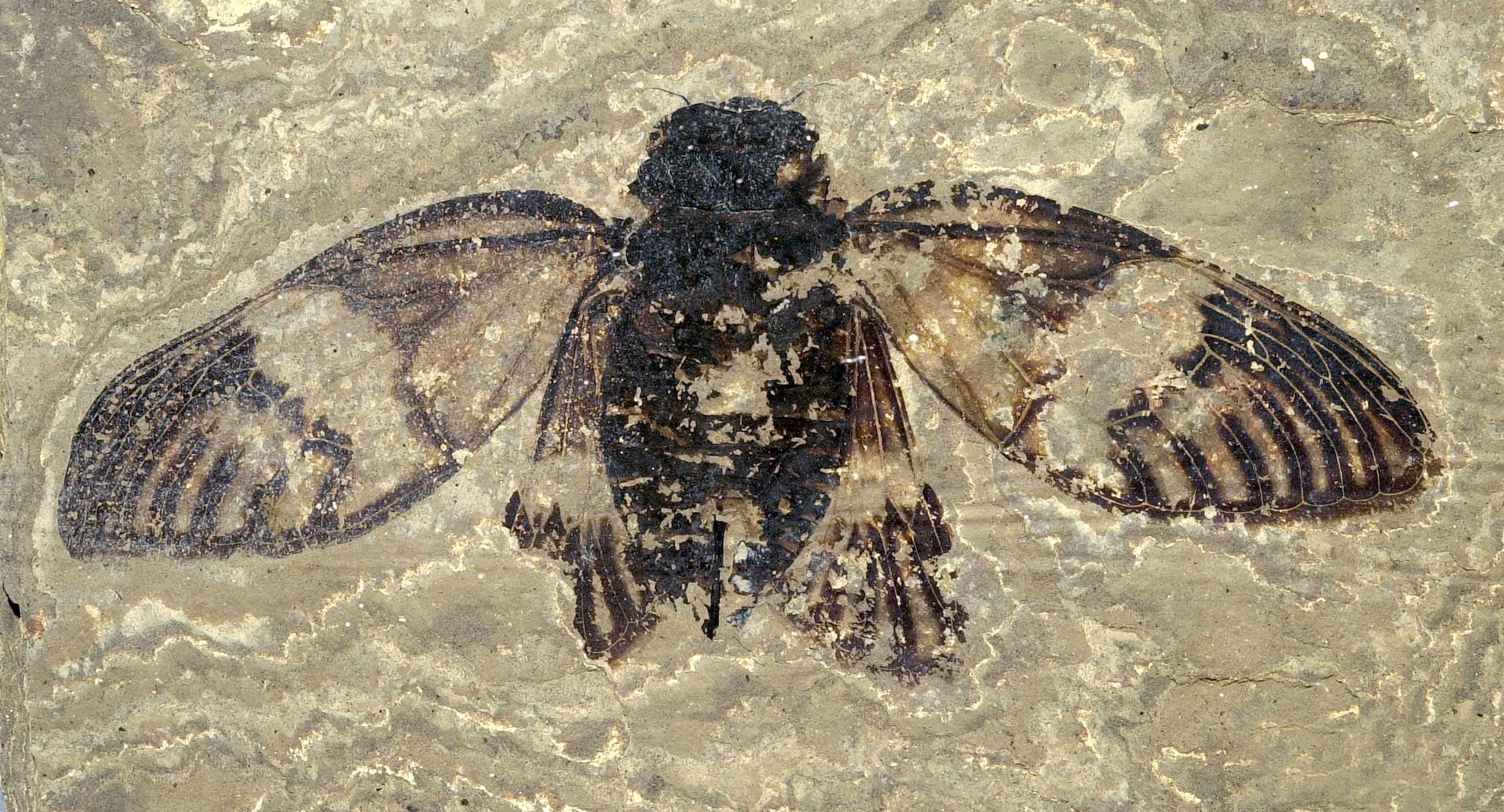
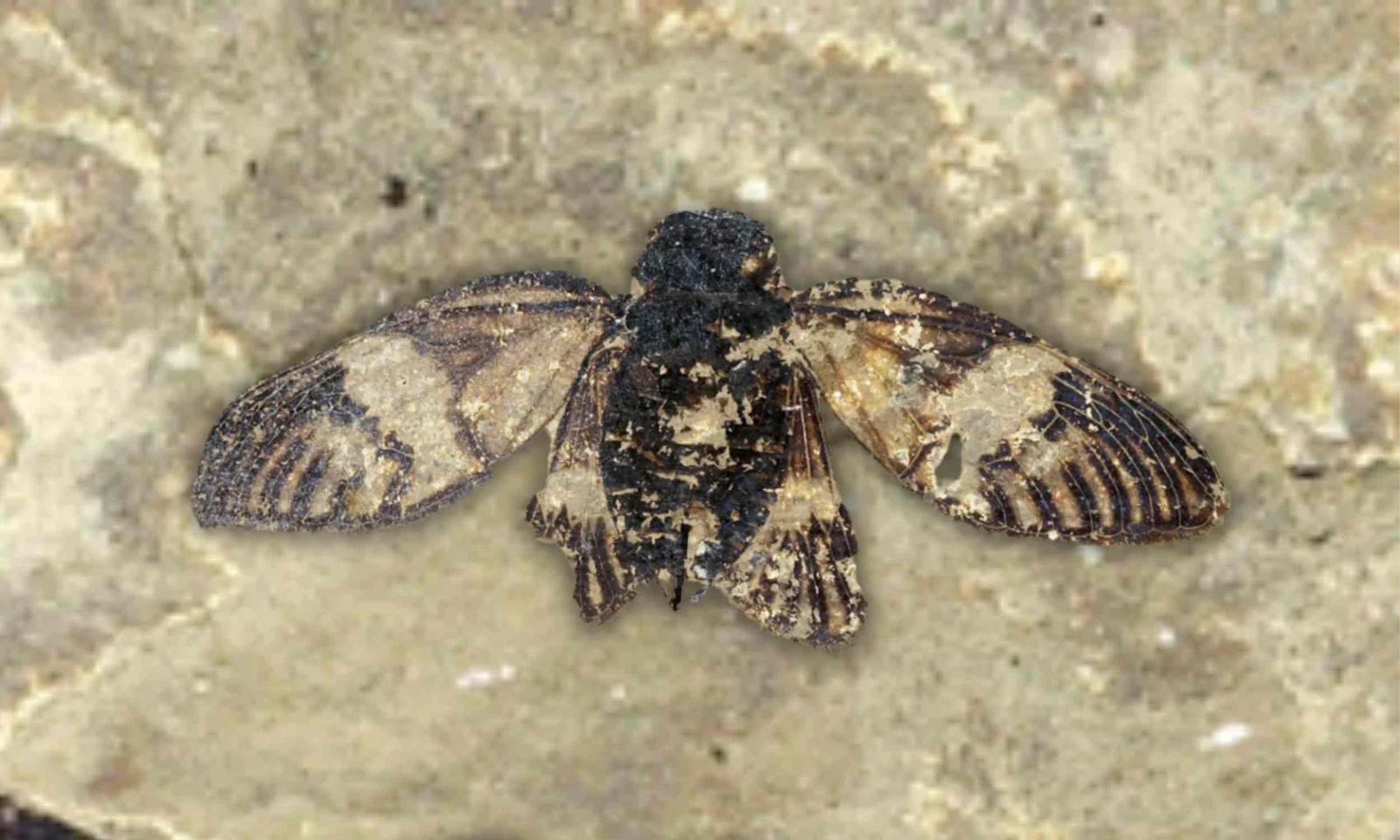
A 47-million-year-old cicada fossil was discovered in Germany's Messel Pit, providing crucial insights into the evolution and biodiversity of ancient insects, especially within the Platypleurini group, and filling a significant gap in the fossil record of cicadas.
Scientists have discovered the oldest true cicada fossil in Europe, dating back 47 million years to the Eocene era at the Messel Pit, providing new insights into cicada evolution and biodiversity during that period.
A young girl in Ohio took her pet cicada, Cade, on multiple amusement park rides at Kings Island, capturing the moment on social media before releasing the insect back into a tree, highlighting a charming interaction with nature.
Scientists discovered a 47-million-year-old cicada fossil at the Messel Pit in Germany, remarkably preserved with detailed wings, providing new insights into the evolution and distribution of cicadas, especially their presence outside Africa and Asia during the Eocene period. This find helps refine the timeline of cicada evolution and suggests ancient European populations were more diverse than today, with potential implications for understanding how climate change influenced their migration and extinction.
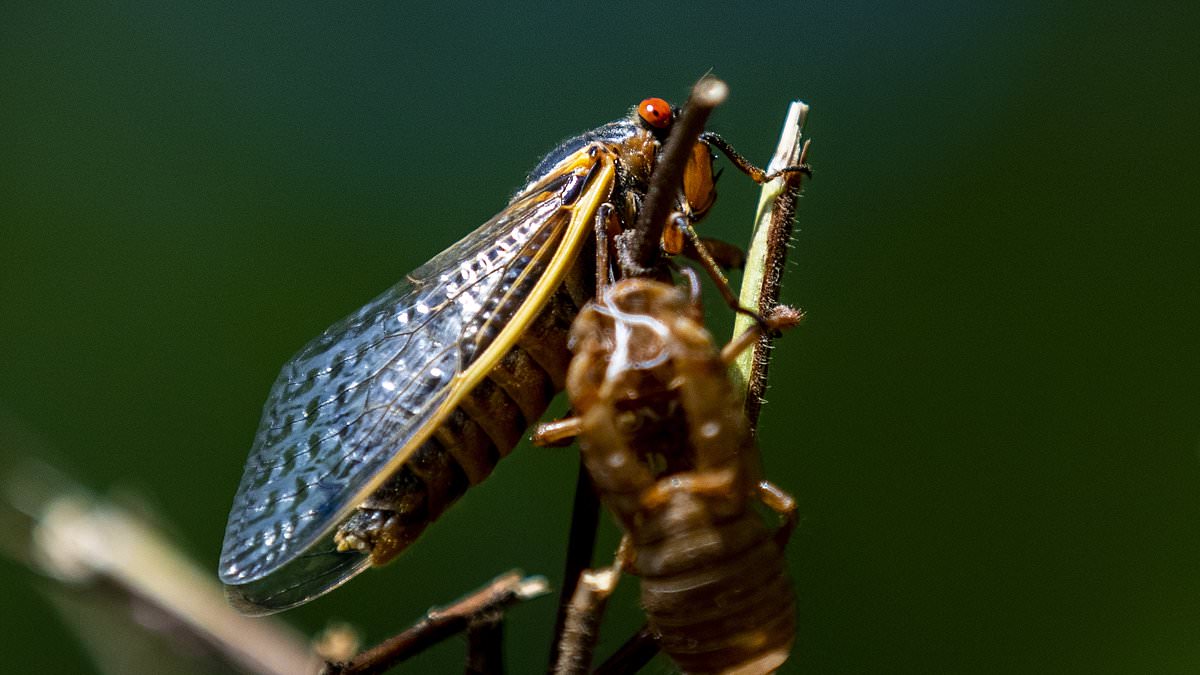
A rare cicada 'apocalypse' is set to occur in the US as more than one trillion of the red-eyed insects from two different broods emerge in a 200-year event, infesting 16 states. The infestation, expected to last for about six weeks, will likely damage trees, particularly young ones, as the insects lay eggs in branches. While the cicadas are not harmful to humans, they are known for their loud mating calls and can create an unpleasant odor as they die. The emergence of both broods together is a rare event, occurring for the first time since 1803, and is expected to have a significant impact on forested areas and urban green spaces.