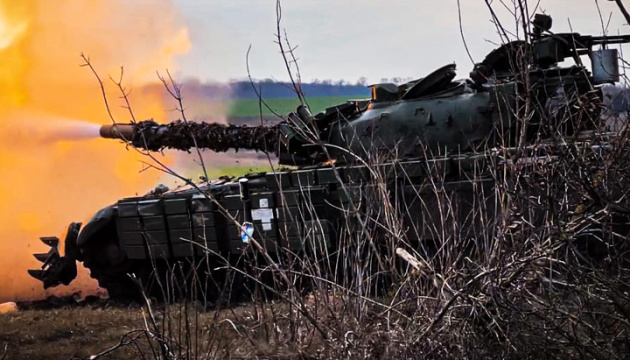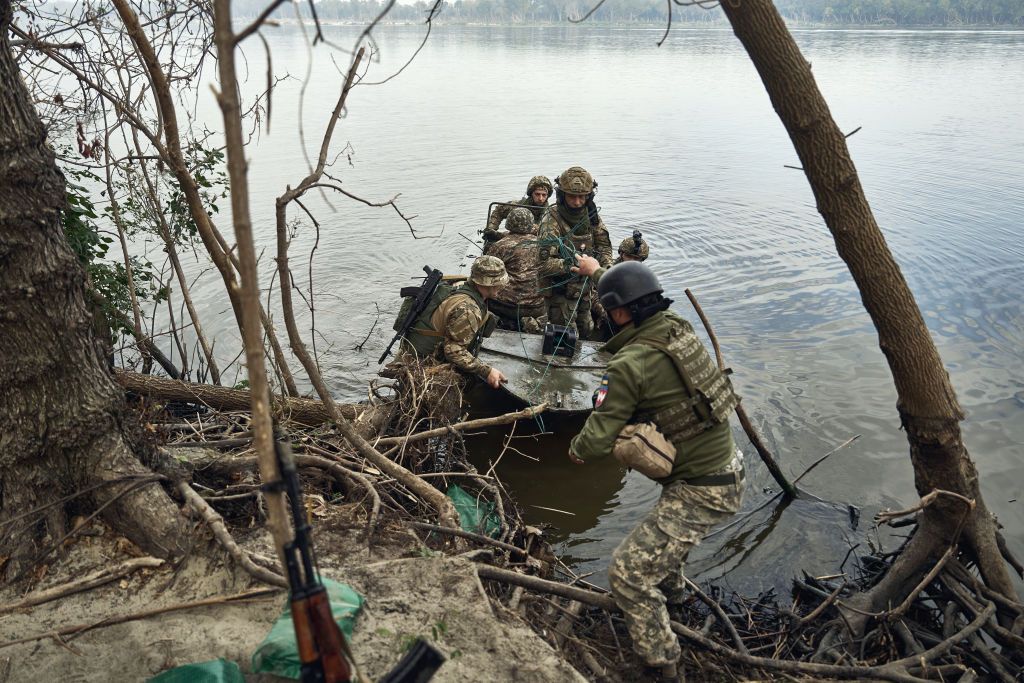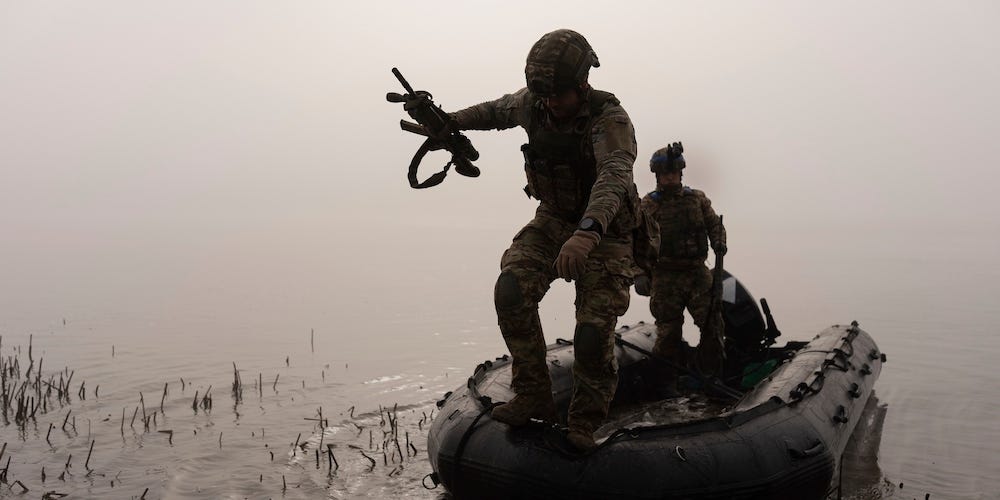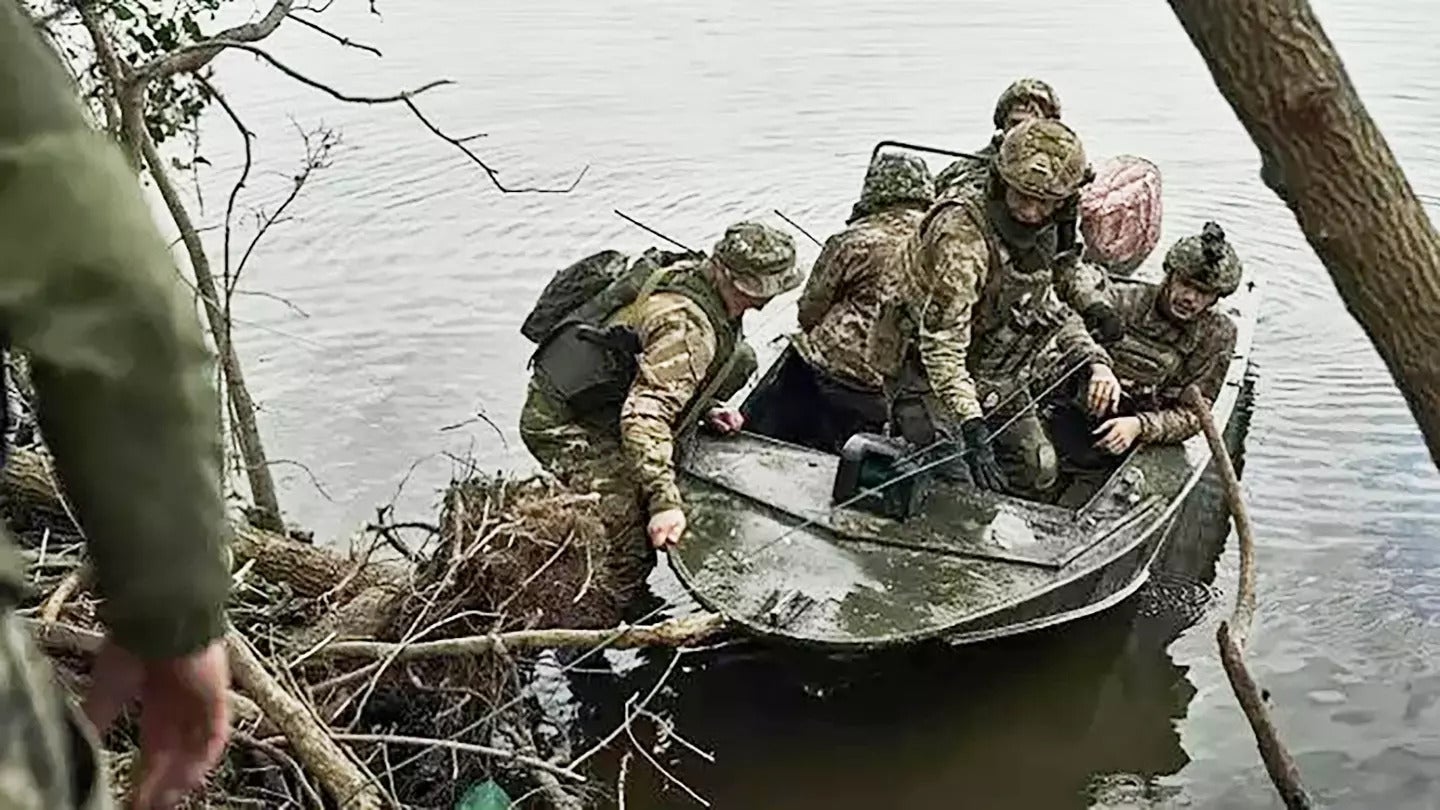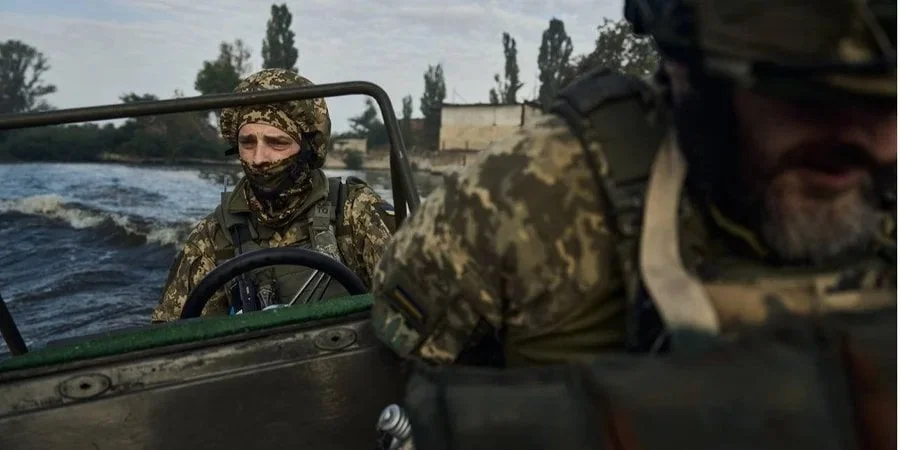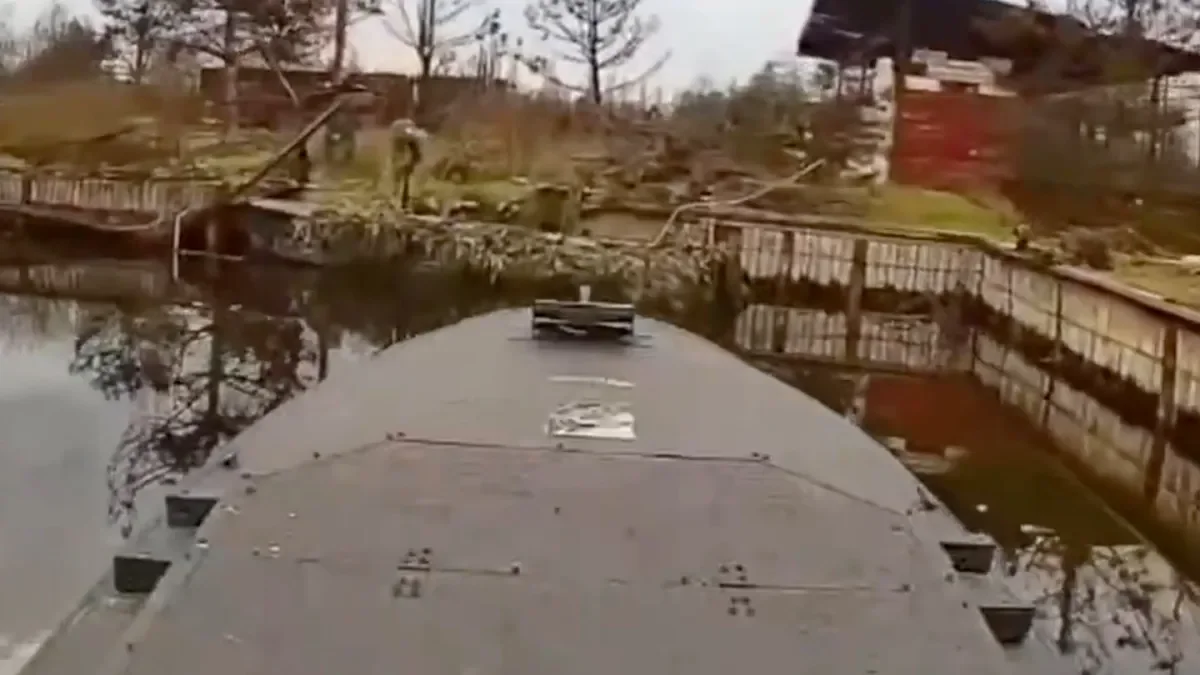
Ukraine is expanding its use of uncrewed surface vessels (USVs), such as the Barracuda, to target Russian assets on the Dnipro River, with recent attacks including a Russian vessel storage site in Crimea. These USVs, designed for short-range riverine operations, are part of Ukraine's broader strategy to counter Russian military presence and have been complemented by other drone boat systems like Sea Baby and Magura. Russia has also developed its own USV capabilities, marking a new frontier in riverine warfare. The use of these autonomous and semi-autonomous vessels highlights evolving tactics in the Ukraine-Russia conflict.
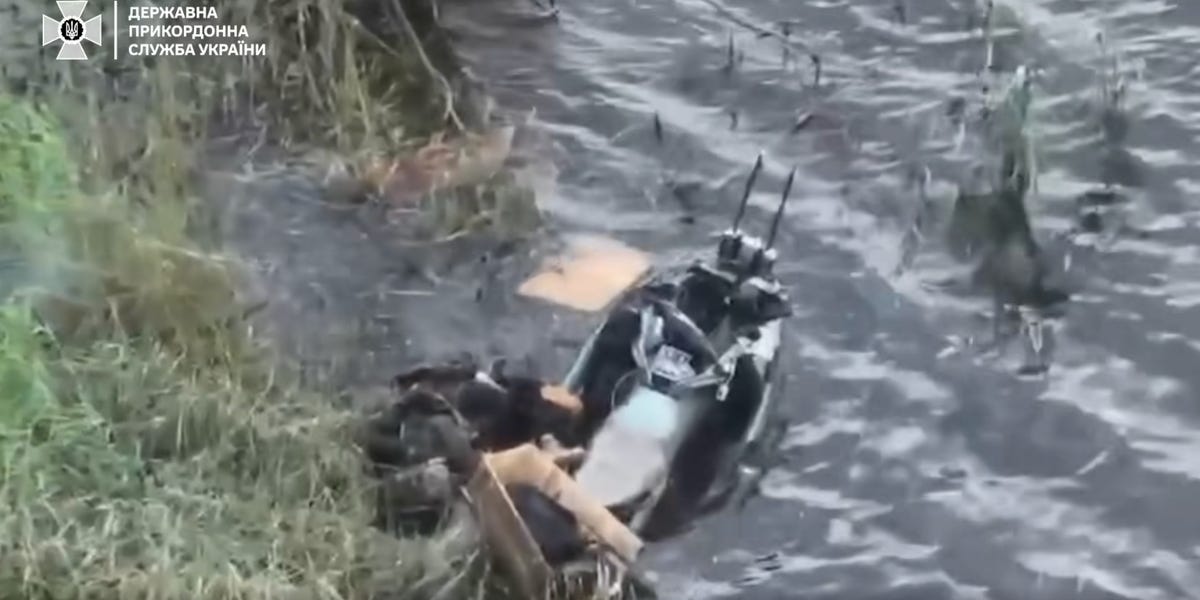
A video released by Ukraine's Ministry of Defense shows a Ukrainian drone targeting and destroying a jet ski carrying two Russian soldiers attempting to cross the Dnipro River. The footage highlights the evolving tactics and eclectic vehicles used by Russian forces to adapt to the persistent threat of Ukrainian drones. The incident underscores the ongoing challenges and innovations in the conflict, with both sides employing various strategies to gain an advantage.
Ukraine denies Russian claims of losing a key bridgehead on the Dnipro River frontline, with the army asserting that they continue to hold their positions despite heavy Russian artillery fire. Russian forces have intensified their offensive ahead of the second anniversary of the invasion, retaking the symbolic town of Avdiivka and claiming to have cleared the village of Krynky, although open-source evidence suggests Ukrainian forces maintain their limited bridgehead in the area. Both sides have suffered losses, with Ukrainian forces facing shortages of key artillery and ammunition, while Russia has a bigger, better-equipped army.
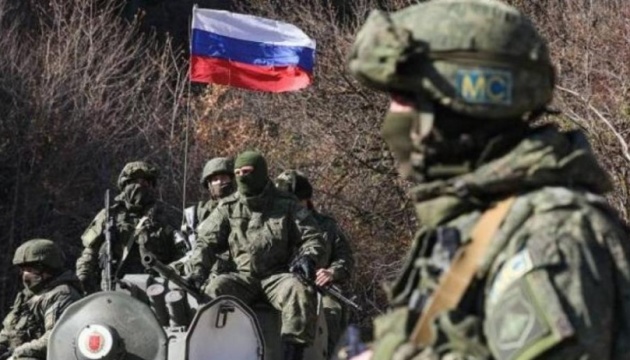
Ukraine's Operational and Strategic Command Pivden denied Russian claims that Moscow's forces had captured the crucial bridgehead of Krynky on the Russian-occupied side of the Dnipro River, stating that their positions in the area are still held. Footage on social media showed Russian soldiers raising a flag in the town before retreating, and Ukraine reported repelling the assault with substantial losses on the Russian side. The Dnipro River serves as the front line in the southern region of the conflict, and Krynky is a small village in the Kherson region.
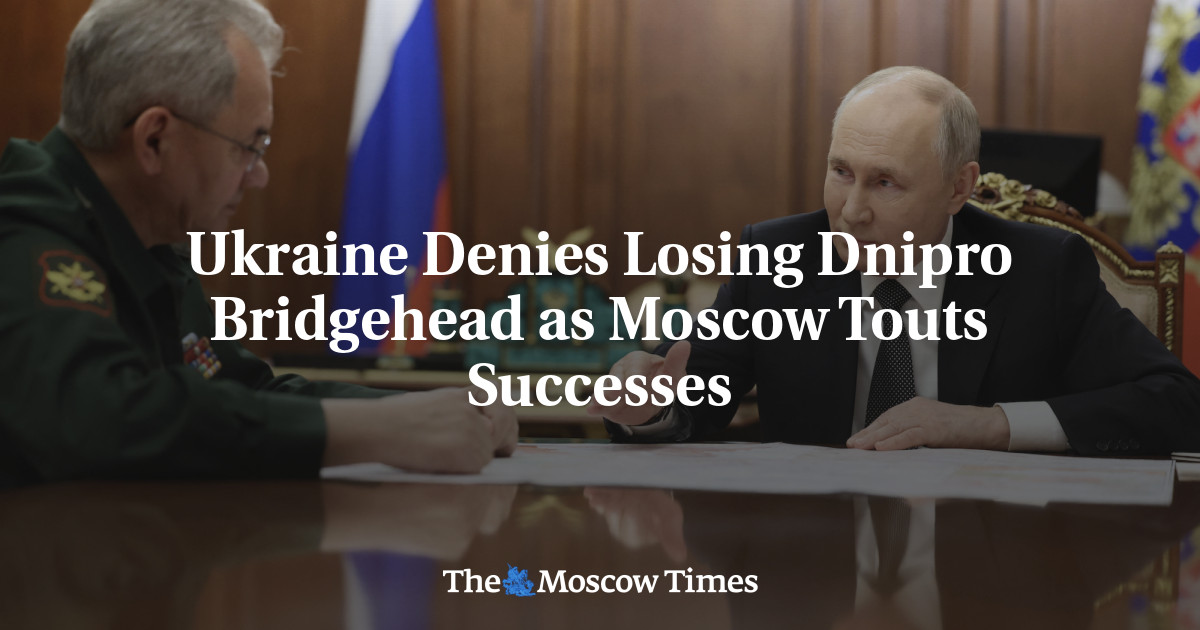
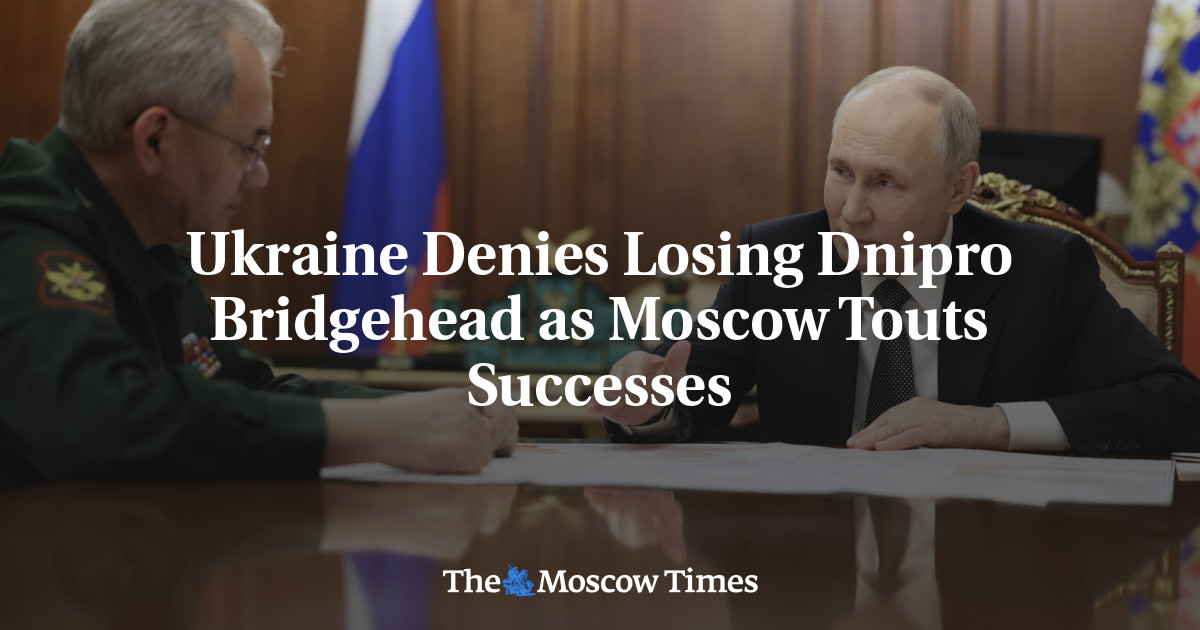
Russia claimed to have reclaimed the Ukrainian bridgehead of Krynky on the Moscow-occupied side of the Dnipro River, with Defense Minister Sergei Shoigu confirming the military success to President Vladimir Putin. This comes after Russia's capture of the frontline town of Avdiivka and the U.S. Congress blocking military aid to Kyiv. Putin mocked Kyiv's withdrawal from Avdiivka as a "chaotic flight," while Ukraine stated that the retreat was to save soldiers' lives. The eastern Ukraine front has been largely frozen, but Moscow has been attempting to capture Avdiivka, a symbol of Ukrainian resistance since 2014.
The General Staff of Ukraine's Armed Forces reports ongoing difficult operational situations in the east and south of Ukraine, with the enemy persistently attempting to dislodge Ukrainian units from bridgeheads on the eastern bank of the Dnipro River. The report details numerous combat clashes, missile attacks, airstrikes, and artillery shelling, resulting in casualties among both military and civilian populations. Ukrainian defense forces repelled multiple enemy attacks across various axes, while also inflicting significant losses on the enemy. The press service emphasized the enemy's continued efforts to dislodge Ukrainian units, with Ukraine's missile forces targeting an enemy manpower cluster and significant losses inflicted on Russian invaders and military equipment.
Ukrainian forces successfully repelled 29 enemy attacks on the left bank of the Dnipro River in the Kherson region. Ukrainian aircraft targeted Russian military personnel and equipment, while Ukrainian rocket forces hit enemy concentrations and artillery. The enemy launched missile strikes, air strikes, and MLRS attacks, resulting in civilian casualties and damage to infrastructure. The situation in eastern and southern Ukraine remains challenging, with 89 combat clashes reported. Ukrainian units continue to hold their positions and launch counterattacks against the enemy.
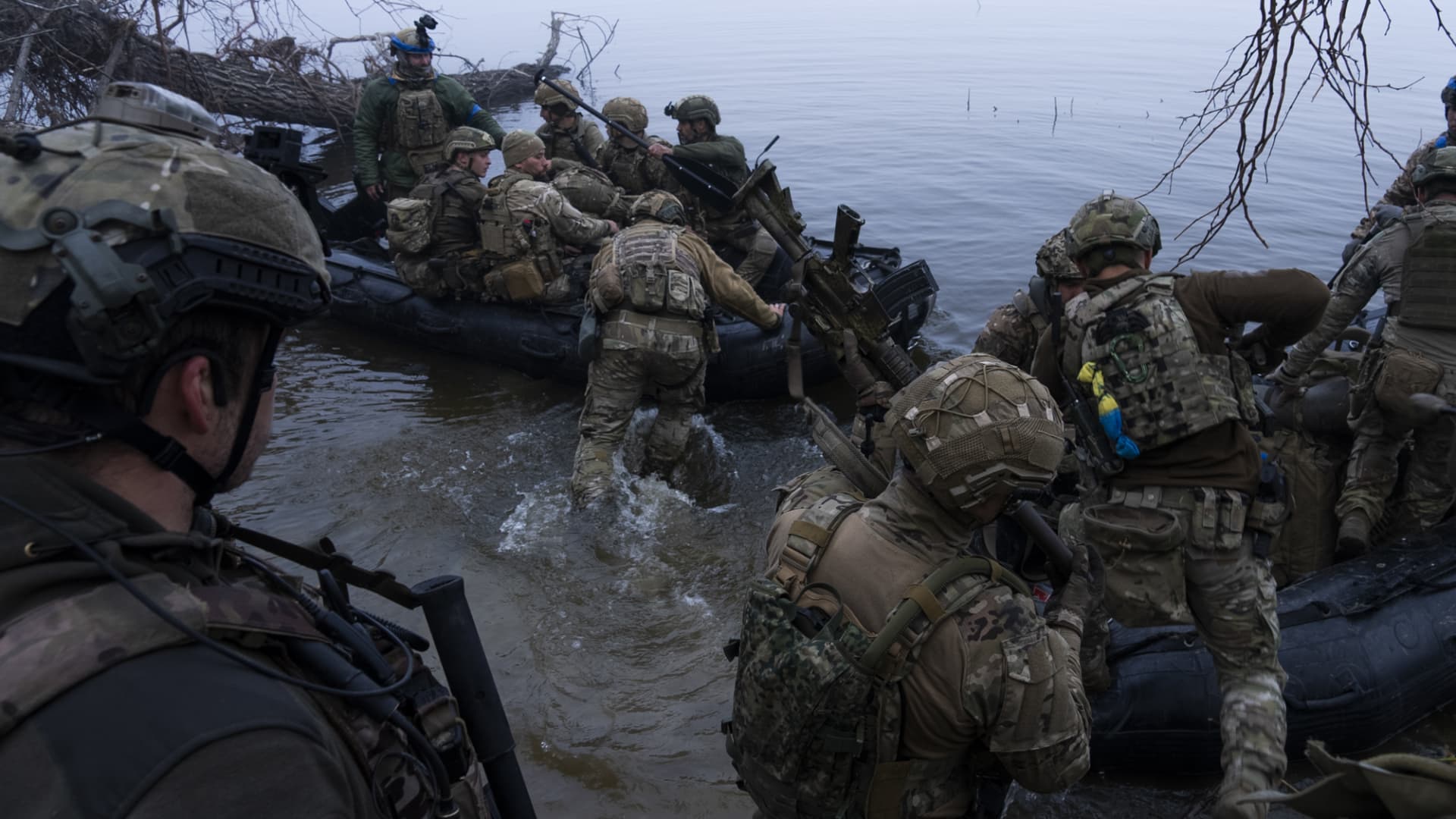
Ukrainian soldiers attempting to cross the Dnipro River to probe Russian fortifications on the eastern bank face numerous challenges, including mortar attacks, drones, and a lack of resources. The soldiers describe the mission as high-stakes and dangerous, with little hope of success. Many view the operation as a symbolic gesture to reassure Western allies, while soldiers express frustration at being put in harm's way for what they perceive as a political decision. The bridgehead secured by Ukraine along the coast is thin and requires heavy weaponry and support to expand further. The soldiers face extreme losses and fear for their lives as the operation continues.
Ukrainian soldiers and marines on the Dnipro river front have contradicted official reports of gaining a foothold on the eastern bank, stating that the claims are misleading and that the situation is a "suicide mission." They describe brutal fighting, high casualties, and poor preparation and logistics. The soldiers criticize the lack of psychological preparation and inadequate equipment and reinforcements. The difficult landscape and intense shelling make it challenging to collect bodies, and soldiers often have to step on fallen comrades. Despite the grim conditions, Ukrainian forces continue to fight, prioritizing eliminating Russian soldiers and artillery.
Ukrainian troops attempting to establish a foothold across the Dnipro River in Russian-held Kherson Oblast are facing brutal and futile conditions, according to interviews with soldiers involved in the mission. The troops describe the river banks as treacherous, with marshy islands, rivulets, and bomb craters filled with water, leaving no place to dig in. They criticize Ukrainian commanders for poor preparation and logistics, resulting in high casualties and low morale. Despite the challenges, the operation aims to draw in and kill as many Russian troops as possible, rather than achieving a breakthrough. The situation remains tense as Russian forces continue offensive operations across multiple oblasts in Ukraine.
Ukrainian forces have gained control of the Dnipro left bank's floodplain in Kherson Oblast, forcing the Russians to retreat and establish new defensive lines on higher ground. The Russians have built the Surovikin defensive line, but they do not have the luxury of time as they did during its construction. This recent advancement by the Ukrainian Armed Forces is seen as a significant operation, with progress made towards cutting off a key road and expanding their foothold. Ukrainian forces have successfully deployed three brigades in the area, and the operation has resulted in the destruction of over a thousand occupiers and numerous pieces of equipment.
European Council President Charles Michel believes that the EU should continue supporting Ukraine with weapons, citing Ukraine's successes in the Black Sea and on the left bank of the Dnipro River. He emphasized the need to speed up and increase production to support Ukraine, both through military training and the supply of weapons, as the EU plays a significant role in spreading common standards and norms globally.
Russian Defense Minister Sergei Shoigu claims that Ukraine is suffering "colossal losses" on the east bank of the Dnipro river, which is occupied by Russian forces in the southern Kherson region. Ukrainian and Russian officials confirmed that Ukrainian units had crossed the river and established footholds in villages on the east bank. The fighting is described as "confused" and taking place in complex terrain. Despite deteriorating weather conditions, both Ukrainian and Russian forces continue to conduct offensive operations. Russian President Vladimir Putin is expected to address the G20 summit, while the Kremlin declines to comment on the suggestion that Russia may receive ballistic missiles from Iran. There are questions about whether Russia is scaling back attacks on Avdiivka or preparing for a "third wave" of assaults. The Kremlin also states that Russia cannot co-exist with the current Ukrainian "regime" and will resist NATO for as long as necessary. The Kremlin describes Ukraine's 2014 revolution as a foreign-sponsored coup, while Ukrainian President Volodymyr Zelenskyy emphasizes the need for strength in the battle against Russia.
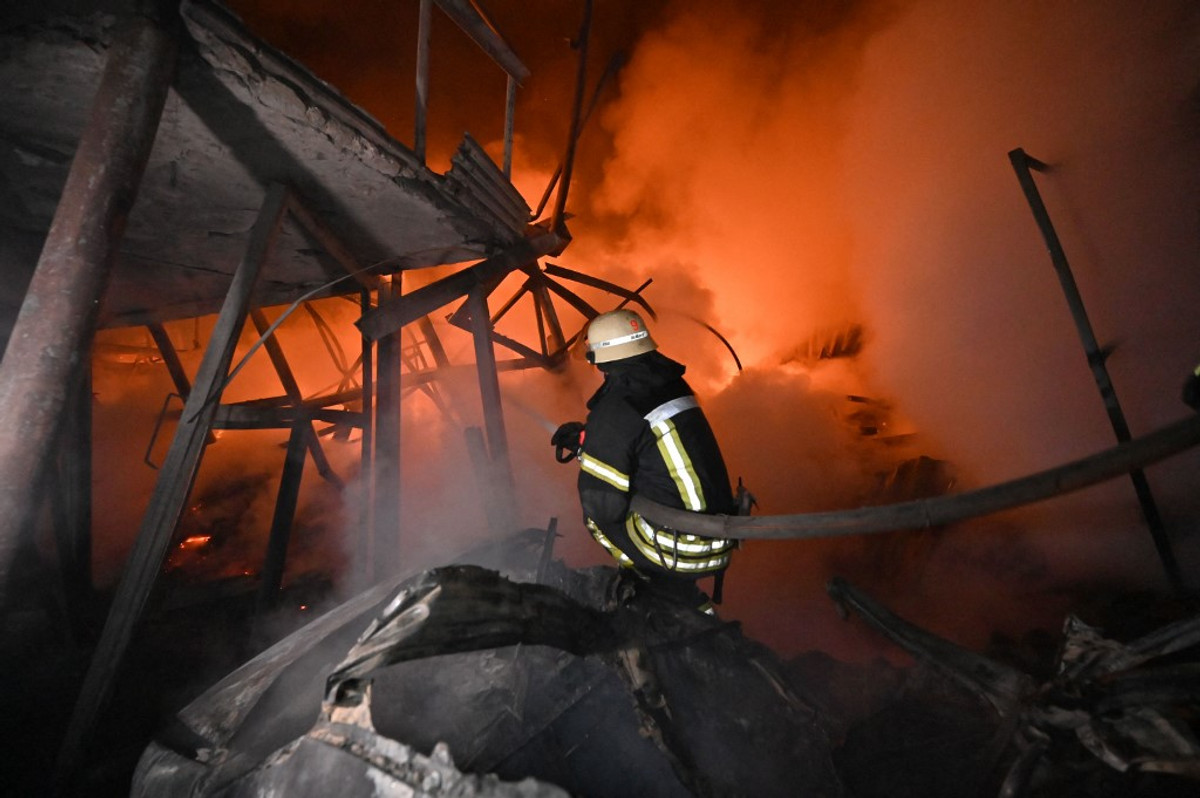
Russian strikes in Ukraine have killed civilians at a hospital in the Donetsk region and a house in Kharkiv, while the UN reports that over 10,000 non-military deaths have occurred since the Russian invasion. Russian forces are tightening their hold north of Avdiivka, and Ukrainian troops continue to advance inland from the Dnipro River. The Kremlin is spreading propaganda about Ukrainian casualties, with Russia claiming that Ukrainian forces have lost over 13,700 soldiers and 1,800 weapons and equipment in the past three weeks.
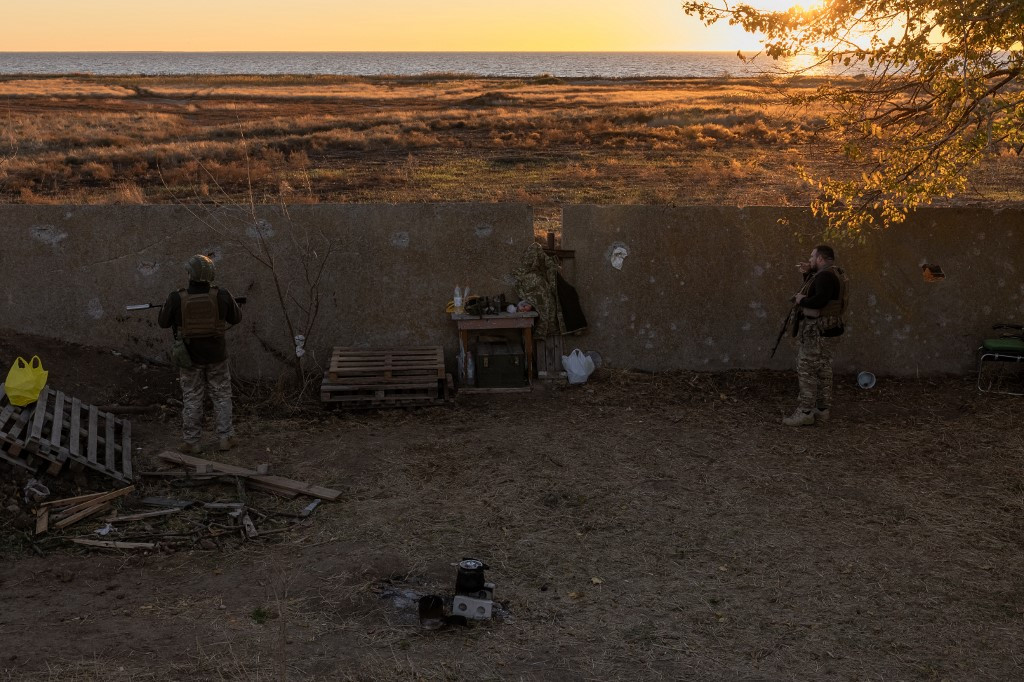
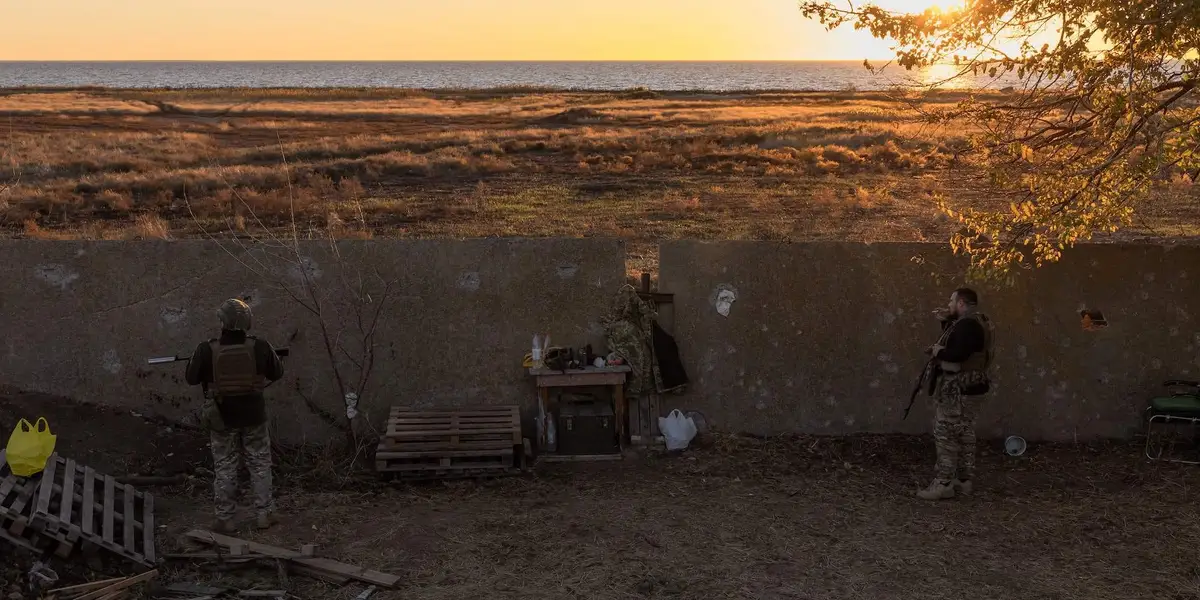
Ukrainian marines have fortified their positions on the eastern bank of the Dnipro River and are launching counterattacks against Russian forces. The marines have held onto the bridgeheads they secured in the village of Krynky and are engaging in counter-battery battles. Ukrainian troops have pushed back Russian forces up to five miles from the river bank, marking a rare success in their efforts to gain control of the territory. However, the counteroffensives have come at a heavy cost, with 75 Ukrainian military personnel reported dead.