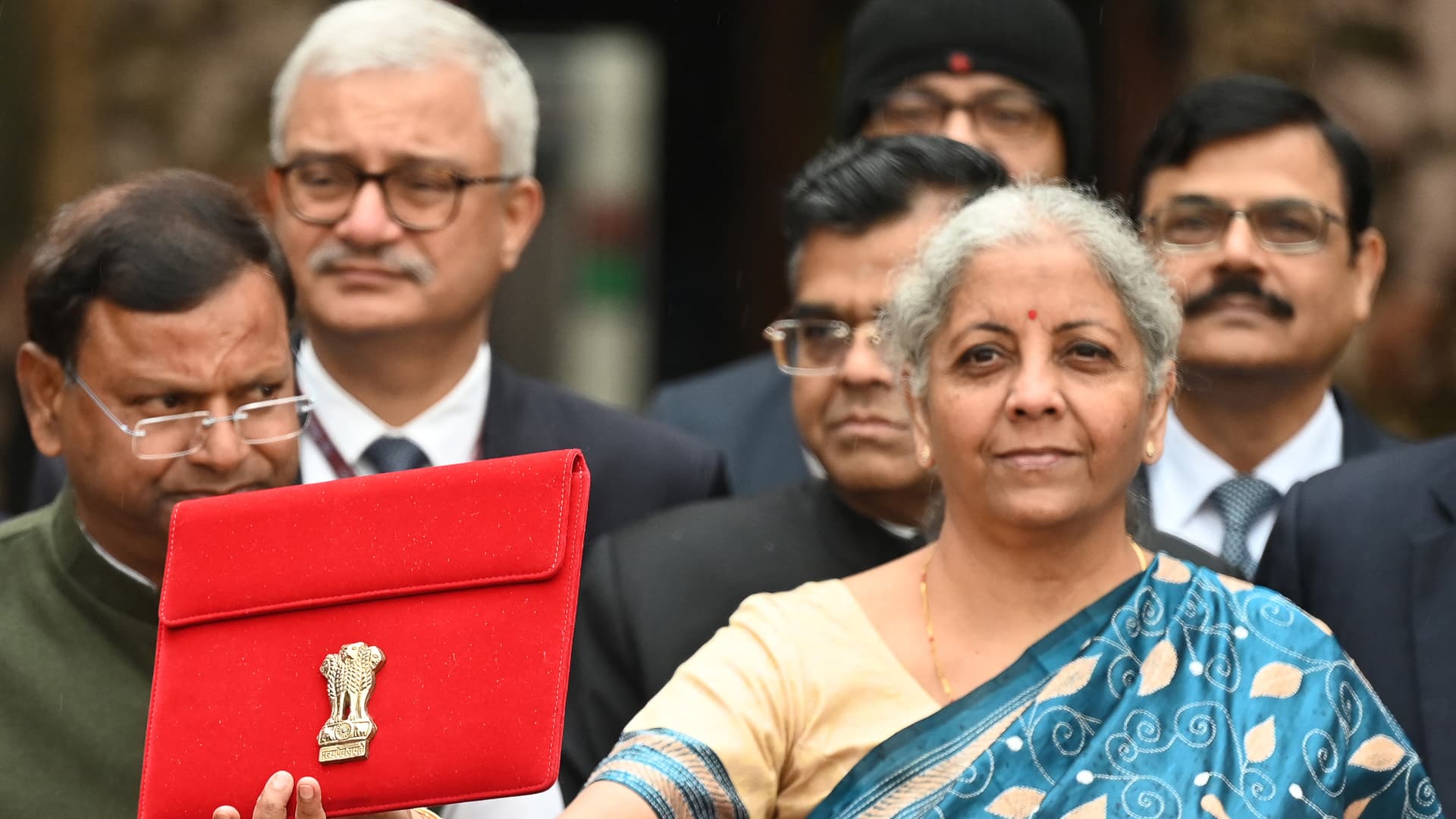
India's Finance Minister Nirmala Sitharaman announced that the country's fiscal deficit for 2025 is expected to narrow to 5.1% while boosting infrastructure spending, with capital expenditure set to rise by 11.1% to 11.11 trillion rupees. She emphasized the development of air connectivity and highlighted the potential of the India-Middle East-European Union corridor as a "gamechanger." Long-term interest-free loans will be given to states for tourist center development, and the interim budget also focuses on poverty, youth, women, and farmers. The budget is seen as a stop-gap financial plan during an election year, with the full union budget to be released after the elections.
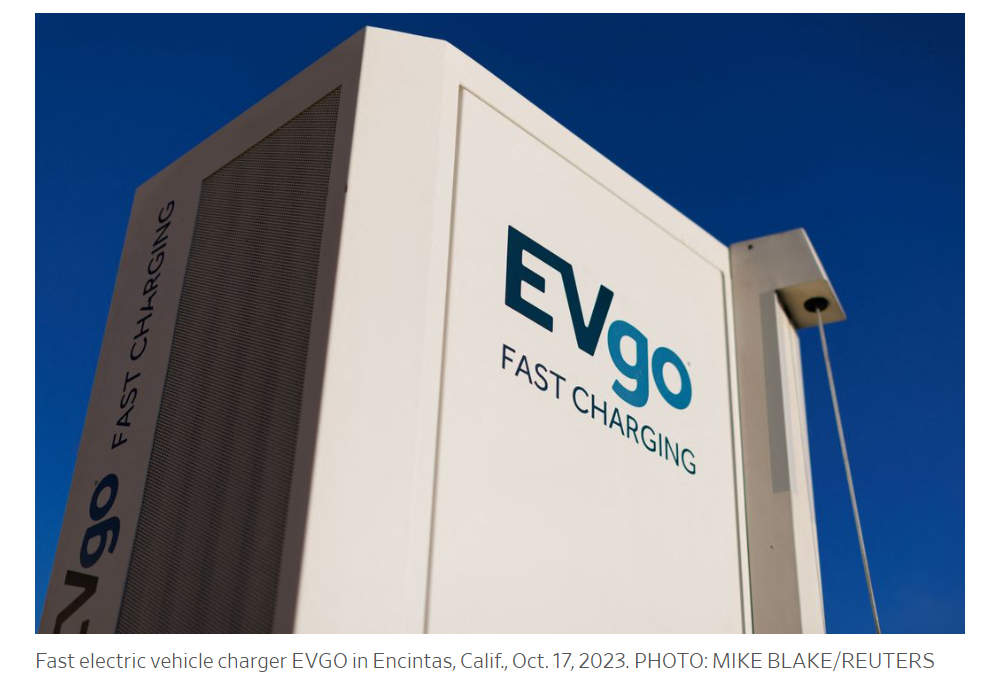
The Biden administration's rollout of EV charging stations has been slow due to added social-justice and union mandates, with only two federally funded stations opened despite $2 billion in subsidies. The latest funding comes with rules that prioritize disadvantaged communities, while demand for EVs in the US is low, with only 6 percent wanting an EV for their next vehicle. Despite massive incentives and subsidies, actions by companies like Hertz, GM, and Ford indicate lower-than-expected adoption rates, leading to a surplus of EV inventory on dealer lots. The administration's approach to EVs and regulations is criticized, with doubts about reaching the projected 10 percent EVs on US roads by 2030.
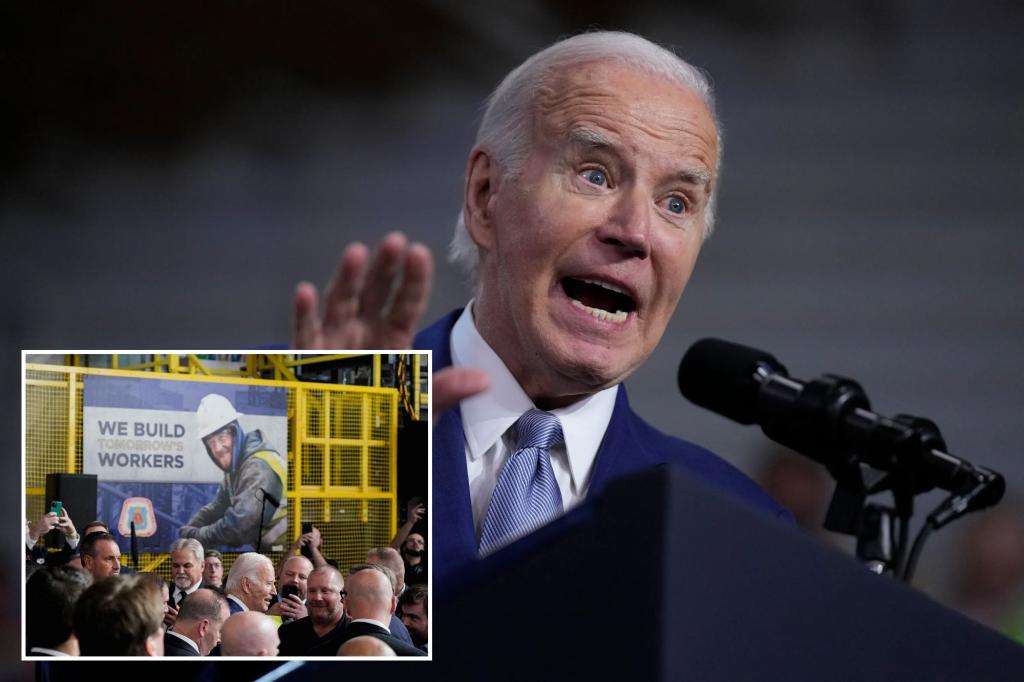
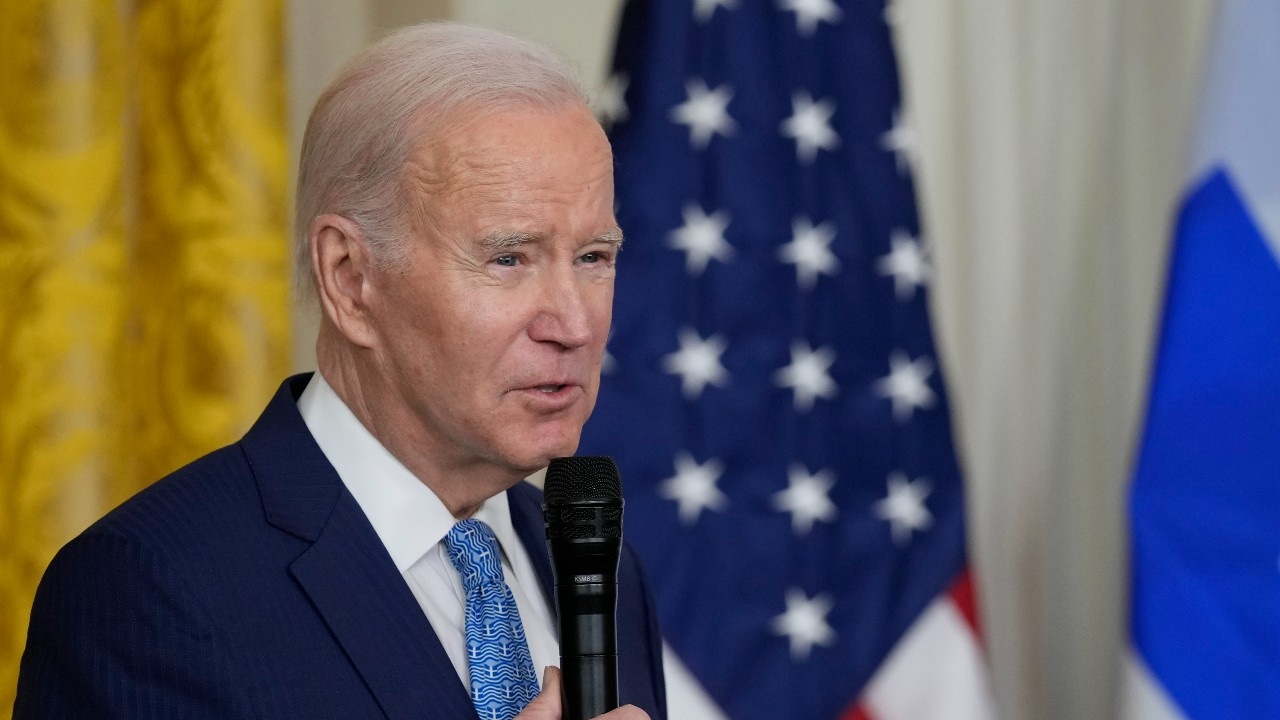
President Biden made a verbal stumble during a speech in Las Vegas, inventing a new number while boasting about his administration's infrastructure spending. He claimed "over a billion three hundred million trillion three hundred million dollars," which drew mockery online. The White House later released a transcript that expressed the number as "over 1,300,000,000 — $1,000,300,000,000," suggesting it was a teleprompter error. This gaffe adds to concerns about Biden's mental acuity, as it is part of a series of verbal missteps since taking office.
China is set to approve over 1 trillion yuan ($137 billion) in additional sovereign debt issuance to boost infrastructure spending and stimulate economic growth. The debt issuance is expected to be announced and initiated in November. Nearly half of the proceeds will be allocated to water conservancy and flood prevention projects, while the rest will be used for post-disaster reconstruction and high-standard farmland construction. China's economy grew faster than expected in the third quarter, bringing it closer to its annual growth target of around 5%. The Chinese government has been implementing various measures, including public works spending and interest rate cuts, to support the economy amid challenges such as a property crisis and debt risks.
The Asian Games, China's biggest sporting event in over a decade, is set to kick off in Hangzhou, but nationwide excitement is low due to a struggling economy and concerns over the cost of the event. Some locals believe the money spent on stadiums and facilities could have been better used for the common people and youth. Despite the subdued tone, analysts expect the games to go smoothly given China's meticulous preparations. The expected success of Chinese athletes may boost public morale. Hangzhou has undergone a massive transformation in preparation for the games, but many people feel indifferent towards the event, with some saying "people just don't care."
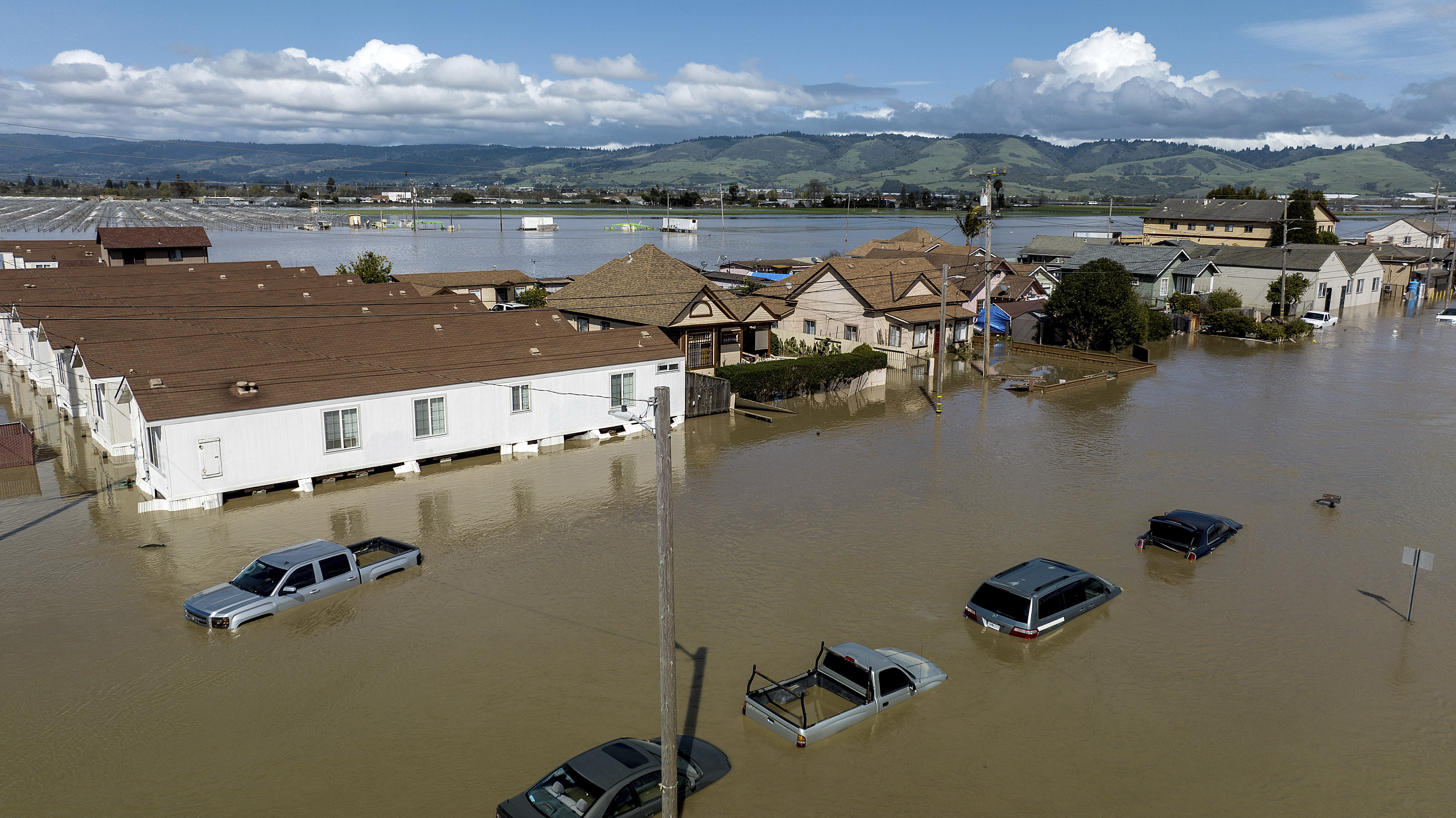
The federal government's reliance on an outdated weather model, the NOAA Atlas 14, is putting hundreds of billions of dollars in infrastructure spending at risk, according to a study by climate research firm First Street Foundation. The model vastly underestimates the likelihood of flooding, which means that many new projects could face flooding threats far earlier than expected, forcing local governments to pay for unanticipated maintenance or potentially wasting funds from the $350 billion the legislation set aside for projects. First Street Foundation's research identified the Atlas 14 model as failing to keep up with the risks from the changing climate.
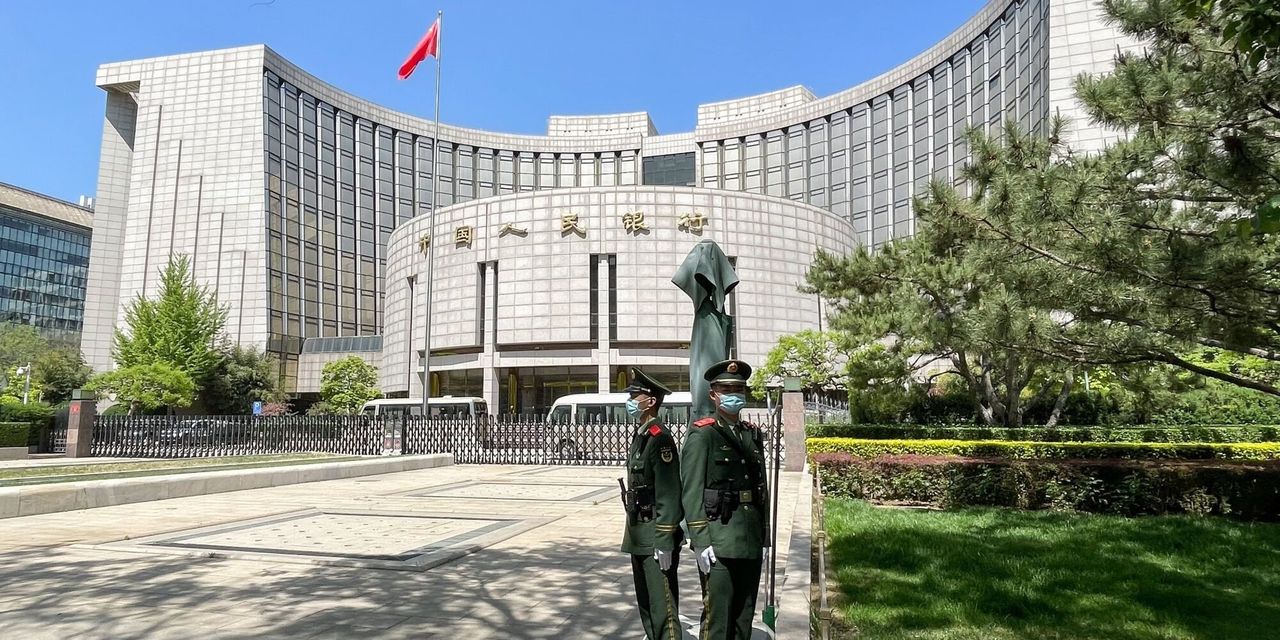
China is planning to revive its economy through a new spending drive, including billions of dollars in infrastructure spending and looser rules to encourage property investors to buy more homes. The People's Bank of China has already cut three key interest rates this week in an effort to boost the economy.
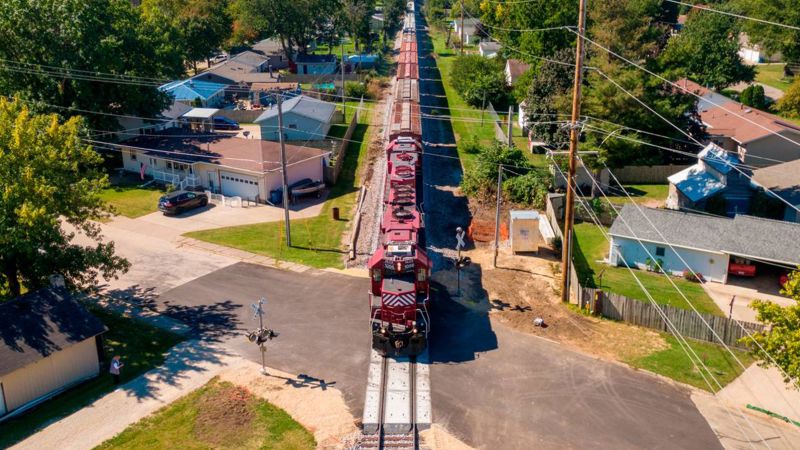
The US Transportation Department is investing $570 million in infrastructure spending to replace, improve or study grade crossings, reducing the approximately 2,000 train-vehicle collisions that happen every year. The Federal Railroad Administration said the funds will go toward 34 projects, including five in Texas, the state with the most grade crossing blockage complaints. One of those projects, in Houston, will replace seven points where tracks and roads meet, reducing congestion and noise where train operators blow loud horns as a warning to vehicles.
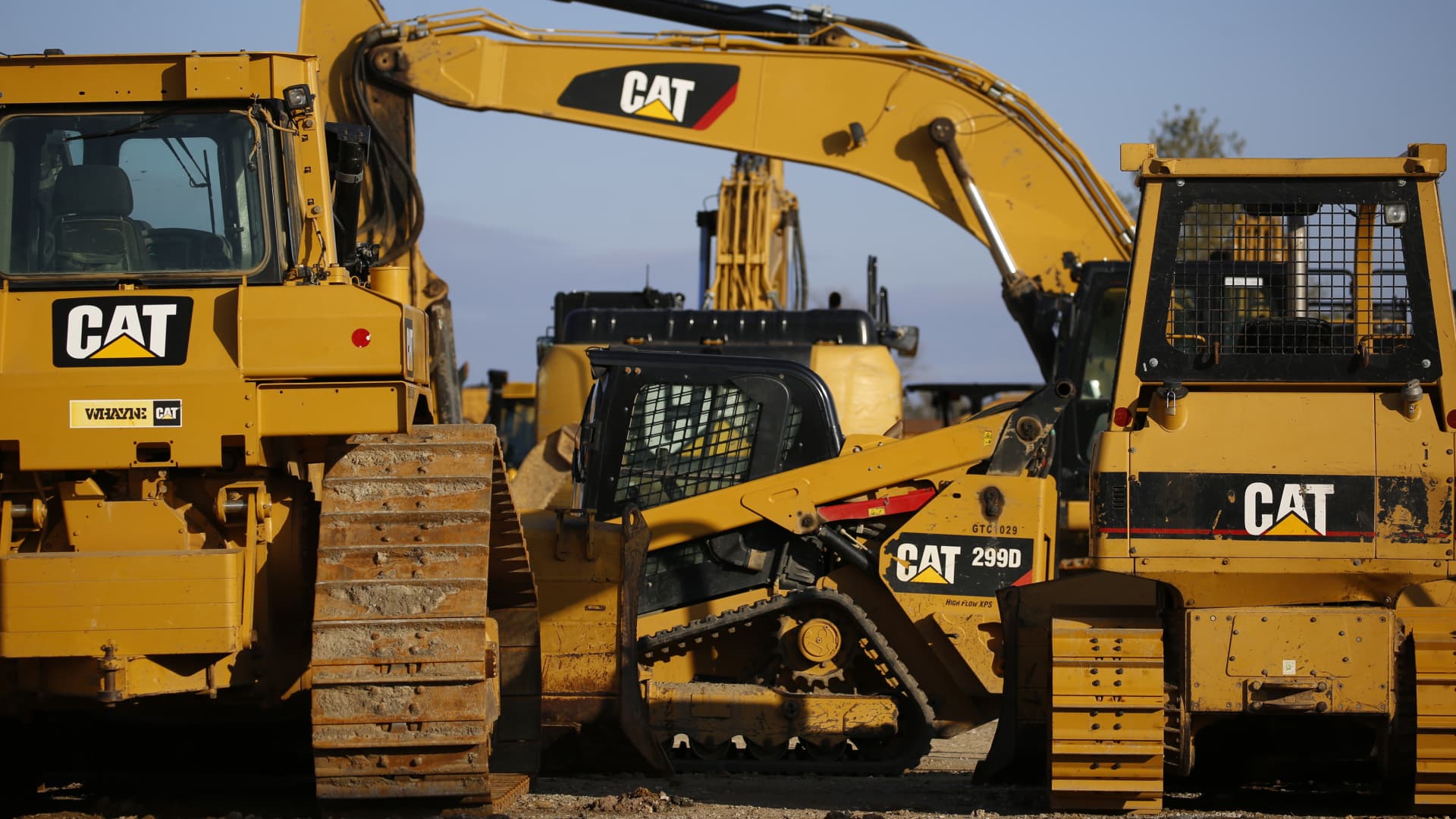
Caterpillar, the world's largest construction and mining equipment maker, reported a 31% rise in profit in Q1 2021, beating Wall Street earnings estimates, due to a boost in US infrastructure spending and solid demand in North America. The company's construction division recorded a 10% rise in total sales, while its energy and transportation segment saw a 24% increase year-over-year. Cost control measures and strong pricing helped Caterpillar navigate higher material and freight costs amid ongoing supply challenges.
President Biden is set to visit Minneapolis on Monday to promote infrastructure spending and investments in clean energy. This will be his third trip to Minnesota since taking office, with Vice President Kamala Harris having visited in February to highlight electric vehicle production. More details about the president's trip will be announced soon.