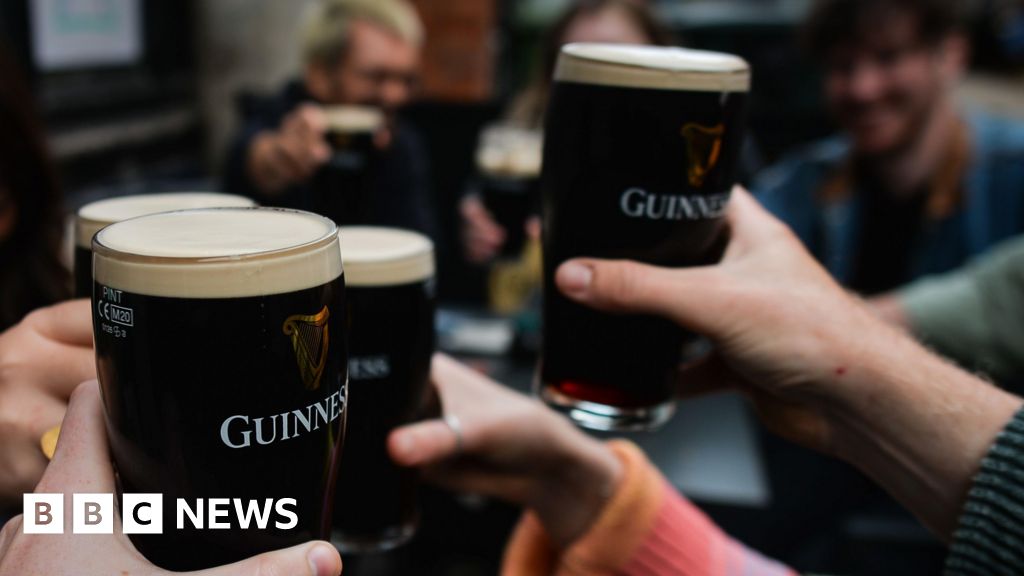
Diageo has appointed former Tesco CEO Sir Dave Lewis as its new chief executive to address declining sales and market challenges, aiming to stabilize and grow the company's global brands amid changing consumer behaviors and economic pressures.
A humorous list of 56 complaints from a boomer perspective about modern technology and consumer culture, highlighting frustrations with software updates, digital payments, AI, subscriptions, and changes in everyday life that seem unnecessary or invasive.
The article lists humorous and relatable 'hot takes' from millennials that highlight their preferences and frustrations with modern technology, consumer culture, and social habits, making them feel 'old' or out of touch with current trends.
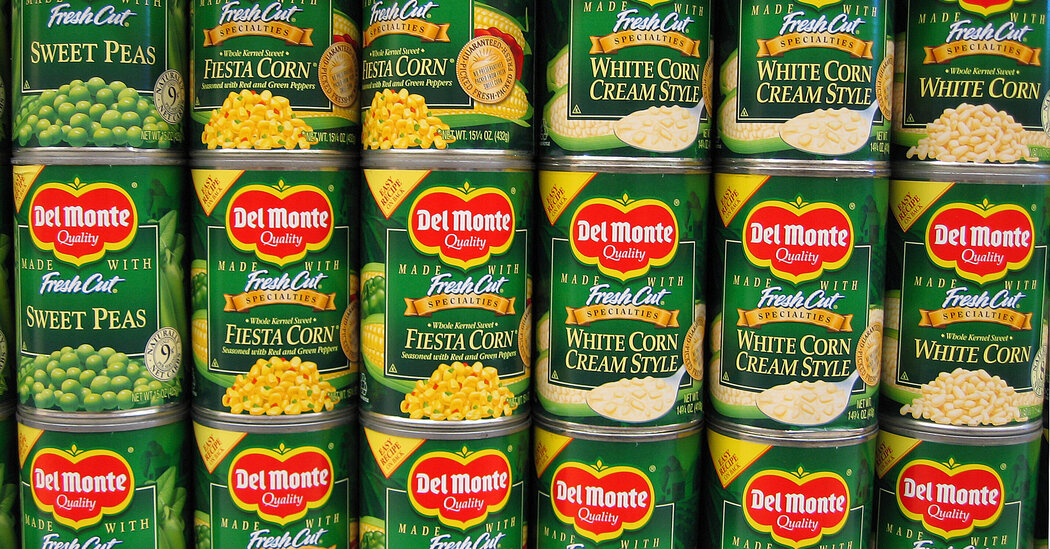
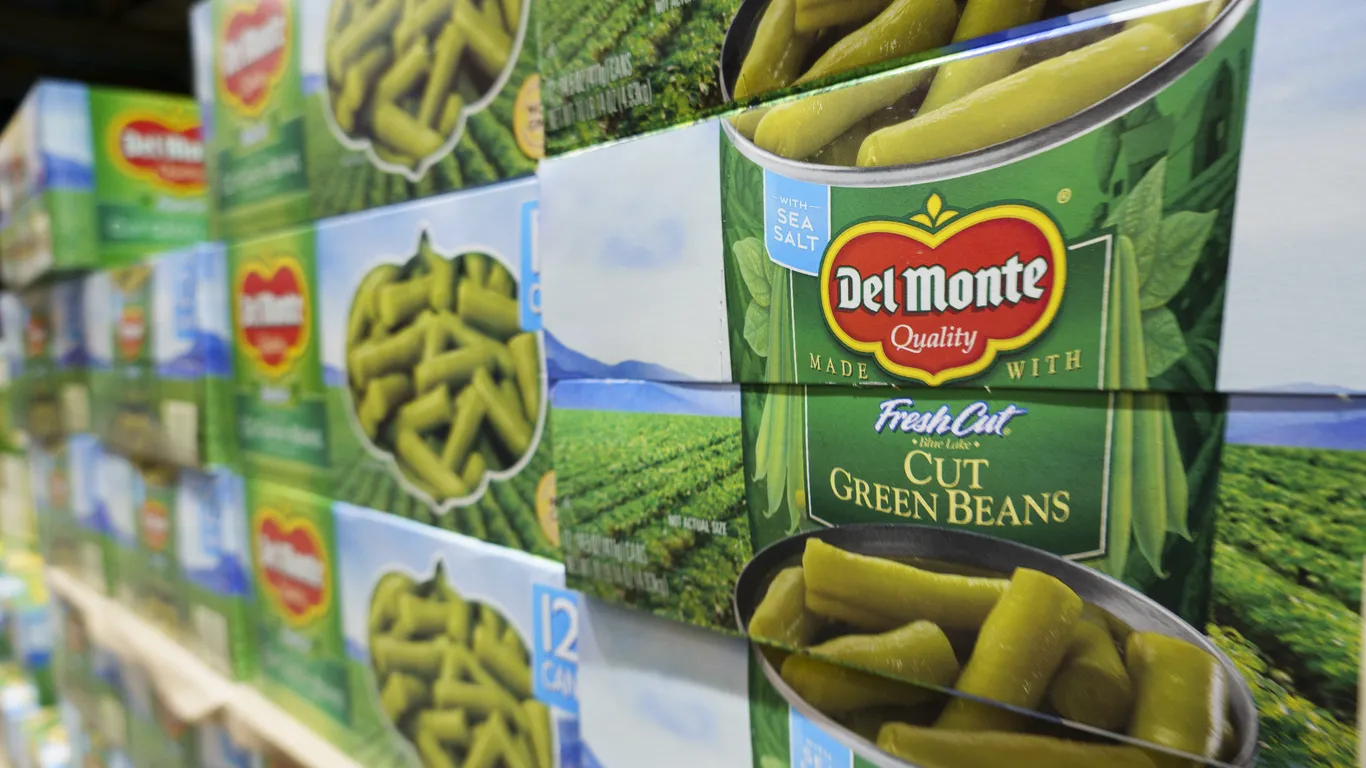
Del Monte Foods, a historic canned goods company, filed for bankruptcy due to rising debt, pandemic-related issues, and economic challenges, and plans to sell most of its assets to restructure and strengthen its future.
Del Monte Foods has filed for Chapter 11 bankruptcy and plans to sell its assets due to mounting financial pressures from changing consumer preferences, supply chain issues, and rising costs, despite efforts to reduce expenses and close facilities.
A no-buy challenge involves setting personal rules to avoid spending on non-essential items for a set period, helping to reduce debt and declutter. Key tips include identifying spending weaknesses, making personalized rules, pausing before purchases, unsubscribing from shopping triggers, and being gentle with oneself during setbacks.
A no-buy challenge involves setting personal rules to avoid spending on non-essential items for a set period, helping to reduce debt and declutter. Key tips include identifying spending weaknesses, making personalized rules, pausing before purchases, unsubscribing from shopping triggers, and being gentle with oneself during setbacks.
A new industry report from Newzoo suggests that a small number of older video games are dominating consumers' playtime, making it harder for new games to find an audience. In 2023, just 66 titles accounted for 80% of all playtime, with 60% spent on games six years old or older. Games like Fortnite, GTA V, League of Legends, Minecraft, and Roblox made up 27% of all playtime, while annualized sequels and live service games contributed significantly to the playtime. The report highlights the challenge of growing a game's playerbase in a landscape dominated by established franchises and robust content pipelines.
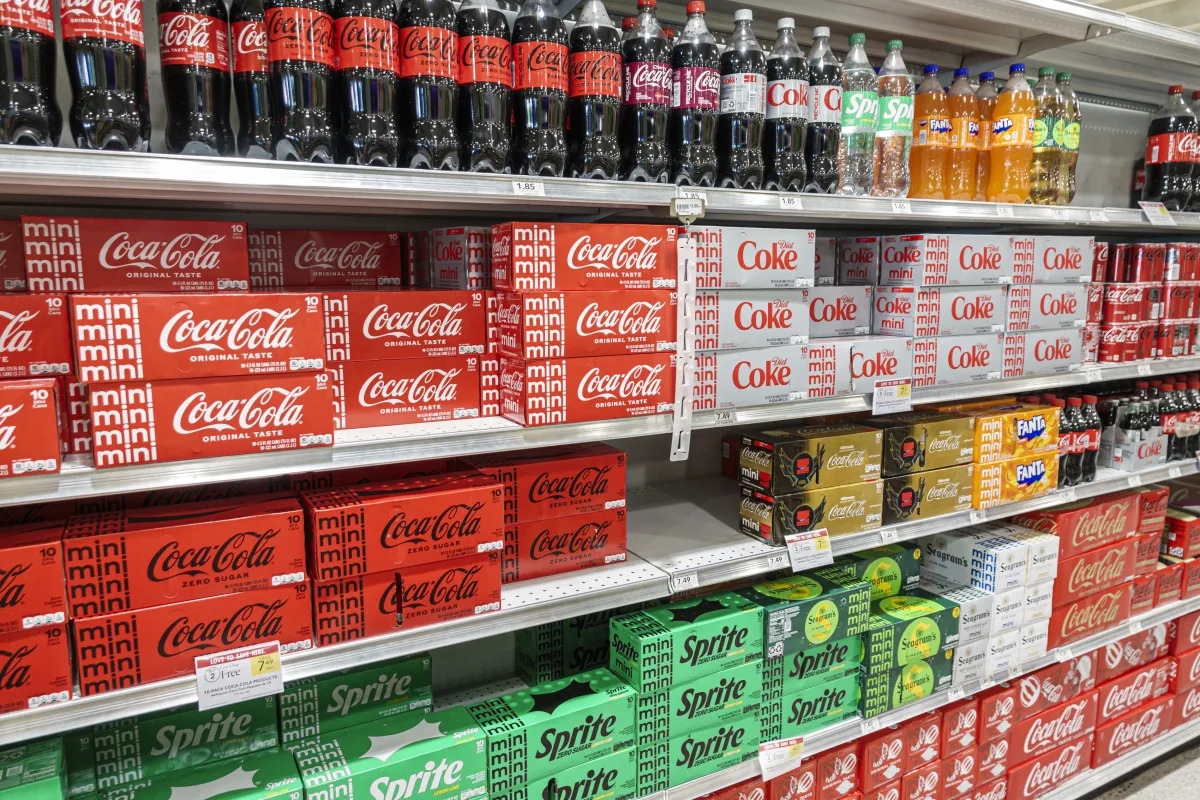
Coca-Cola and PepsiCo are experiencing a drop in soda volume sold in North America, offset by price increases, as US consumers become more selective in their purchasing habits. Executives from both companies note a resilient and optimistic US consumer, despite changing buying behaviors, with some consumers making more value-conscious choices. While fewer Americans are consuming water, sports drinks, coffee, and tea, orange juice and Coke remain popular. Both companies are optimistic about the future, with Coca-Cola expecting organic revenue growth of 6-7% and PepsiCo expecting 4% growth in organic revenue for 2024.
More retailers are choosing to close their stores on Thanksgiving Day, reflecting a shift in consumer habits and a desire to prioritize employee well-being. Major retailers such as Simon Properties, Best Buy, J.C. Penney, Kohl's, and Walmart have announced closure plans for Thanksgiving, with some grocery stores also reducing their operating hours. The change is attributed to the evolving nature of the holiday shopping season, as retailers now start their Black Friday sales earlier and focus on both online and in-store sales. Closing on Thanksgiving can benefit retailers' public image and align with consumers' desire to support brands that prioritize their employees' well-being.
The rising popularity of weight-loss injections that suppress appetite, such as Wegovy and Ozempic, is causing concern among snack food companies as investors question whether these drugs will reduce the American appetite for snacking. Shares of major snack food makers like Kraft Heinz, Kellanova, PepsiCo, and Mondelez International have all seen their stock prices drop. Some companies, like Conagra Brands, are already considering adjusting portion sizes and ingredients in response to potential changes in consumer habits. The adoption of weight-loss drugs could force food companies to reconsider their revenue and profit forecasts and change recipes. However, the drug manufacturers, such as Novo Nordisk, are experiencing financial success, and there could be unexpected winners like airlines, which could save on fuel costs if passengers shed weight.