
businessworkplace1.565 min read
"Rising Trend: Employees Living 50 Miles Away from the Office"
1 year ago•Source: Yahoo Finance

The latest businessworkplace stories, summarized by AI

A report from Stanford University and Gusto reveals that remote workers are living further from their employers, with the mean distance from employee residence to employer location increasing from 10 to 27 miles between 2019 and 2023. Additionally, 5.5% of employees now live over 50 miles away from their employer. The study also highlights that remote work is more prevalent among higher-earning Millennials in the Information and Finance & Insurance sectors, and a USA TODAY survey shows that remote work decreases as income rises. Furthermore, one-third of hiring managers report increased productivity due to remote work, and Colorado has the highest percentage of remote workers at 21%, while Mississippi has the lowest at 5.5%.

BBC.com•2 years ago
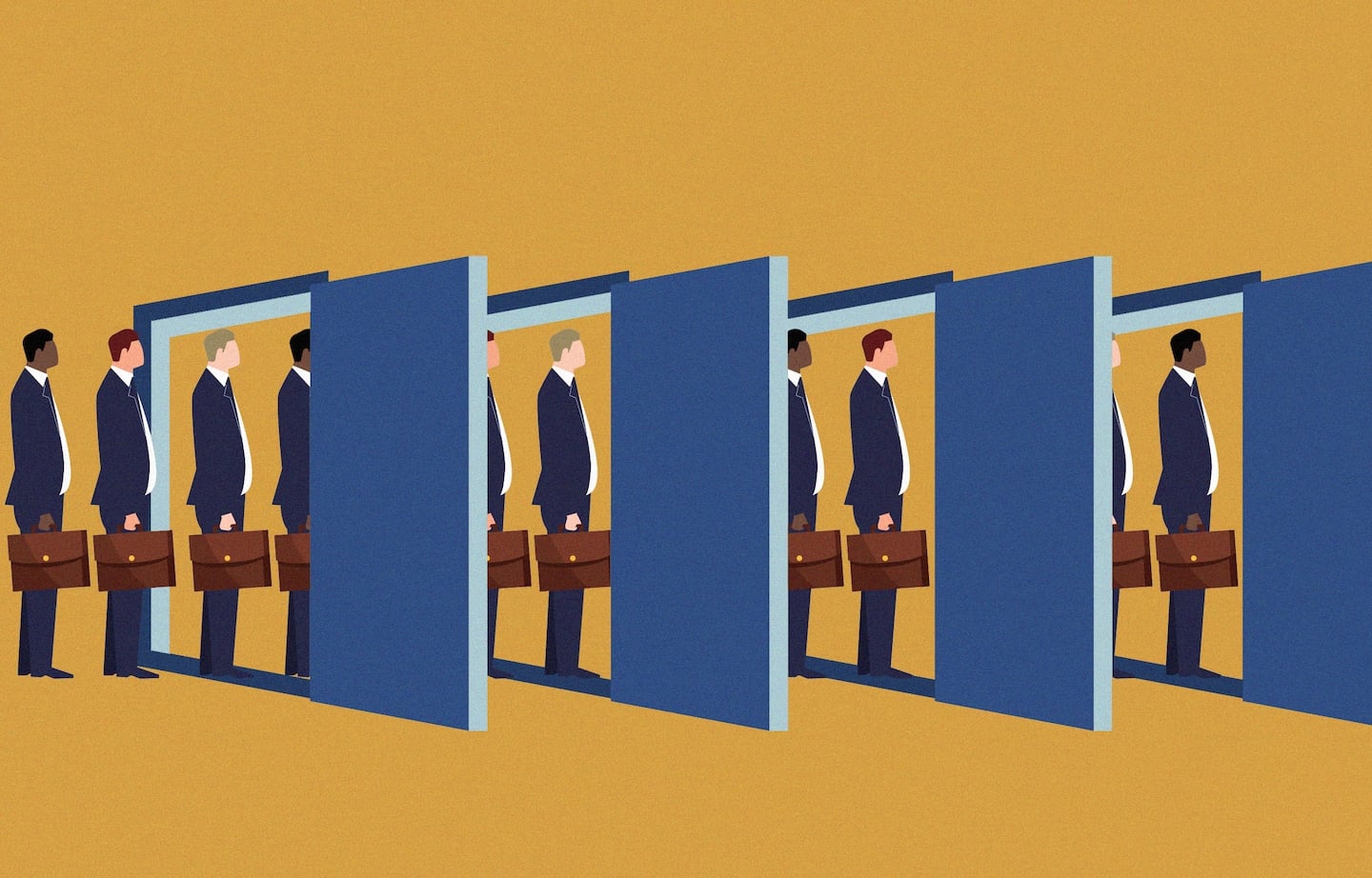
Companies like SAP, Google, AT&T, Goldman Sachs, and Bank of America are facing backlash from employees over strict return-to-office mandates, with some workers threatening to quit rather than comply. The shift from flexible to firm stances on in-person attendance has led to employee frustration and feelings of betrayal, as many had been promised remote work options. Some companies have taken punitive approaches, such as tying office attendance to performance reviews or threatening disciplinary action. The battle over office mandates continues, with employees expressing discontent and some companies risking the loss of top talent.
The shift to remote work has negatively impacted younger workers, with many feeling isolated and struggling to establish boundaries between work and personal life. This has led to concerns about their mental health and productivity, prompting calls for employers to provide more support and flexibility to address these challenges.

A survey by BetterUp found that employees mandated to return to the office experienced higher burnout, stress, and turnover intentions, as well as lower trust, engagement, and productivity levels. The return-to-office transition, if not handled with empathy, can negatively impact workplace culture and employees' sense of belonging. The main challenges of returning to the office include the commute and loss of flexibility, with employees spending an average of $561 per month on transportation and additional expenses. The article suggests maximizing the benefits of in-person collaboration, considering the opportunity for better work-life balance, and asking for necessary support while returning to the office.
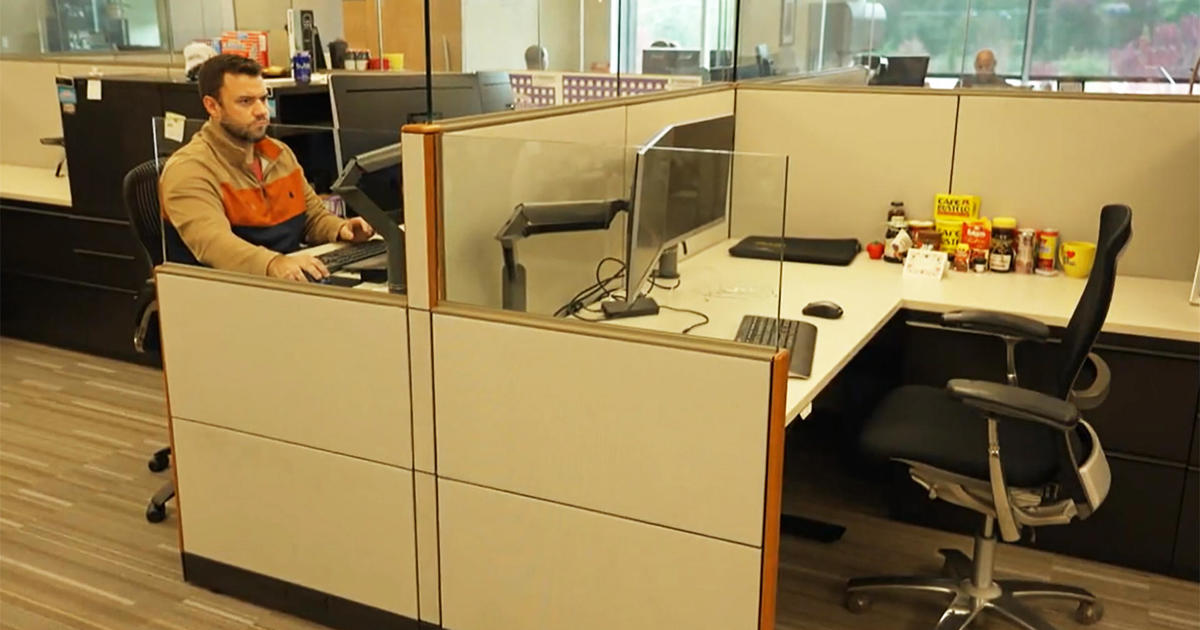
Hybrid work, a combination of commuting part-time and working part-time remotely from home, is becoming the new normal as employees continue to prefer the flexibility and work-life balance it offers. Experts discuss the benefits and drawbacks of this modern work style.

Ubisoft Montreal employees are in disarray after being forced to return to the office following a three-year work from home (WFH) period. The move has been met with division and accusations of broken promises, as employees made major life decisions based on the belief that WFH would continue. Concerns include transit, safety amid rising COVID cases, accessibility accommodations, and the quality of the office. There is a lack of trust in management's ability to address these issues, given previous allegations of a toxic workplace culture. Some speculate that the move is an intentional effort to push employees to leave without severance. Ubisoft claims the return to the office will improve effectiveness and agility, but employees remain skeptical.