A significant majority of the global population is not consuming enough omega-3 fatty acids, which are linked to reduced Alzheimer's risk and overall health, due to dietary challenges and misconceptions, with recommendations including eating oily fish or taking supplements.

Research shows that prolonged sitting can lead to brain shrinkage and cognitive decline, even with regular exercise, especially in older adults at genetic risk for Alzheimer's. Reducing sedentary time is crucial for brain health and may help prevent neurodegeneration.
Stanford Medicine researchers developed an algorithm analyzing blood proteins to determine the biological age of organs, revealing that a 'young brain' correlates with longer life and lower disease risk, especially for Alzheimer's. The study suggests potential for early intervention and personalized medicine to improve healthspan and lifespan.
A 75-year-old man from El Salvador actively maintains his cognitive health by reading, solving puzzles, and studying for fun, which experts say can delay dementia onset. His efforts, supported by family and supported by research, highlight the importance of mental stimulation, a healthy diet, social engagement, and managing medical conditions to promote brain health as we age.
A new bioluminescence imaging technique allows scientists to observe oxygen movement in the brain, revealing widespread patterns of oxygen distribution and detecting "hypoxic pockets" that are more common in sedentary states and could be linked to an increased risk of Alzheimer’s disease. This research paves the way for better understanding diseases associated with brain hypoxia and testing therapeutic interventions, providing a tool to study a range of diseases associated with hypoxia in the brain, including Alzheimer’s, vascular dementia, and long COVID, and how a sedentary lifestyle, aging, hypertension, and other factors contribute to these diseases.
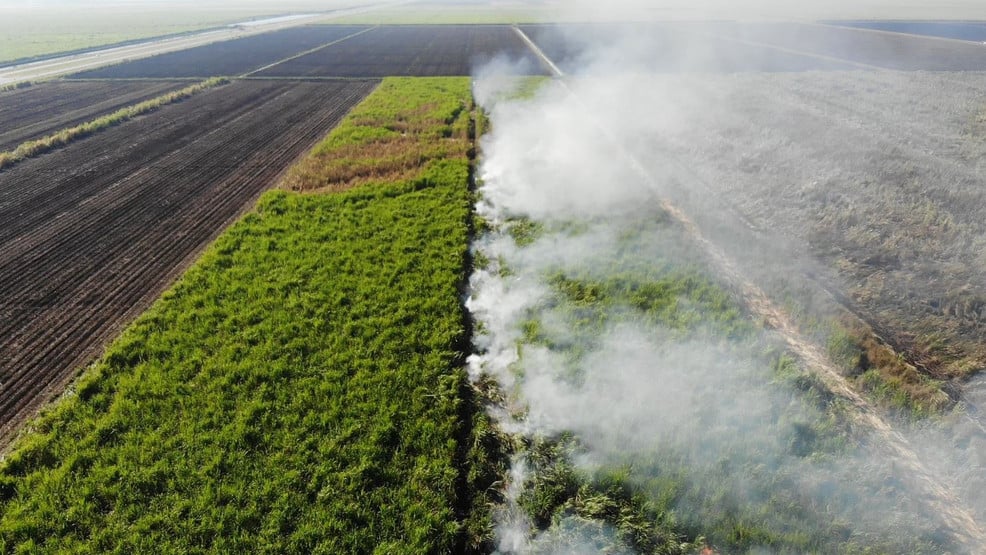
Florida Atlantic University has received a $4.2 million federal grant to conduct a study on the relationship between smoke exposure from agricultural fires and the risk of developing Alzheimer's disease. The research will focus on rural areas in Palm Beach County and aims to improve understanding of the impact of air quality on cognitive health.