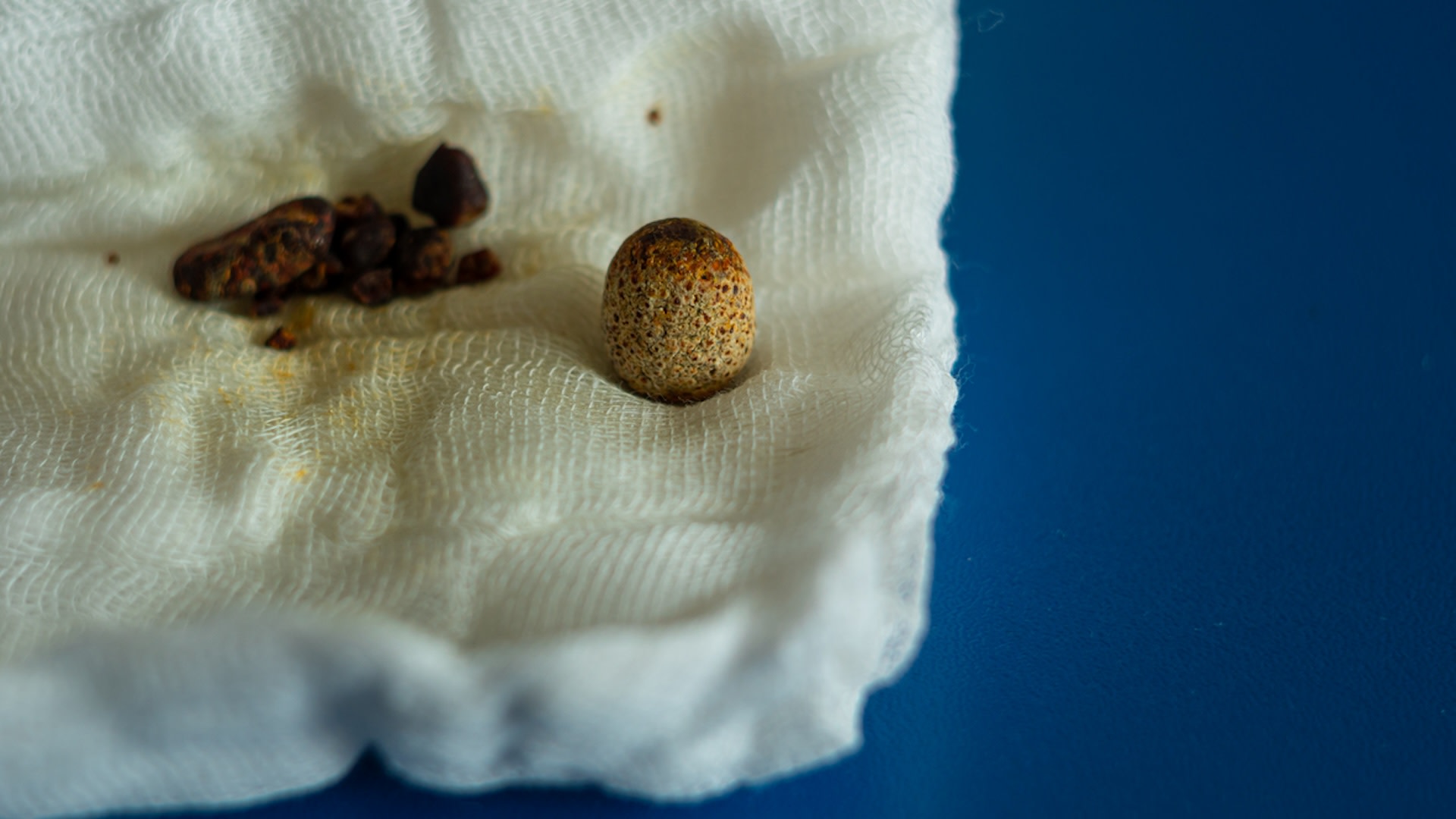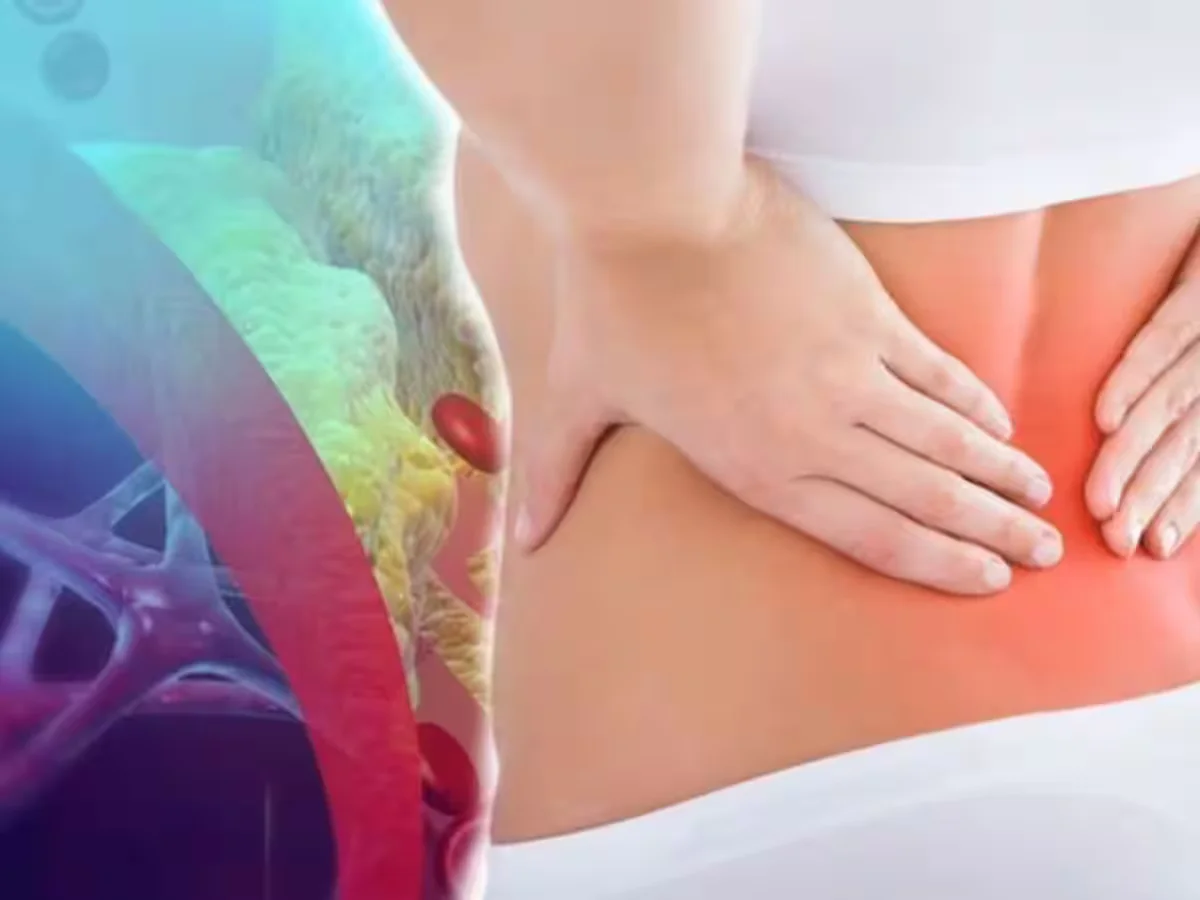
An 85-year-old woman with gallstones is considering surgery; Dr. Roach advises weighing the risks and benefits carefully, especially given her age and health status, and recommends consulting her primary doctor for a personalized assessment.
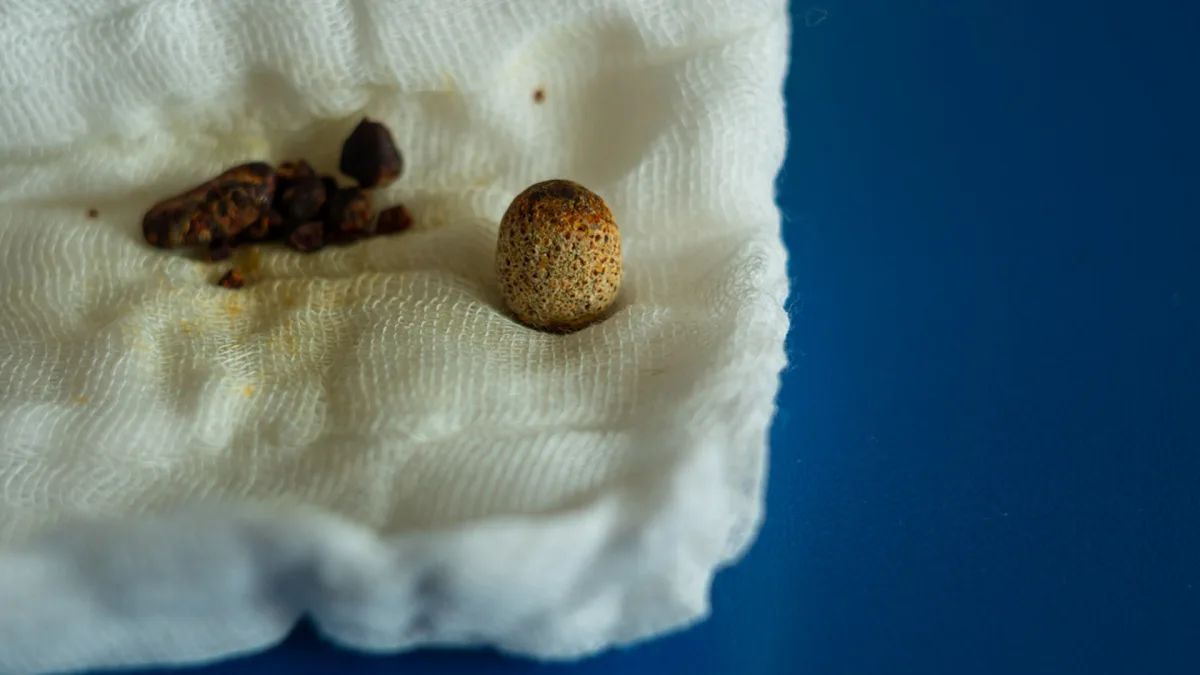
A new study has found that microplastics are present in human gallstones and may exacerbate gallstone formation and alter gut microbiota, particularly in younger individuals. The widespread presence of microplastics in the environment raises concerns about their potential health impacts, including their ability to transmit pathogens and interfere with antibiotics. To mitigate exposure, individuals can reduce plastic use, avoid heating food in plastic containers, and consider probiotics to reduce toxicity and inflammation associated with microplastics in the gastrointestinal system. Researchers are also exploring new technologies, such as using plants and egg whites, to filter microplastics from drinking water.
A new study has found that microplastics are present in human gallstones and can accelerate gallstone formation and alter gut microbiota. The presence of microplastics in the body is concerning as they are ubiquitous and can enter the body through various means. Researchers are urging greater awareness of environmental protection and suggest avoiding plastic as much as possible, using alternative materials for food and water storage, and exploring methods such as probiotics and new filtration technologies to mitigate the impact of microplastics on human health.
Crash diets, while promising quick weight loss, come with several dangerous signs to watch out for. These include nutritional deficiencies, muscle loss, metabolic slowdown, electrolyte imbalances, increased risk of gallstones, and weakened immunological function. It is important to prioritize sustainable and balanced weight control strategies, exercise regularly, and seek guidance from a medical professional for long-term health and well-being.
Uncontrolled cholesterol levels can lead to gastrointestinal problems such as the formation of gallstones and an increased risk of obesity-related GI disorders. To manage and prevent high cholesterol, engage in regular physical activity, avoid smoking, choose a healthy diet, consume alcohol in moderation, and consult with a doctor about medication options. Adopting a healthy lifestyle and working closely with healthcare professionals can help maintain optimal gastrointestinal health.