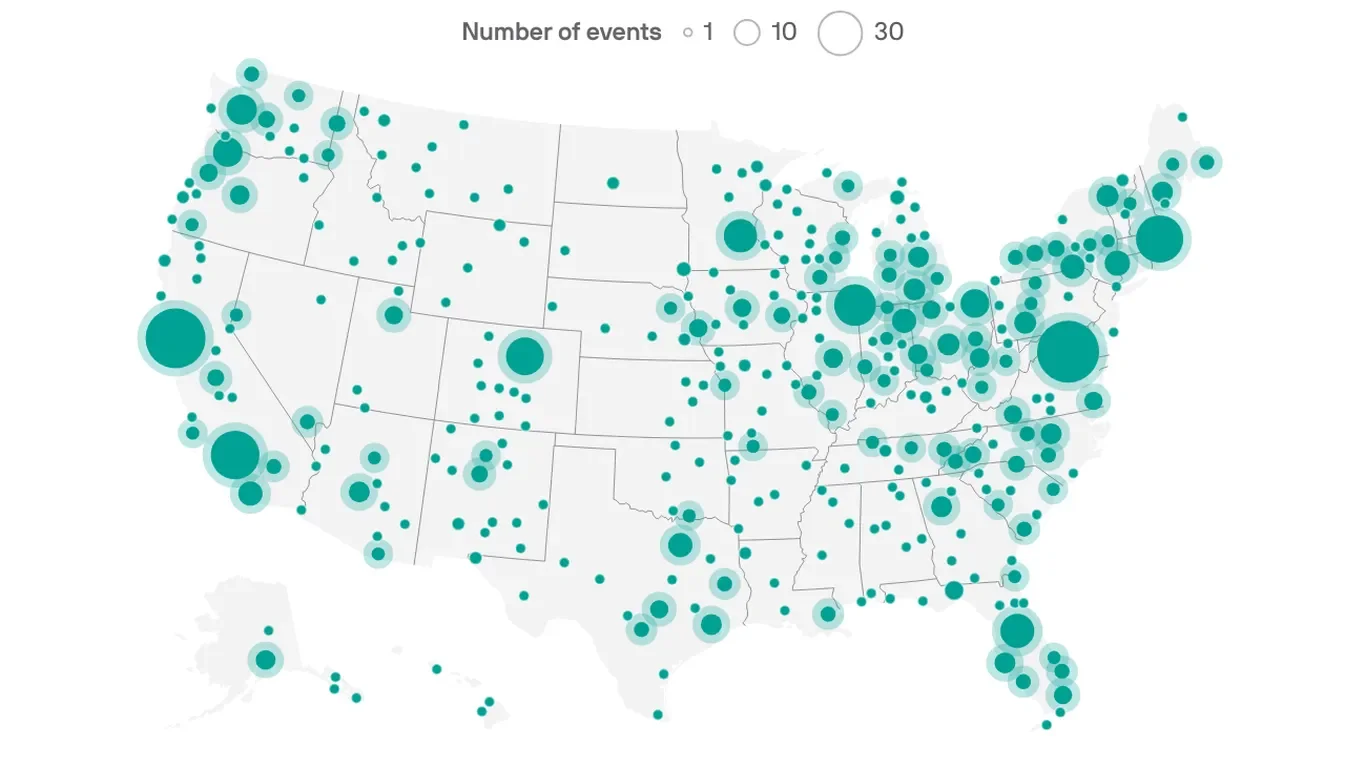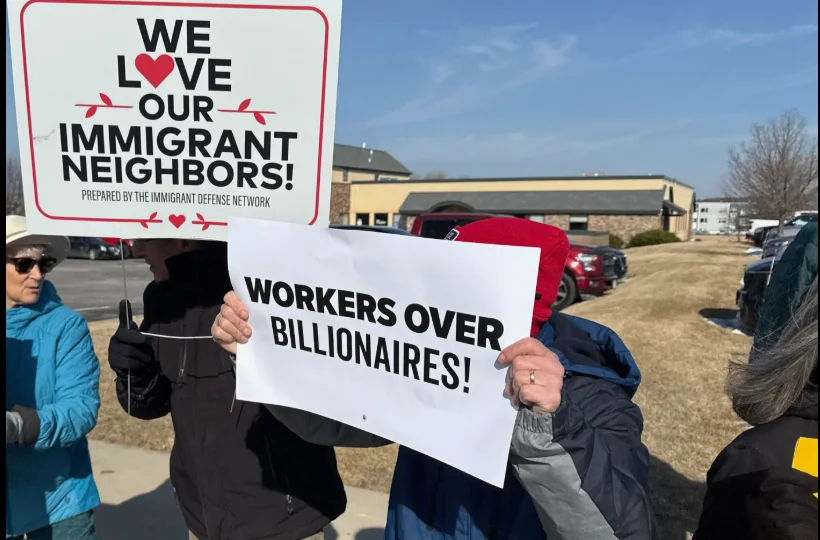
On Labor Day, over 1,000 protests across the U.S., led by the AFL-CIO and other groups, focus on advocating for workers' rights and wealth redistribution, including a notable protest in New York City targeting Trump Tower with a symbolic taco demonstration. The movement emphasizes building worker power and opposing billionaire influence.
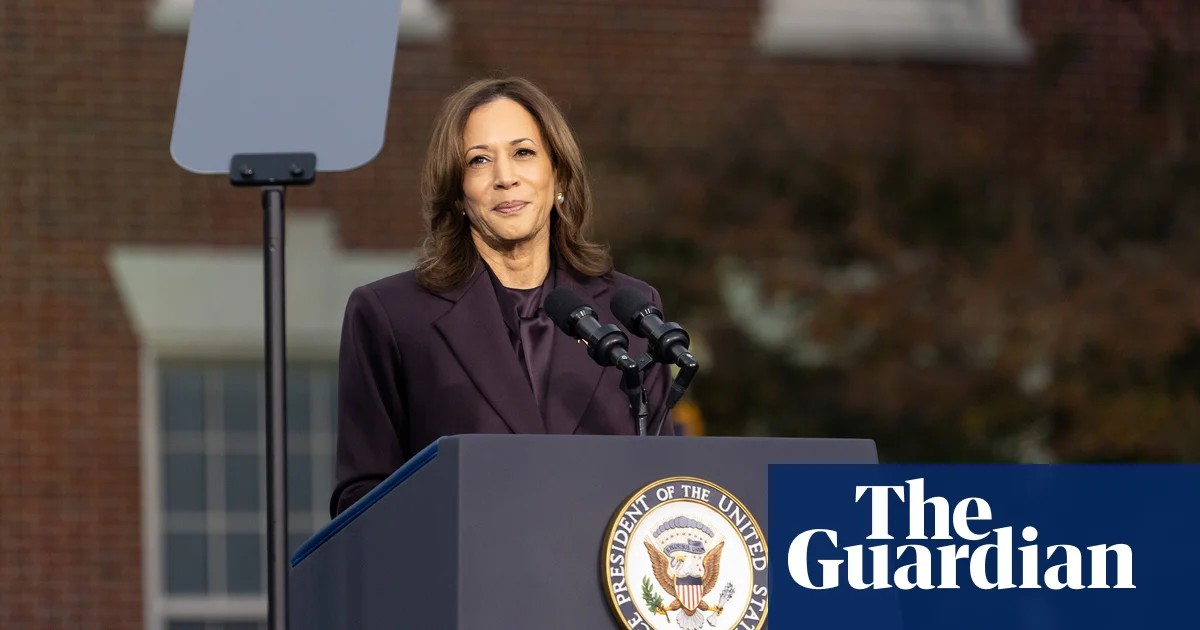
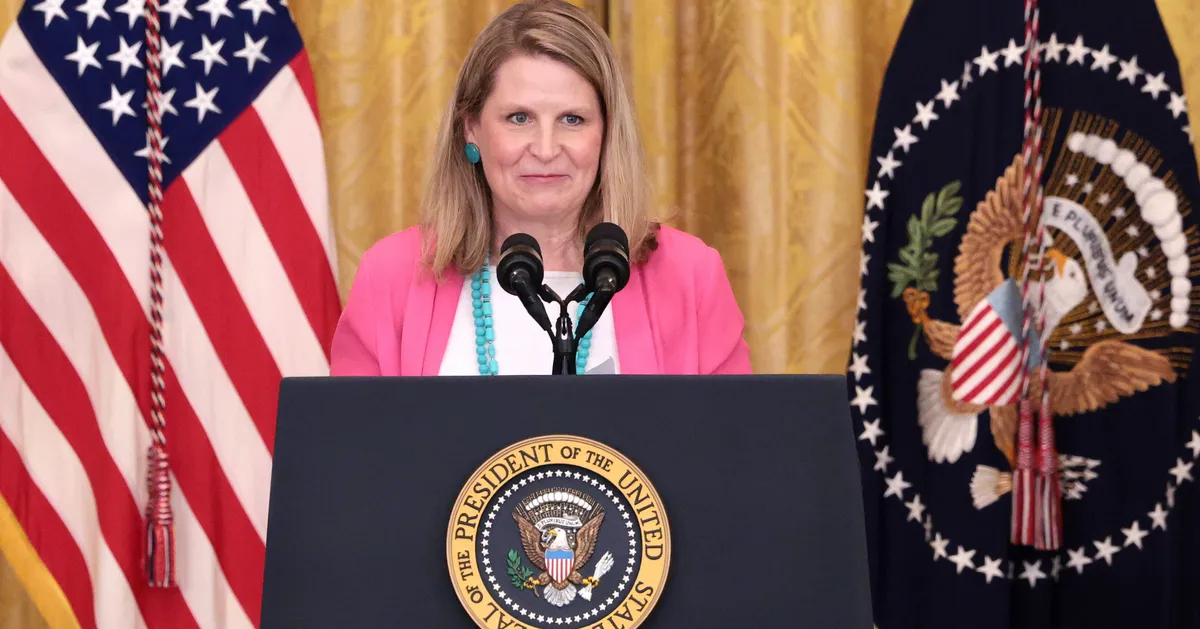
Kamala Harris's presidential campaign struggled to connect with low-income workers due to a perceived lack of listening, according to AFL-CIO president Liz Shuler. Despite strong union support, Harris's message did not resonate with economically insecure voters, many of whom favored Donald Trump. The AFL-CIO, representing over 12.5 million members, is preparing for challenges under a potential second Trump presidency, emphasizing the need for solidarity and continued organizing efforts.
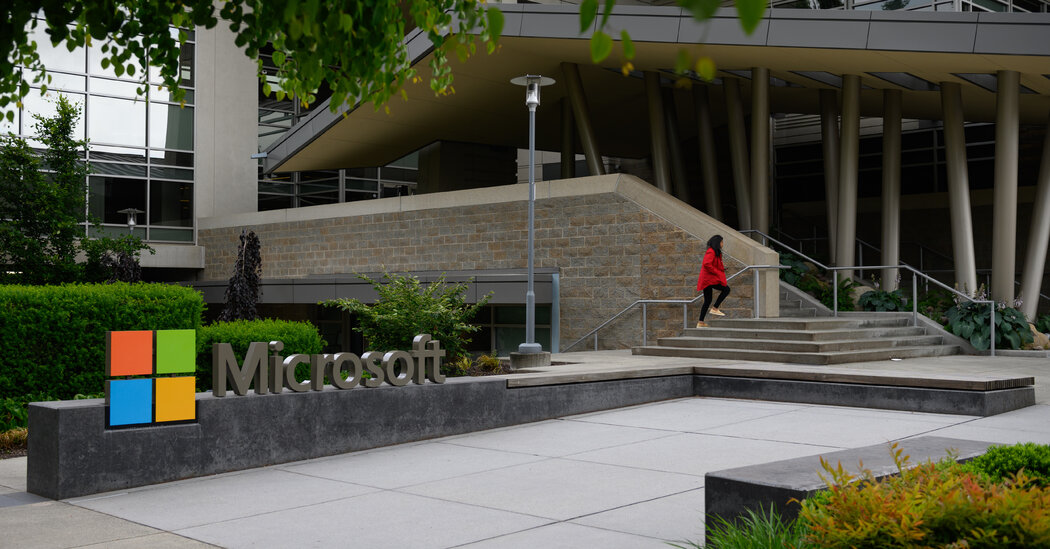
Microsoft has announced that it will remain neutral if any group of U.S.-based workers seeks to unionize, making it easier for roughly 100,000 workers to unionize. This unprecedented pledge in the tech industry expands on a previous neutrality agreement between Microsoft and the Communications Workers of America, allowing any group of Microsoft workers to negotiate their own neutrality agreements. Additionally, Microsoft and the A.F.L.-C.I.O. will collaborate on addressing issues related to artificial intelligence in the workplace, including worker concerns about job elimination. This partnership marks a historic commitment by a major tech company to labor rights.
Microsoft has reached an agreement with the AFL-CIO, allowing employees to unionize and initiating discussions on the use of artificial intelligence (AI) at the company. The partnership aims to ensure that AI benefits workers and includes information sharing, incorporating worker perspectives in AI development, and shaping public policy. This move follows Microsoft's previous labor neutrality agreement with the Communications Workers of America. The rise of AI has raised concerns about its impact on the workforce, with predictions of job displacement and the need for new job training.
Microsoft and the AFL-CIO union federation have reached a deal in which Microsoft will remain neutral in unionization efforts and collaborate with the union on the future of artificial intelligence (AI). The agreement provides clarity on how Microsoft will work with the AFL-CIO and its affiliates if employees or suppliers express interest in forming a union. This partnership marks a first-of-its-kind collaboration on AI and the workforce, as Microsoft aims to design AI with worker needs in mind and ensure workers have a voice in shaping the technology's direction.
The AFL-CIO and Microsoft have announced a new partnership focused on artificial intelligence (AI) and the future of the workforce. The partnership aims to educate workers on AI technology trends, incorporate worker perspectives in AI development, and shape public policy that supports workers' technology skills. Microsoft will provide AI education opportunities for workers and students, while labor leaders and workers will have a mechanism to provide direct feedback to Microsoft's AI developers. The partnership will also propose policies to equip workers with essential AI skills and advocate for funding for career and technical education. The goal is to ensure that AI enhances workers' jobs and centers their voices in the process.
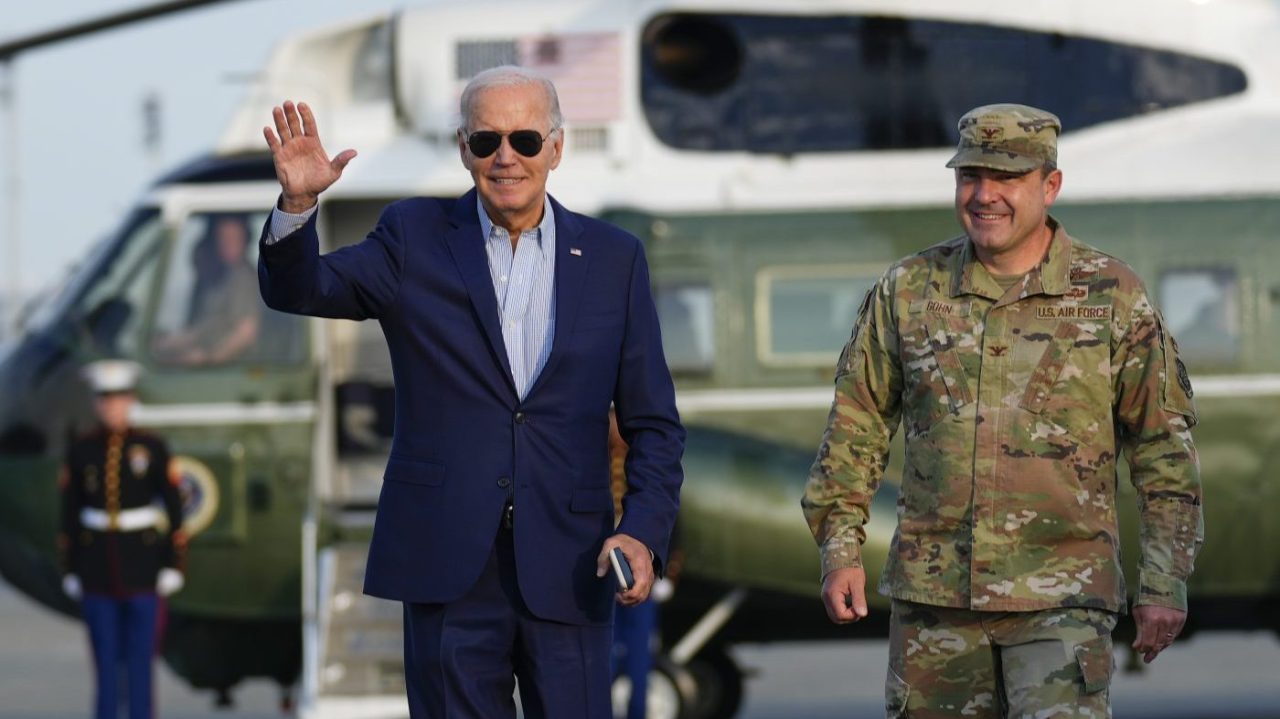
President Joe Biden clarified that his weekend trip to his Delaware beach house was not a vacation, but rather a necessity due to renovations being done at his main residence in Wilmington. Members of his administration have defended him against accusations of vacationing during important events. Biden left Delaware to speak at an AFL-CIO rally in Philadelphia before returning to the White House.
The AFL-CIO, the largest federation of labor unions in the US, endorsed President Joe Biden without making any demands in return, citing his pro-union record as sufficient reason for their support. AFL-CIO President Liz Shuler expressed confidence in Biden's commitment to workers and highlighted his efforts to create good union jobs through investments in clean energy, infrastructure, and new industries. While the AFL-CIO did not outline a specific plan to pass the PRO Act, a comprehensive labor law overhaul, Shuler emphasized the importance of keeping workers engaged and noted Biden's willingness to sign the bill if it reaches his desk.
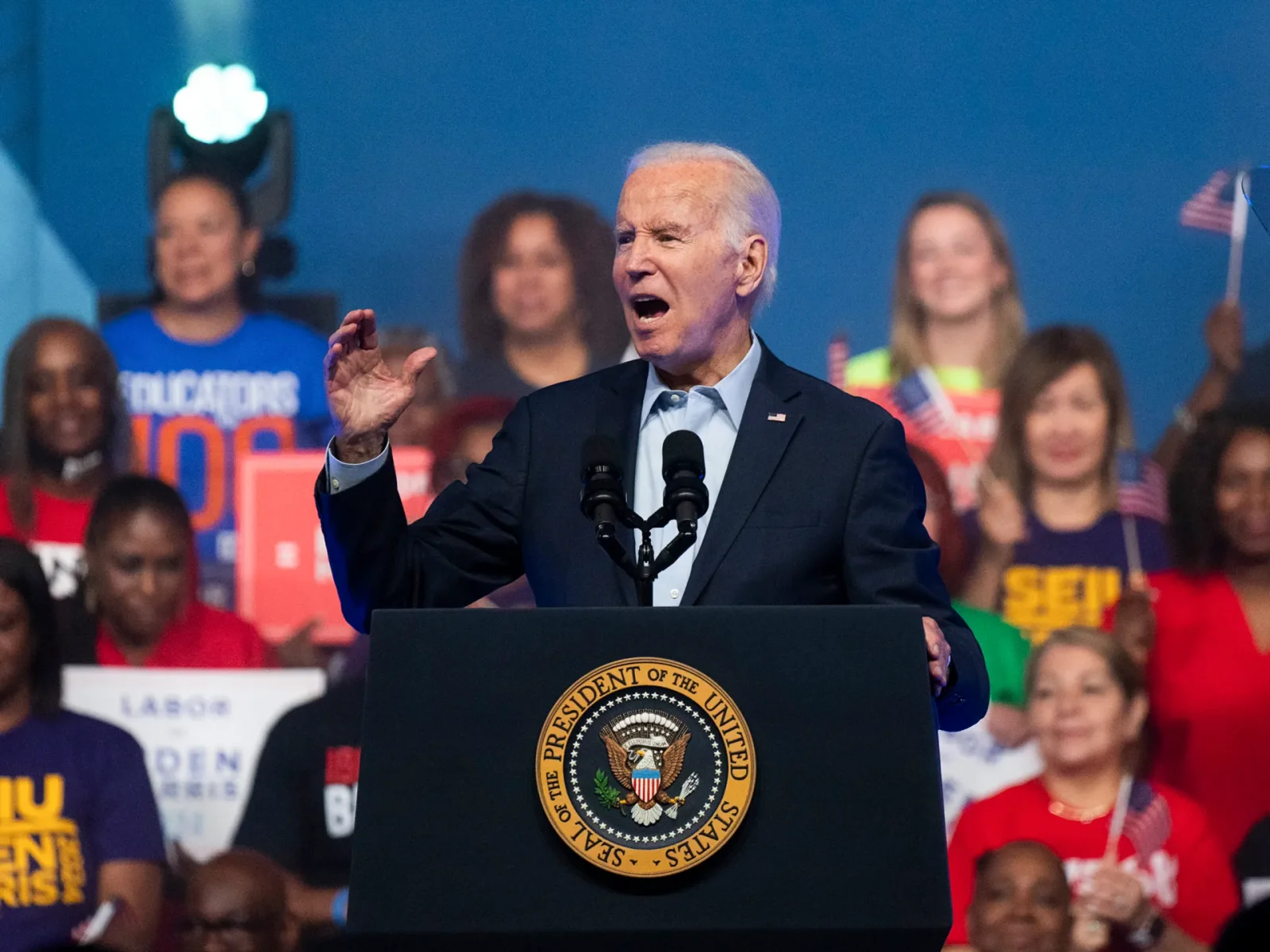
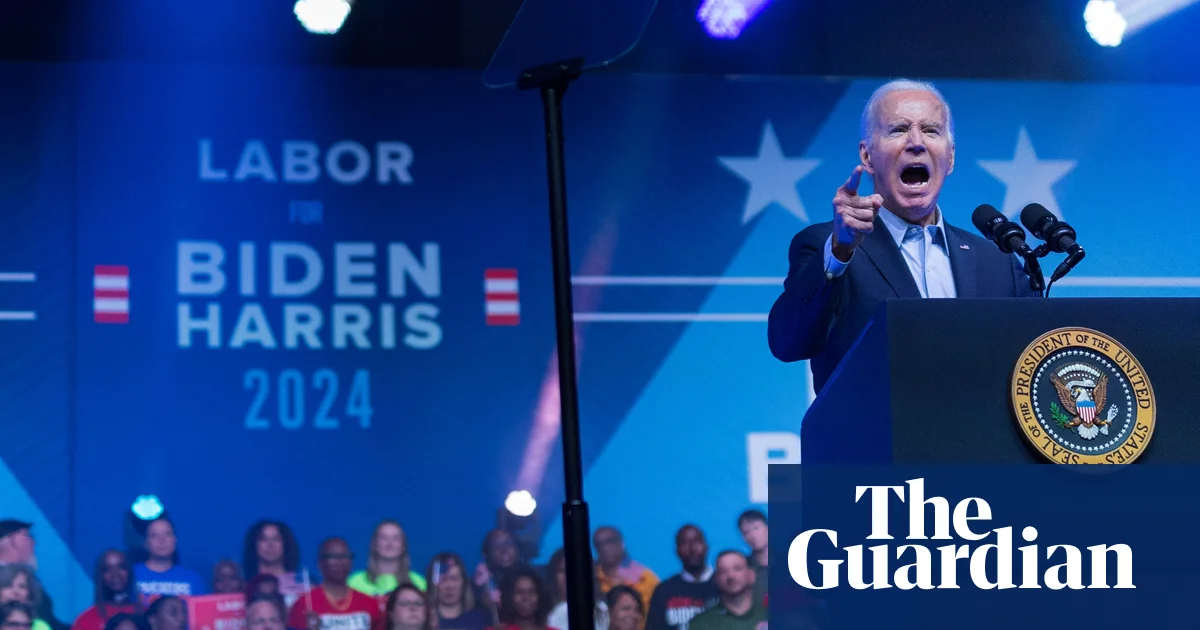
US President Joe Biden kicked off his 2024 re-election campaign with a rally in Philadelphia, hosted by the American Federation of Labor and Congress of Industrial Organizations (AFL-CIO), which represents over 12.5 million workers. Biden aimed to shore up support among white working-class voters and the labour movement, which has been a key part of his political coalition. The AFL-CIO endorsed Biden and Vice President Kamala Harris this week, the earliest it has ever made an endorsement in a US presidential election. Biden talked up his $1.2tn infrastructure package, which passed with bipartisan support in Congress.
President Joe Biden marked the first major event of his 2024 reelection campaign with a union rally in Philadelphia, where he highlighted his pro-union record and economic agenda. He announced an early endorsement from AFL-CIO and spoke about legislation enacted during his first term, including pandemic relief, climate, health and tax package, and the recent bipartisan debt ceiling deal. He renewed his call for tax reform and a minimum tax on billionaires, stressing his pledge that no one making less than $400,000 will pay more in federal income taxes.
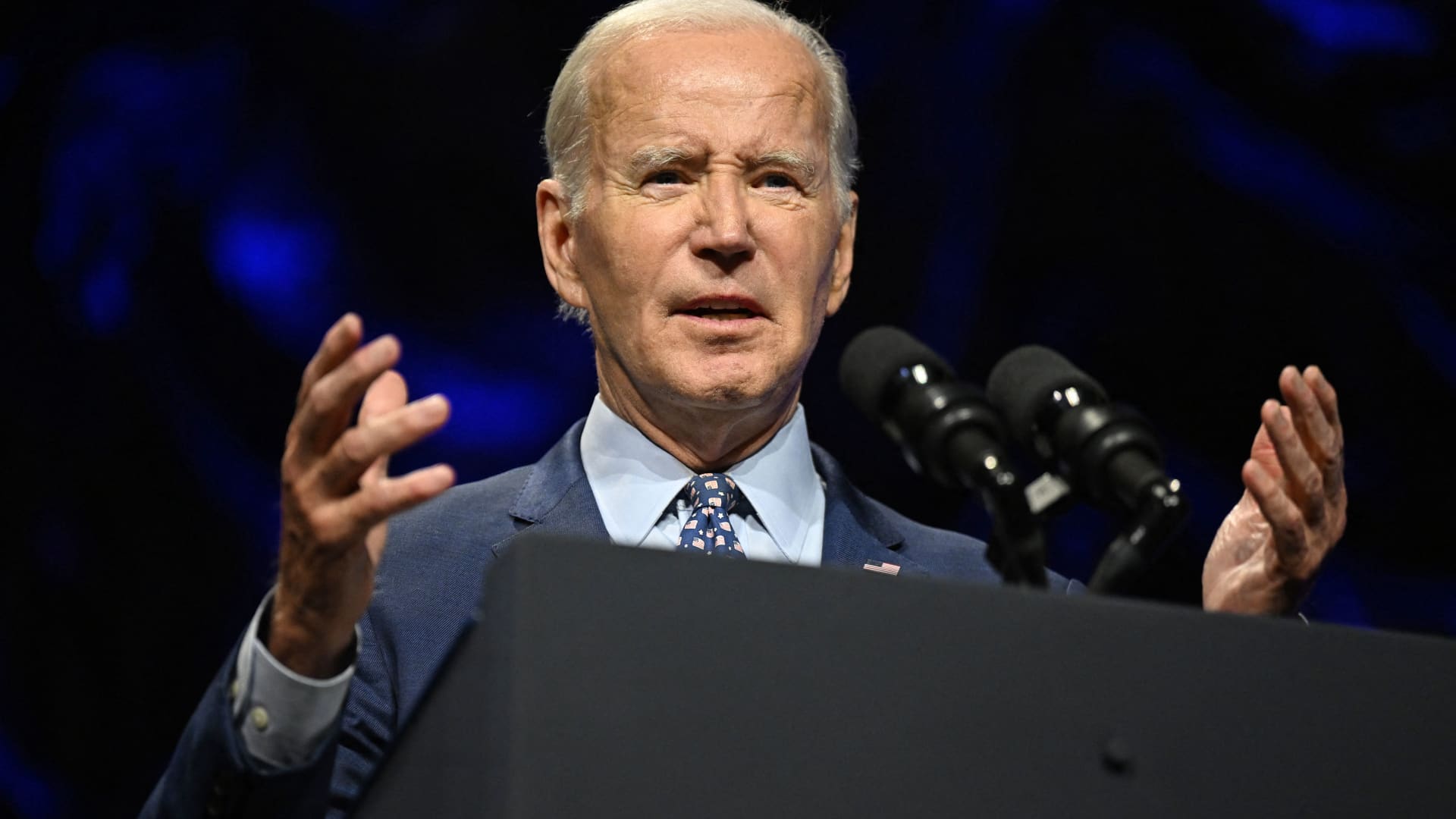
Joe Biden rallied with labor union supporters in Philadelphia, renewing his vocal support for labor unions and declaring himself the most pro-union president in history. He cited his efforts to oppose Republican legislative policies such as social security cuts and unfair tax codes and loopholes utilized by the largest corporations and the wealthy. Biden enlisted the support of union members in his re-election campaign to fight against Republican efforts to reinstate tax cuts for the wealthy and called for millionaires and billionaires to pay their fair share.
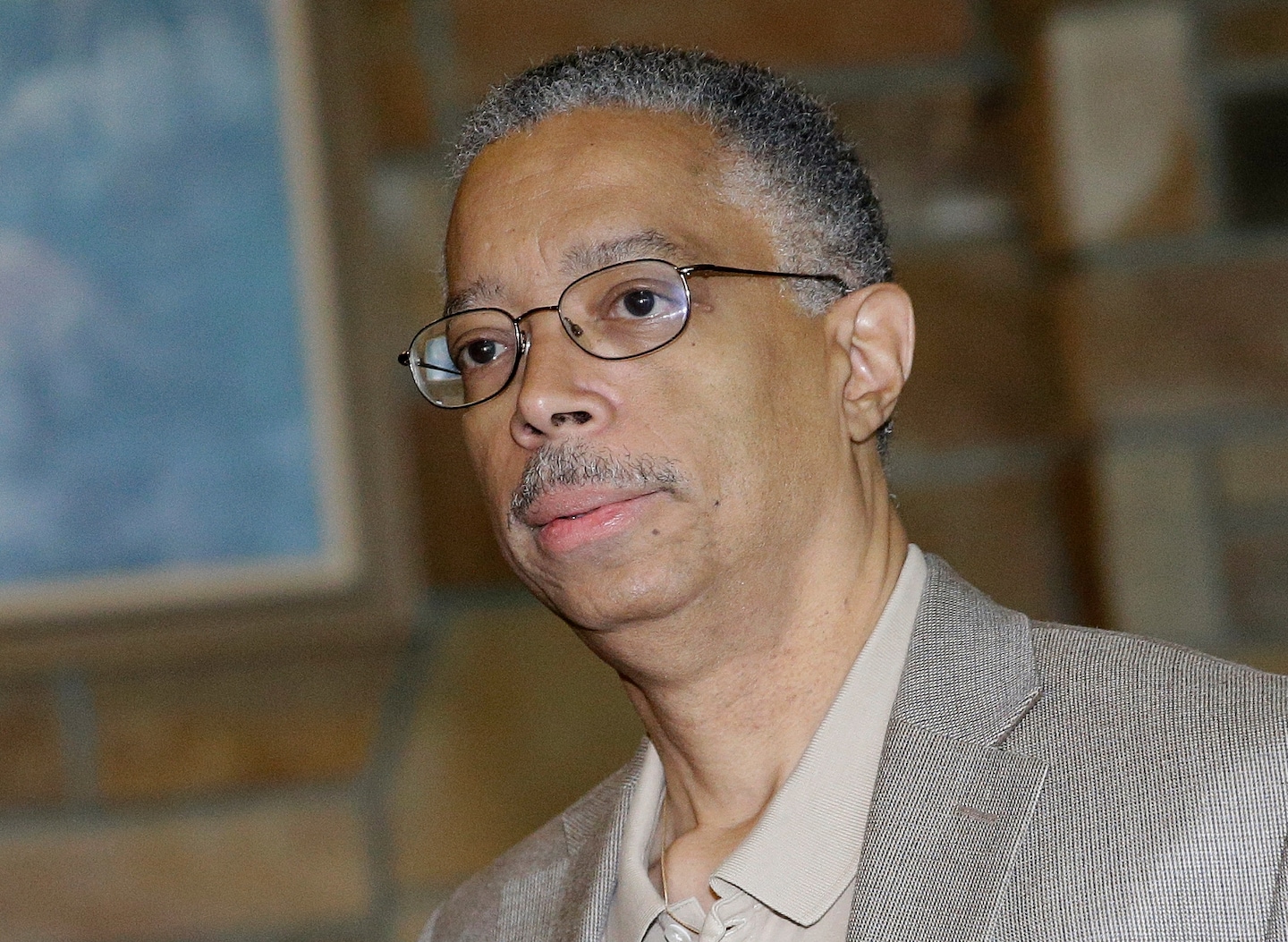
William E. Spriggs, an economist who fought for racial and economic justice, died at the age of 68. He was known for highlighting racial disparities in America's economy and challenging the basic assumptions of his peers. Spriggs conducted studies on the higher unemployment rate for Black workers and how the failure to raise the federal minimum wage has disproportionately hurt workers of color. He worked in the Clinton and Obama administrations and was the chief economist for the AFL-CIO labor federation. Spriggs was a committed political activist who bridged the economic establishment and the world of activism.
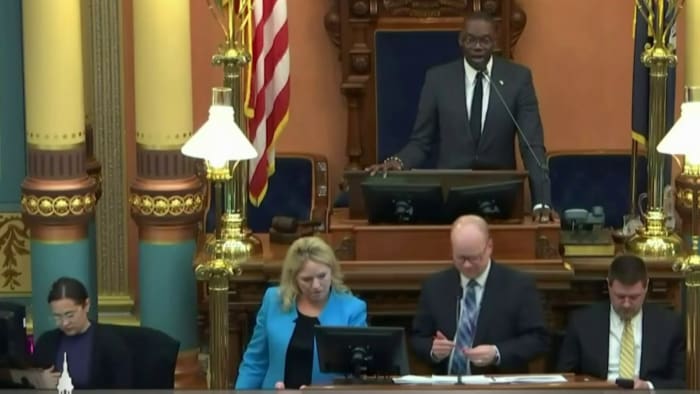
The Michigan Senate has voted to repeal the state's right-to-work law, which would require workers to join labor unions. The move has been celebrated by the AFL-CIO, Michigan's largest labor organization, and union workers who rallied at the State Capitol. However, not everyone supported the change, with some arguing that it could harm the state's economy. If signed into law, the repeal could help improve patient care by increasing the number of nurses at the bedside. Michigan would become the first state to repeal a right-to-work law in decades.