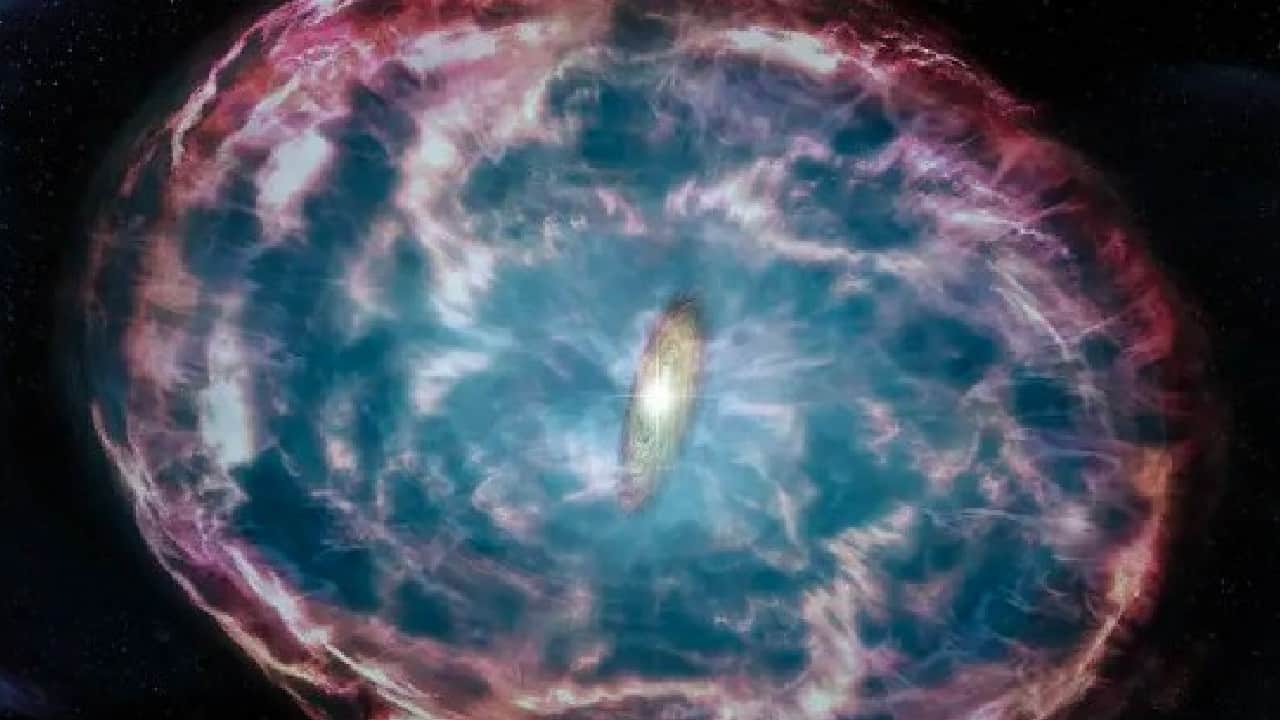
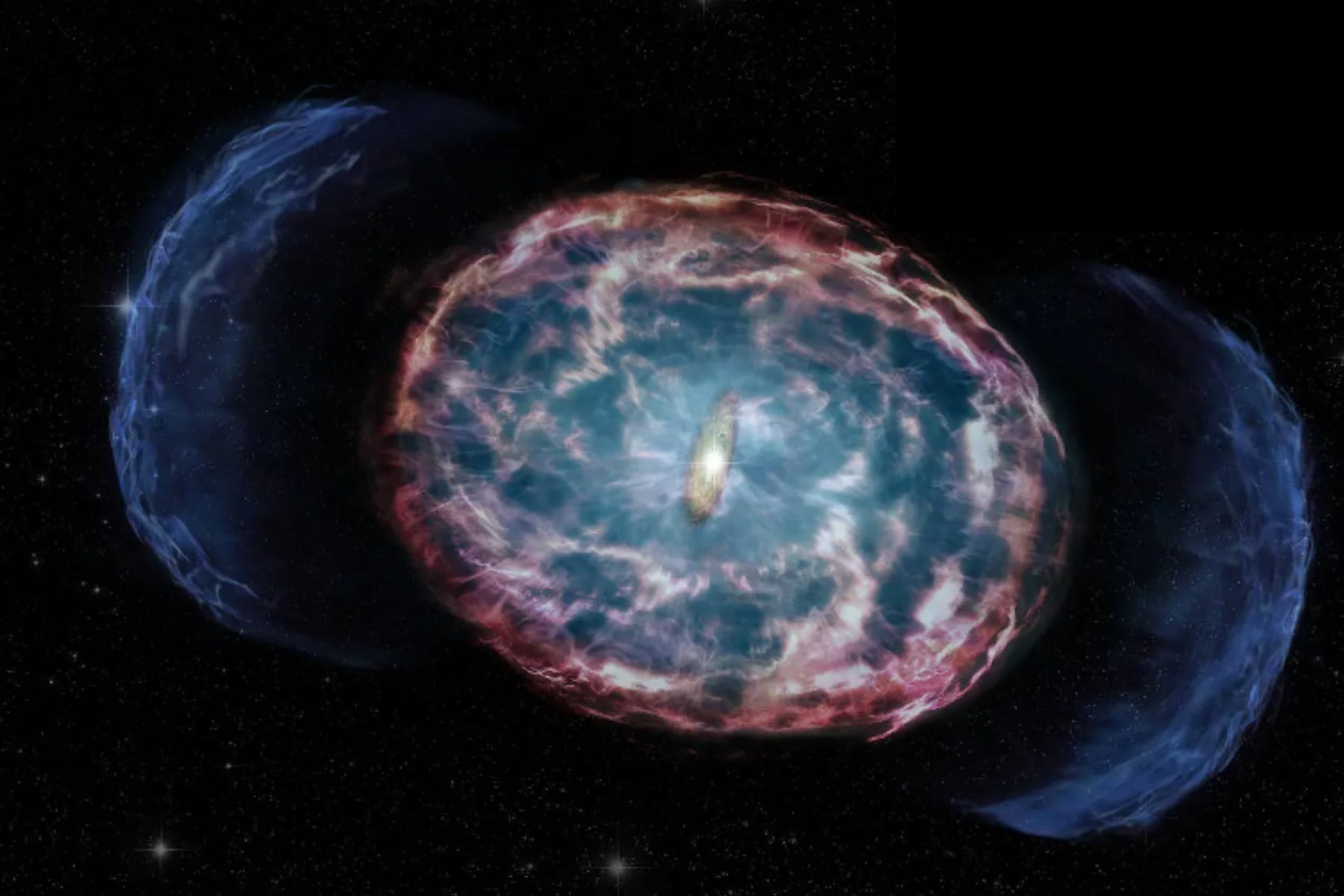
A recent study has revealed the potential catastrophic impact of kilonova explosions, cosmic events resulting from the collision of neutron stars or a neutron star with a black hole. These explosions, if occurring within a critical distance from Earth, could lead to devastating consequences such as ionizing the atmosphere or vaporizing it, leaving the planet barren and devoid of oxygen. While the immediate threat remains low, the research underscores the unpredictability and potential hazards of the universe, emphasizing the need for continued observation and understanding of these phenomena to develop strategies for mitigating their impact.
Scientists have calculated that being too close to a kilonova, a massive explosion resulting from the collision of two neutron stars, could be catastrophic for a planet like Earth due to the release of high-energy electromagnetic radiation and cosmic rays. The study, published in The Astrophysical Journal, suggests that Earth would have to be within 3 light-years of a kilonova to be affected by X-ray afterglow and within 13 light-years for gamma rays to have a catastrophic impact. However, the likelihood of a kilonova occurring within these distances from Earth is very low, and the authors conclude that such events are probably not significant threats to life on Earth.
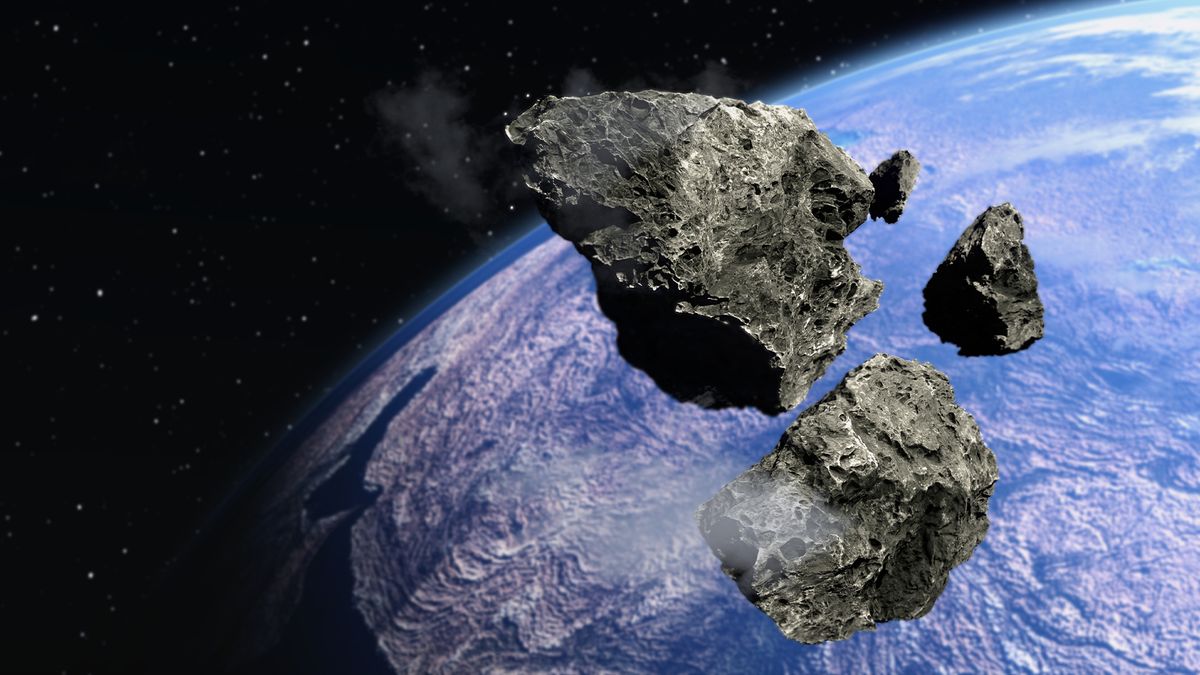
NASA's Center for Near Earth Object Studies (CNEOS) has identified the five most dangerous asteroids that pose a risk to Earth. The top five include Bennu, 29075 (1950 DA), 2023 TL4, 2007 FT3, and 1979 XB. These asteroids have varying probabilities of impacting Earth in the future, with Bennu being the most concerning. While the risk of a catastrophic impact is low, NASA continues to monitor and study these asteroids to ensure Earth's safety.