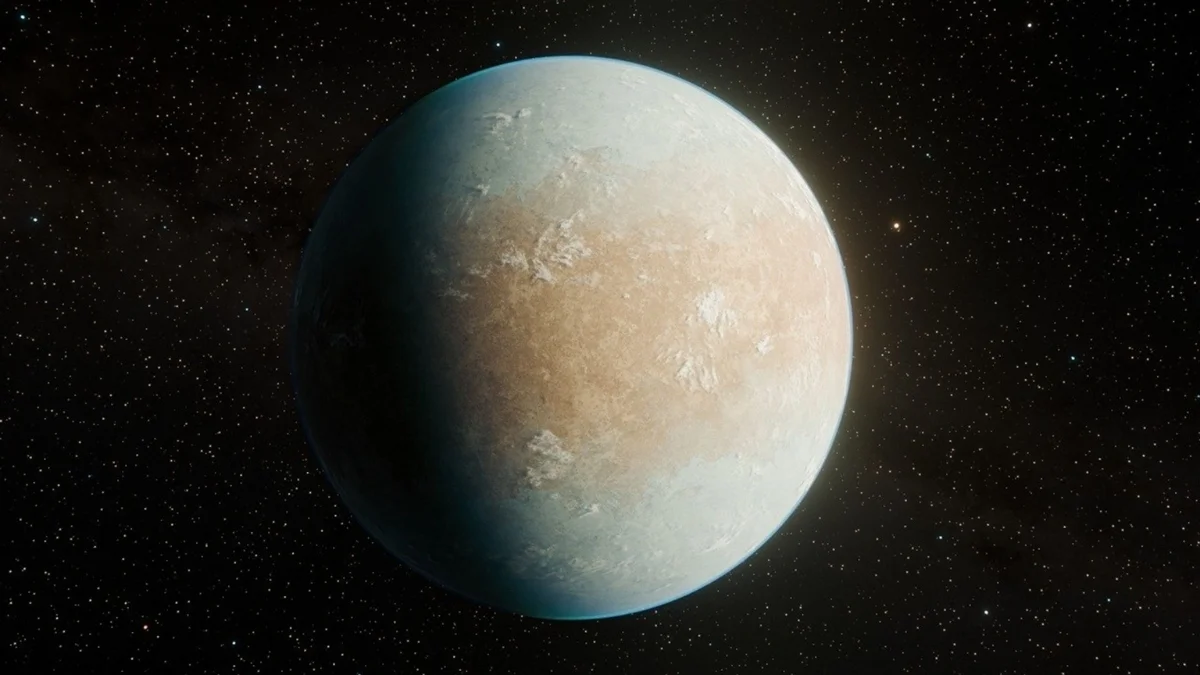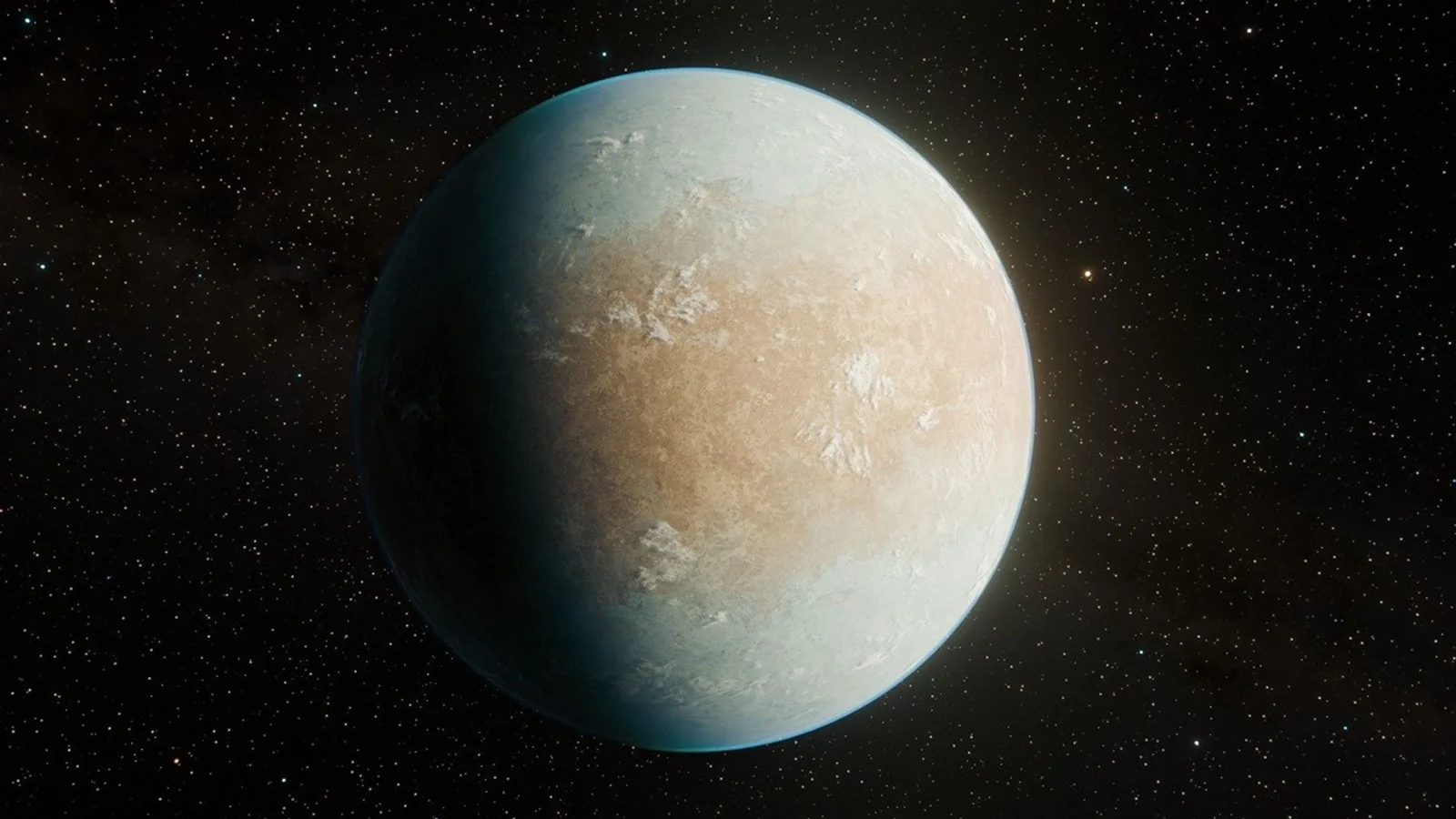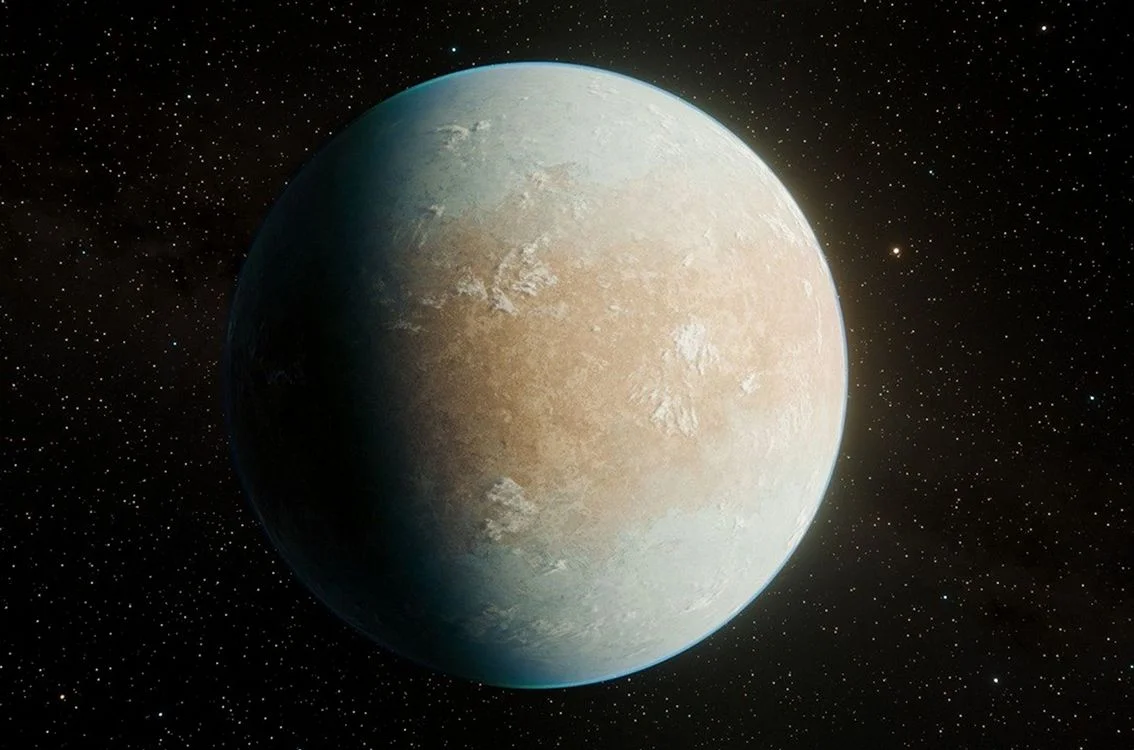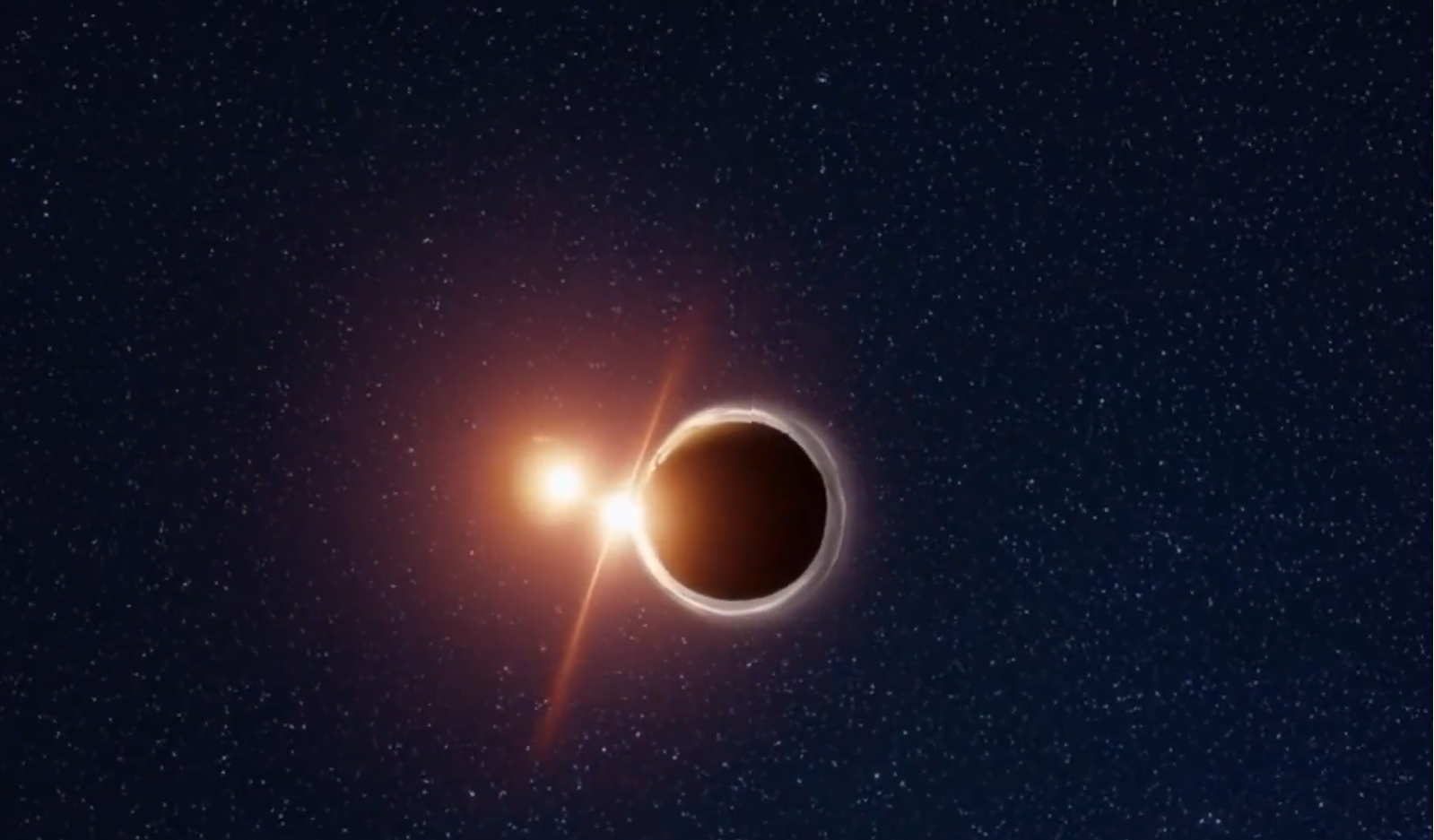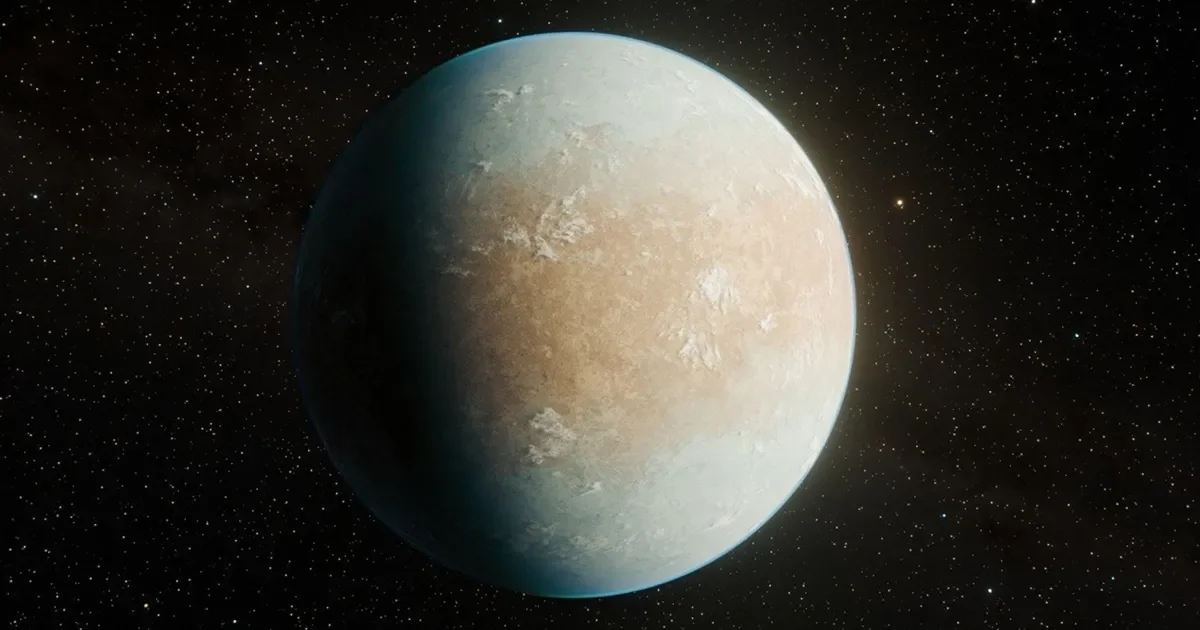
A team from the Chinese Academy of Sciences used advanced pixel-level modeling to determine that the dimming signals from KOI-1755, previously thought to indicate a planet, are actually caused by an eclipsing binary star system, highlighting the importance of refined analysis techniques in exoplanet detection.
Bungie's upcoming Destiny 2 expansion, featuring the Kepler zone and Portal system, faces criticism for underwhelming design, lack of new content, and questionable gameplay mechanics, raising concerns about its appeal and effectiveness in revitalizing the game.
Destiny 2's upcoming expansion, The Edge of Fate, introduces new mechanics inspired by Metroidvania games, including environmental puzzles and traversal abilities, along with a revamped UI and new features like a shooting range, aiming to re-engage lapsed players and invigorate the game's long lifespan.
Researchers have found that the potential exomoons orbiting the exoplanets Kepler-1625b and Kepler-1708b are unlikely to be real. Detecting exomoons is extremely challenging due to their small size and distance from Earth. The analysis of millions of artificial light curves revealed that moonless scenarios better matched the observed data than exomoon scenarios. The difference in limb darkening between the Kepler and Hubble telescopes also played a role in the false positive signals. The study highlights the difficulty in detecting exomoons and suggests that only massive moons on wide orbits are likely to be detectable. Future missions like PLATO may provide more insights into exomoon discoveries.
NASA's Transiting Exoplanet Survey Satellite (TESS) has potentially discovered eight new exoplanets, all of which are classified as "super-Earths." TESS uses a statistical method to analyze its data and identify anomalies that could indicate the presence of exoplanets. The Validation of Transiting Exoplanets using Statistical Tools (VaTEST) project helped confirm that these transiting events were caused by orbiting exoplanets. Six of the newly discovered exoplanets fall into the "keystone planets" category, which could provide valuable insights into the overall exoplanet population. While these super-Earths are unlikely to be habitable due to their close proximity to their host stars, further study of them could help scientists understand the radius valley concept and the potential for life on other exoplanets.
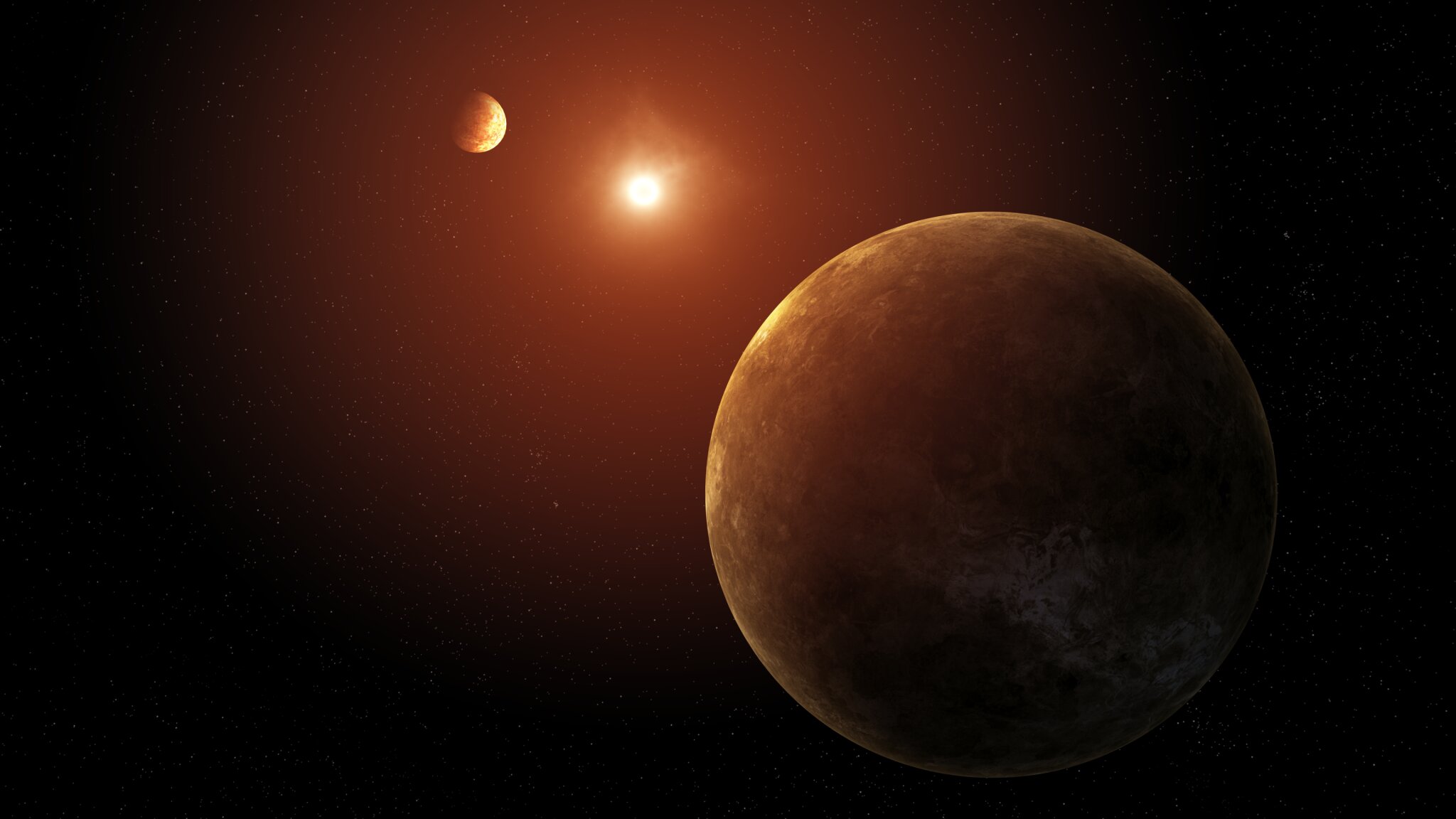
NASA's Kepler space telescope has revealed a scorching seven-planet system called Kepler-385, where each planet receives more radiant heat from its host star per area than any planet in our solar system. This system is one of the few known to contain more than six verified planets or planet candidates. The new Kepler catalog includes almost 4,400 planet candidates, providing accurate information about each system and enabling astronomers to learn more about their characteristics. The catalog uses improved measurements of stellar properties and reveals that stars hosting multiple transiting planets typically have more circular orbits.
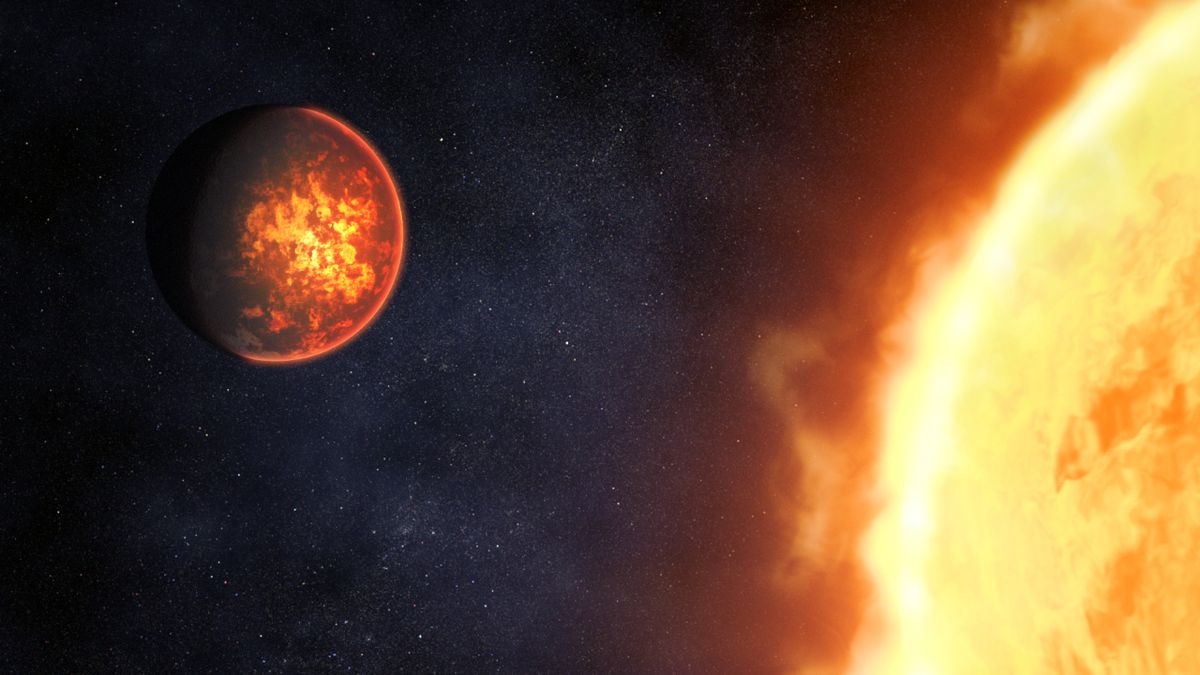
Astronomers have found a way to use the rings of dust surrounding stars where planets should be to understand some of the most mysterious and hard to detect planets in the universe. These rings of dust are actually rocky planets in the process of being obliterated due to their proximity to their parent star. The team of researchers released a paper detailing simulations of how this process could unfold and found that these small worlds are caught between two extremes. Additionally, the debris trails can give us important clues as to rocky planetary formation. Follow-up observations with the James Webb Space telescope are advocated to study these systems in detail to understand what these rocky planets were made of.