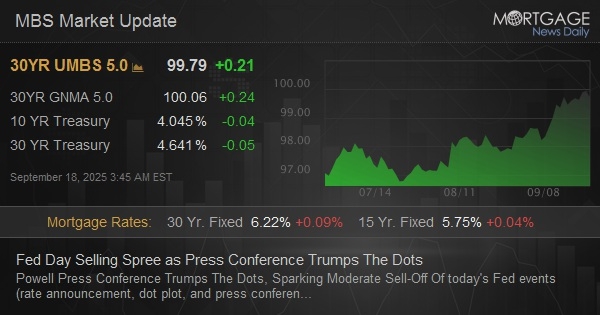
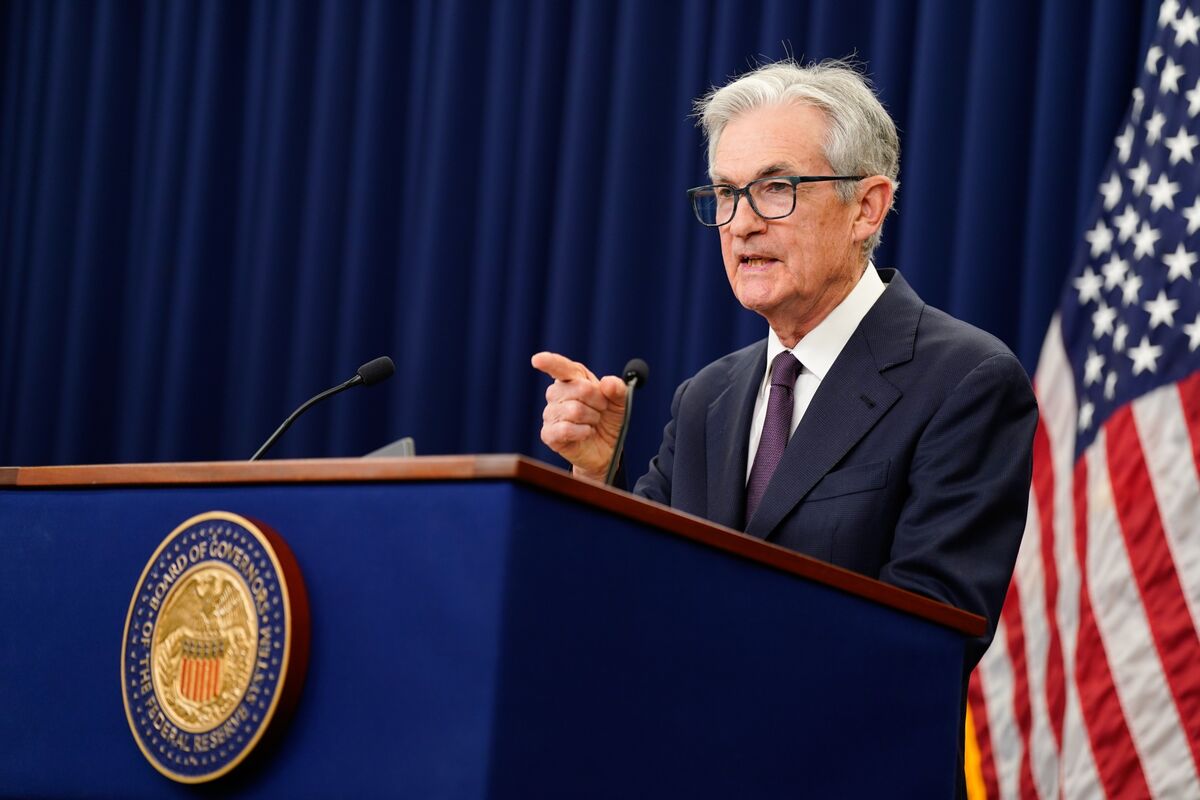
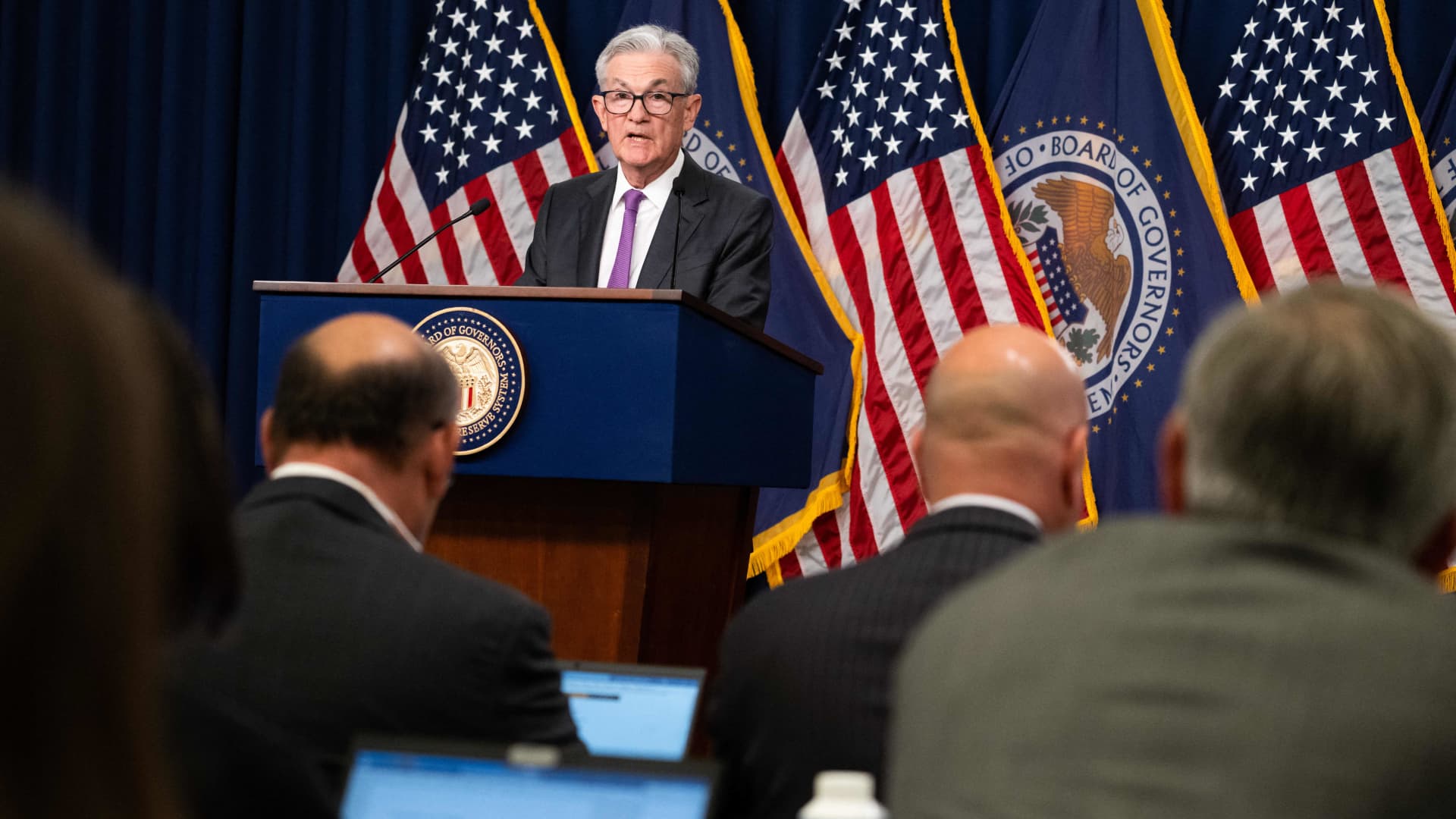
The Federal Reserve's rate decision and dot plot caused a short-term rally in bonds, but Powell's comments during the press conference signaled a cautious approach, leading to a quick reversal in market sentiment and a rise in yields, with the market digesting incoming economic data.
The dot plot is a quarterly scatter chart used by the Federal Reserve to project future interest rates, reflecting the views of FOMC members on the appropriate federal funds rate over the coming years. While it provides insight into policymakers' expectations and can influence market perceptions, it is not an official consensus forecast and lacks transparency about individual contributions, leading to mixed opinions among Fed leaders and critics.
The Federal Reserve's interest rate projections, known as the dot plot, have historically been inaccurate when predicting rates beyond a three-month period, according to an analysis by Glenmede Investment Management. The dot plot has been most accurate in predicting rates for the same year but less reliable for the following year and significantly off when looking two years ahead. The market reacted to the Fed's dovish policy update with a drop in Treasury yields and a surge in stock indexes. However, experts caution that there are still uncertainties and potential disruptions that could impact interest rates, such as oil prices. The market may be pricing in more rate cuts than the Fed is indicating, and the future path of interest rates remains uncertain.
The Federal Reserve's upcoming meeting is expected to focus on the central bank's future plans rather than immediate policy changes. It is highly unlikely that the Fed will raise its benchmark borrowing rate at this meeting. However, the meeting will provide updates on key indicators such as interest rates, GDP, inflation, and unemployment. Market participants will closely watch the dot plot, which reveals individual members' rate expectations, for any shifts in sentiment. The Fed's Summary of Economic Projections (SEP) is also anticipated to show an upgrade in GDP growth projections for this year, along with reductions in inflation and unemployment outlooks. Potential tweaks in the post-meeting statement and Chairman Jerome Powell's press conference could provide further insights into the Fed's stance on future rate hikes.
Analysts are bullish on gold, forecasting it to rise above $2,000 an ounce on a sustained basis despite the Federal Reserve's hawkish warning of two more rate hikes. Some analysts have criticized the Fed's dot plot projections, noting that these assumptions are often unreliable. As more data confirms a slowdown in the U.S. economy, it will become clearer that the Fed can't afford to raise rates further, and gold will resume its rally. The levels gold investors need to watch on the downside are $1,935, $1,900, and $1,890 an ounce.
The Federal Reserve's "Dot Plot," which outlines where Fed officials think interest rates will be at the end of the year and each of the next two, will be closely watched by investors after the central bank's policy decision is released on Wednesday. The Fed is expected to pause rate hikes, but a resilient US economy suggests higher interest rates will be needed later this year to continue bringing down inflation. Fed Chair Jerome Powell will stress that the path of monetary policy will be dependent on incoming labor market and inflation data.
The stock market is still betting against the Federal Reserve's interest rate projections, with markets pricing in a lower rate than what the Fed has indicated in its "dot plot." The majority of Fed members predict rates will end 2023 at 5% to 5.25%, but the market is only pricing in an 11.7% probability of that happening. Some investment strategists warn that this disconnect between market expectations and the Fed's policy could lead to volatility and weakness in the market.