A recent study finds a significant rise in severe diverticulitis cases among Americans under 50 over the past two decades, with unclear causes but potential links to lifestyle and dietary factors, highlighting the need for further research.
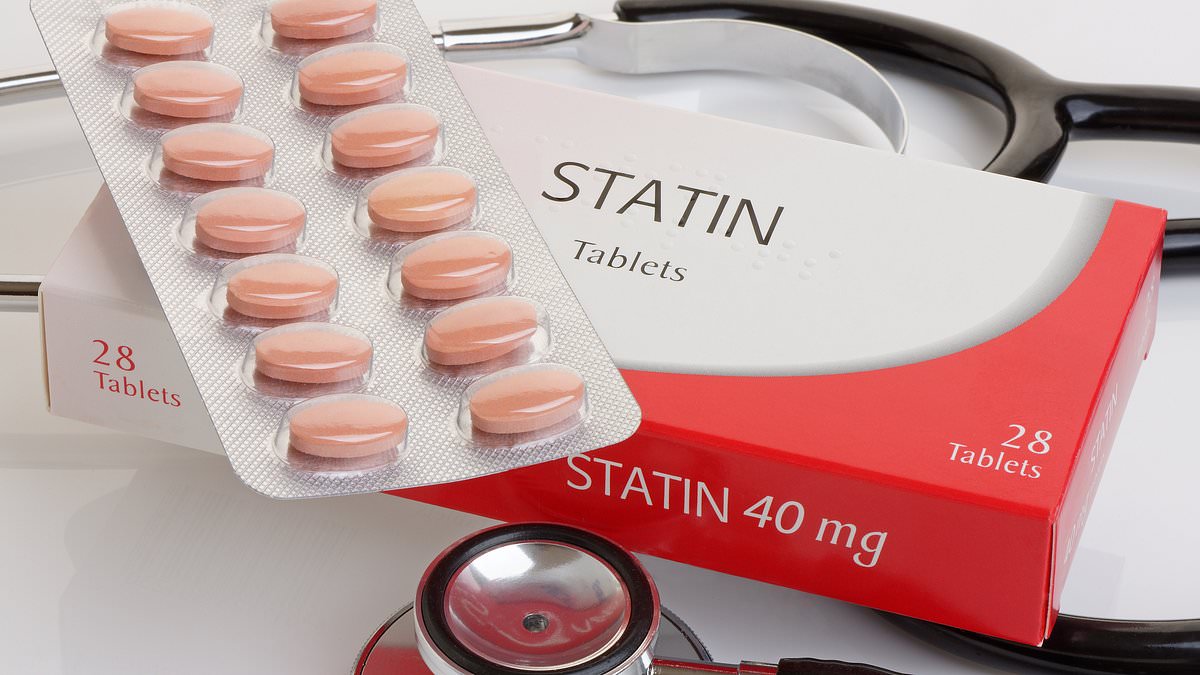
Statins and blood pressure medication are crucial for reducing the risk of heart disease, but in rare cases, they can cause kidney problems. Chronic kidney disease can also be caused by high blood pressure and diverticulitis can cause on-and-off pain in the lower abdomen. Managing chronic pain with medication shortages can be frustrating, but exploring alternative treatments such as anti-inflammatories and nerve painkillers may help. Increasing fiber intake, staying hydrated, and exercising can help manage diverticulitis symptoms. Additionally, the UK Global Health Insurance Card offers similar benefits to the European Health Insurance Card for UK citizens traveling in the EU and some other countries.
Nonsteroidal anti-inflammatory drugs (NSAIDs), such as ibuprofen, can be potentially detrimental to one's health in various ways, including stomach upset, ulcers, increased blood pressure, kidney failure, and an increased risk of heart attack and heart failure. However, the risk of these adverse effects is generally small for otherwise healthy individuals, and the benefits of NSAIDs in reducing pain outweigh the risks. Regarding diverticulosis, it is now believed that eating seeds and nuts does not cause inflammation or blockage of the diverticula, and in fact, research suggests that consuming nuts and seeds may decrease the risk of diverticulitis attacks. Other factors that reduce the risk of diverticulitis include regular exercise, high fiber intake, limited red meat consumption, and avoiding smoking and heavy alcohol use.
Pain in the lower left abdomen can be caused by various reasons such as constipation, ovulation, diverticulitis, endometriosis, ovarian cyst, and even colon cancer. While some of these causes are not serious and can be treated with medication, others require surgery. It is important to look out for red flag symptoms such as rectal bleeding, abnormal weight loss, a change in bowel habits, or worsening pain and seek medical attention if necessary.
Diverticulitis, an intestinal disease, can cause fatigue due to infection, inflammation, or sleep disruption. Nutritional deficiencies such as anemia, dehydration, medication side effects, or surgery can also contribute to fatigue. The duration of fatigue after successful treatment is unknown, but self-care can help the body recover. Seek medical help if fatigue is severe or persistent.
Diverticulitis can cause fatigue due to infection, inflammation, or sleep disruption. Nutritional deficiencies such as anemia, dehydration, medication side effects, or surgery can also contribute to fatigue. The duration of fatigue after treatment is unknown, but self-care can help the body recover. It is important to inform healthcare providers of any new or worsening symptoms.
Diverticulitis, a condition that causes pouches in the colon, can be treated at home with self-care under the guidance of a healthcare provider. A liquid or low-fiber diet is usually recommended for a few days, and Tylenol can be used for pain relief. Exercise, vitamin D, and probiotics may also be helpful, but it's important to talk with a healthcare provider about making lifestyle changes to avoid flare-ups of diverticulitis. Seek care right away for severe abdominal pain, bleeding, and fainting or dizziness.
Diverticulitis, a condition that causes pouches in the colon, can be treated at home with self-care under the guidance of a healthcare provider. A liquid or low-fiber diet is recommended for a few days, and Tylenol can be used for pain relief. Exercise, vitamin D, and probiotics may also be helpful. It's important to seek professional care if symptoms worsen or don't improve after treatment.
Diverticulitis is a digestive system condition that causes inflammation in the lining of the large intestine, resulting in symptoms such as severe stomach pain, fever, diarrhea, constipation, and nausea. While the condition can have serious complications, they are rare. It is important to visit a healthcare provider for proper diagnosis and treatment if experiencing symptoms or noticing changes in overall health and well-being. Diverticulitis is most likely to be found in people over the age of 40, and the risk increases with age.
Diverticulitis is a common condition that doesn't affect the life expectancy of most people. However, complications from diverticulitis can be fatal, especially in older people, men, and those who have recently had diverticulitis. Diverticulitis is usually treated at home, but hospitalization may be necessary for those with complications. People can lower their risk of diverticular disease by following a "lower risk" lifestyle, including eating a high-fiber diet, getting regular exercise, and maintaining a healthy BMI.
Certain medications such as steroids, opioids, calcium channel blockers, NSAIDs, aspirin, anticoagulants, and antithrombotics can increase the risk of bleeding and perforations in the intestine during a flare-up of diverticulitis. Antibiotics and tricyclic antidepressants may be prescribed for complicated cases, while pain management can be achieved through acetaminophen and a low-fiber or liquid diet. Lifestyle changes, including a healthy diet and exercise, may reduce the likelihood of diverticulitis.
A colonoscopy is a useful tool for diagnosing diverticular disease, which is the most common condition found during a colonoscopy. Diverticula are small outpouchings in the lining of the colon that usually do not cause any problems, but if they become inflamed, known as diverticulitis, they may cause symptoms such as pain. A colonoscopy may not be completed because of poor prep or other reasons, like narrowed areas of the colon, making it difficult for the scope to pass through and, therefore, preventing those areas from being seen. A follow-up colonoscopy might be recommended after uncomplicated diverticulitis. Lifestyle changes might be recommended for diverticular disease that’s not causing any symptoms, including eating a high-fiber diet, eating less meat, getting regular exercise, and stopping smoking.
A colonoscopy is a useful tool for diagnosing diverticular disease, which is the most common condition found during a colonoscopy. Diverticula are small outpouchings in the lining of the colon that usually do not cause any problems, but if they become inflamed, known as diverticulitis, they may cause symptoms such as pain. A colonoscopy may not be completed because of poor prep or other reasons, like narrowed areas of the colon, making it difficult for the scope to pass through and, therefore, preventing those areas from being seen. A follow-up colonoscopy might be recommended after uncomplicated diverticulitis. Lifestyle changes might be recommended for diverticular disease that’s not causing any symptoms, including eating a high-fiber diet, eating less meat, getting regular exercise, and stopping smoking.
A colonoscopy can reveal diverticular disease, a condition where small outpouchings in the colon lining become inflamed and cause symptoms such as pain. A colonoscopy is not recommended during diverticulitis but may be done several weeks later after the condition is under control. Diverticular disease can also be diagnosed with a CT scan. Follow-up colonoscopies may be recommended after uncomplicated diverticulitis, and healthy habits such as a high-fiber diet and regular exercise can help prevent flare-ups. Symptoms of diverticulitis should be checked by a healthcare provider.
Pope Francis has been hospitalized in Rome after experiencing breathing difficulties. The Vatican initially claimed the visit was for a previously scheduled check-up, but later confirmed that the Pope is suffering from a respiratory infection and will remain in the hospital for a few days. The Pope has a history of diverticulitis, a condition that can infect or inflame the colon, and underwent surgery for it in 2021. He is due to celebrate Palm Sunday Mass this weekend.