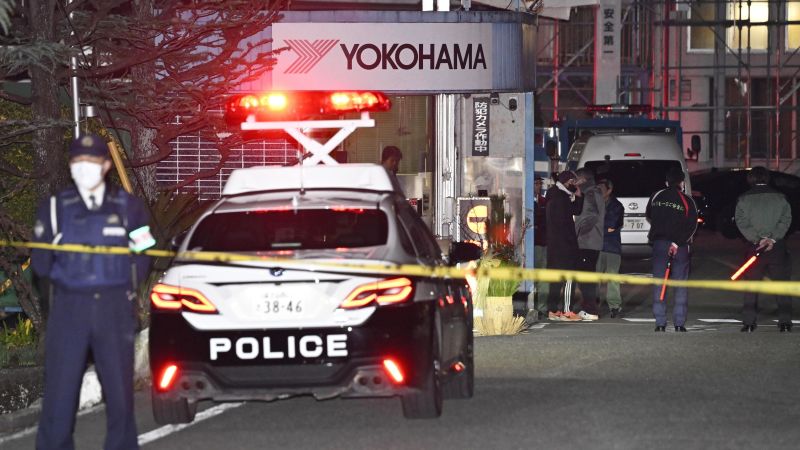
A satirical OutKick piece recounts Tyrann Mathieu’s claimed extreme bid to beat an LSU drug test, including drinking bleach and other desperate ideas, framed as an entertainment story rather than a strict news report.
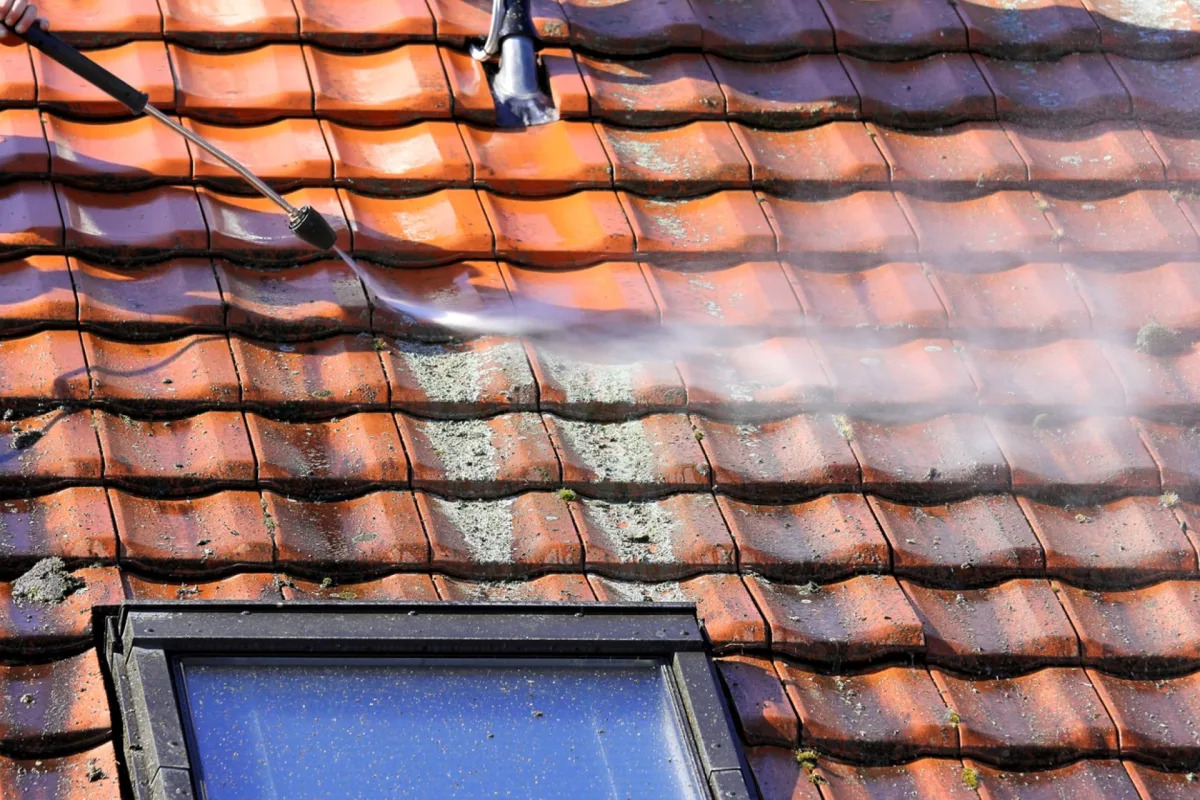
A homeowner was shocked to discover their HOA's contractors spraying bleach on their roof without prior notice or communication. Bleach is an ineffective and damaging choice for roof cleaning, as it doesn't penetrate roofing materials, doesn't work well against algae and moss, and poses risks to residents and the environment. This incident highlights the lack of consideration for health and environmental impacts by some HOAs, with previous instances including spraying herbicide on children's toys and ignoring spilled gasoline. Commenters expressed concerns about the runoff and criticized the HOA for poor communication.
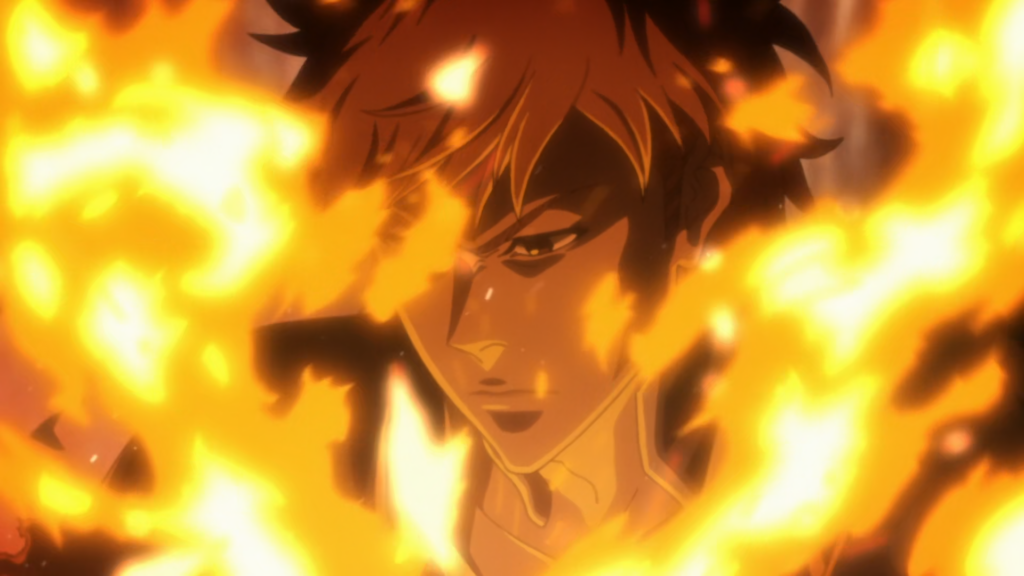
The anime adaptation of BLEACH: Thousand-Year Blood War (TYBW) Part 3 -The Conflict- is set to release in 2024, as announced alongside the finale of Part 2. Studio Pierrot, known for producing the original BLEACH anime, has released the first trailer and key visual for the upcoming installment. The story follows the sudden disappearance of residents in the Soul Society and the looming threat faced by Ichigo and his friends in Karakura Town. BLEACH: TYBW Part 3 has garnered significant popularity, consistently ranking high in anime rankings.
While bacteria can evolve resistance to antibiotics, they do not develop resistance to bleach due to its indiscriminate destruction of cells. Antibiotics target specific systems, allowing bacteria to find ways around them, whereas bleach chemically dismantles any protein or lipid structures in cells, making it highly effective for disinfection. However, its indiscriminate nature also makes it harmful to human cells and unsuitable for treating infections.
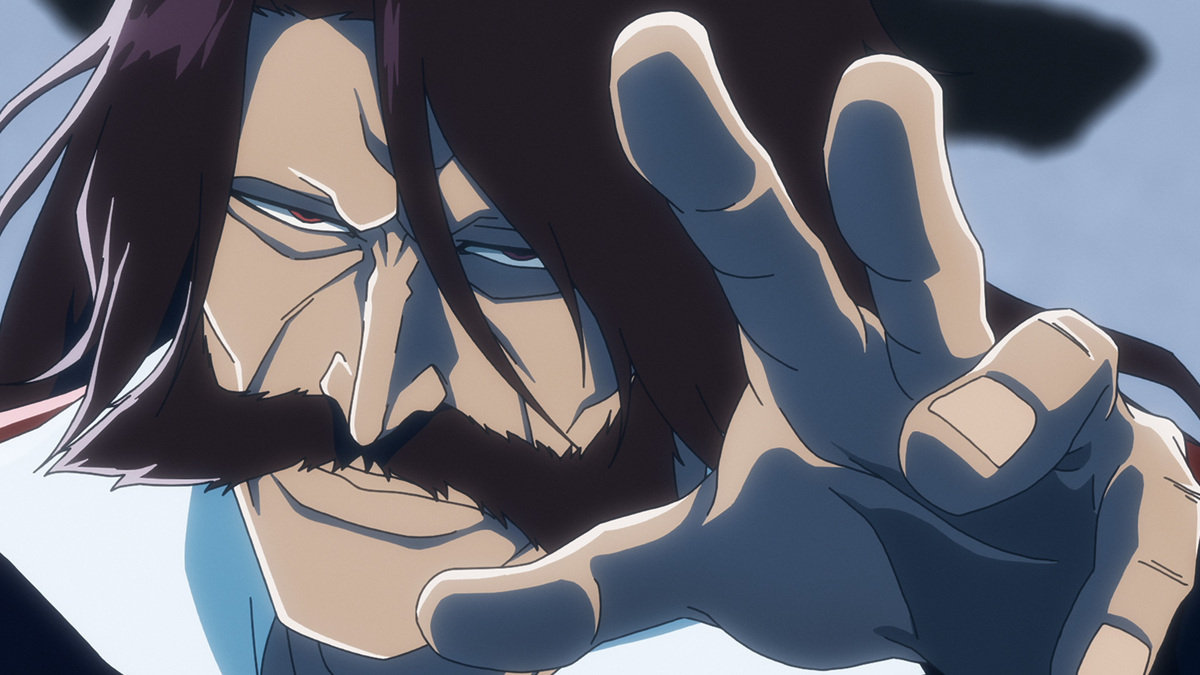
BLEACH: Thousand-Year Blood War 2 (TYBW) TV anime has released a new trailer for its 2nd cour titled Part 2: The Separation, which will premiere on July 8. The anime will stream on Hulu in the U.S., Star+ in Latin America and Disney+ in select countries internationally. The sequel will feature a new fight that wasn't drawn in the manga, and Tite Kubo provided illustrations to show how they would move, transition and fight.
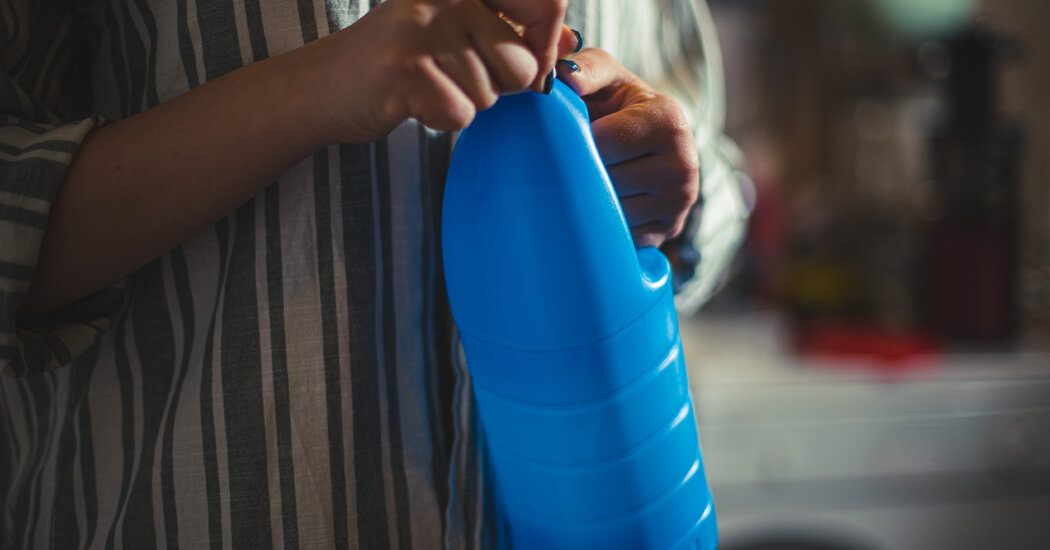
The use of antimicrobial cleaners increased during the pandemic, but experts warn that repeated inhalation or skin contact with the chemicals used in those products may be harmful over time. The most concerning disinfecting chemicals are quaternary ammonium compounds (Q.A.C.s) and bleach, which have been linked to skin irritation, asthma, and other lung problems. Simple soap and water is sufficient for regular cleaning, and safer alternatives include disinfecting products that use hydrogen peroxide or citric acid. If harsher chemicals are needed, it's important to follow guidelines and use them safely.