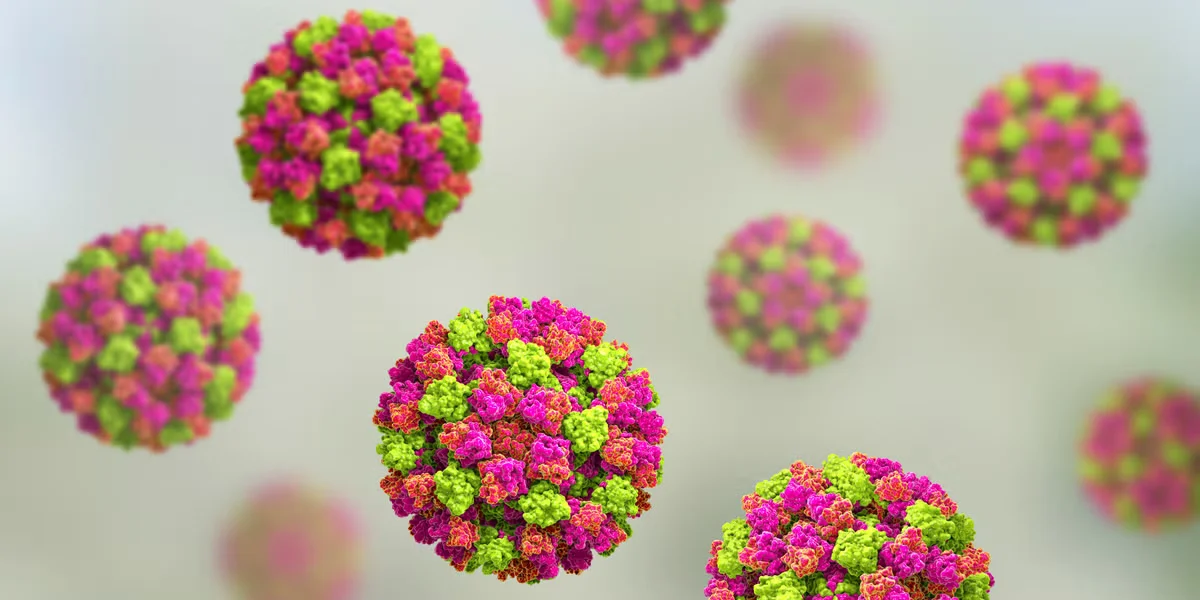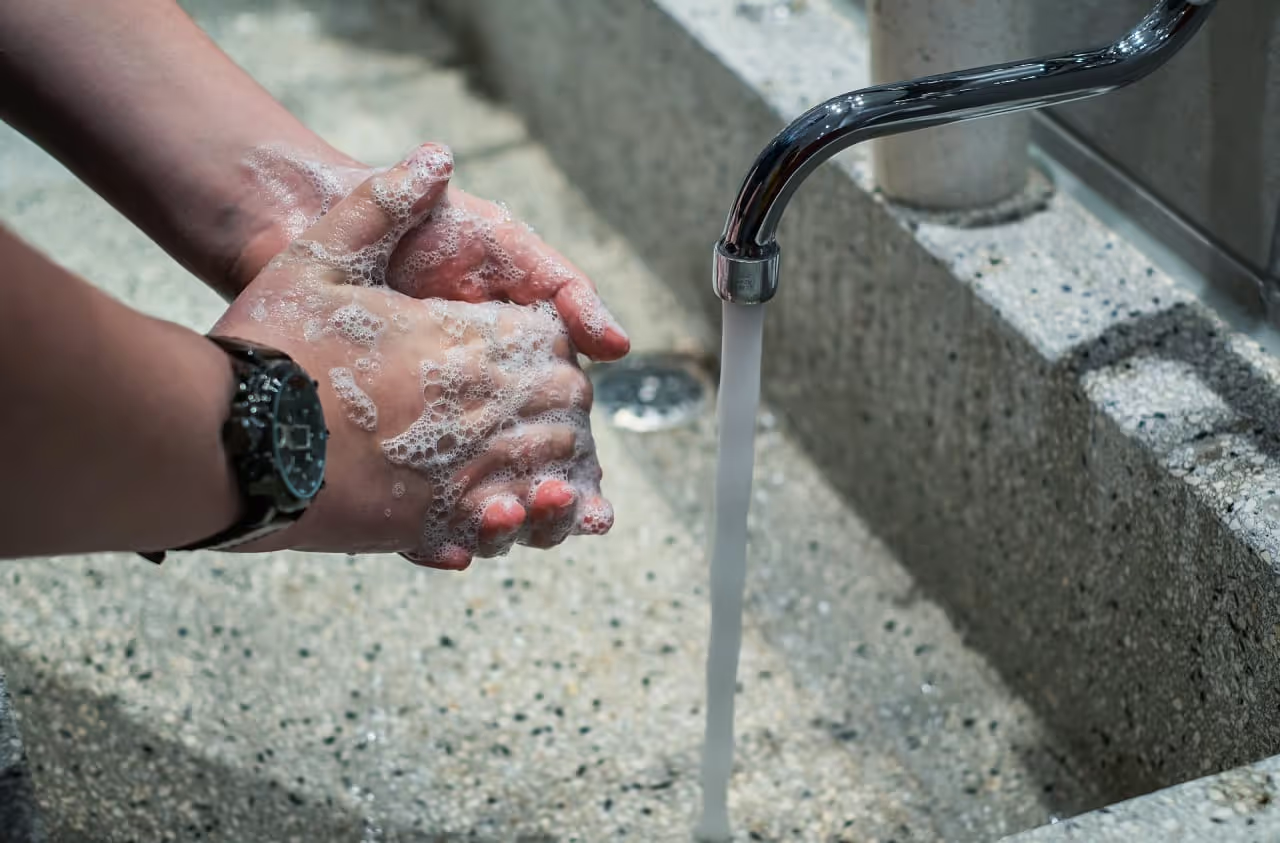
With rising norovirus cases, infectious disease doctors recommend hand washing with soap and water, avoiding sick individuals, disinfecting surfaces with bleach, and wearing masks when caring for someone sick to reduce transmission, although the CDC primarily emphasizes hand hygiene and surface cleaning.
Norovirus, a highly contagious stomach virus causing vomiting and diarrhea, is surging across the US, especially in close quarters like care facilities and cruise ships. It spreads mainly through contaminated surfaces, food, and fecal-oral contact, and cannot be effectively killed by hand sanitizer. Proper hand washing with soap and water, disinfecting surfaces, and good food hygiene are crucial for prevention. Symptoms typically last a few days, but the virus can be shed for weeks, making hygiene and staying home important to prevent spread.
Norovirus, a highly contagious stomach virus causing vomiting and diarrhea, is surging across the US, spreading mainly through contaminated surfaces, food, and close contact. Proper hand washing with soap and water, disinfecting surfaces, and good food hygiene are key to prevention. The virus is most contagious in the first days of symptoms, and dehydration is a major concern, requiring hydration and medical attention if symptoms worsen.
Hand sanitizer is convenient but not always effective against all germs, especially non-enveloped viruses, spores, and parasites. Proper hand washing with soap and water is preferred when possible, and hand sanitizer should contain at least 60% alcohol, be used thoroughly, and not replace good hygiene practices like avoiding touching the face and disinfecting surfaces. Hand sanitizer is a useful backup when soap and water aren't available, but it doesn't eliminate all pathogens.
The highly contagious norovirus, often mistaken for the stomach flu, is causing illness in many people, with symptoms including vomiting, diarrhea, and stomach pains. It can spread rapidly in places with close quarters such as schools and can survive on surfaces for weeks. Prevention involves diligent hand washing with soap and water, disinfecting surfaces with bleach-based products, and staying home if sick. Severe dehydration can occur, so it's important to drink plenty of fluids and seek medical advice if necessary.
Norovirus, a highly contagious stomach virus, is causing outbreaks and making millions of people sick, with as many as 21 million cases in the U.S. annually. It can spread quickly in places with close quarters, such as schools, and can survive on surfaces for weeks. Prevention methods include diligent hand washing with soap and water, disinfecting surfaces with bleach-based products, staying home if sick, and staying hydrated.
An elementary school in Jenison, West Michigan, will be closed for the rest of the week due to a "fast-moving" illness, prompting health officials to advise people to wash their hands and take preventative measures against an uptick in viral illnesses, including influenza and gastroenteritis. Dr. Kira Sieplinga of Helen DeVos Children's Hospital recommends staying hydrated and seeking medical attention if signs of dehydration are present, while emphasizing the importance of hand washing over hand sanitizer to prevent the spread of gastroenteritis viruses, which can live on surfaces for an extended period.
The debate between using a dishwasher or hand-washing dishes comes down to water conservation, time, and energy spent. While dishwashers are generally better for the environment, hand-washing is necessary for non-dishwasher-safe items, fragile items, and one-off washing. Dishwashers save water and energy, remove tough stains, but can be costly and should only be used with a full load. Ultimately, the choice depends on the size of the load, the dishwasher model, and personal preferences.
An outbreak of Shiga-Toxin Producing E. coli has been confirmed at Huntley High School in Illinois, with at least six students affected. The source of the illness has not yet been identified, and public health officials are actively monitoring for more cases. Students are being encouraged to practice frequent hand-washing, and the school has provided information and resources to raise awareness about E. coli. Symptoms of the infection include diarrhea, fever, abdominal cramping, vomiting, and headaches. The McHenry County Department of Health recommends proper hand hygiene, avoiding contaminated food and water, and not handling food for others until symptoms have resolved.
Some age-old health remedies are actually backed by science, such as eating chicken soup when sick, washing hands before eating, airing out your home, getting outside every day, and getting enough sleep. Chicken soup may help with cold symptoms due to its anti-inflammatory properties, while hand-washing reduces the risk of contamination. Ventilation can help get rid of virus particles in your home, but may increase allergens. Spending time in natural sunlight can reduce stress and depression, and getting enough sleep is associated with better health.
Over 80 students at Babylon High School in Long Island were sickened by a suspected outbreak of norovirus, with health officials believing it to be the cause. The outbreak was largely contained to the high school, with only a few cases found in students in other schools in the district. The best way to prevent infection is by washing hands with soap and water for at least 20 seconds, and disinfecting surfaces. Symptoms include vomiting, diarrhea, nausea, and stomach pain, and there is no treatment for norovirus.