Pennsylvania is considering a bill to ban cellphones in K-12 schools statewide from 2027-2028, aiming to reduce distractions and address concerns about social and cognitive impacts of device use, with support from some educators and researchers but opposition from school boards and parents worried about safety and local control.
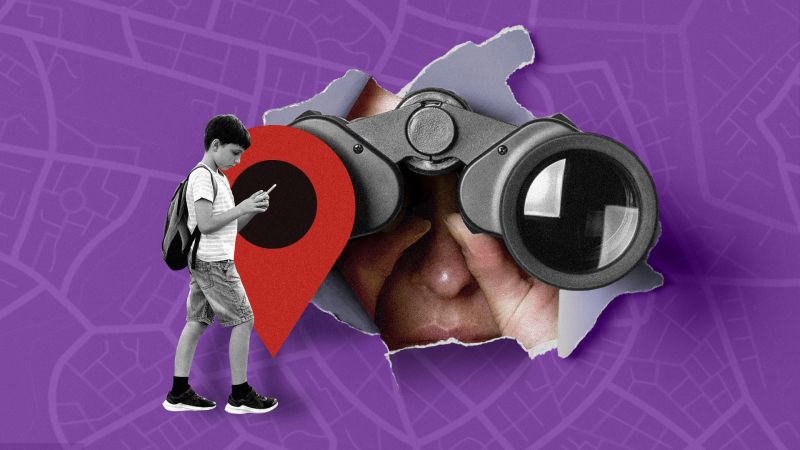
The article explores the ethical and emotional considerations of parents tracking their college-aged children via GPS apps, highlighting the balance between safety, peace of mind, and respecting independence and privacy, with insights from experts and personal stories.
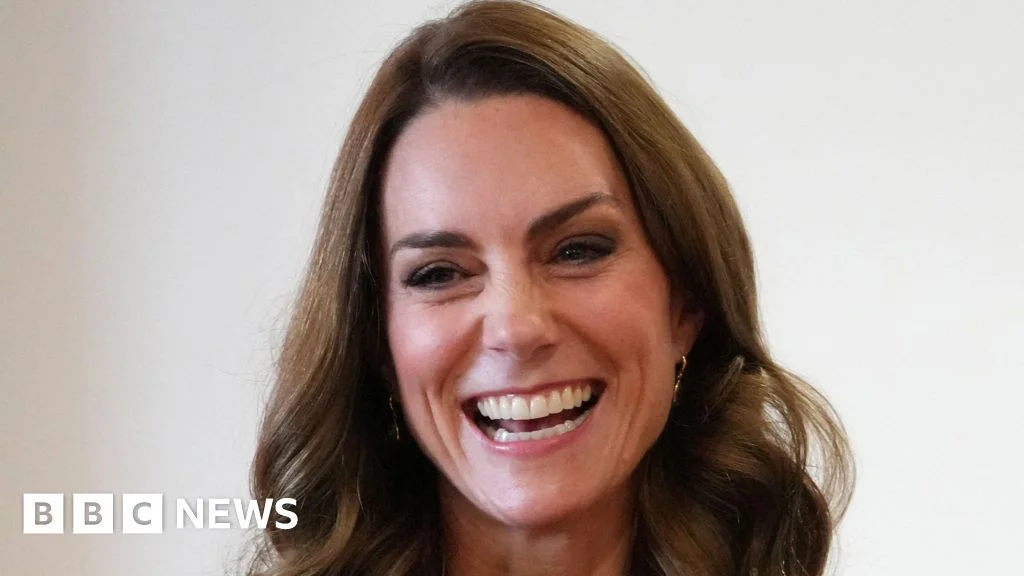
The Princess of Wales warns that excessive screen time and digital distractions are causing an epidemic of disconnection in families, undermining meaningful relationships and impacting children's social and emotional development, emphasizing the need for healthier digital habits to foster stronger family bonds.
A new study using 3D modeling suggests the Shroud of Turin may not be a genuine burial cloth but rather a work of art or a statue, challenging traditional beliefs about its authenticity and highlighting the potential of digital tools to explore historical mysteries.
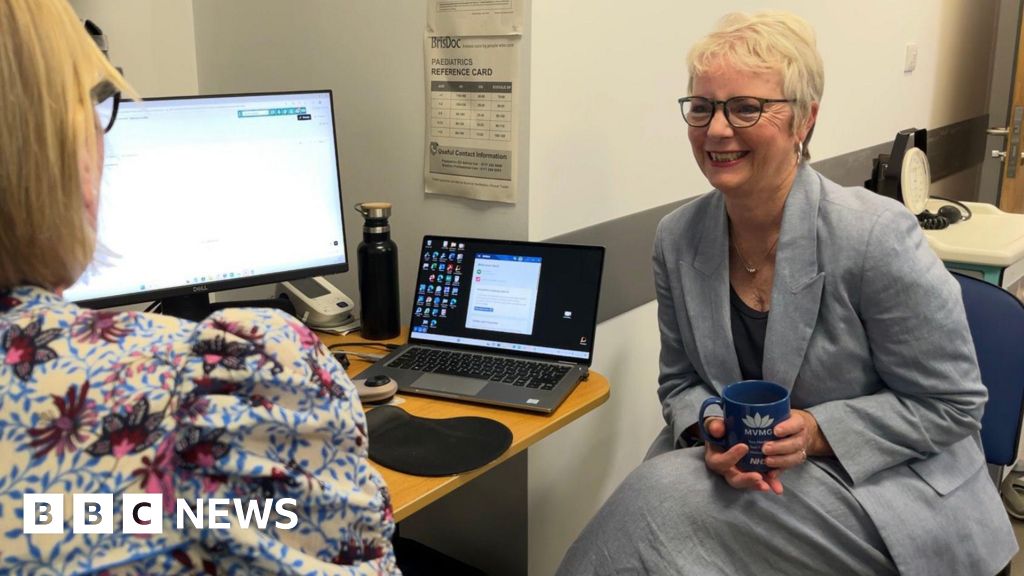
The UK health minister visited a Bristol GP surgery that uses AI to automate note-taking and letter drafting, improving efficiency and allowing GPs to spend more time with patients. The surgery handles nearly 14,000 patients and has integrated AI to support safety and data security, with the government planning to expand such technologies to meet increasing demand. The minister emphasized the importance of safe AI use in healthcare's future.
Scientists have developed a "super DVD" capable of holding a petabit of information, equivalent to approximately 125,000 gigabytes or nearly a quarter-million regular DVDs. This breakthrough in optical data storage involves printing information in 3D across hundreds of layers, surpassing the optical diffraction limit barrier. Aside from its potential environmental benefits, the super DVD offers the convenience of having an extensive collection of content readily available on a single disc, blurring the lines between physical media and streaming.
A study from the University of Nottingham's Schools of Psychology and Medicine found that employees who are more mindful in the digital workplace are better protected against stress, anxiety, and overload. The research suggests that being mindfully and confidently digital is important for living a healthy digital working life in the 21st century, as digital workplace technologies can contribute to perceptions of stress and potential burnout. The study emphasizes the need for organizations to consider managing digital workplace hazards and helping employees foster mindful awareness when working digitally to improve overall well-being.
Kodak has unveiled the first footage from its highly anticipated Super 8 camera, blending analog film with modern digital technology. The camera features an Extended Gate Super 8 format, a 6mm f/1.2 lens, and compatibility with various Super 8 film types. It also includes a digital viewfinder, micro-HDMI port, and offers crystal sync at different frame rates. While the camera is not widely available yet, interested buyers can join a waitlist for updates on its release.
The Journal of the American Heart Association's special issue highlights the progress of digital technology projects funded by the American Heart Association's Health Technologies and Innovation Research Network, aiming to improve global heart and brain health. The projects focus on developing scalable, evidence-based digital solutions, such as the "EyePhone" app for stroke diagnosis and AI for detecting rheumatic heart disease. The research emphasizes the need for accessible, user-friendly digital health technologies for both healthcare professionals and patients, with a focus on addressing disparities in clinical trials and improving health care for diverse populations.
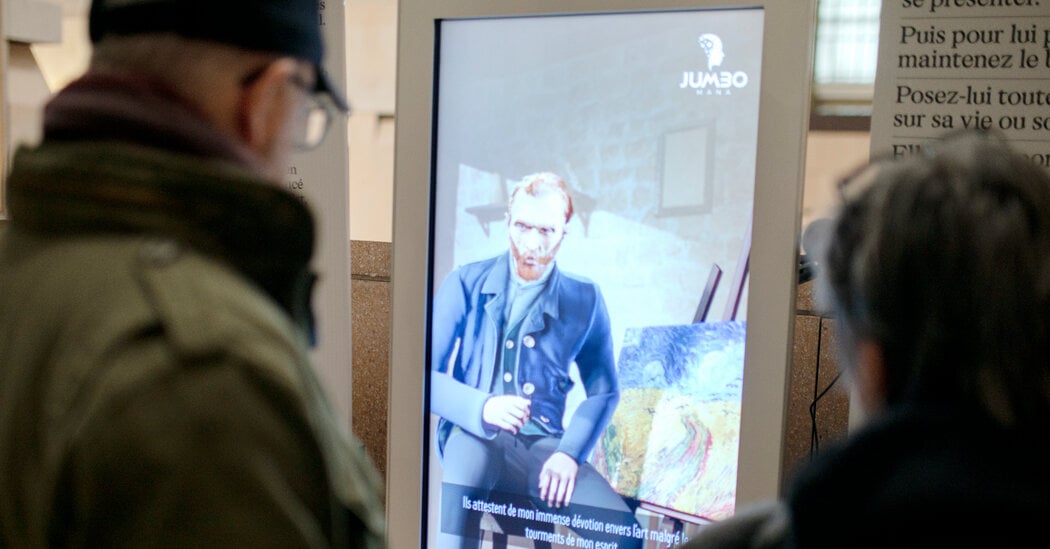
The Musée D'Orsay in Paris has introduced an artificial intelligence (A.I.) replica of Vincent van Gogh that engages in conversations with visitors, offering insights into the artist's life and death. The A.I. Vincent was created using machine learning algorithms that analyzed van Gogh's letters and biographies, with human guidance provided for sensitive topics. The initiative is part of the museum's efforts to stay relevant and generate interest in its 19th-century collection. The A.I. program may also be released on Amazon Alexa and Echo devices in the future. Additionally, van Gogh's paintings have been incorporated into various digital platforms, including a virtual reality experience and the online game Roblox.
A comprehensive review of 23 years of neuroimaging studies reveals the significant and lasting effects of screen time on children's brain function, both positive and negative. The research highlights changes in the pre-frontal cortex, parietal lobe, temporal lobe, and occipital lobe, which are involved in executive functions, touch processing, memory, language, and visual interpretation. While the study refrains from recommending specific limits on screen time, it calls for innovative policies to support children's brain development in the digital age and suggests that policymakers should assist parents in managing their children's digital engagement.
A 23-year-old journalist decided to live without a smartphone for a weekend, experiencing the world disconnected from the digital realm. Despite the challenges of navigating without GPS and missing out on online distractions, the experience allowed for introspection, bonding with friends, and rediscovering neglected hobbies. The absence of a smartphone highlighted the need for balance in our constant consumption and the importance of paying attention to the world around us. Ultimately, the journalist realized that smartphones are not just distractions but also tools for connection and opportunity.