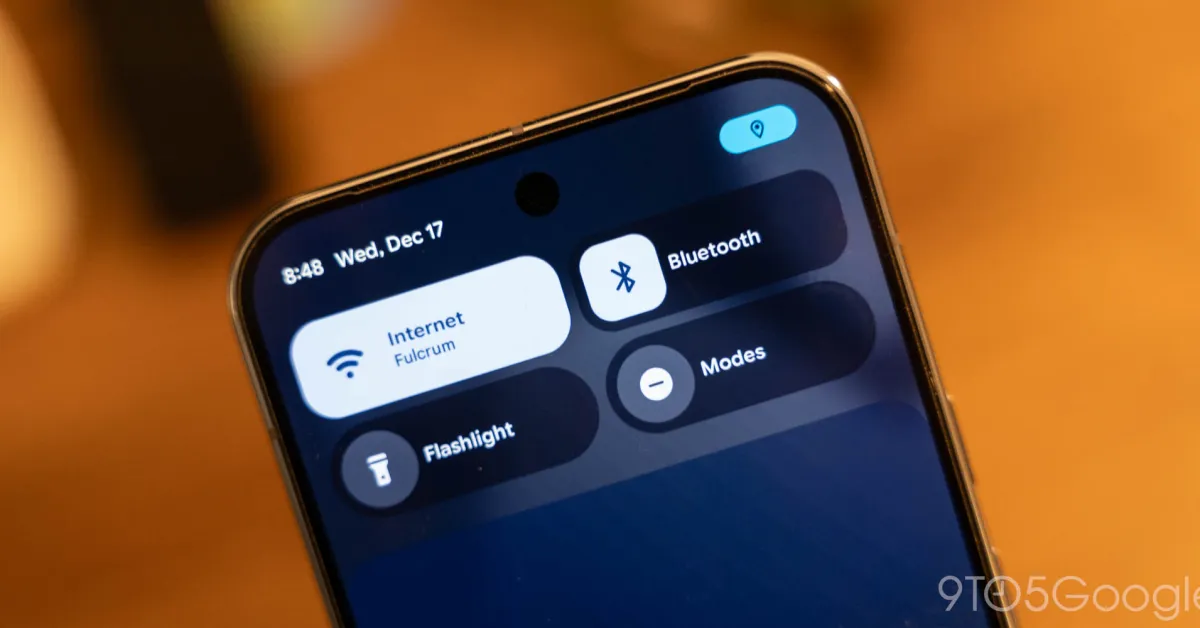
Google's Android 16 QPR3 beta introduces a new blue dot notification to alert users when apps access their location, expanding on previous permission indicators for camera and microphone, and is currently available on Pixel devices with plans to expand to other Android devices.
Bluetooth 6.0 introduces significant improvements in latency, security, location tracking, and power efficiency, with devices like phones and headphones already adopting the new standard. However, it does not yet support lossless audio streaming, though future updates may enable high-res audio transmission. The upgrade promises better connectivity, longer battery life, and enhanced security for wireless devices.
Microsoft Teams is introducing a feature that automatically updates users' work location based on Wi-Fi connection, raising privacy concerns and potential for misuse, while also facing cybersecurity vulnerabilities that could expose sensitive data.
Microsoft Teams is set to introduce a feature in December 2025 that will automatically update a user's work location based on their office Wi-Fi connection, raising privacy concerns for remote workers. The feature, which can be enabled by tenant admins and is off by default, aims to verify employee presence in the office but may also lead to increased monitoring of remote workers.
Microsoft Teams will now automatically update and share employees' work location based on Wi-Fi connection, raising privacy concerns and potentially impacting employee privacy and workplace dynamics, with the feature rolling out globally in December.
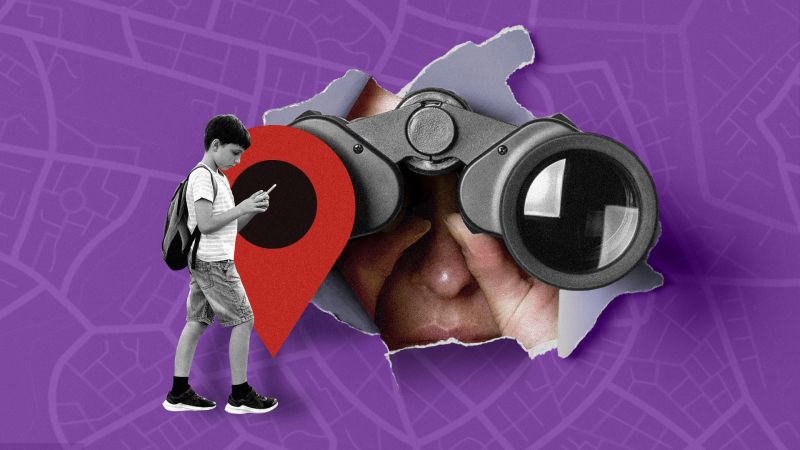
The article explores the ethical and emotional considerations of parents tracking their college-aged children via GPS apps, highlighting the balance between safety, peace of mind, and respecting independence and privacy, with insights from experts and personal stories.
The article explains how Google tracks user activity across its apps and services, and provides step-by-step instructions to disable activity tracking, location history, and personalized ads to enhance privacy, along with additional tips for stronger online security.
An investigation reveals that thousands of apps exploit Bluetooth and Wi-Fi permissions to track users' indoor locations without explicit consent, raising privacy concerns as this data can be used for targeted advertising, profiling, and more sensitive purposes like monitoring movements and associations. The study highlights the widespread use of SDKs that facilitate this covert tracking, often bypassing user permissions and enabling data collection for unknown entities, which poses significant privacy risks.
Google tracks your location data to improve services and target advertising, but hidden controls within your account settings allow you to manage and delete this data, including an auto-delete feature that enhances privacy by automatically purging history periodically. Regularly managing your location data reduces privacy risks and limits targeted advertising, giving you greater control over your digital footprint.
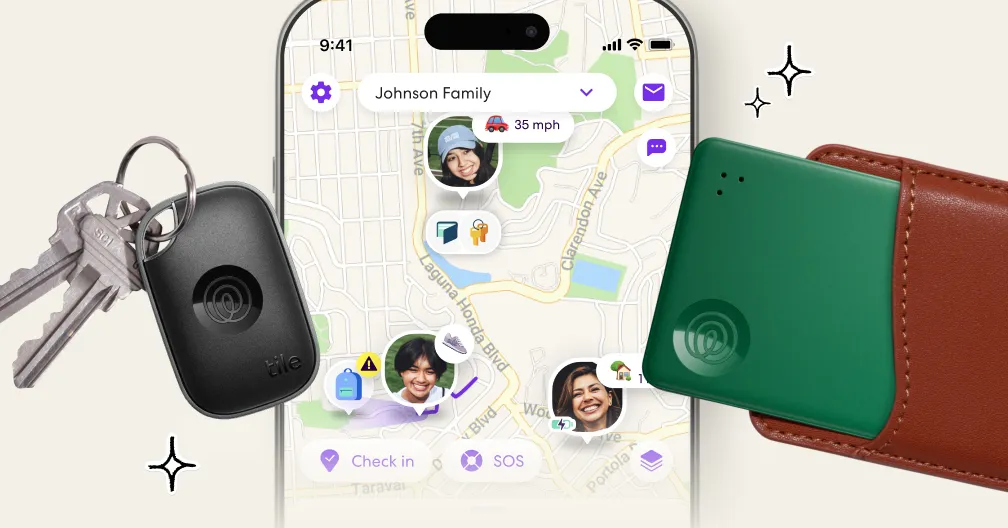
Life360 has fully integrated Tile trackers into its app, allowing users to set up and manage Tile devices without the Tile app, and is likely phasing out the standalone Tile app. The update also reorganizes Life360's paid plans, adding new features like SOS Alerts, and emphasizes its role as a comprehensive family safety app, while clarifying its data sharing policies.
The FTC has settled with data brokers Gravy Analytics and Mobilewalla over allegations of selling precise location data without consent, including sensitive locations like hospitals and protests. The companies agreed to delete improperly collected data and implement consent safeguards. This action highlights ongoing concerns about data privacy and the role of data brokers, with the FTC emphasizing privacy as a bipartisan issue. Concurrently, the CFPB proposed new rules to further protect personal data, underscoring a broader governmental push for stricter data privacy regulations.
Google is changing how it handles location data by stopping the storage of user location data in the cloud and instead keeping it on-device. This change, which will be rolled out gradually, means users will have 180 days from notification to adjust their Timeline preferences in Google Maps. This move aims to enhance privacy by limiting sensitive location data to users' devices, although users can still back up data to the cloud with encryption. Users are advised to set their preferences as soon as they receive the notification email.
Location data collected by a troubled data broker, Near Intelligence, reveals the movements of nearly 200 individuals who visited Jeffrey Epstein's "pedophile island" in the years leading up to his death, pinpointing their homes and offices with high precision. The data, sourced from advertising exchanges, shows the extensive traffic to Epstein's properties and has raised concerns about privacy and surveillance. Near Intelligence, now rebranded as Azira, has faced scrutiny for its data practices, including providing information to the US military. The discovery of this data has sparked calls for investigations and renewed efforts to regulate the sale of location data.
Android 15 is set to introduce a new Powered Off Finder API that could enable select devices, such as the Google Pixel 9 series, to be tracked even when switched off by allowing them to continue sending Bluetooth beacons after the Android system is shut down. This feature would rely on the upgraded Find My Device network, which is still pending widespread rollout, and may also involve optional support for UWB technology.
Instagram is developing a "Friend Map" feature that would allow users to see their friends' real-time locations, similar to Snapchat's Snap Map. The opt-in feature, currently an internal prototype, would let users choose who can see their location and post short messages, or "Notes," on the map. If launched, Instagram would be copying another popular feature from Snapchat and competing with Apple's "Find My" map feature. This move could give users more reasons to spend time on Instagram and appeal to fans of the now-defunct social map app Zenly.