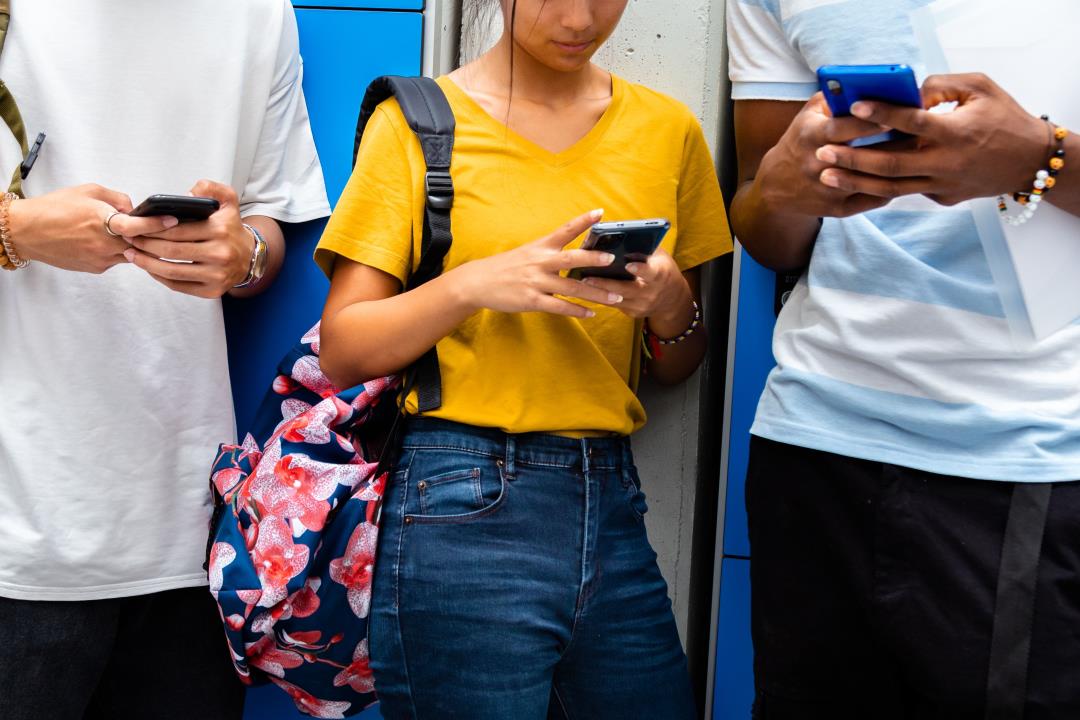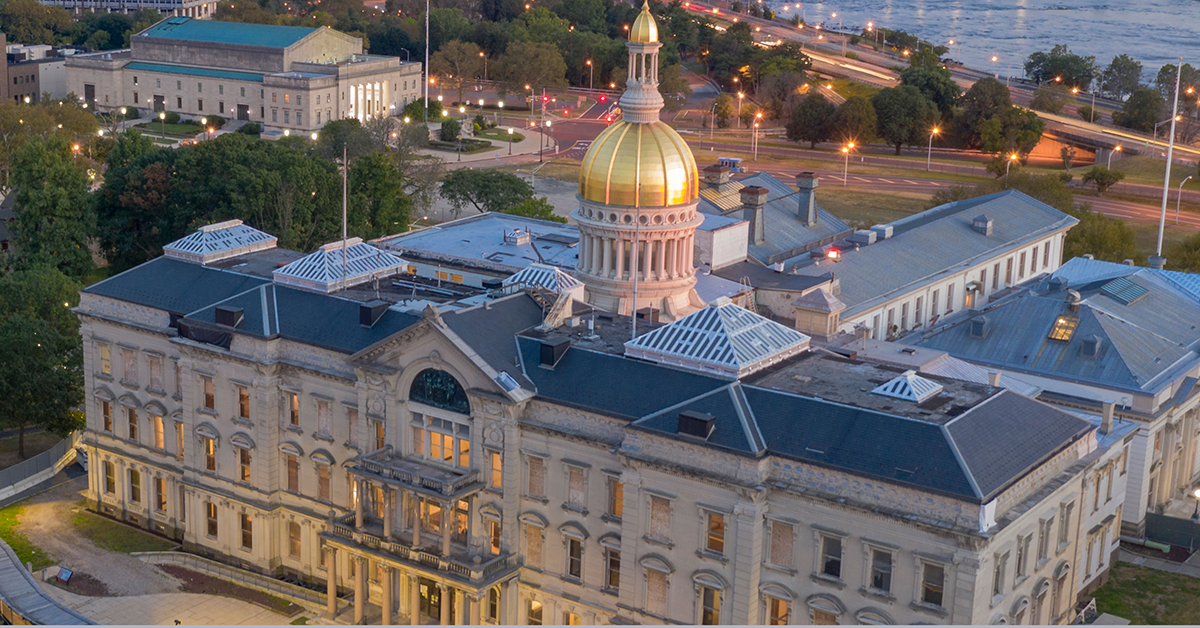
Governor Phil Murphy signed legislation requiring New Jersey schools to implement policies restricting cell phone and internet-enabled device use during school hours, effective in the 2026-2027 school year, aiming to improve student focus, mental health, and classroom engagement.
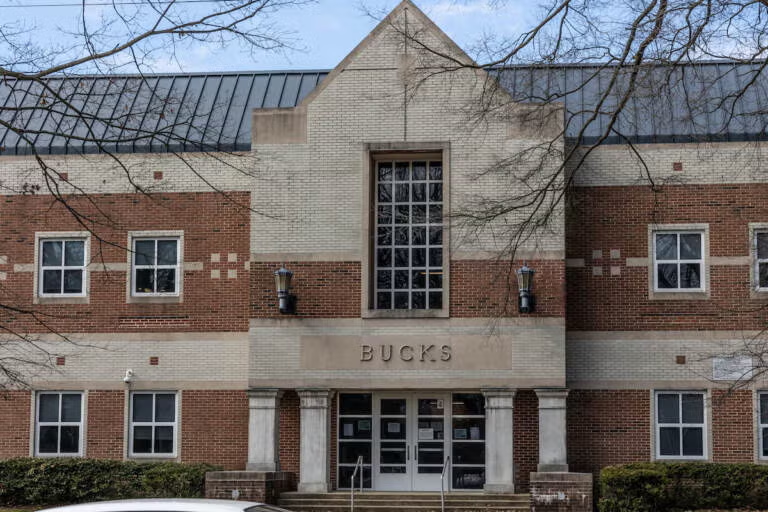
Pennsylvania is considering a bill to ban cellphones in K-12 schools statewide from 2027-2028, aiming to reduce distractions and address concerns about social and cognitive impacts of device use, with support from some educators and researchers but opposition from school boards and parents worried about safety and local control.
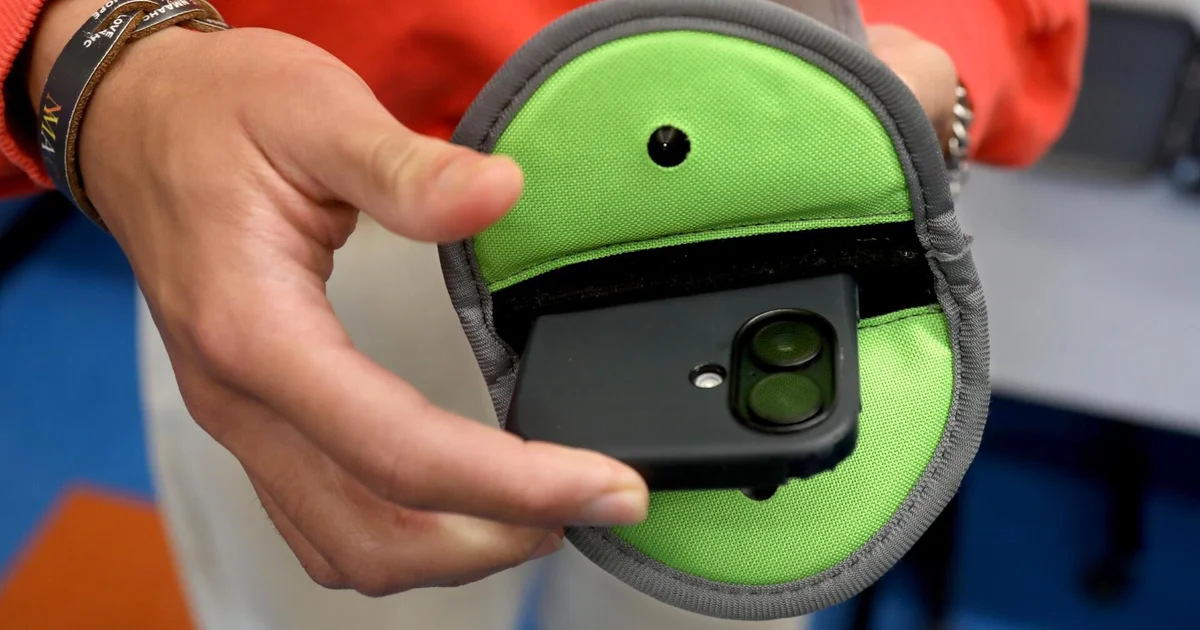
Schools across the U.S., including New York, are implementing cellphone bans using locked magnetic pouches from Yondr to reduce distractions and improve classroom engagement, despite some student resistance and concerns about costs and circumvention methods.
California's COVID-19 test-positivity rate has tripled since May, driven by FLiRT variants, prompting new fall vaccines. Sonoma County reports an 11% rise in homelessness. A security guard killed in Fremont has been identified. SF Supervisor Joel Engardio proposes a Great Highway Park ballot measure. Governor Newsom seeks a statewide school cellphone ban following LAUSD's lead. The Supreme Court upheld a Trump-era tax provision with a 7-2 majority. RFK Jr. failed to qualify for the CNN debate with Biden and Trump.
Students at James Madison High School in Houston, Texas, protested against a new cellphone policy that requires them to turn in their phones to staff during the school day and pick them up at the end of the day, with the superintendent warning of possible suspensions for protesting students. The policy was implemented to address safety concerns related to recording and sharing fights on campus, but students argue that it infringes on their rights and creates an oppressive environment.
New Zealand's new prime minister, Christopher Luxon, has outlined his ambitious agenda for his first 100 days in office, which includes banning cellphone use in schools and repealing tobacco controls. The plan also involves narrowing the central bank's mandate, doubling renewable energy production, and implementing education initiatives such as requiring schools to teach an hour of reading, writing, and math each day. While some view these measures as necessary for improving the economy and education system, critics argue that repealing tobacco restrictions is a setback for public health and that certain initiatives may be discriminatory.