
Tag

Ethanol Production

All articles tagged with #ethanol production

Gut Bacteria Drive Auto-Brewery Syndrome, Largest Study Confirms
science1 month ago

Gut Bacteria Drive Auto-Brewery Syndrome, Largest Study Confirms

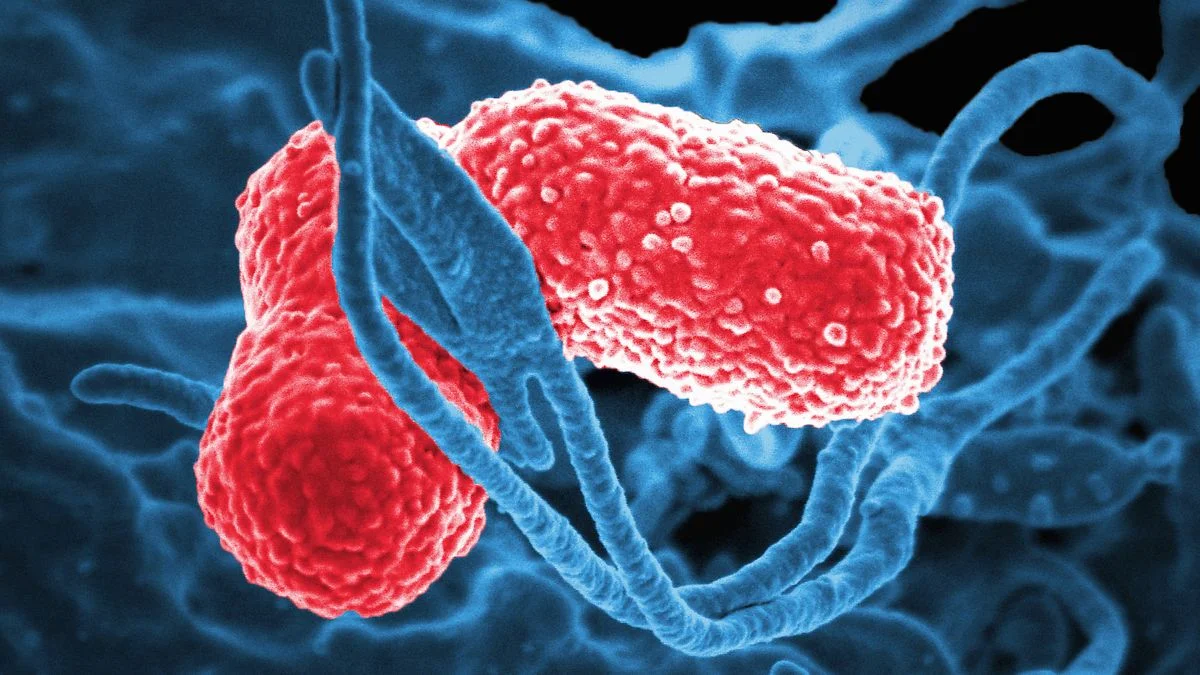
A large Nature Microbiology study links auto-brewery syndrome (ABS) to ethanol-producing gut bacteria rather than fungi, with Klebsiella pneumoniae and Escherichia coli more prevalent in ABS patients and higher ethanol production during flares; a stool transplant case showed remission for over a year, suggesting microbiome-directed therapies (diet, probiotics, or transplants) could treat ABS, though fungus involvement isn’t entirely ruled out.

Gut Microbes Brew Alcohol: Donor Stool Transplants Offer Hope for Auto-Brewery Syndrome
science1 month ago

Gut Microbes Brew Alcohol: Donor Stool Transplants Offer Hope for Auto-Brewery Syndrome

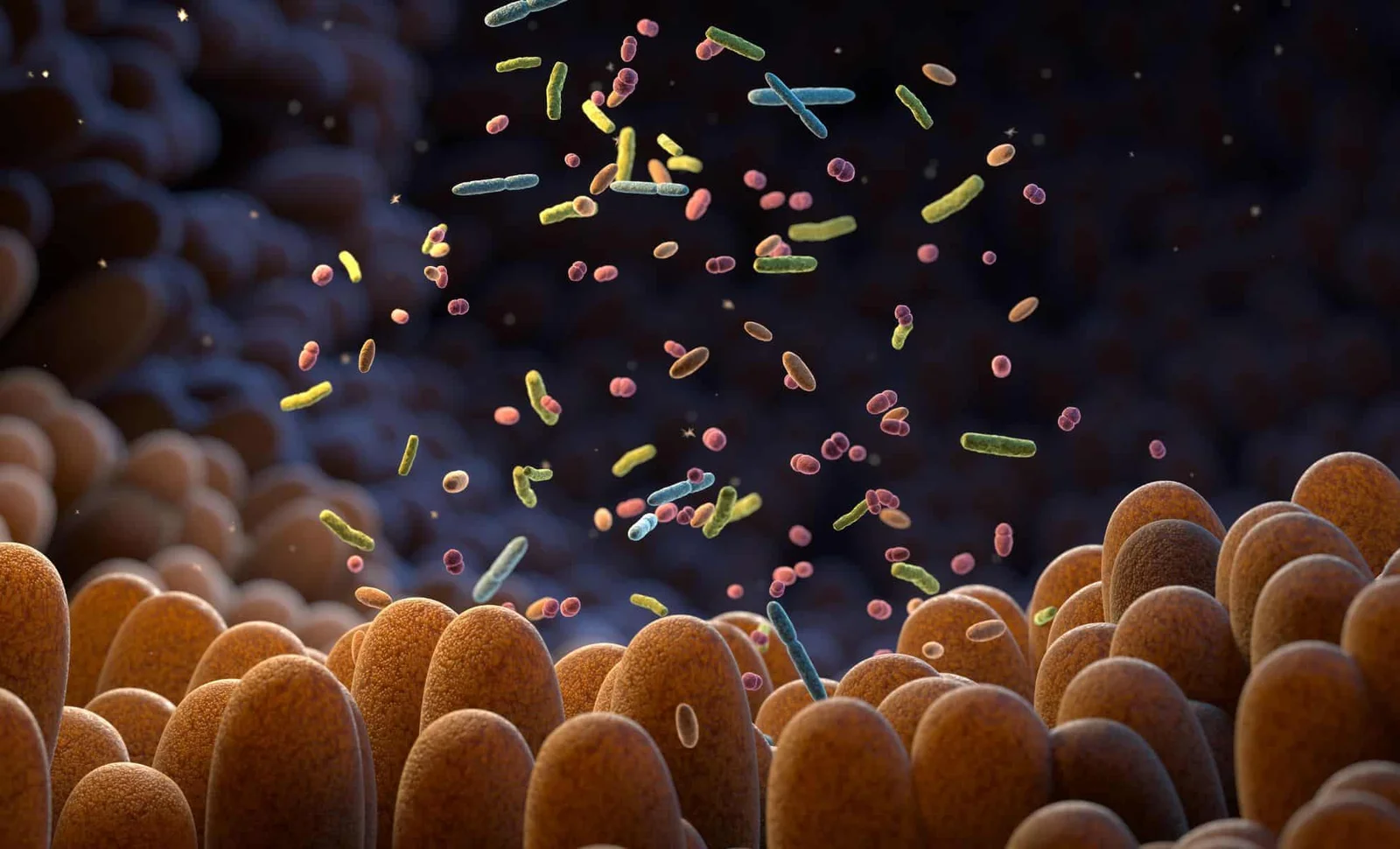
Researchers detail auto-brewery syndrome (ABS), a rare condition where gut microbes convert carbohydrates into ethanol, causing involuntary intoxication. A Nature Microbiology study identifies overabundant bacteria (notably E. coli and Klebsiella) and fermentation pathways that drive ethanol production during flares, while fungal overgrowth is less central than once thought. The work also documents a successful treatment: a donor stool–derived capsule fecal microbiota transplant that produced long-lasting remission in at least one patient, implying a diagnostic framework and the potential for microbiome-directed therapies to manage ABS.

Gut Bacteria Turn Carbs Into Alcohol: The Hidden Cause of Auto-Brewery Syndrome
health1 month ago

Gut Bacteria Turn Carbs Into Alcohol: The Hidden Cause of Auto-Brewery Syndrome

Researchers mapped the gut microbes and metabolic pathways that can produce ethanol in auto-brewery syndrome (ABS), implicating bacteria such as E. coli and Klebsiella pneumoniae and showing elevated ethanol production during ABS flares; these insights could lead to stool-based diagnostics and microbiome-targeted therapies, including fecal transplantation, which in one patient kept symptoms at bay for over 16 months.