Scientists have developed new genetic techniques to identify Denisovan fossils in the fossil record, successfully matching two ancient skulls from China to the Denisovan profile and suggesting the potential to discover more extinct human relatives through genetic phenotyping.
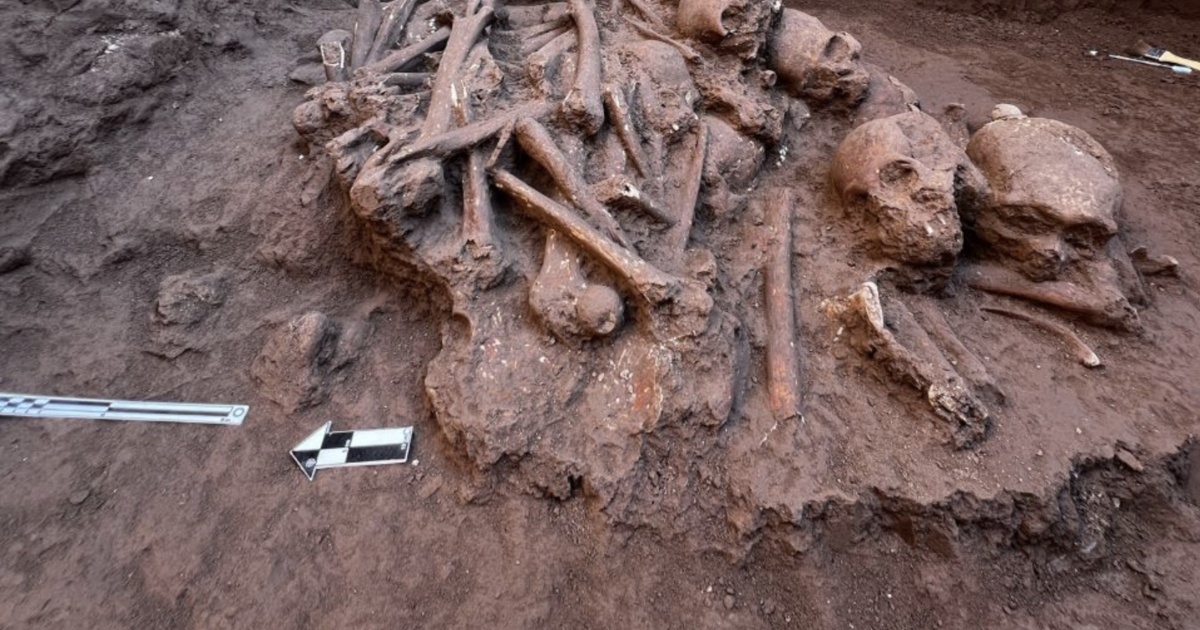
Archaeologists in Mexico discovered a trove of ancient skulls and bones stacked on top of each other during a construction project in Pozo de Ibarra, Jalisco. The remains, likely belonging to at least seven male individuals of different ages, were found arranged in a complex funerary system dating back to the Amapa cultural era. The bones, including skulls with cranial modifications, were buried at the same time, suggesting a unique funeral practice with no precedents. The discovery offers insight into ancient funerary practices in the region and will be preserved for further research by the National Institute of Anthropology and History (INAH).