nuclear-energy6.2 min read
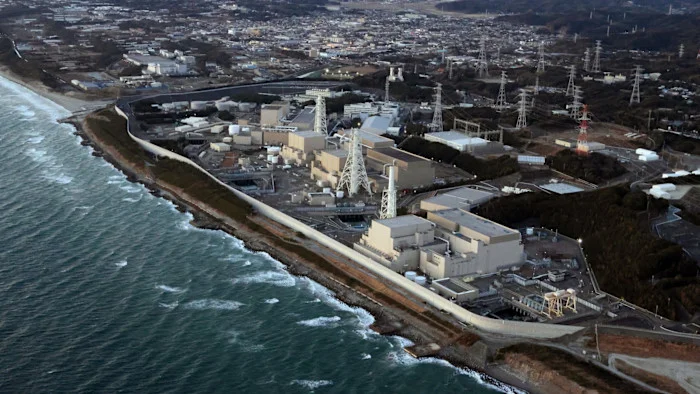
Japan's nuclear restart plan hit by data fabrications and safety doubts
1 month ago•Source: Financial Times

The latest nuclear energy stories, summarized by AI
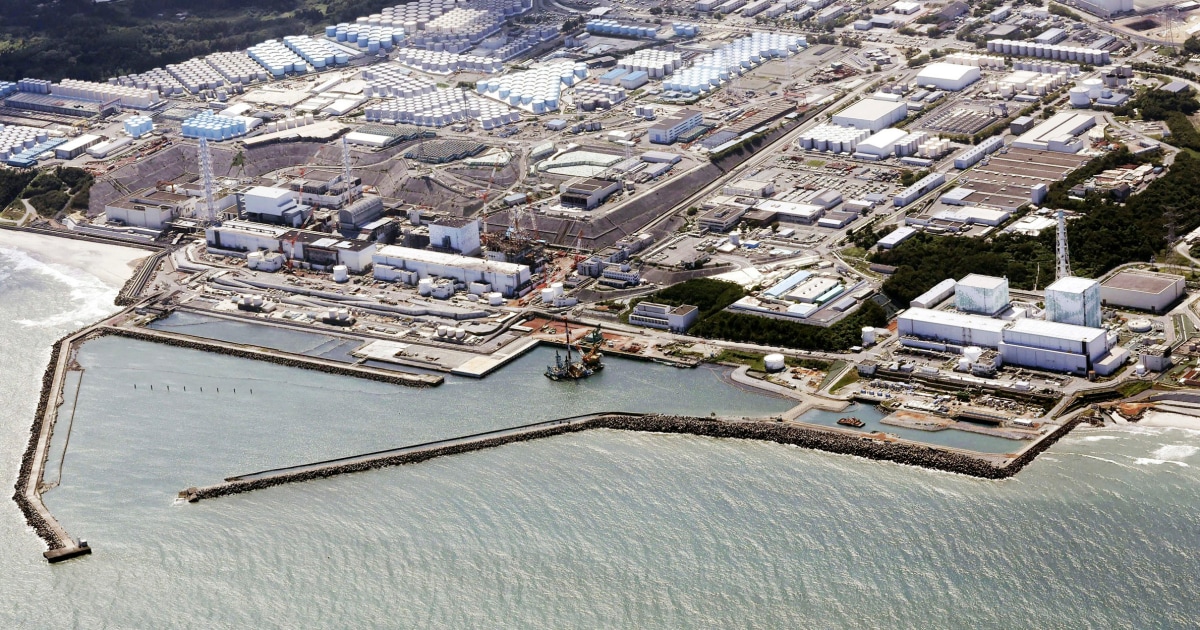
Highly radioactive water leaked from a treatment machine at the Fukushima Daiichi nuclear power plant, but no radiation escaped the facility, and no one was injured. The leak, caused by valves left open during maintenance work, resulted in 6 tons of radioactive water seeping into the soil. Despite concerns over Tepco's controversial wastewater discharge project, radiation levels around the plant and in the environment remain unaffected. This incident follows a previous accidental leak at a separate treatment facility, highlighting ongoing challenges in managing the aftermath of the 2011 disaster.
The Guardian•2 years ago
Yahoo News•2 years ago
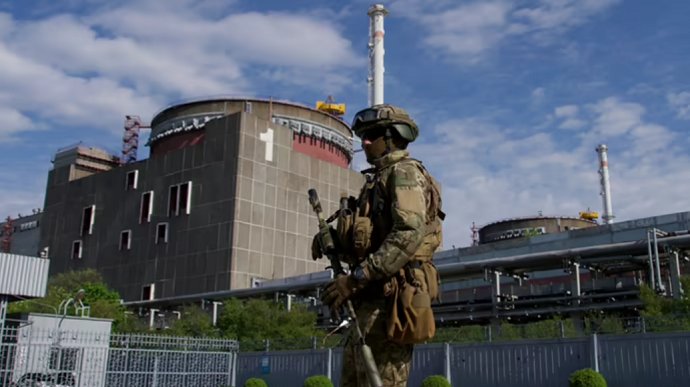
Ukrainian staff at the Zaporizhzhia Nuclear Power Plant (ZNPP) have refused to comply with a Russian order to switch the power unit into a hot shutdown mode, which goes against nuclear and radiation safety regulations. The Ukrainian specialists have distanced themselves from the switch and are facing pressure from the Russians, who are also targeting their families. The hot shutdown mode poses risks to nuclear and radiation safety and contradicts license requirements and IAEA standards.

The head of the International Atomic Energy Agency (IAEA), Rafael Grossi, hinted at possible discord among the team of international experts who approved Japan's plan to release treated radioactive water from the Fukushima plant. While Grossi stated that the published report was scientifically impeccable, he acknowledged that one or two experts may have had concerns, although none had raised them directly with him. China, the fiercest critic of Japan's plan, expressed disappointment with the report, claiming limited input from experts. Grossi clarified that the IAEA's report did not endorse the plan, but rather deemed it consistent with standards. Japan will make the final decision on the water release, which is expected to begin this summer and last up to 40 years.

The International Atomic Energy Agency (IAEA) is "making progress" in inspecting the Zaporizhzhia nuclear plant in Ukraine, following claims that it had been mined. The IAEA has requested access to various parts of the plant, including the rooftops, and has completed tours of the cooling ponds without finding any indications of explosives or mines. The agency is confident it will receive authorization to visit the rooftops soon. Both Ukraine and Russia have accused each other of planning provocations at the site, raising concerns about a potential radioactive disaster. The IAEA has contingency plans in place for emergency preparedness and response.
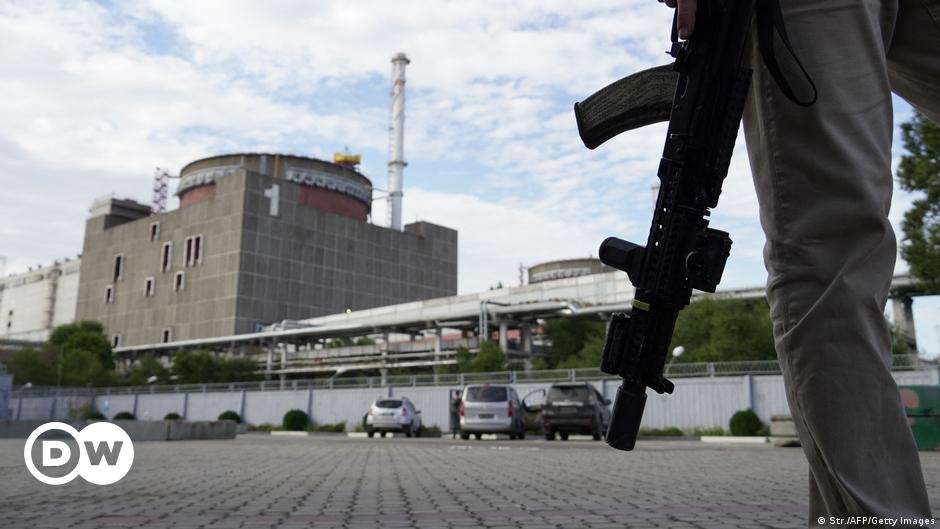
Concerns are growing over the safety of the Zaporizhzhia nuclear power plant in Ukraine, as reports suggest that Russian forces have placed explosives and land mines in critical areas of the facility. Experts warn that any damage to the cooling system could lead to a nuclear disaster similar to Fukushima, with potential radiation contamination affecting a radius of up to 20 kilometers. While the International Atomic Energy Agency has not found evidence of explosives, further inspections are needed to rule out the presence of any threats. Ukrainian military staff believe these actions are an attempt to halt Ukraine's counteroffensive in the region.
The International Atomic Energy Agency (IAEA) has found no visible indications of mines or explosives at Ukraine's Zaporizhzhya Nuclear Power Plant (ZNPP), but further access is needed to conduct additional checks. The IAEA experts have inspected parts of the plant's cooling system and continue to conduct regular walkdowns. The agency is reinforcing its presence at the plant to monitor compliance with protection principles. The ZNPP is currently relying on separate water reserves, and efforts are being made to ensure sufficient water for the longer term. The plant remains dependent on a single operational power line and emergency diesel generators. Five of the six reactors are in cold shutdown, while Unit 5 remains in hot shutdown. The IAEA is also assisting in maintaining nuclear safety and security at other NPPs in Ukraine.

The head of the International Atomic Energy Agency (IAEA), Rafael Grossi, has said that the situation at the Zaporizhzhia nuclear plant in Ukraine is "serious" but that it can operate safely for "some time". Grossi was inspecting the state of Europe's largest nuclear plant following last week's breach in the Kakhovka dam downstream on the Dnipro River. The IAEA inspectors would remain at the site. The Kakhovka reservoir was normally used to refill the cooling pond adjacent to the plant but cannot do so now because of its falling water level after the breach, officials say.
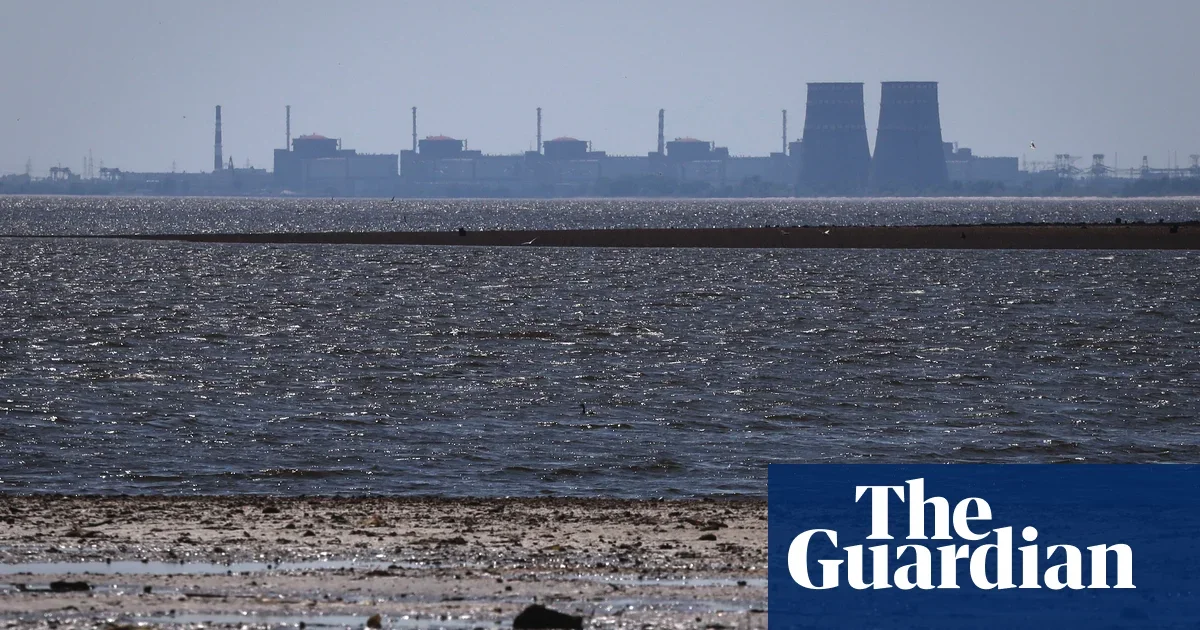
The UN atomic watchdog has expressed concern over a "significant discrepancy" in water level data at the breached Kakhovka dam used for cooling the Zaporizhzhia nuclear plant's reactors. The International Atomic Energy Agency has requested wider access to the area to investigate the issue. The water from the reservoir is used to cool the facility's six reactors and spent fuel storage. The Kakhovka hydropower dam's destruction has flooded towns downstream and forced thousands of people from their homes.
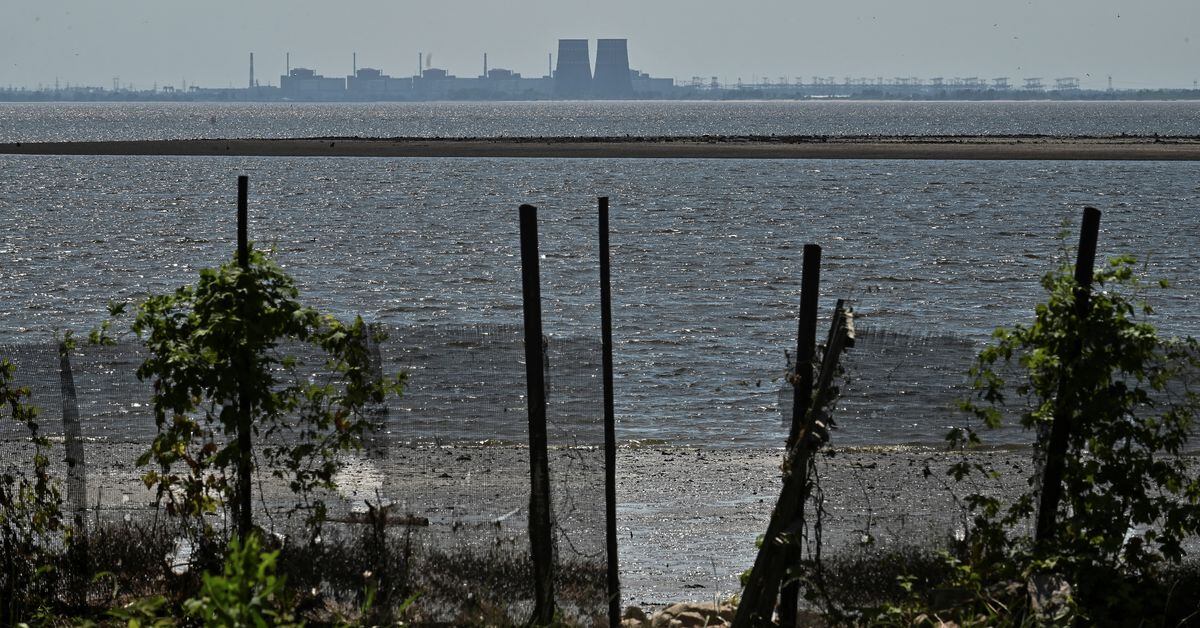
The UN atomic watchdog expressed concern over the water levels at the breached Kakhovka dam used for cooling the Zaporizhzhia nuclear plant's reactors. The International Atomic Energy Agency head, Rafael Grossi, said that there is a significant discrepancy in water level data and that wider access is needed to check the situation. The destruction of the Kakhovka hydropower dam in southern Ukraine last week has flooded towns downstream and forced thousands of people from their homes. The Zaporizhzhia plant can fall back on other water sources when the reservoir's water is no longer available, including a large cooling pond above the reservoir with several months' worth of water.
The Zaporizhzhya Nuclear Power Plant in Ukraine is still pumping cooling water from the Kakhovka reservoir, despite the water level dropping to a critical point due to a breached dam. The International Atomic Energy Agency (IAEA) has assessed that the pumps can still operate even if the water level drops to around 11 metres or possibly lower. The IAEA experts have requested access to the location where the reservoir’s water level is measured and the Zaporizhzhya Thermal Power Plant discharge channel adjoining the ZNPP to independently verify the status of the cooling water systems.
The International Atomic Energy Agency (IAEA) has reported that work is ongoing at Ukraine’s Zaporizhzhya Nuclear Power Plant (ZNPP) to ensure it has maximum amounts of cooling water in reserve, in case it can no longer access the nearby Kakhovka reservoir which is continuing to drop after its downstream dam was damaged earlier this week. The hourly loss rate has slowed slightly, but if the current drop rate were to continue, the 12.7 metre level could be reached within the next two days. The possible lack of access to the Kakhovka reservoir has underlined the need to keep the ZNPP’s other water sources intact, particularly the large cooling pond near the site, as well as the discharge channel of the nearby Zaporizhzhya Thermal Power Plant (ZTPP) which is used to bring water from the reservoir to the ZNPP site.