Scientists have discovered a new active predator, Dulcibella camanchaca, at nearly 8,000 meters deep in the Atacama Trench, challenging previous beliefs that such extreme environments only host scavengers and revealing a more complex deep-sea ecosystem.
Scientists have discovered a new predatory crustacean, Dulcibella camanchaca, thriving nearly 8,000 meters below the ocean surface in the Atacama Trench, highlighting the potential for undiscovered life in Earth's deepest, most extreme environments and offering insights relevant to extraterrestrial life exploration.
Scientists have discovered a new crustacean species, Dulcibella camanchaca, in the deepest part of the Atacama Trench at nearly 8,000 meters deep, highlighting the potential for undiscovered life in Earth's extreme environments and inspiring comparisons to the search for extraterrestrial life in oceanic worlds like Europa.
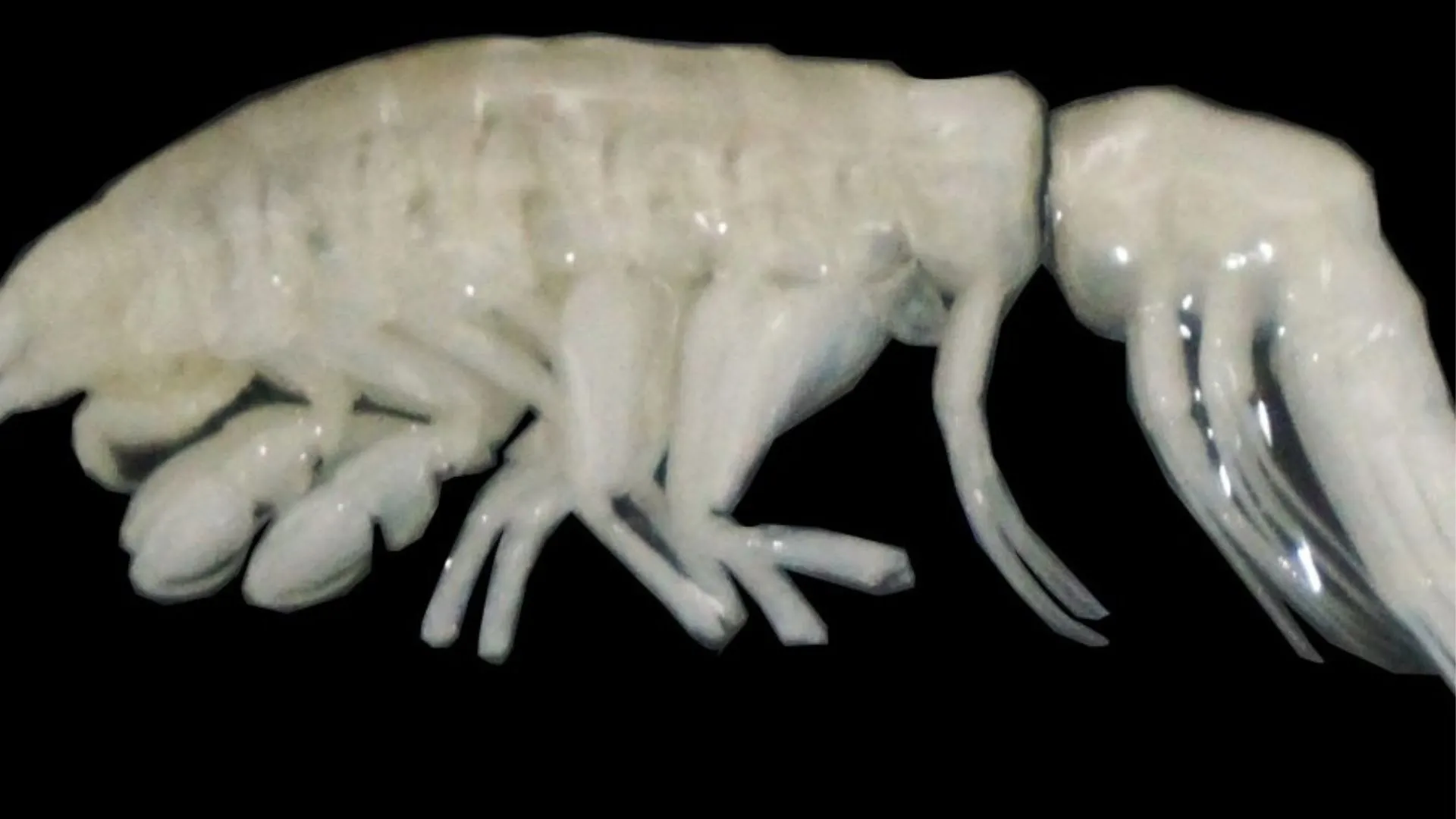
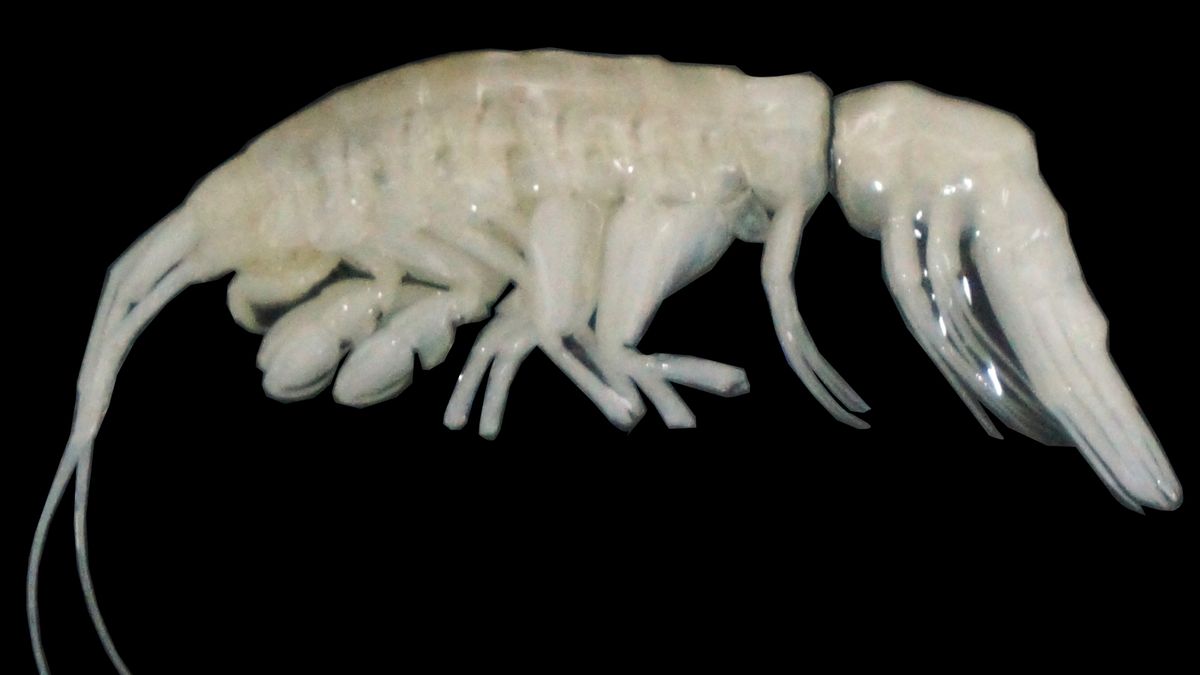
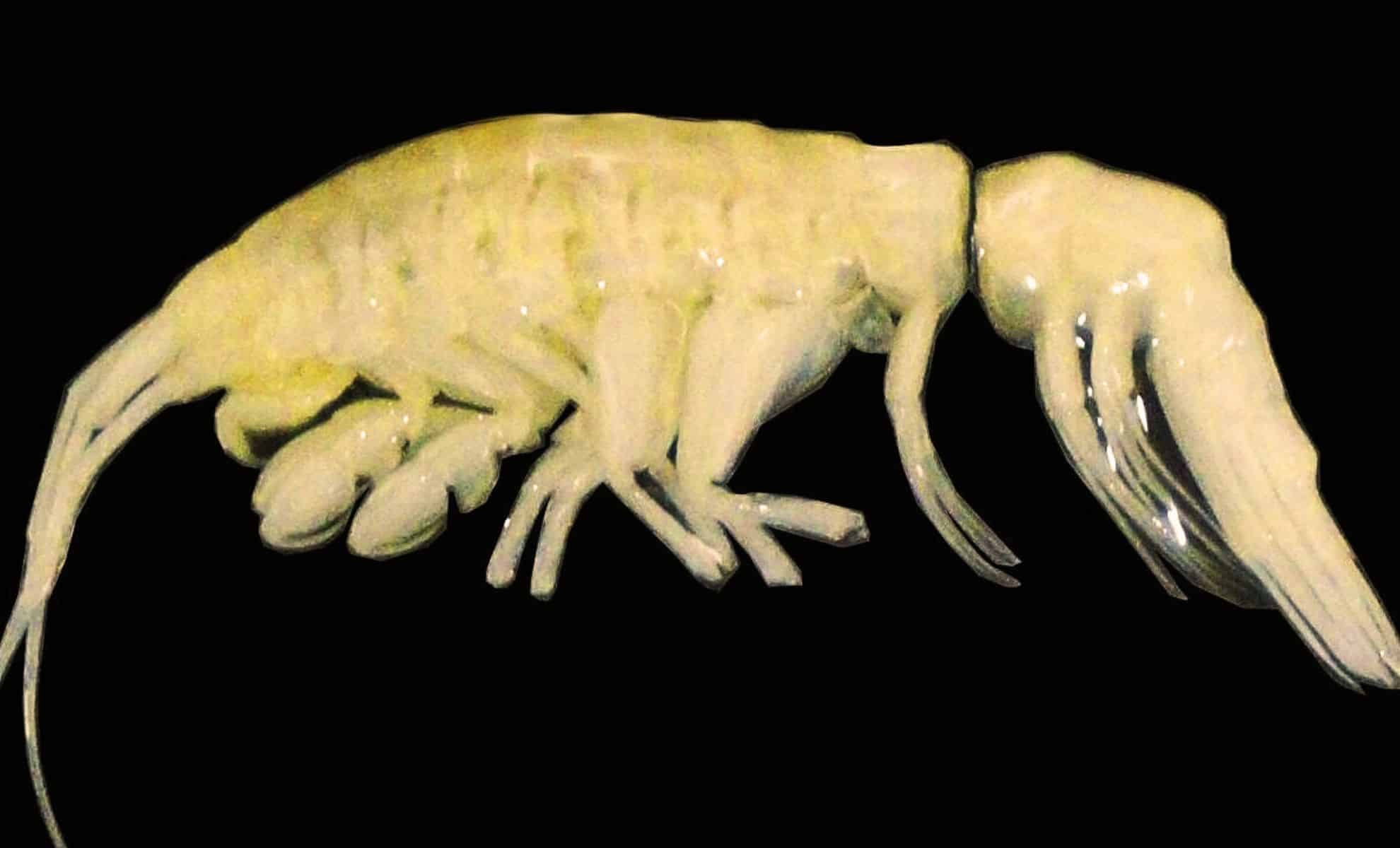
Researchers have discovered a new predatory crustacean species, Dulcibella camanchaca, in the hadal zone of the Atacama Trench. This fast-swimming predator, nearly 4 cm long, uses specialized appendages to capture smaller amphipods. The discovery, part of the 2023 Integrated Deep-Ocean Observing System Expedition, highlights the Atacama Trench as a biodiversity hotspot and underscores the importance of continued deep-sea exploration to understand and protect these unique ecosystems.
Scientists have discovered a new crustacean predator, named Dulcibella camanchaca, in the Atacama Trench, one of the deepest parts of the ocean. This four-centimeter creature, found 8,000 meters below sea level, represents not only a new species but also a new genus, highlighting the trench as a hotspot for unique marine life. The discovery underscores the importance of deep-sea exploration, as researchers continue to uncover the mysteries of Earth's oceans, drawing parallels to the search for life in extraterrestrial oceans, such as those on Jupiter's moon Europa.
Scientists have discovered a new predatory crustacean species, Dulcibella camanchaca, in the Atacama Trench, one of the deepest parts of the Pacific Ocean. This 4-centimeter amphipod, found at depths of 25,900 feet, is the first large active predator identified in such extreme conditions. The discovery, made by researchers from the Woods Hole Oceanographic Institution and the Instituto Milenio de Oceanografía, highlights the Atacama Trench as a biodiversity hotspot and underscores the importance of deep-ocean exploration.
A new species of large predatory amphipod, Dulcibella camanchaca, has been discovered at a depth of 25,900 feet in the Atacama Trench, marking the first known large, active predator of its kind in such deep oceanic habitats. This ghostly white crustacean, found during the 2023 IDOOS Expedition, is notable for its size and specialized hunting appendages. The discovery, published in Systematics and Biodiversity, underscores the rich biodiversity of the trench and the potential for further discoveries in this extreme environment.